

Maddy summaryHB 2812 modifies Arizona law to expand in-state tuition eligibility for certain students. It allows individuals who attended Arizona high school (public, private, or homeschool) for at least two years and graduated in-state - regardless of immigration status - to qualify for in-state tuition at Arizona universities or community colleges. The bill specifically clarifies that people without lawful immigration status meet the residency requirements under this provision. It does not change requirements for nonimmigrant visa holders (e.g., students on F-1 visas). The amendment requires a three-fourths legislative vote for implementation.
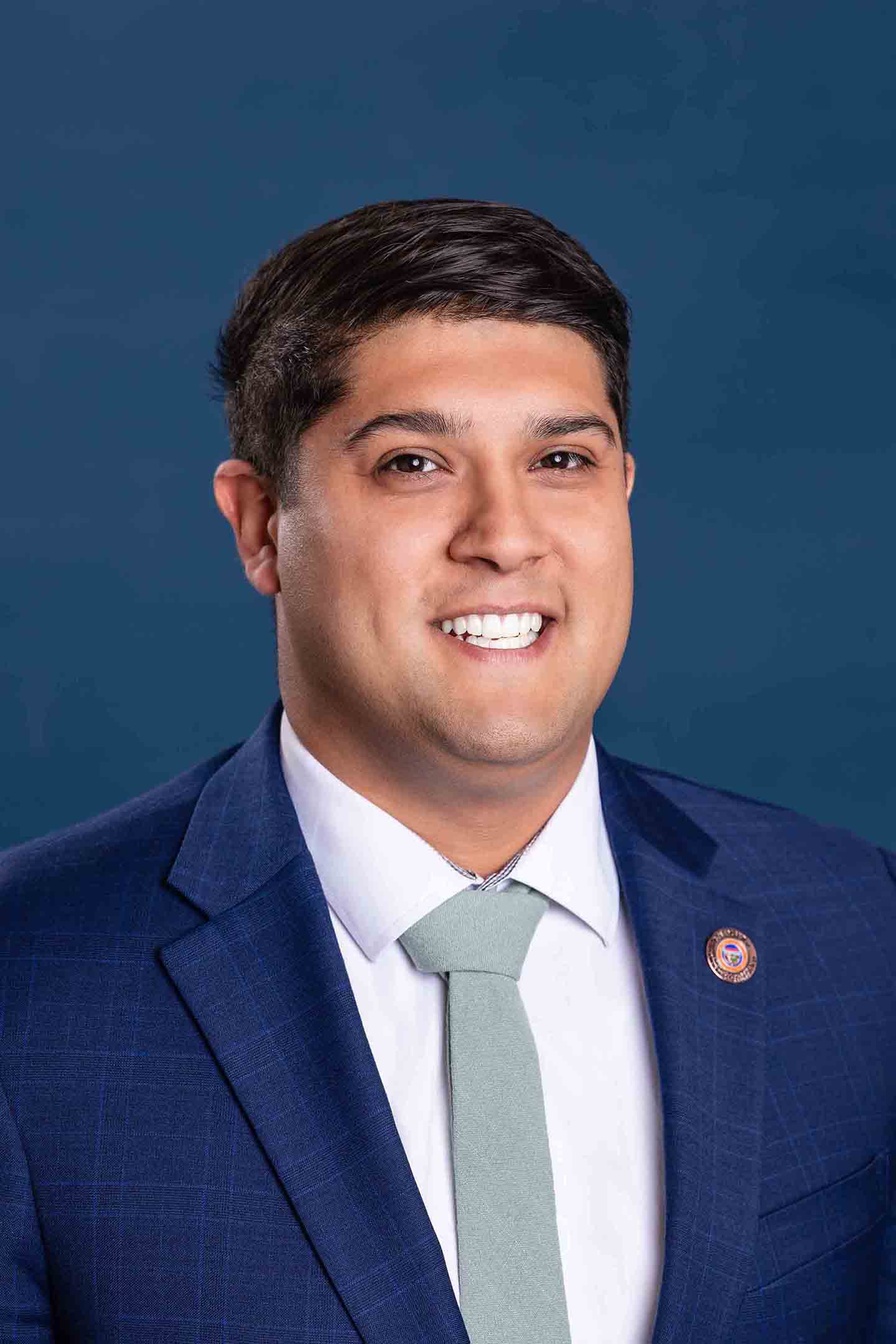
Rep. Cesar Aguilar
Sponsored bills
Maddy summaryHB 2836 establishes new rights for sexual assault survivors in Arizona, directly affecting survivors, medical providers, law enforcement, and victim advocacy programs. The bill creates confidentiality for communications between survivors and trained victim advocates (requiring 30 hours of specific training), prohibits charging survivors for medical exams, and guarantees survivors the right to consult an advocate during medical exams and police interviews. It also mandates that medical facilities inform survivors of their rights before exams, ensures survivors can request gender-specific interviewers, and prohibits using sexual assault kits to prosecute survivors for unrelated minor offenses. The law aims to protect survivors' privacy and autonomy throughout medical and legal processes.
Maddy summaryHCR 2052 proposes a constitutional amendment to repeal a provision requiring Arizona school districts and community college districts to follow annual spending limits. Currently, these limits are calculated by the Economic Estimates Commission based on 1979-1980 spending levels adjusted for student population and cost of living. The repeal would eliminate this requirement, removing the need for annual calculations and the spending cap for districts. This change would require voter approval and a governor's proclamation to take effect.
Maddy summaryHB 2816 appropriates $122,300,300 from Arizona's state general fund and $402,981,400 in Medicaid funding for the Department of Economic Security's developmental disabilities program during fiscal year 2024-2025. This bill provides specific supplemental funding to cover program expenses without altering eligibility or service requirements. The funding directly supports the state's developmental disabilities services, which assist individuals with disabilities and their families. As a funding measure, it does not change program rules or create new policy.
Maddy summaryThe bill title "HB 2747: weapons; permit; firearms safety training" does not match the provided text, which is exclusively about alcohol regulations under Arizona Revised Statutes §4-244. The actual bill text regulates liquor licensing, sales restrictions (e.g., prohibiting sales to minors, requiring specific signage for transport), and employment rules for alcohol retailers. It does not address weapons, firearm permits, or safety training. This appears to be an error in the bill title or description provided.
Maddy summaryHB 2499 restricts the sale and use of neonicotinoid pesticides (a class including chemicals like imidacloprid and thiamethoxam) in Arizona. It requires sellers to hold a restricted-use pesticide license and limits user eligibility to certified applicators, veterinarians, or wood preservers. Exceptions cover pet care products, personal care items, indoor insect control, and wood preservatives. Violations are classified as class 3 misdemeanors, and the law takes effect January 1, 2026.
Maddy summaryHB 2790 requires employers in agriculture, construction, landscaping, oil/gas extraction, airport work, mail/delivery, and heavy-material transportation to implement heat illness prevention measures. It mandates free access to cool water with ice (at least one cup every 15-20 minutes above 80°F), shade or climate-controlled areas within 400 feet of workspaces, and paid rest periods based on temperature. Employers must monitor workers for heat symptoms, establish emergency response protocols, and gradually acclimate new hires to hot conditions. The law directly affects outdoor and indoor workers in these high-risk industries during heat events.
Maddy summaryHB 2758 prohibits health providers from offering conversion therapy to patients under 18 years old, with exceptions for clergy acting in religious roles and parents acting as family members. It explicitly adds "gender identity" and "sexual orientation" as protected characteristics in Arizona’s anti-discrimination laws covering public accommodations, employment, and housing. The bill defines "gender identity" to include medical history, consistent self-identification, and other evidence, while clarifying that discrimination based on these factors is unlawful. It also establishes statewide regulation of conversion therapy, preempting local laws, and updates definitions for terms like "public accommodations" to include businesses serving the public. The law directly affects health providers, businesses, and individuals seeking services without discrimination in these areas.
Maddy summaryHCR 2050 is a proposed constitutional amendment that would establish annual spending limits for Arizona school districts and community colleges. It requires the Economic Estimates Commission to calculate each year’s spending cap by adjusting 1979-1980 local revenue expenditures for changes in student population and cost of living, then applying a 10% multiplier. The amendment excludes specific funding sources (like bond proceeds, federal grants, and tuition) from the cap calculation. If approved by voters, this would limit total school district spending growth unless the legislature passes a two-thirds vote concurrent resolution allowing an exception. The bill is currently in early legislative stages (House first/second reading) and requires voter approval to take effect.
Maddy summaryHB 2510 creates a program to fund curbside composting in Arizona cities by establishing a dedicated "municipal composting program fund." This fund will receive money from fees on imported hazardous waste (waste classified as hazardous where generated but not in Arizona) and use it to award grants to eligible municipalities for composting programs. The bill requires the state to adopt rules setting eligibility for grants and managing the waste fees. It also establishes new rules for handling imported hazardous waste, including its transportation, treatment, storage, and disposal.