

Maddy summaryHB 2712 requires Arizona courts to create public reports for every eviction case where a landlord wins. The reports must include the location (city/county), the reason for the eviction, and be made publicly accessible. This bill directly affects courts (which must compile the reports) and the public (which gains access to this data). It does not change eviction laws or tenant/landlord rights, only adding a reporting requirement for eviction judgments.
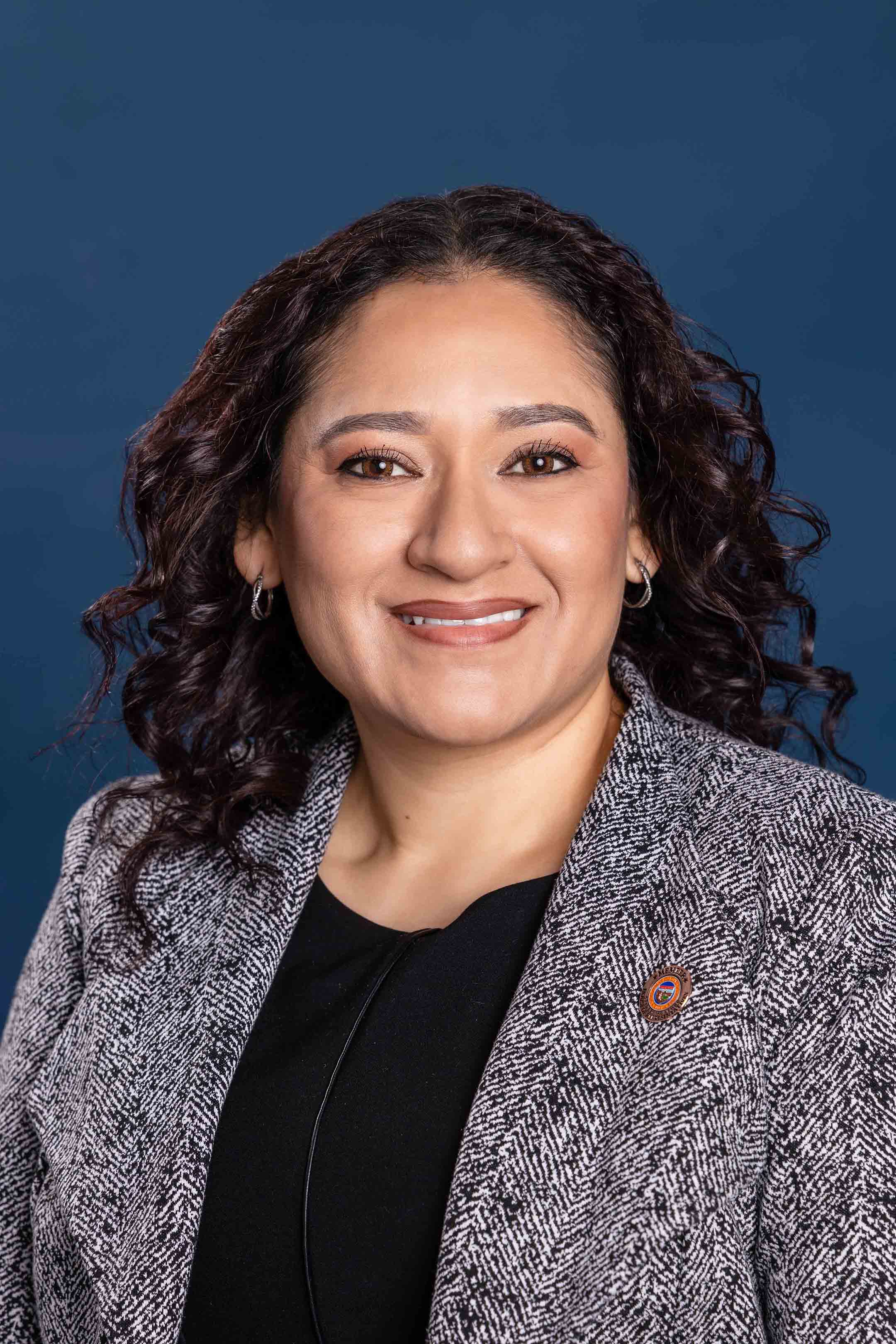
Rep. Elda Luna-Nájera
Sponsored bills
Maddy summaryHB 2521 amends Arizona's children's health insurance program (CHIP) eligibility rules by adjusting income thresholds for children under 19. It increases the income limit from 200% of the federal poverty level (FPL) to 225% for fiscal years 2024-2026, then to 300% for all subsequent years. This change directly affects low-income families whose children qualify for CHIP coverage based on household income. The bill updates the legal definition of "member" in the program without altering its structure or administration.
Maddy summaryHB 2718 establishes a new annual rent increase cap for most Arizona rental properties, limiting increases to the annual consumer price index (CPI) plus 3% (capped at a maximum 7% total increase per year). This applies to landlords after the first 36 months of a newly built property’s occupancy. The law requires the Arizona Department of Housing to calculate permissible increases, accept tenant complaints about violations, and refer cases to the attorney general for enforcement. It also includes provisions for landlords to handle tenant property or animals if a tenant dies or becomes incapacitated, requiring updated contact information for authorized retrieval.
Maddy summaryHB 2469 establishes a temporary committee to study how to train retail and lodging employees to identify and respond to human trafficking victims in both urban and rural areas. The committee, composed of 16 members including legislators, state agency representatives, chamber of commerce leaders, academic experts, healthcare providers, and tribal community members, must evaluate training methods and submit a report to state leaders by June 30, 2028. The committee expires December 31, 2028, with no immediate policy changes enacted.
Maddy summaryHB 2463 creates a task force to study employee misclassification and payroll tax fraud specifically in Arizona's construction industry. The task force, composed of state agency representatives (including the Industrial Commission, Department of Insurance, and Contractor Registrar), will examine revenue losses, enforcement gaps, and prevention strategies. It must report annually to state lawmakers starting in 2028, including recommendations on improving investigations, public awareness, and interagency cooperation. The bill does not change current laws but aims to inform future policy based on the task force's findings.
Maddy summaryThis resolution proposes repealing Arizona's constitutional "right to work" provision (Article XXV), which currently prohibits requiring union membership as a condition of employment. If approved by voters, it would remove this constitutional protection, altering Arizona's labor law framework. The measure will be submitted to voters at the next general election as required by state law.
Maddy summaryThis bill, if approved by Arizona voters, would increase the state's minimum wage to $12 per hour starting January 1, 2020, with annual inflation adjustments beginning in 2028 based on the consumer price index. It would allow employers to pay tipped workers a base wage up to $3 less per hour than the minimum wage if tips make up the difference, but this exception would end on January 1, 2030, requiring full minimum wage payment for all workers thereafter. The measure directly affects Arizona workers, particularly low-wage and tipped employees, and aims to provide a wage floor that rises with living costs.
Maddy summaryHB 2678 adds a new exemption to Arizona's retail sales tax code, removing sales tax on diapers and feminine hygiene products. This directly affects consumers who purchase these essential items and retailers selling them. The bill amends Arizona Revised Statutes § 42-5061 to explicitly exempt "diapers and feminine hygiene products" from the state's retail sales tax, aligning with similar exemptions for items like food and medical supplies. The change applies to all qualifying products sold within Arizona, effective upon enactment.
Maddy summaryHB 2636 proposes to increase Arizona's individual income tax rates for taxable years beginning after December 31, 2021. The bill would amend tax brackets to raise rates across all income levels for both residents and nonresidents earning income within Arizona. Key provisions include adjusting the percentage rates applied to different income ranges, such as increasing the top marginal rate for single filers and married couples filing jointly. This legislation directly affects all Arizona taxpayers subject to individual income tax, with changes applying to future tax years. The bill is currently in early legislative stages (House First/Second Reading in 2026).
Maddy summaryHB 2715 repeals Section 9-461.16 of Arizona's zoning code, which previously addressed specific municipal planning procedures. This bill does not alter the main zoning regulations found in Section 9-462.01 (which governs land use, building standards, and special districts like historical or age-restricted zones). Municipalities will continue to operate under the existing zoning framework, as this repeal only removes one specific section from the statutes. The bill directly affects local governments that implement zoning ordinances but does not change how communities regulate housing or land use.