

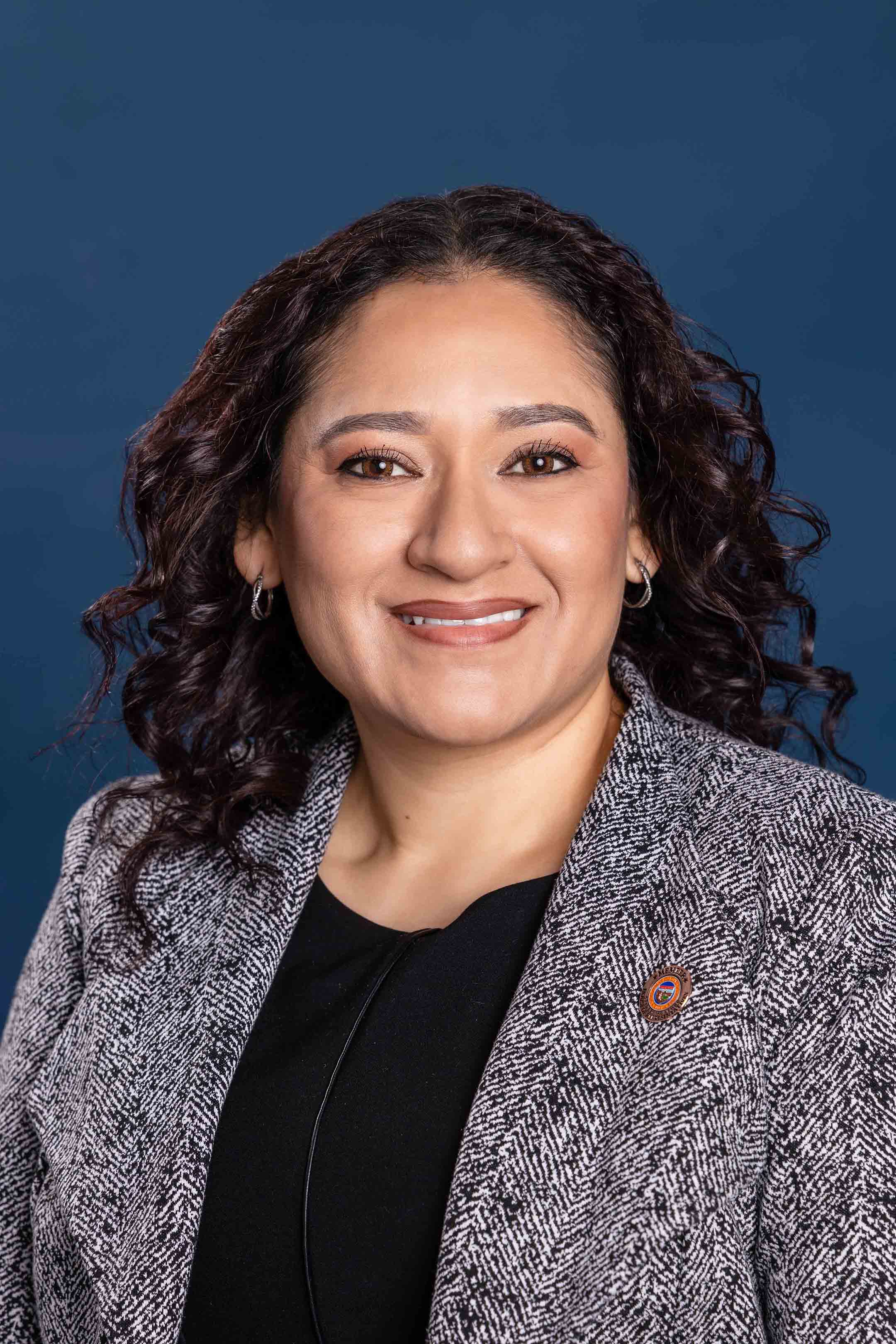
Photo of Elda Luna-Nájera
D Arizona House · District 22 On the 2026 ballot

Rep. Elda Luna-Nájera

Compare
Total votes
1,969
all sessions
Attendance
98%
37 missed
Higher than 76% of chamber peers
With party
90%
of cast votes
Lower than 80% of chamber peers
Bipartisan score
8%
crosses aisle rarely
Higher than 77% of chamber peers
Sponsored
156
bills & resolutions
Near the chamber average
Committees
2
assignments
156 bills and resolutions

Sponsored bills

Total
156
Primary
1
Co-sponsor
155
This page
156
matching current filters
Co-sponsor HB 2462
Introduced · Arizona House · Co-sponsor
covered contracts; governmental unit; payroll

Maddy summaryHB 2462 requires Arizona state governmental units to mandate that contractors and subcontractors on specific "covered contracts" submit certified payroll records. These records must accurately show hours worked, job classifications, wages paid, and include a signed compliance statement. The bill also ensures worker retention during contract transitions by requiring successor contractors to offer jobs to qualified previous employees and prohibiting unjustified terminations or hour cuts during the transition period. It explicitly states the bill does not create new wage requirements beyond existing law and excludes commodity contracts, fixed-delivery contracts, and contracts below a dollar threshold.

Introduced Jan 21, 2026 1 co-sponsor
Co-sponsor HB 2529
Introduced · Arizona House · Co-sponsor
prisoners; medical treatment; pregnancy; requirements

Maddy summaryHB 2529 requires Arizona prisons to provide free medical care to pregnant inmates, exempting them from fees for medical visits, prescriptions, and medical devices under Section 1(I)(5) of the bill. This directly affects pregnant individuals incarcerated in Arizona state facilities, ensuring they cannot be denied treatment or charged for care related to pregnancy. The bill also mandates that prisons honor a prisoner’s refusal of non-life-threatening treatment after documenting consequences (Section 31-202), while prohibiting denial of care due to inability to pay (Section 1(J)). These provisions specifically address pregnancy-related healthcare access and financial barriers within correctional medical services.

Introduced Jan 21, 2026 1 co-sponsor
Co-sponsor HB 2708
Introduced · Arizona House · Co-sponsor
landlord tenant; judgment; fees; satisfaction

Maddy summaryHB 2708 limits late fees landlords can charge to $50 or 5% of rent, whichever is greater, and bans rental agreements that prevent tenants from calling emergency services or penalize them for doing so. It also requires a 5-day waiting period after an eviction judgment before a landlord can enforce a writ of restitution. Landlords cannot force tenants to waive legal rights or pay excessive fees, and tenants may recover damages if landlords knowingly include prohibited lease terms. The bill applies directly to all residential rental agreements in Arizona, affecting both landlords and tenants in housing disputes.

Introduced Jan 21, 2026 1 co-sponsor
Co-sponsor HB 2634
Introduced · Arizona House · Co-sponsor
study committee; educator health insurance

Maddy summaryHB 2634 establishes a study committee to examine health insurance costs for Arizona educators and their families. The committee, composed of representatives from school districts, teachers' organizations, health insurers, and school boards, will analyze current insurance plans and costs for both school districts and employees. It must recommend affordable ways to provide high-quality health coverage for educators and their dependents, then submit a report to state leaders by November 2027. The committee will dissolve on October 31, 2028. This is a procedural bill focused on research, not immediate policy changes.

Introduced Jan 21, 2026 1 co-sponsor
Co-sponsor HB 2466
Introduced · Arizona House · Co-sponsor
employment; labor standards; meal breaks

Maddy summaryArizona's HB 2466 requires most Arizona employers to provide employees with specific break and pay protections. It mandates a 30-minute unpaid meal break after 5 hours of work (and an additional break after 12 hours), a paid 10-minute rest break every 4 hours, and extra pay rates: 1.5 times the regular wage for hours worked beyond 8 but not exceeding 12 in a day or for the first 8 hours on the seventh consecutive workday, and double the regular wage for hours beyond 12 in a day or beyond 8 hours on the seventh consecutive workday. The law applies to employers with annual sales of $100,000 or more or those engaged in interstate commerce, aligning with federal labor standards. This directly affects hourly workers and employers across Arizona who fall under these thresholds.

Introduced Jan 21, 2026 1 co-sponsor
Co-sponsor HB 2468
Introduced · Arizona House · Co-sponsor
peace pole monument; governmental mall

Maddy summaryHB 2468 authorizes placing a Rotary International peace pole monument in a designated area of Arizona's governmental mall. The bill requires Rotary International to cover all costs for fundraising, design, and construction - state funds cannot be used, and the government cannot facilitate fundraising. It also specifies the monument authorization expires on September 30, 2029. This is a procedural bill focused on monument placement with clear funding restrictions and a sunset date.

Introduced Jan 21, 2026 1 co-sponsor
Co-sponsor HB 2530
Introduced · Arizona House · Co-sponsor
abortion; providers; waiting period; ultrasound

Maddy summaryHB 2530 amends Arizona's nursing board statute to clarify that the board cannot regulate the scope of practice for abortion services (as defined in ARS §36-2151). The bill primarily updates the board's authority to adopt rules for nursing education, licensing, disciplinary actions, and administrative functions. It does not include any provisions requiring waiting periods or ultrasounds for abortion procedures. This bill focuses on defining the nursing board's regulatory boundaries, not on changing abortion access policies.

Introduced Jan 21, 2026 1 co-sponsor
Co-sponsor HB 2670
Introduced · Arizona House · Co-sponsor
employment; workplace communications; exclusions

Maddy summaryHB 2670 prohibits Arizona employers (including state agencies) from threatening or punishing employees for declining to attend meetings or participate in communications about religious beliefs or political matters, such as elections or political parties. Employees who face retaliation can file a civil lawsuit within 120 days to seek reinstatement, back pay, benefits, and attorney fees. The law does not apply to communications required by law, necessary for job duties, or part of academic programs at colleges, nor does it cover religious organizations exempt under federal law. It requires employers to post a notice of these rights within 30 days of the law taking effect.

Introduced Jan 21, 2026 1 co-sponsor
Co-sponsor HB 2684
Introduced · Arizona House · Co-sponsor
working conditions; temperatures; employers; definitions

Maddy summaryHB 2684 requires Arizona employers to implement heat and cold safety programs for workers. For heat (80°F+), it mandates written plans covering hydration (1 quart of water per hour), 10-minute cool-down breaks every 2 hours (more frequently during extreme heat), thermometer monitoring, shade access, and acclimatization for new workers. For cold (60°F-), it requires similar written programs with warm areas, cold-prevention training, and reduced exposure schedules. The bill directly affects all Arizona employers with indoor or outdoor workplaces, including construction, agriculture, and vehicle-based jobs (requiring vehicle AC below 80°F).

Introduced Jan 21, 2026 1 co-sponsor
Co-sponsor HB 2475
Introduced · Arizona House · Co-sponsor
law enforcement; face coverings; prohibition

Maddy summaryHB 2475 prohibits Arizona law enforcement officers from wearing face coverings that conceal their face while on duty, directly affecting all police departments, sheriff's offices, and state law enforcement agencies. It requires each agency to create and publicly post a policy restricting face coverings to specific exceptions: active undercover work (with authorization), tactical operations requiring protective gear, or special weapons teams during active duties. The bill explicitly excludes clear masks, medical masks, safety gear for hazardous conditions, and motorcycle helmets from the prohibition. This law aims to increase officer visibility and public trust during routine interactions.

Introduced Jan 21, 2026 1 co-sponsor
Showing 71 to 80 of 156 bills
Previous 1 … 7 8 9 … 16 Next