

Maddy summaryHB 2928 establishes heat illness prevention standards for employers in high-risk industries like agriculture, construction, landscaping, oil and gas, airport work, and delivery services. It requires employers to provide free drinking water with ice (and electrolytes for work over an hour above 80°F), shade or climate-controlled rest areas within 400 feet of work zones when temperatures exceed 80°F, and paid rest periods (15-45 minutes per hour) based on heat levels. Employers must also monitor workers for heat symptoms, implement emergency response protocols, and hold pre-shift safety meetings for agricultural workers. These rules, to be adopted by Arizona’s Industrial Commission, apply to all indoor and outdoor workplaces in covered industries to protect workers from heat-related health risks.
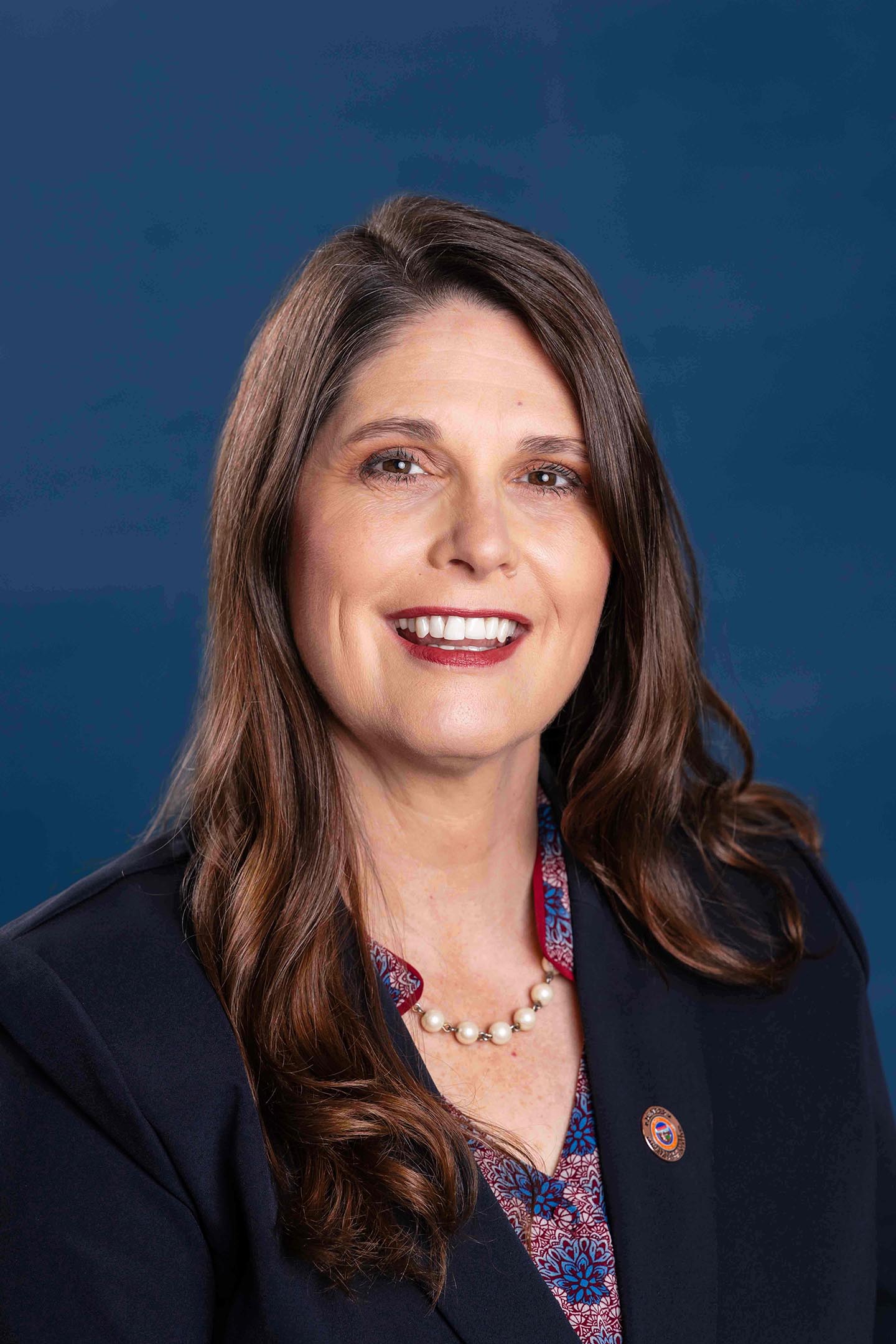
Rep. Stephanie Stahl Hamilton
Sponsored bills
Maddy summaryHB 2927 requires construction projects exceeding 60 feet above ground or 48 feet below ground to install a temporary elevator or personnel hoist for employee use. This elevator must be operational when the structure reaches 36 feet in height (measured to the top of features like parapet walls or mechanical rooms, excluding antennas or flagpoles). The bill directly affects construction companies building tall structures, mandating safer vertical transport for workers during construction. It specifies concrete installation timing and structural measurement criteria to ensure worker safety during early build phases. The requirement applies to new construction projects, not existing buildings.
Maddy summaryHCR 2045 is a ceremonial resolution honoring the late U.S. Representative Raúl Grijalva (D-AZ), who died on March 13, 2025. The resolution expresses the Arizona Legislature’s "profound sorrow" at his passing and recognizes his 50+ years of public service, including 12 terms in the U.S. House representing Southern Arizona. It highlights his work on environmental protection, tribal sovereignty (notably the Grand Canyon Tribal Coalition), and advocacy for public education and social justice. As a memorial resolution, it has no policy impact or direct effect on constituents - it is purely a symbolic tribute. The Arizona House and Senate approved it in January 2026.
Maddy summarySCR 1017 proposes adding a new constitutional right to a clean and healthy environment in Arizona's Constitution. It states that every person has an inherent right to clean water, clean air, healthy ecosystems, a safe climate, and preserved natural qualities, belonging to both current and future generations. The amendment requires Arizona and its local governments to act as trustees of natural resources (including water, air, and climate), conserve them for all people, and prioritize securing a safe climate and clean energy as a "compelling state interest." This proposal must be approved by voters in the next general election to take effect.
Maddy summaryHB 2844 establishes rules for Arizona's contracts with private companies operating adult correctional facilities, requiring them to provide services at equal or better quality and lower cost than state-run facilities. The bill mandates biennial reviews comparing contractor performance to state operations across 10 areas (like security, inmate programs, and facility safety) and requires cost comparisons every five years to ensure value. It limits annual cost adjustments to inflation, prohibits contractors from making decisions about inmate release dates or disciplinary actions, and requires contractors to provide financial statements, civil rights insurance, and reimburse the state for emergency services. These provisions apply directly to private prison contractors and the Arizona Department of Corrections.
Maddy summarySB 1359 amends Arizona law to change how unclaimed firearms are handled and prevents local governments from enacting stricter firearm regulations. It requires that unclaimed firearms be sold to licensed dealers (not destroyed) after 30 days, unless prohibited by law, and allows law enforcement to trade firearms for equipment. The bill also blocks cities or counties from creating rules that conflict with state firearm laws, including bans on local licensing, registration, or more restrictive penalties. Exceptions include limited restrictions on minors in public places and minor tax rules for firearms sales.
Maddy summarySB 1357 requires manufacturers of large electronics (like desktops, laptops, monitors, and TVs over 4 inches) to create statewide recycling programs by 2027. It mandates that these manufacturers register with Arizona’s department, pay annual fees, and label products with their brand. The bill also requires manufacturers to establish convenient collection sites in every county and major city, provide public recycling information, and ensure environmentally sound recycling processes. Retailers cannot sell covered devices without proper labeling and manufacturer registration starting January 1, 2027. This affects manufacturers, retailers, and consumers who purchase these electronics.
Maddy summaryHB 2517 amends Arizona's environmental code to strengthen the Department of Environmental Quality's authority for protecting drinking water. It explicitly adds "nutrients" and "heated liquids" to the list of pollutants the department must address under water quality standards. The bill directly affects water utilities, industrial facilities, and developers by requiring stricter adherence to these expanded pollution prevention measures. This change clarifies the department's duty to coordinate water resource protection and implement specific standards for contaminants in drinking water sources.
Maddy summarySB 1351 repeals two Arizona statutes (ARS § 9-500.36 and § 11-269.14) that previously prohibited certain energy measuring and reporting requirements. The bill removes existing legal restrictions on how energy usage data could be measured and reported by relevant entities. This repeal directly affects businesses, utilities, or organizations previously subject to those specific reporting rules under Arizona law. The change simplifies compliance by eliminating the repealed prohibitions, though it does not create new reporting obligations.
Maddy summaryHB 2562 requires restaurants and food service establishments in Arizona to provide water to customers only upon request, not automatically. It also mandates that hotels and motels offer guests the option to decline daily towel and linen laundering, with clear signage about this choice. The bill directly affects these businesses by changing their standard service practices for water and linens. Key provisions focus on reducing unnecessary water use and resource consumption through simple, mandatory customer notification and consent. (Summary based solely on the bill text provided.)