

Maddy summaryHB 2297, the "Arizona Ban on Scholarship Displacement Act of 2026," prevents Arizona public colleges and universities from reducing a student's free financial aid (like grants or scholarships not requiring repayment) if the student receives a private scholarship. Specifically, institutions cannot lower gift aid because of a private scholarship, except when the gift aid exceeds the student's actual cost of attendance (tuition, fees, books, living expenses, etc.). The bill also prohibits schools from factoring private scholarships into financial aid decisions. It directly affects Arizona public universities and community colleges (under the Arizona Board of Regents or community college system) and students receiving private scholarships from non-governmental sources.
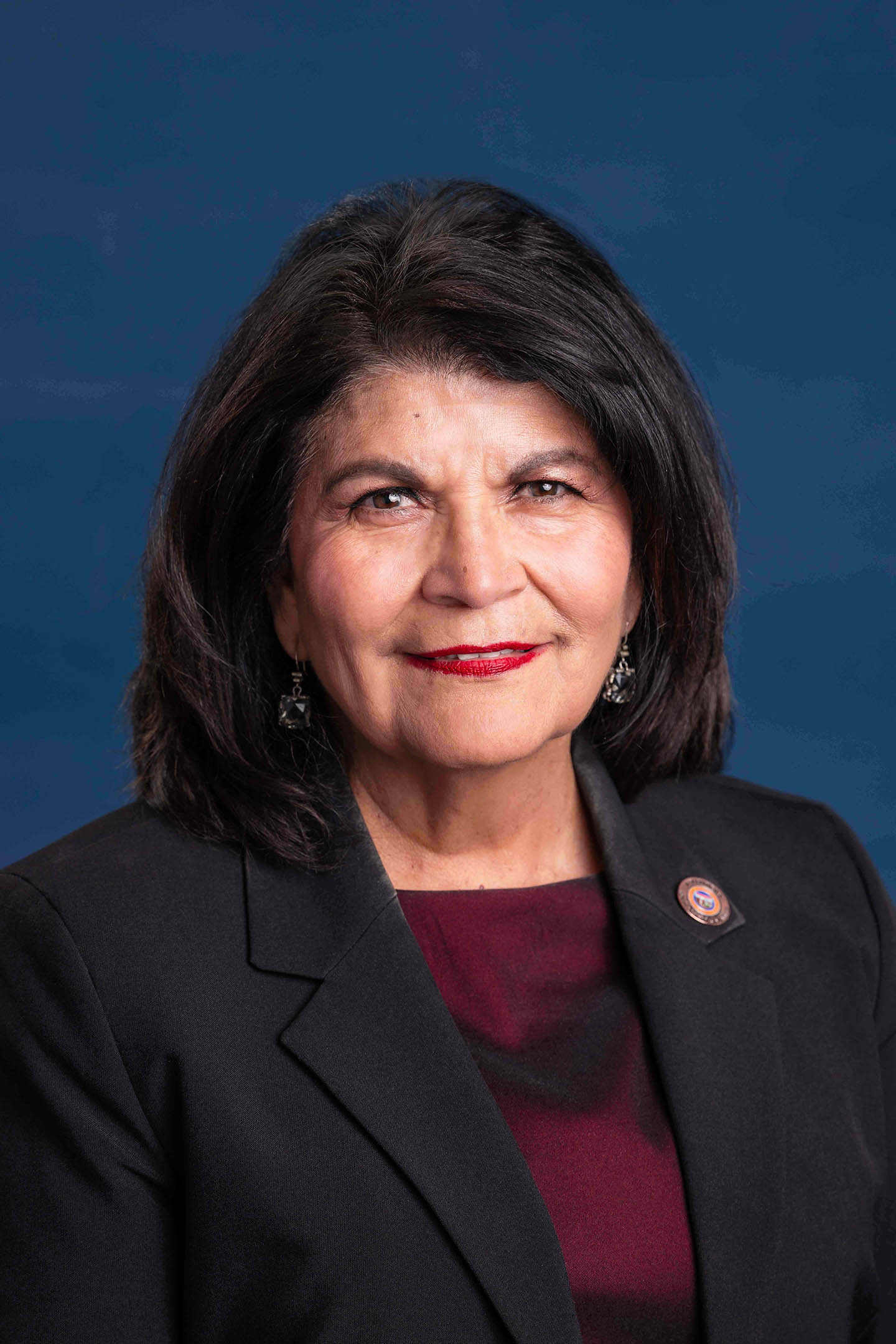
Rep. Betty Villegas
Sponsored bills
Maddy summaryHB 2563 repeals two Arizona statutes (9-500.38 and 11-269.16) and modifies Section 44-1648 to clarify that while the state preempts statewide registration of scrap metal dealers, local governments (cities, towns, counties) may still enforce business licensing systems that include background checks or fingerprinting for owners. The bill ensures scrap metal dealers with valid licenses issued before September 13, 2013, remain compliant without needing to reapply, unless an event triggers a required amendment under local rules. It directly affects scrap metal dealers operating in Arizona by standardizing licensing requirements between state and local authorities. The bill focuses on regulatory clarity rather than creating new policy, maintaining existing license validity while allowing local background checks.
Maddy summaryHB 2524 repeals Arizona Revised Statutes Section 13-3605, which previously regulated advertising related to abortion services and conception. This procedural bill removes a specific advertising rule governing how abortion-related information could be promoted. It does not create new requirements but eliminates an existing statutory provision. The bill is currently in early legislative stages (House first and second readings as of January 20-21, 2026).
Maddy summaryHB 2528 establishes new rights for Arizonans seeking fertility care, including the right to access treatments like IVF without unreasonable restrictions, continue ongoing treatments, and control their embryos, eggs, or sperm. It also affirms health care providers' rights to perform fertility treatments and insurers' rights to cover them. The law requires health authorities to create rules supporting these rights within one year. This bill directly affects individuals pursuing fertility care, clinics offering such services, and health insurance companies.
Maddy summaryHB 2316 allows Arizona middle schools (grades 6-8) to offer career technical education (CTE) courses that count toward both 8th-grade promotion and high school graduation. Schools must partner with approved CTE providers like community colleges or state-approved programs, and students must pass courses to earn credit. The bill requires schools to report course offerings and completions annually, with a final report due by 2029, and expires in 2037. It permits CTE districts to fund middle school CTE courses without raising property taxes but prohibits counting middle school students in district enrollment totals.
Maddy summaryHB 2559 requires Arizona health insurance plans (including hospital service corporations, health care organizations, and disability insurers) to cover behavioral health services - such as mental health and substance use disorder treatment - starting January 1, 2027. The bill mandates insurers to provide out-of-network coverage with cost protections if in-network providers aren’t available within specific timeframes: 30 days for routine care, 7 days for residential care, and 24 hours for emergencies. Patients cannot pay more than their in-network copay, coinsurance, or deductible for these services, and insurers must document out-of-network payments for state review. This directly affects millions of Arizonans with insurance coverage for behavioral health needs.
Maddy summaryHB 2558 requires Arizona health insurers to cover scalp cooling systems for cancer patients undergoing chemotherapy, starting January 1, 2027. The bill mandates that hospital service corporations, health care services organizations, disability insurers, and group disability insurers must provide coverage for these systems when used alongside cancer-related chemotherapy treatment. A "scalp cooling system" is defined as a medical device designed to prevent or reduce hair loss during chemo, intended for repeated use and primarily for medical purposes. This policy directly affects cancer patients receiving chemotherapy in Arizona and insurers offering related coverage. The law creates a new coverage requirement without altering existing treatment standards.
Maddy summaryHB 2522, the "Arizona Right to Contraception Act," establishes a legal right for Arizonans to access contraceptives and contraception-related information, and for healthcare providers to offer these services. It prohibits state or local restrictions that single out contraceptive services, impede access, or interfere with a provider's ability to deliver care. The bill explicitly clarifies it does not override existing requirements for voluntary, informed consent in sterilization procedures. This law directly affects individuals seeking reproductive healthcare and healthcare providers who offer contraceptive services across Arizona.
Maddy summaryHB 2357 gradually reduces the property tax assessment ratio for Arizona's "class one property" (primarily primary residences) over time. It lowers the percentage of a home's full cash value used to calculate property taxes, starting at 25% through 2005 and decreasing step-by-step to 15.2% by 2027. The bill directly affects residential property owners by reducing their taxable value year-by-year as specified in the amended statute. This change is a concrete policy adjustment to property tax calculations, not an immediate tax cut.
Maddy summaryHB 2711 modifies how Arizona allocates unclaimed property funds, such as abandoned bank accounts and stocks, that would otherwise go to the state general fund. It directs 55% of these funds to the housing trust fund, with 40% of that portion (22% of total funds) specifically reserved for rural housing development. The bill also specifies that $2 million goes to a trust fund for housing the seriously mentally ill, $2.5 million to the general housing trust fund, and $24.5 million to the department of revenue's administrative fund. This policy change affects state fund distribution without directly altering individual rights or services.