

Maddy summaryHB 2580 defines key terms for Arizona's education scholarship programs, primarily affecting students and micro-schools. It establishes eligibility criteria for "qualified students" (including those with disabilities, from low-performing schools, military families, or Indigenous communities) and defines "micro-schools" as tuition-charging entities employing instructors for specific subjects. The bill sets requirements for annual education plans, curriculum standards, and enrollment rules for scholarship programs. It does not create new funding but clarifies program mechanics for existing scholarship accounts. This definitional work prepares the framework for how Arizona's education savings accounts will operate.
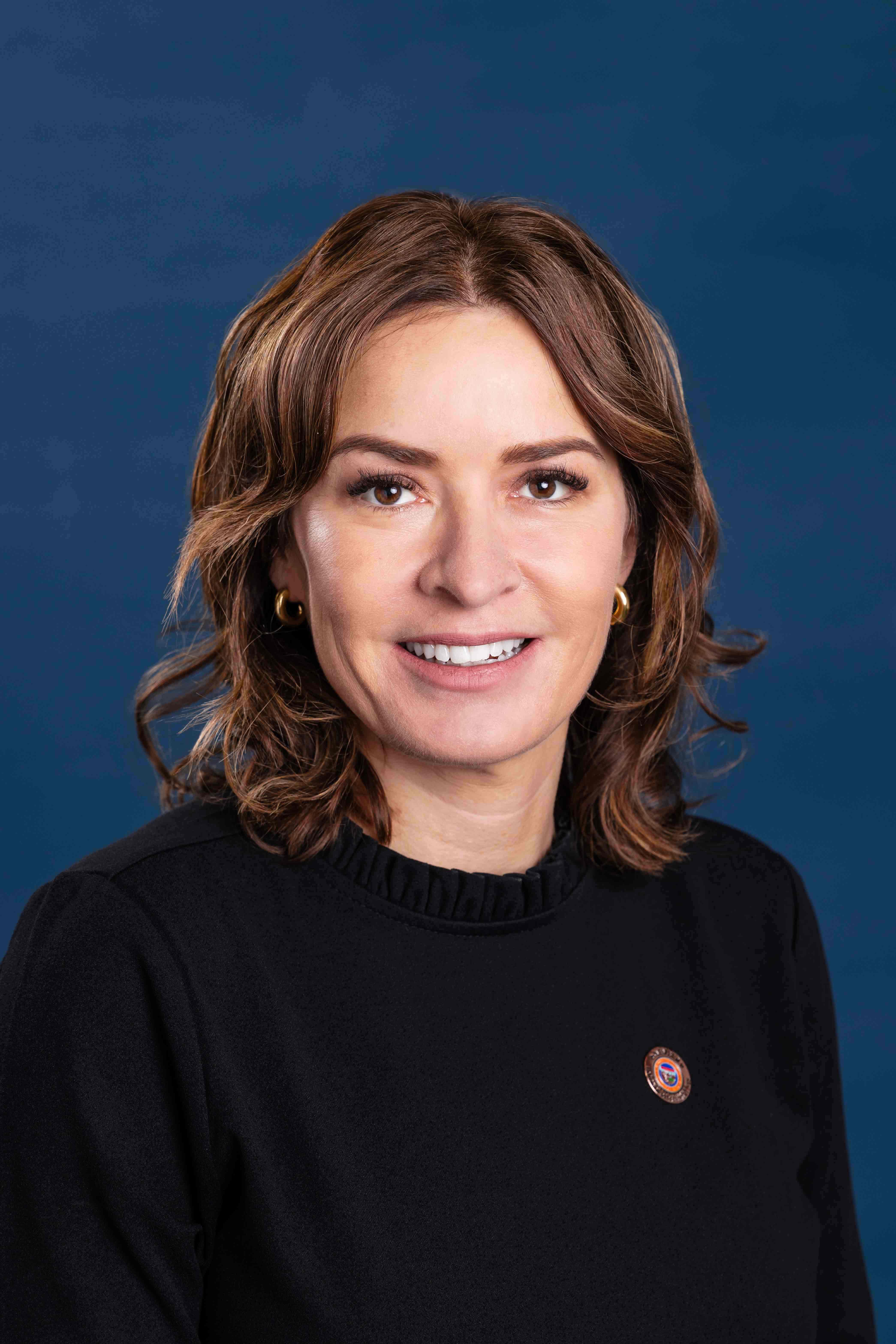
Rep. Stephanie Simacek
Sponsored bills
Maddy summaryHB 2503 amends Arizona's campaign finance law (ARS § 16-921) to explicitly allow candidate committees to use campaign funds for direct childcare costs for the candidate's dependents, such as a child or other individual the candidate cares for. This change directly affects candidates with caregiving responsibilities who previously faced ambiguity about using campaign money for these essential expenses. The bill clarifies that such childcare costs are now a lawful expenditure under the law, without requiring separate fundraising. It does not alter existing exemptions for volunteer services, news coverage, or other campaign-related expenses. The legislature states this is a clarifying update, not a substantive change to campaign finance rules.
Maddy summaryHB 2507 makes specific actions related to voting illegal by adding new misdemeanor offenses under Arizona law. It prohibits behaviors like electioneering near polling places or early voting locations, interfering with voting machines, showing another voter's ballot, or failing to return a ballot after voting. The bill directly affects voters and election workers by clarifying what constitutes voter intimidation or ballot interference during in-person voting. Key provisions include banning the display of completed ballots (except when a voter posts their own ballot online, which is deemed consent to share), and making it illegal to harass people delivering voted ballots.
Maddy summaryArizona's HB 2508 requires ballot measures to include clear, plain-language descriptions of their effects. Specifically, it mandates that each measure's ballot summary must state exactly what a "yes" vote would do and what a "no" vote would do, using brief phrases approved by the attorney general. This applies to all state ballot measures, including initiatives and referendums, and replaces vague titles with direct explanations of outcomes. The bill ensures voters understand the practical impact of each measure before casting their ballot, as required by law.
Maddy summaryHCR 2034 is a proposed resolution (requiring voter approval) that would replace Arizona's current rules for English language learners (ELLs) in public schools. It mandates schools to identify students' primary languages, assess their English proficiency, and enroll non-proficient students in structured English immersion programs requiring 120 minutes daily for K-5 and 100 minutes daily for grades 6-12. The bill also creates a budget framework for schools to cover additional costs of these programs using state funds, while requiring the state board to approve research-based instructional models. This directly affects all Arizona public schools and English language learners.
Maddy summaryHB 2577 requires Arizona's state board of education to implement statewide assessments in reading, writing, and math for students in at least four grades, ensuring tests are uniform, objective, and free from partisan viewpoints. It mandates the collection and public posting of specific nontest data (such as graduation and dropout rates by ethnicity) and sets strict deadlines for schools to receive test scores (May 15 for 3rd grade reading, May 25 for other subjects). The bill also allows students to use scores from nationally recognized assessments to opt out of the state test, with those scores then recorded for school records, and requires the state board to provide intervention strategies for underperforming schools.
Maddy summaryHB 2509 restricts direct corporate and labor organization contributions to candidate committees while creating new rules for their political activity. It allows corporations, LLCs, and labor organizations to establish separate segregated funds (SSFs) for employee, member, and affiliate contributions, but requires these SSFs to register as political action committees. The bill mandates strict reporting: corporations must notify election officials within one day of exceeding $5,000 in statewide races, $2,500 in legislative races, or $1,000 in local races, providing details like contributor names, amounts, and candidate support/opposition. This directly affects corporations, their employees/members (who can contribute to SSFs), and political committees receiving funds. Violations carry civil penalties up to three times the contribution amount.
Maddy summaryHB 2506 allows Arizona county boards of supervisors to establish voting centers - physical locations where any voter in the county can cast a ballot on election day - instead of or in addition to traditional precinct-specific polling places. The bill requires county boards to approve these centers via a specific resolution before each election, ensuring they comply with election district boundaries. Voters benefit from greater location flexibility, as voting centers can also serve as early voting drop-off points and ballot replacement sites. This change directly affects county election officials, who gain authority to adjust polling place structures while maintaining voter access.
Maddy summaryHB 2511 modifies Arizona's election laws to restrict ballot handling and strengthen signature requirements for early voting. It amends Section 16-513 to clarify that only voters, family members, household members, or caregivers may handle ballots, and Section 16-547 requires early ballots to include a signed mail affidavit with specific return instructions. Starting in 2026, voters must return ballots with their signature to a county recorder’s office, polling place, or by presenting ID at a polling place by 7:00 p.m. on election day. The bill also amends Section 16-1005 to increase penalties for improper ballot collection, making it a class 5 felony to collect ballots unlawfully or fail to turn them over to election officials. These changes directly affect voters, election officials, and anyone involved in ballot handling.
Maddy summaryHB 2635 sets standards for Arizona online schools and course providers, focusing on curriculum quality, student safety, and teacher qualifications - not full-day kindergarten as the title suggests. It requires online schools to meet specific criteria (like filtered internet access, virtual learning tools, and partnerships with educational institutions) and mandates probationary status for new programs until academic improvements are proven. The bill also establishes rules for calculating average daily membership (ADM) and funding: full-time online students receive 95% of standard funding, while part-time students receive 85%, with strict limits on how attendance hours can be counted across traditional and online programs. These provisions directly affect Arizona public schools, charter schools, and online education providers participating in the state’s virtual learning programs.