

Maddy summaryHB 2466 clarifies that candidate committees in Arizona may legally use campaign funds to cover direct caregiving expenses for a candidate’s child or other dependent they personally care for, such as childcare costs. This specifically affects candidates with caregiving responsibilities who use committee funds for these essential needs. The bill amends Arizona’s campaign finance law (ARS § 16-921) to explicitly list caregiver expenses as an exempt expenditure, aligning with existing rules. The legislature states this is a clarifying change, not a substantive policy shift. It does not expand exemptions beyond this specific provision.
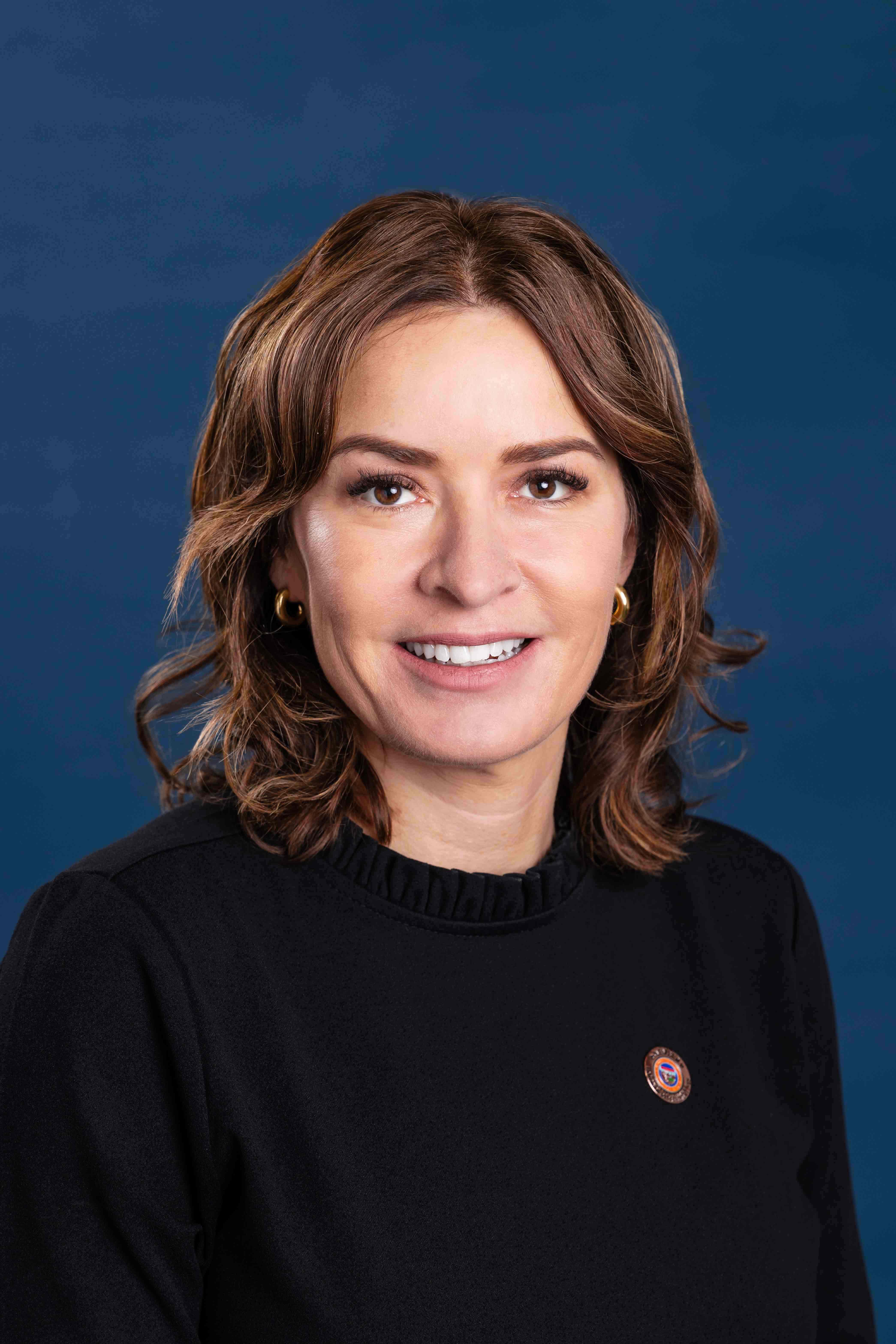
Rep. Stephanie Simacek
Sponsored bills
Maddy summaryHB 2294 amends Arizona law to allow outpatient treatment centers sharing ownership with a hospital and staffed by licensed providers to avoid state licensure, provided they do not charge a "facility fee." A facility fee is defined as any separate charge beyond professional fees for building costs, electronic records, billing, or administrative expenses. Centers must notify the health department of their exemption status, but the exemption does not apply if they keep patients overnight, provide abortion services, or offer pain management. This directly affects outpatient treatment centers seeking to operate without full licensure under these specific conditions.
Maddy summaryHB 2283 limits price increases for essential goods and services during declared emergencies in Arizona. It prohibits businesses from raising prices more than 10% above pre-emergency levels for building materials, food, emergency supplies, gasoline, medical items, repair services, hotel rooms, or transportation services during a state/local emergency and for 30 days after. Sellers may justify higher prices if directly tied to increased costs from suppliers or labor, but must provide proof. Violations carry civil penalties up to $10,000 per incident and allow affected consumers to seek triple damages plus legal fees.
Maddy summaryHB 2643 allocates $120 million from Arizona's state general fund and $91 million from federal child care development funds for the Department of Economic Security's child care assistance program in fiscal year 2025-2026. The bill directs these funds specifically for child care assistance services, exempting them from standard appropriation expiration rules. This funding supports low-income families seeking child care, ensuring continued program operations without automatic budget lapse. The bill does not change eligibility rules or create new benefits, only securing existing funding streams.
Maddy summaryHB 2497 establishes a study committee to examine health insurance costs for Arizona school district employees and their dependents. The committee, composed of appointed members including health insurance representatives, school district officials, teachers, and school board members, will analyze current insurance plans and costs. It must recommend affordable ways to maintain high-quality health coverage for educators and their families. The committee must submit its findings and recommendations to state leaders by November 1, 2026, and will be dissolved after October 31, 2027.
Maddy summaryHB 2648 updates Arizona's child care assistance eligibility rules to support low-income working families and specific vulnerable groups. It expands access for families transitioning off cash assistance (up to 24 months), those with incomes at or below 165% of the federal poverty level (FPL), foster families, and families facing crises like domestic violence or homelessness. Key mechanisms include income thresholds (ceasing aid if income exceeds 85% of state median income), priority for families at or below 100% FPL, and options for education/training support instead of work requirements. The bill aims to align child care assistance with employment goals while managing funding through income-based eligibility and waiting list prioritization.
Maddy summaryHB 2460 amends Arizona's children's health insurance program (CHIP) eligibility rules by adjusting income thresholds for children under 19. It sets the following income limits relative to the federal poverty level: 200% for 1999-2023, 225% (with CMS approval) for 2023-2025, and 300% starting October 1, 2025. The bill directly affects low-income Arizona families with children under 19 whose household income meets these revised thresholds. It does not change program benefits or structure, only the income eligibility percentages. The amendment is part of defining program terms in Arizona Revised Statutes Section 36-2981.
Maddy summaryHB 2538 prohibits Arizona landlords from discriminating against tenants based on their income source, such as government benefits (e.g., Section 8 vouchers, Social Security, veterans' benefits) or private assistance. It requires landlords to count rent vouchers or subsidies toward income requirements when evaluating tenants and bans them from refusing rentals, evicting, or charging more because of a tenant’s income source. The law also prevents landlords from advertising preferences against tenants using such assistance. Violations are treated as unlawful under existing housing laws, with enforcement by the attorney general. This directly affects renters using public assistance and landlords managing rental properties.
Maddy summaryHB 2290 establishes a licensing requirement for student loan servicers operating in Arizona, directly affecting entities that manage student loans for borrowers. It mandates that most servicers obtain a state license (with exceptions for banks/credit unions), requiring application fees, financial disclosures, and criminal background checks. The bill also creates a state student loan ombudsman to handle borrower complaints, analyze issues, and develop an education course on loan terms and repayment options by 2025. Key provisions include license renewal rules, suspension for unpaid fees, and a requirement for servicers to notify the state of operational changes. This policy changes how student loan servicing is regulated within Arizona, focusing on oversight and borrower support.
Maddy summaryHB 2288 restricts tuition and fee increases at Arizona's public universities. It limits annual tuition hikes for in-state undergraduate students to the change in the metropolitan Phoenix consumer price index (CPI), but only if the state appropriates at least 50% of the tuition and mandatory fees. The bill also prohibits tuition increases for in-state undergraduates during their first four years of enrollment. Additionally, it requires public hearings and disclosure of proposed changes before any tuition or fee adjustments take effect. This directly affects the Arizona Board of Regents, public universities, and in-state undergraduate students.