

Maddy summaryHB 2296 prohibits Arizona state agencies and local governments from requiring public works contractors to sign neutrality agreements, project labor agreements, or contribute to federally registered apprenticeship programs as a condition of winning or performing public construction projects. It directly affects contractors bidding on state or local public works contracts, such as building or repairing public infrastructure. The bill defines key terms like "neutrality agreement" (requiring contractors to stay neutral toward unions) and "project labor agreement" (pre-hire bargaining agreements), banning these as mandatory contract conditions. It explicitly does not prevent private collective bargaining or interfere with federally protected labor activities.
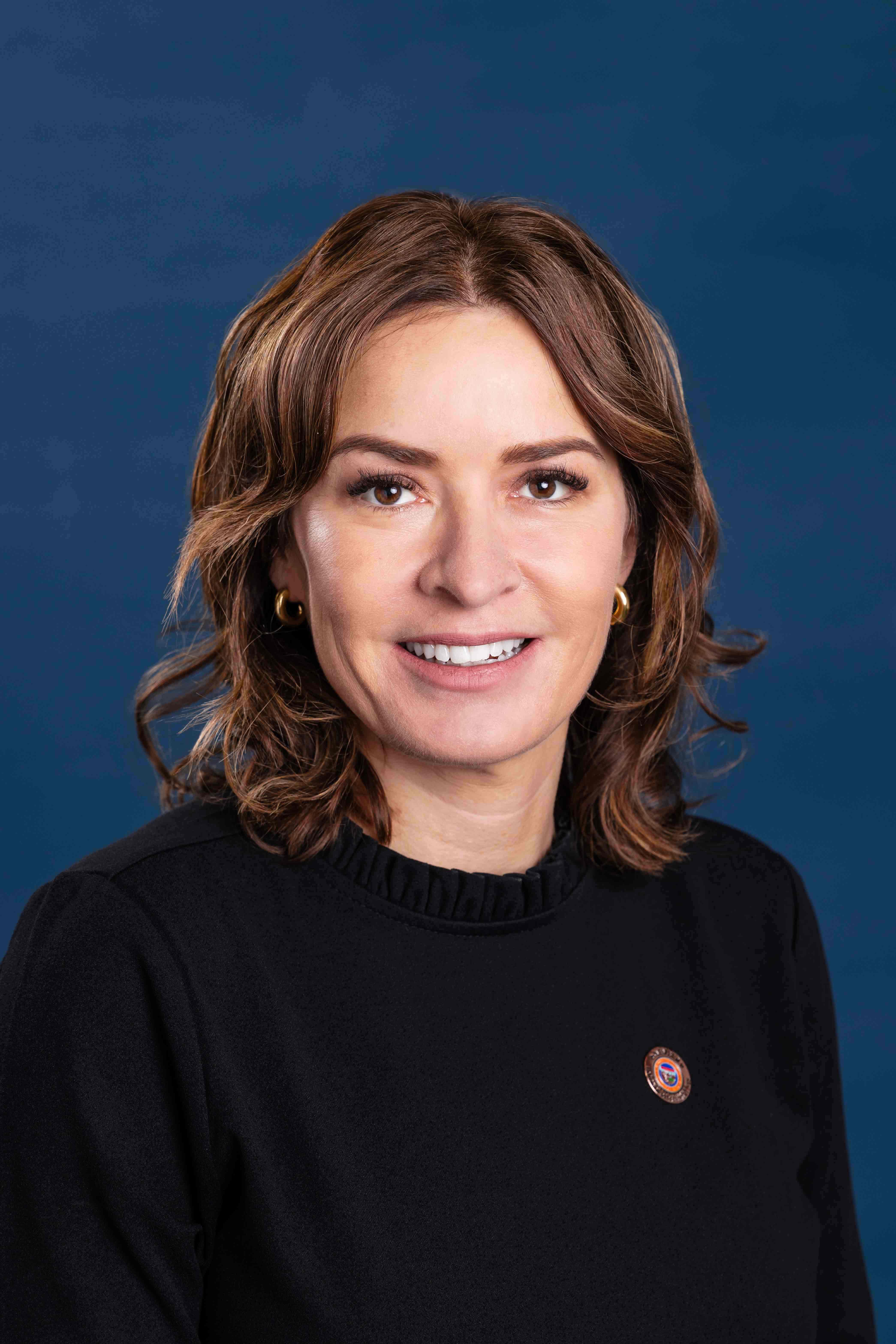
Rep. Stephanie Simacek
Sponsored bills
Maddy summaryHB 2633 establishes the Arizona Commission on Latino Affairs to address the needs of Arizona's Latino community. The commission consists of nine voting members (seven appointed Latino residents and two non-Latino residents) appointed by the governor, plus non-voting advisors with expertise in education, health, civil rights, social services, and small business. Its key duties include advising the governor on policies affecting Latinos, assisting state agencies with Latino-focused programs, and hosting an annual Latino Legislative Day. The bill also creates a dedicated fund to support the commission's operations, with annual reporting requirements to the governor and legislature.
Maddy summaryHB 2561 appropriates $7 million from Arizona's general fund for fiscal year 2026-2027 to provide housing assistance to Arizonans aged 60 or older. The funds will be distributed by the Department of Economic Security to local area agencies on aging established under the federal Older Americans Act. This bill creates a dedicated funding stream for housing help (like rent or utility assistance) for seniors, intended to continue annually in future budgets. The appropriation is exempt from standard rules requiring annual re-approval, ensuring the funds remain available without needing yearly legislative action.
Maddy summaryHB 2526 repeals Arizona Revised Statutes Section 36-2160, which previously regulated the mailing of abortion medication. This change removes a specific legal restriction on sending abortion pills by mail within Arizona. The bill directly affects individuals seeking medication abortion services by eliminating this mailing restriction under state law. (3 sentences)
Maddy summaryThis bill amends Arizona tax law to clarify when and to whom confidential taxpayer information can be disclosed. It directly affects taxpayers, tax officials, and various state and federal agencies that handle tax data. The key provision expands the list of authorized recipients to include specific corporate officers, partners, and members of business entities, while also detailing conditions under which information may be shared with other government bodies for tax administration purposes. The legislation maintains existing protections for taxpayer privacy while providing clearer guidelines for legitimate information sharing between agencies.
Maddy summaryHB 2222 amends Arizona law (ARS § 36-337) to allow individuals born in Arizona to update their sex designation on birth certificates without providing medical or surgical documentation. It requires only a notarized form certifying the updated sex designation (male, female, undesignated, or other) and a written request from the individual or their guardian if a minor. This change directly affects transgender, intersex, and non-binary Arizonans seeking to align their birth certificates with their gender identity. The bill removes the prior requirement for physician verification of sex change operations or chromosomal testing, streamlining the process while maintaining other existing procedures for birth certificate amendments.
Maddy summaryThis bill requires Arizona counties with tribal lands to consult tribal representatives before making specific changes to voting locations. County election officials must seek tribal input before combining precincts, establishing voting centers, or setting up emergency voting locations. The law mandates this consultation for any decision affecting polling places in tribal areas, ensuring tribal communities are involved in election planning. It applies only to counties containing tribal lands, not statewide election rules.
Maddy summaryHB 2219 establishes a 75-foot buffer zone around polling places and ballot receptacles where electioneering - such as campaigning, displaying political materials, or attempting to influence voters - is prohibited. The bill requires clear signage at each polling location and mandates that voters leave the zone after casting ballots, while allowing election officials, appointed political party representatives, and authorized challengers to remain within it. It bans photography/videography in the zone and classifies violations (like interfering with voters or trying to sway votes) as class 2 misdemeanors. This law directly affects voters, election workers, political party representatives, and anyone near polling places during voting hours.
Maddy summaryHB 2217 expands Arizona's anti-discrimination law to explicitly protect against bias in employment, housing, and public accommodations based on gender identity, sexual orientation, race, religion, disability, and other protected classes. It prohibits businesses from denying services or facilities in public spaces (like restaurants, hotels, or retail stores) based on these characteristics and requires new or fully renovated public restrooms to be designated gender-neutral. The bill updates definitions to clarify terms like "gender identity and gender expression" and specifies that reasonable accommodations aren't required for certain disability-related scenarios. This law applies directly to all businesses operating in public accommodations across Arizona.
Maddy summaryHB 2347 protects individuals who assist others during drug-related overdoses from criminal prosecution for drug possession or use. It requires people at overdose scenes to provide reasonable assistance (like calling 911) without endangering themselves, and shields both the helper and the overdose victim from charges related to the drug offense if medical help was sought. The law explicitly states that seeking medical assistance may be considered a mitigating factor in other criminal cases, while still allowing evidence collection and arrests for unrelated crimes. It defines "reasonable assistance" as contacting emergency services and "medical assistance" as care from licensed professionals.