

Maddy summaryHB 2465 modifies Arizona's licensing requirements for professionals like certified public accountants by changing documentation rules. It prohibits state agencies from requiring applicants to provide citizenship or alien status documentation when applying for a license. Instead, agencies must accept a federal tax identification number in place of a Social Security number for licensing applications. This applies to all state agencies, departments, or boards issuing business or service licenses, directly affecting individuals seeking professional licenses in Arizona. The bill does not alter educational or experience requirements for licensure, only the documentation process.
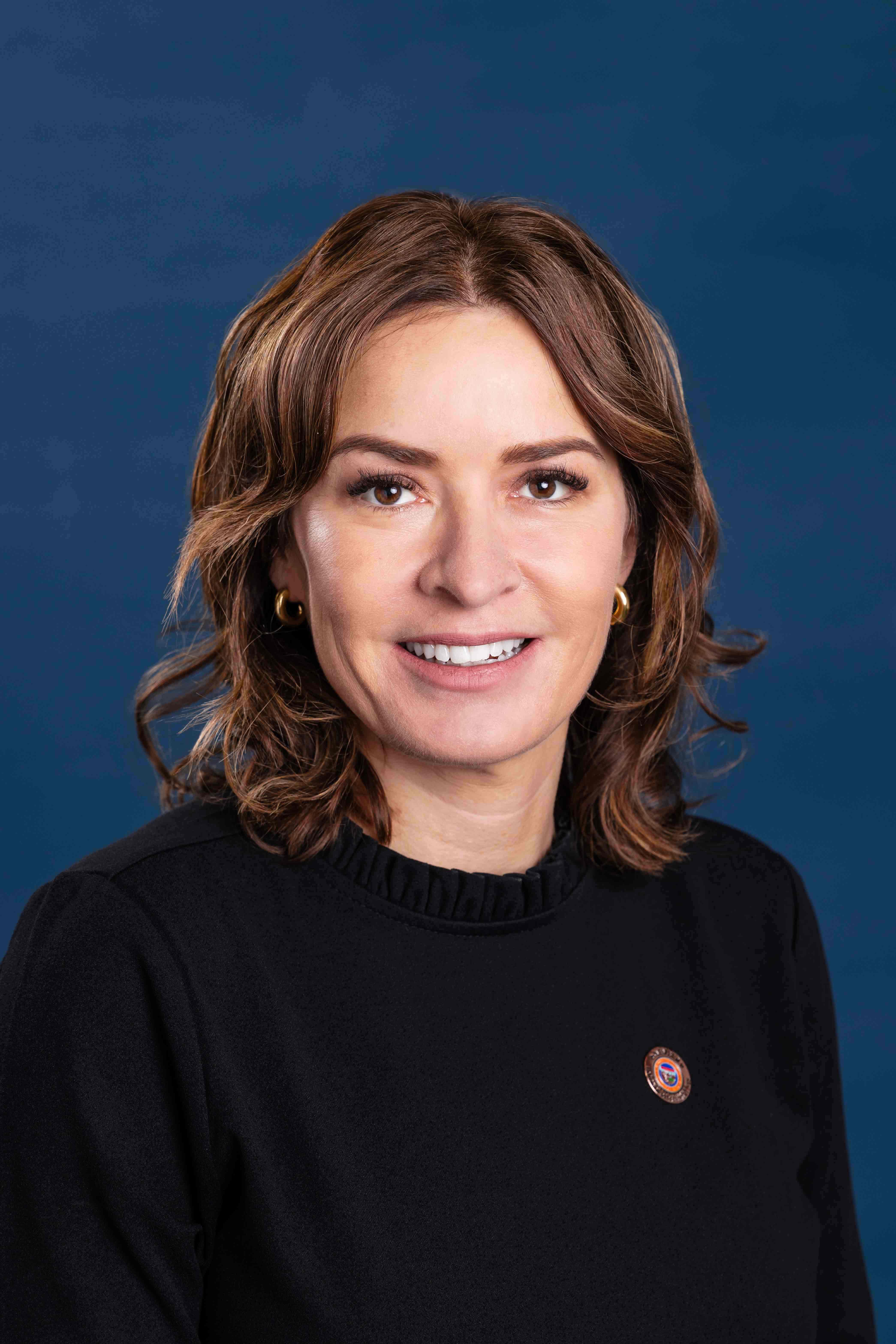
Rep. Stephanie Simacek
Sponsored bills
Maddy summaryHB 2390 requires court approval for contracts involving unemancipated minors (under 18) working in artistic or creative roles like acting, music, or online content creation. It mandates that 15% of a minor’s gross earnings be placed into a trust account managed by a parent or guardian (unless the court appoints another trustee), with employers depositing these funds within 15 business days. The bill also requires employers to provide documentation to financial institutions and establishes annual accounting requirements for the trust. This applies to all minors in the entertainment industry who enter contracts for artistic services, directly affecting minors, their parents/guardians, and their employers.
Maddy summaryHB 2639 creates a new "luxury item classification" for Arizona's business tax system, imposing a 6.5% tax rate on businesses selling qualifying luxury items. This directly affects retailers and sellers of high-end goods classified as "luxury items" under the law. The bill specifies that 50% of tax revenues collected from this new classification will be distributed to designated state funds as outlined in Section 42-5029. The law does not define "luxury items" but establishes a distinct tax rate and revenue distribution mechanism separate from existing business classifications like retail or restaurants.
Maddy summaryHB 2564 modifies Arizona's public access rules for health professional disciplinary records on regulatory board websites. It requires that disciplinary actions and final non-punitive decisions remain visible for exactly five years, while dismissed complaints (where no action was taken) cannot appear online. The bill also mandates that boards display a notice directing the public to request additional records, such as dismissed complaints or advisory letters, directly from the board. This affects health profession regulatory boards and the public seeking transparency about licensed professionals' records.
Maddy summaryHB 2699 prohibits Arizona state and local government agencies from requiring contractors on public works projects to pay prevailing wages or enter specific labor agreements. It specifically blocks requirements for project labor agreements, neutrality agreements with unions, and participation in federally registered apprenticeship programs as conditions for public construction contracts. The law applies to contracts involving public building construction, repair, or improvement, affecting both contractors and government agencies awarding such projects. It does not impact private contracts or activities protected under federal labor law.
Maddy summaryHB 2471 adds two new state holidays in Arizona: March 31 for "Cesar Chavez Day" and April 1 for "Dolores Huerta Day." The bill amends Arizona Revised Statutes § 1-301 to include these dates in the official list of state holidays, affecting state employees and institutions that observe designated holidays. It also repeals Section 1-308 of the statutes. This is a procedural change to the state's holiday calendar with no substantive policy impact beyond naming these observances.
Maddy summaryHB 2650 creates a state-funded rainwater harvesting grant program in Arizona to support water conservation. It allows eligible homeowners, non-profits, or organizations focused on water conservation to apply for two types of grants: Level 1 for simple passive systems (reimbursing up to $500 for materials/labor), and Level 2 for complex active systems (reimbursing up to $2,000 based on tank size). The program excludes costs like pumps, irrigation systems, unlicensed labor, and landscaping materials. Funding for the program is appropriated from the state general fund for fiscal year 2026-2027.
Maddy summaryHB 2470 adjusts Arizona legislators' daily subsistence payments during legislative sessions. It replaces a fixed $35 rate for Maricopa County residents with a new system where all legislators receive 100% of the federal per diem rate (including lodging) for non-Maricopa residents, and Maricopa residents get $35 for the first 120 session days. After 120 days, Maricopa residents receive $10 daily, while non-Maricopa residents get 50% of the annual federal rate. The annual rate is set by the Department of Administration using U.S. General Services Administration data, and legislators may opt out of these payments.
Maddy summaryHB 2741 designates the third Tuesday in January each year as Arizona's "National Day of Racial Healing" for public observation. The bill specifies this day is not a legal holiday, meaning state offices and schools would remain open. It aims to encourage community reflection and dialogue on racial healing through state-level recognition, without imposing new legal requirements or funding. This is a symbolic, non-binding designation focused on raising awareness.
Maddy summaryHB 2651 establishes a voluntary "Blue Envelope Program" for drivers diagnosed with autism spectrum disorder in Arizona. Participants receive a standardized blue envelope (available in English and Spanish) containing their vehicle registration, insurance details, and communication tips for law enforcement during traffic stops. The program ensures confidentiality by prohibiting disclosure of participants' identities and requires collaboration between the state, University of Arizona, and community stakeholders to design the envelope's contents based on expert guidance. This directly affects individuals with autism spectrum disorder who drive, aiming to improve communication during police interactions.