

Maddy summaryHB 2168 amends Arizona law to require local officials' consent before the attorney general can sue over certain public nuisances. It specifically applies to cases involving obscene materials within 2,000 feet of schools, parks, or residential areas, or health-hazardous activities affecting communities. The bill adds a consent requirement from the board of supervisors, county attorney, or city attorney before legal action can be taken. This change affects potential defendants accused of these nuisances and modifies the process for initiating lawsuits, not the definition of the nuisance itself.
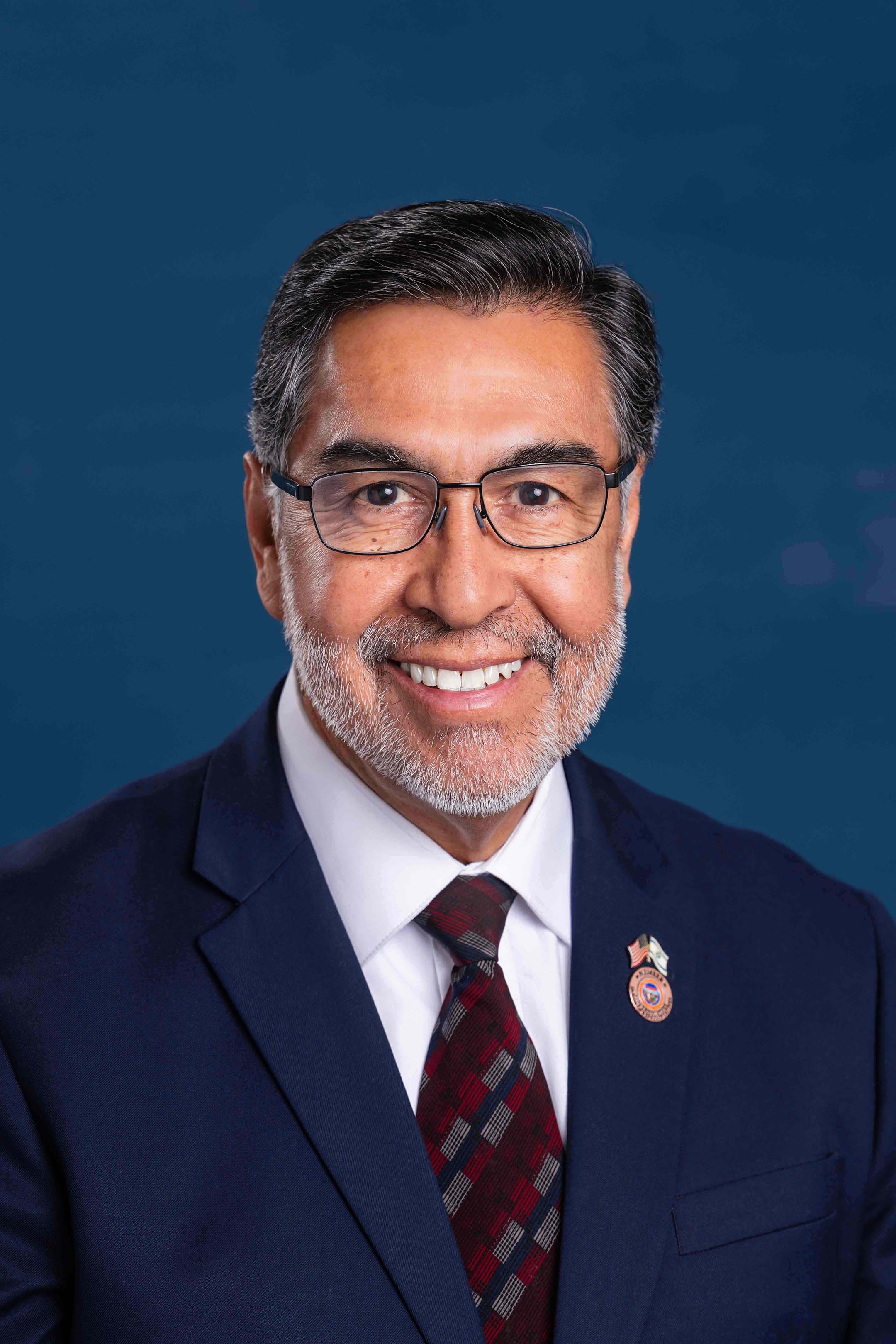
Rep. Lupe Diaz
Sponsored bills
Maddy summaryHB 2666 reclassifies threatening to share explicit images or force sexual acts as a felony. It increases penalties based on the victim’s age: a class 3 felony for adults, class 2 for teens aged 15-17 (requiring consecutive sentences with no probation), and class 2 for children under 15. Offenders cannot receive probation, early release, or sentence suspension for these crimes. The bill defines "sexual extortion" as threatening to damage property, harm reputation, or distribute explicit images of the victim.
Maddy summarySB 1272 appropriates $30.7 million from Arizona's state general fund for fiscal year 2026-2027 to the city of Douglas. This funding is specifically for Arizona's state match toward the Douglas port of entry project, contingent on the General Services Administration (GSA) awarding $678 million for the same project. The bill directly affects the city of Douglas, which will use the state funds to cover its portion of the port's costs. The key provision requires the state funds to be disbursed only if the GSA secures the larger federal award first.
Maddy summaryHB 2156 allocates a specific sum from Arizona's general fund for fiscal year 2026-2027 to the existing livestock compensation fund established under Arizona Revised Statutes § 17-493. This bill provides funding for the program but does not alter eligibility criteria, compensation amounts, or administrative rules for the fund. The appropriation supports the current mechanism for compensating livestock owners for losses, though the exact amount is not specified in the bill text. As a funding measure, it directly affects the operational budget of the livestock compensation fund without creating new policies.
Maddy summaryHB 2165 exempts Arizona veterans from state park admission fees. Veterans must present their military ID to receive the exemption, which covers the veteran and up to three additional people in per-person fee systems or all passengers in the same vehicle for per-vehicle fees. The bill directly affects eligible veterans visiting Arizona state parks. This change modifies existing fee policies under Section 8 of Arizona Revised Statutes § 41-511.05 without altering other park operations or fee structures.
Maddy summarySB 1273 appropriates $14 million from Arizona's state general fund for fiscal year 2026-2027 to the Arizona Department of Transportation (ADOT). The funds are specifically for pavement rehabilitation work on Olga Frontage Road between Bowie and San Simon. This bill directly affects ADOT's infrastructure maintenance budget and the communities along that road segment. It is a straightforward funding measure with no additional policy provisions beyond the allocation.
Maddy summaryHB 2966 amends Arizona's probation statute to require a minimum $65 monthly fee for most probationers, with exceptions for those unable to pay. The fee funds adult probation services, collected by courts and deposited into a county probation fund. Crucially, the bill prohibits courts from ending probation early for individuals convicted of "dangerous crimes against children" (as defined in AZ Rev. Stat. § 13-705). It applies broadly to all probationers but includes a specific restriction for those convicted of severe child-related offenses. The changes clarify fee collection procedures and reinforce that early probation termination is not permitted for these cases.
Maddy summaryHB 2352 appropriates $2,385,900 from Arizona's state general fund for fiscal year 2028-2029 to the state auditor general specifically for reviewing county treasurer financial procedures. This funding directly supports the auditor general's office in conducting required oversight of how county treasurers manage public funds. The bill establishes this as ongoing annual funding for future fiscal years beyond 2028-2029. It does not create new requirements but provides dedicated resources for existing procedural review responsibilities.
Maddy summaryHB 2993 amends Arizona law to clarify when state agencies can hire their own legal counsel. Typically, agencies must use the Attorney General's office for legal representation, but exceptions allow them to hire outside lawyers if the Attorney General is disqualified (e.g., due to a conflict of interest) or in specific cases like pesticide complaints involving the Department of Agriculture. The bill also requires agencies with their own legal divisions (funded by non-general revenue) to reimburse the state general fund for legal services provided by the Attorney General. This affects all state agencies, including the Department of Public Safety (DPS), by defining their legal representation options and reimbursement obligations.
Maddy summaryHB 2318 establishes term limits for school district governing board members in Arizona. It prohibits candidates from running for re-election if they've served eight consecutive years on the board and less than four years have passed since their last term, specifically affecting those seeking office in districts with 250+ students. The bill modifies election procedures, including staggered terms when districts change board size and handling tied votes by lot. It does not change current board members' terms, allowing them to serve until their existing terms expire. This is a procedural change focused on election rules, not funding or curriculum.