

Maddy summaryHB 2358 prohibits defendants from claiming "justification" for violence based on a victim's sexual orientation, gender identity, or gender expression, including situations where the victim made an unwanted romantic advance or the parties were dating. It specifically removes these factors from the legal definition of "adequate provocation" in Arizona law. The bill directly affects criminal cases where defendants might otherwise argue such discoveries as a reason for violent acts. This is a policy change clarifying that LGBTQ+ identity cannot be used to excuse violence in court.
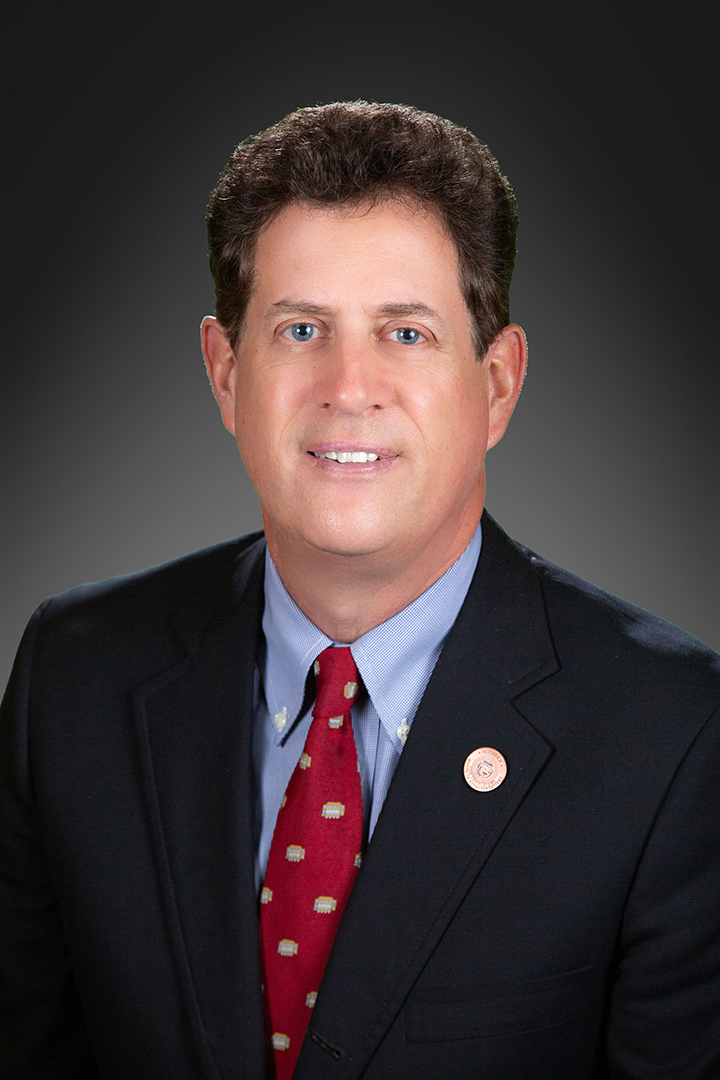
Rep. Chris Mathis
Sponsored bills
Maddy summaryHB 2211 amends Arizona law to clarify that juvenile courts have exclusive jurisdiction over cases involving "severe threat orders of protection" when the person being ordered (respondent) is under 18 years old. This means minors accused of threatening others would be handled entirely within juvenile court, not adult court, for these specific protection order cases. The bill specifies that juvenile courts must manage these proceedings from start to finish, including any related hearings or dispositions. It does not create new protection orders but defines which court handles them for minors, ensuring cases involving youth threats follow juvenile justice procedures rather than adult criminal processes.
Maddy summaryHB 2214 makes it a crime for adults to fail to secure firearms from minors by not taking reasonable steps to prevent minors from accessing them. The bill directly affects parents, guardians, or household members who store firearms where minors could access them without proper safety measures. Key provisions require adults to take "reasonable measures" (like using gun locks or storing firearms separately) to prevent minors from accessing weapons, with penalties for violations. This amendment adds a specific offense to Arizona's weapon laws, targeting a common safety concern without altering other existing firearm regulations.
Maddy summaryHB 2508 establishes a temporary 15-member study committee to examine how to train retail and lodging business employees to identify and respond to human trafficking victims in both urban and rural Arizona. The committee includes legislative members, state officials, chamber of commerce representatives, academics, healthcare providers, social workers, and law enforcement with trafficking experience. It must evaluate training methods and submit recommendations to state leaders by June 30, 2027. The committee expires December 31, 2027, and does not enact new laws - only studies potential future policies for businesses.
Maddy summaryHB 2507 updates how Arizona calculates annual spending limits for local governments like cities, towns, and counties. It revises the formula to adjust these limits each year based on population growth (using July 1 estimates) and inflation (via GDP price deflator changes), replacing the previous method. The bill requires the state commission to calculate and report these adjusted limits to local governing boards by specific deadlines each year. This directly affects all political subdivisions subject to Arizona's constitutional expenditure limits, ensuring their spending caps reflect current population and economic conditions. The change focuses on procedural accuracy in limit calculations, not new spending policies.
Maddy summaryHB 2485 amends Arizona building permit and land division laws to prevent counties from restricting utility provider choices for applicants. It requires counties to treat all utility providers equally in permit fees and prohibits denying permits based on the chosen utility service. The bill also adds new disclosure requirements for single-family home building permits, including identifying property ownership interests and, for subdivisions, requiring approved public reports if the owner has six or more properties on a parent parcel. These changes directly affect homebuilders, developers, and counties managing land divisions and permits.
Maddy summaryHB 2253 sets water efficiency standards for plumbing fixtures in Arizona, affecting builders, contractors, and property owners installing new or replacing fixtures in residential and commercial buildings. It requires all new residential plumbing fixtures (like faucets, showers, toilets, and urinals) to use no more than 3 gallons per minute for faucets/showerheads and 1.6 gallons per flush for toilets, while commercial fixtures must meet stricter limits (e.g., automatic shut-off for faucets). The bill mandates that fixtures must either be Watersense-labeled or meet pre-2027 water efficiency criteria, and it specifically requires water-free urinals in new state buildings. These standards take effect January 1, 2027, aiming to reduce water consumption in both residential and public infrastructure.
Maddy summaryHB 2349 sets a 60-month (5-year) limit on cash assistance for most Arizona families receiving Temporary Assistance for Needy Families (TANF) benefits. It directly affects families where the head of household or spouse has received TANF cash aid for 60 months total, regardless of whether months were consecutive or funded from other states or tribal programs. Key exceptions include child-only cases, families living on Indian reservations with high unemployment, and situations where benefits were below the full monthly amount. Families meeting work and school attendance requirements (90% for children) may qualify for an additional 12 months under hardship provisions. The law applies retroactively from June 30, 2025, and terminates TANF eligibility for those exceeding the limit as of July 1, 2025.
Maddy summaryHB 2532 (correctly titled "privacy protections" for property records, not election officers) allows eligible individuals to restrict public access to their personal information in county property records. It affects public officials, law enforcement personnel, and others facing safety threats by enabling them to file court affidavits proving danger, leading to 5-year restrictions on their address and identifying details in property indexes. Key mechanisms include a court review process to verify safety risks and a streamlined filing system for qualifying applicants (e.g., peace officers submitting through their agencies). The bill does not alter election procedures but creates a formal privacy pathway for high-risk professions and individuals with active safety concerns.
Maddy summaryHB 2534 updates Arizona's election rules for ballot delivery and handling. It requires election officials to provide clear instructions stating only voters or specific close contacts (family, household members, or caregivers) may handle or return ballots, explicitly prohibiting others from doing so under felony penalties. The bill revises mail ballot return procedures, adding 2026-specific options for returning ballots (via county office, polling place, or with ID) while maintaining the 7:00 p.m. election day deadline and warnings against ballot compensation. These changes aim to prevent unauthorized ballot collection and ensure proper handling, aligning with existing felony penalties for ballot abuse under Section 16-1005.