

Maddy summaryHB 2510 creates a program to fund curbside composting in Arizona cities by establishing a dedicated "municipal composting program fund." This fund will receive money from fees on imported hazardous waste (waste classified as hazardous where generated but not in Arizona) and use it to award grants to eligible municipalities for composting programs. The bill requires the state to adopt rules setting eligibility for grants and managing the waste fees. It also establishes new rules for handling imported hazardous waste, including its transportation, treatment, storage, and disposal.
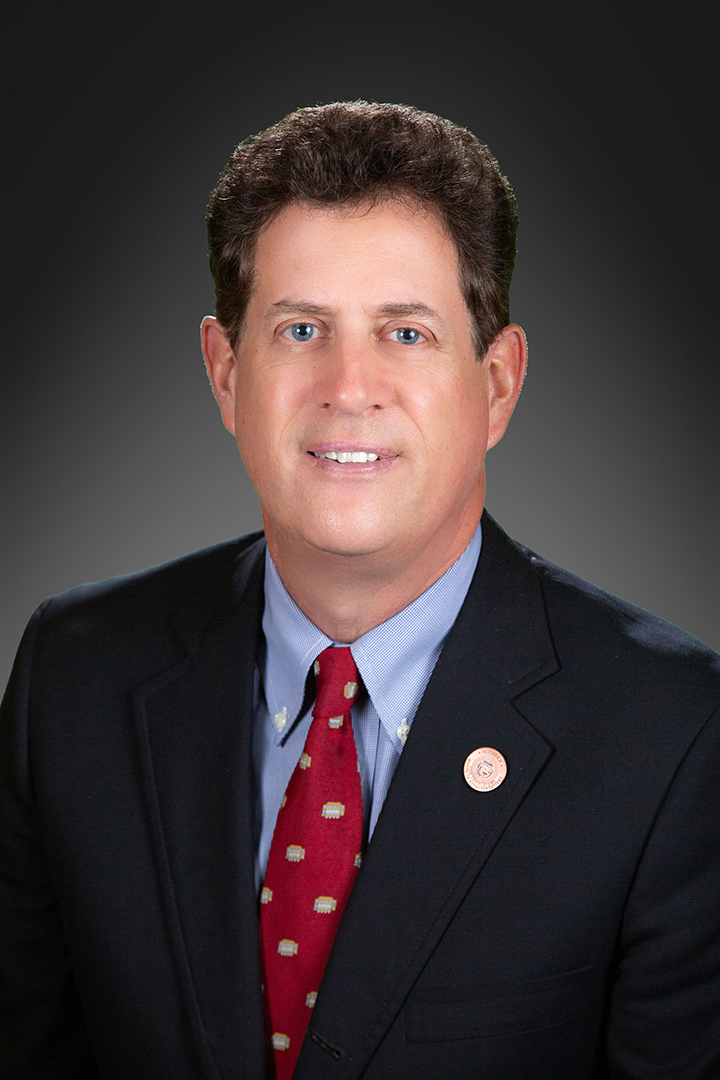
Rep. Chris Mathis
Sponsored bills
Maddy summaryHB 2777 repeals Section 15-911 of Arizona law and amends Section 15-1285 to exempt school districts and career technical education districts from budgetary, expenditure, and revenue control limits when using certain state funds. This means these districts can spend funds received under specific programs without being constrained by the usual spending caps that apply to other local revenues. The bill also modifies how county expenditure limits are calculated, including annual adjustments based on GDP changes for construction projects and justice of the peace compensation. The primary effect is to provide greater flexibility for school districts in managing state-funded programs.
Maddy summaryThis bill repeals two Arizona law sections (ARS 9-500.36 and 11-269.14) that previously required specific energy-related reporting. It removes these reporting obligations from state law without creating new requirements. The bill directly affects entities that would have been subject to those reporting rules. As a procedural repeal, it makes no new policy changes but eliminates existing administrative requirements.
Maddy summaryHB 2249 amends Arizona's water quality laws to update the state's regulatory framework for discharges into protected waters. It requires the director to adopt rules creating a permit program for point-source discharges into "WOTUS" (Waters of the United States) that aligns with federal Clean Water Act standards, while establishing specific exemptions for agricultural activities (like farming, ranching, and irrigation maintenance), recharge projects, and existing water infrastructure. The bill also mandates rules for nonpoint source pollution control, aquifer protection permits, and reclaimed water reuse, with fees collected for permits deposited into a dedicated water quality fund. These changes directly affect businesses, farms, and water management entities that discharge pollutants into Arizona's waters.
Maddy summaryHB 2714 requires counties to verify adequate water supply before approving new subdivisions in rural groundwater areas. Developers must provide either a state water adequacy report or a written commitment from a city/town water provider designated as having sufficient supply. An exception allows water transport by vehicle/train if counties confirm no alternative water exists and transportation meets safety rules, with strict documentation requirements. This applies to areas outside existing "active management areas" and affects developers, counties, and water providers in rural Arizona. Counties must note water supply status directly on subdivision plats.
Maddy summaryHB 2745 establishes legal rights for individuals seeking fertility treatments in Arizona, defining key terms like "fertility treatment" (including IVF, embryo storage, and genetic testing) and "health care provider." It guarantees individuals the right to access these treatments without unreasonable restrictions, retain control over their reproductive materials, and continue ongoing care per written agreements. Health care providers gain explicit rights to perform or counsel on fertility treatments within their scope, while insurers retain the right to cover such services. The bill also exempts the Department of Health Services and health boards from standard rulemaking requirements for one year to implement these provisions, as outlined in Section 36-1305.01.
Maddy summaryHB 2757 restricts unjustified price increases for "essential off-patent or generic drugs" in Arizona, directly affecting drug manufacturers and distributors. It prohibits "price gouging" (defined as excessive increases not tied to production costs or public health needs) and requires the state medical assistance program to notify the Attorney General about significant price hikes (e.g., 50%+ within a year or costs exceeding $80 for a standard supply). The Attorney General can then demand cost explanations from manufacturers and pursue enforcement actions, including court orders, refunds, or civil penalties up to $10,000 per violation. The law targets drugs with limited competition where price jumps leave patients with no affordable alternatives, focusing on protecting Medicaid patients and consumers.
Maddy summaryHB 2486 creates Arizona's Office of Resiliency within the governor's office to address climate change impacts. The governor will appoint a director who must develop a state resiliency plan and advise on water, energy, transportation, and infrastructure policies. The office requires all state agencies to identify climate risks to water resources, energy systems, transportation networks, and natural lands. This bill directly affects state agencies by mandating regular risk assessments and plan updates, while focusing on protecting Arizona's natural resources and economic systems from climate threats. The measure is currently in early legislative stages (House first/second readings).
Maddy summaryHB 2734 requires Arizona's state department to partner with healthcare providers (like OB/GYNs) and community health centers to educate women about perimenopause and menopause. The department must create accessible informational materials covering symptoms, treatments, biological processes, and communication strategies for family/friends. These materials will be distributed to women identified by their healthcare providers as experiencing or approaching these transitions. The bill directly affects women in Arizona navigating perimenopause or menopause by providing structured, medically informed resources.
Maddy summaryHB 2761 requires health professionals in Arizona to clearly state their exact license title and type in all advertisements for their services, including business cards, websites, and phone solicitations. This applies to any promotion intended to attract patients or clients, such as brochures, social media, or radio ads, but excludes network provider materials created by regulated entities. Violating this rule is classified as unprofessional conduct, subjecting the professional to disciplinary action by their licensing board, and may also trigger investigation by the attorney general if it violates other laws. The bill directly affects all licensed health professionals who advertise services, ensuring transparency about their qualifications.