

Maddy summaryHB 2593 allocates $1.5 million from Arizona's state general fund for the University of Arizona to operate perinatal and pediatric psychiatry access lines during fiscal year 2026-2027. This funding directly supports the University of Arizona's program providing mental health support for pregnant individuals, new mothers, and children. The bill establishes a dedicated funding stream to cover direct operational costs of these specialized access lines. The appropriation is exempt from standard budget lapse rules, ensuring the funds remain available for the intended purpose.
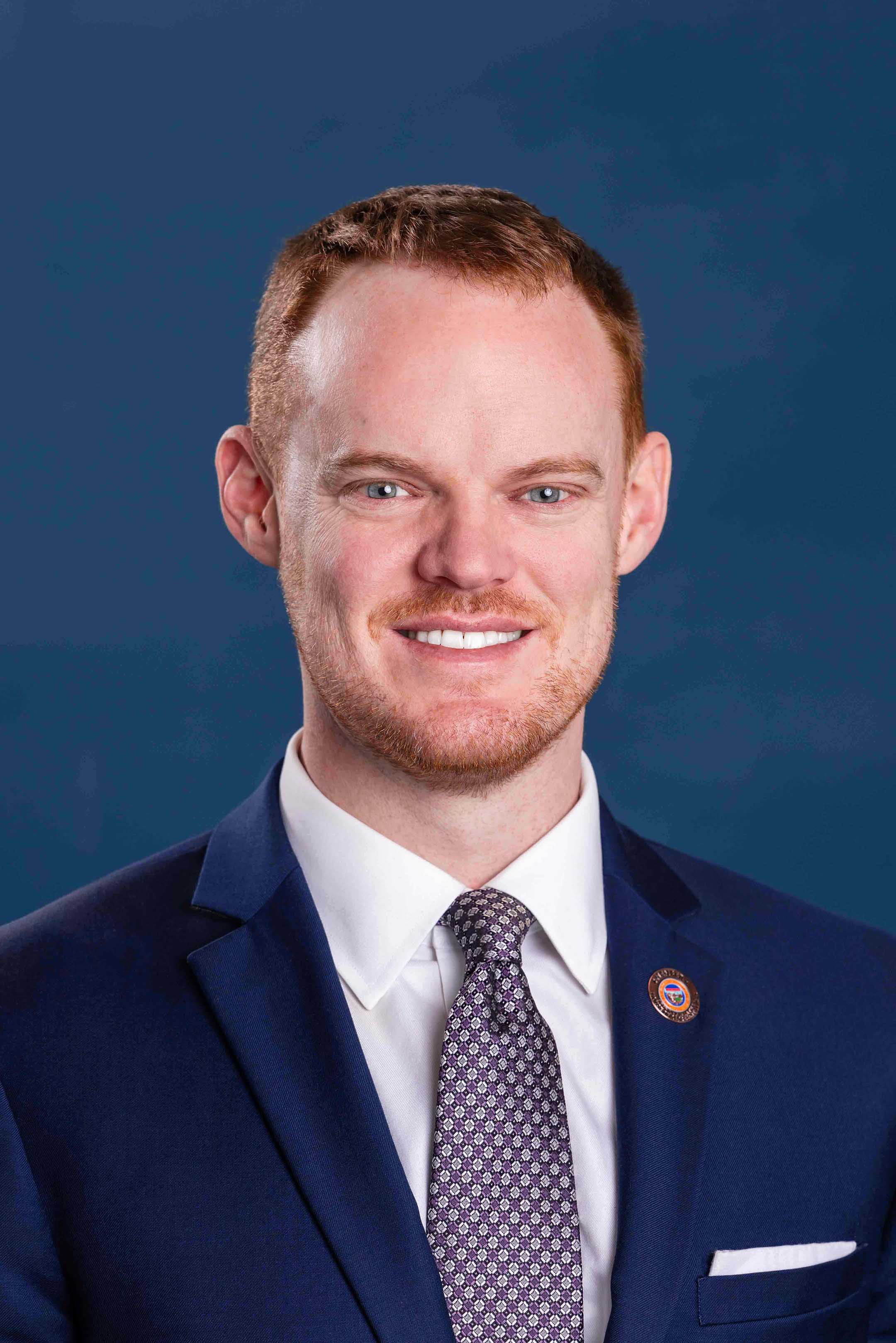
Rep. Kevin Volk
Sponsored bills
Maddy summaryHR 2006 is a ceremonial resolution passed by the Arizona House of Representatives honoring Yvonne Glee Lime Fedderson, who died on January 23, 2026. The resolution expresses the House's sympathy to her family and admirers while recognizing her founding role in Childhelp and her decades of work advancing child welfare programs, including establishing the first national child abuse hotline and advocacy centers. It directs the Secretary of State to transmit copies of the resolution to her family and Childhelp organization. As a non-binding commemorative measure, it does not create new laws or affect any policies.
Maddy summaryHCM 2014 is a memorial resolution from Arizona's legislature requesting Congress maintain existing national monuments in Arizona. It highlights 19 monuments (including Grand Canyon-Parashant, Chiricahua, and Ironwood Forest) and emphasizes their role in supporting local economies through tourism, recreation, and multi-use management like hunting and grazing. The resolution cites economic data showing these lands drive billions in annual outdoor recreation spending and job creation while preserving cultural sites and water resources. It does not propose new legislation but asks Congress to continue protecting these designated areas.
Maddy summaryHB 4123 establishes Arizona's "Homeless Persons' Bill of Rights," guaranteeing homeless individuals equal access to public spaces, services, employment, medical care, voting, and privacy protections without discrimination based on housing status. It explicitly prohibits charging homeless people with public sleeping or sitting offenses when no shelter space is available, amending criminal law to remove such liability under those conditions. The bill directly affects homeless residents in Arizona by legally protecting their right to use public areas, receive services, and maintain privacy through confidentiality safeguards. Key provisions include banning discrimination in voting documentation, requiring shelter confidentiality, and ensuring reasonable privacy for personal property.
Maddy summaryHB 4119 designates April 30 as "Arizona Jazz Day" to recognize jazz music's cultural significance in Arizona and American heritage. The bill encourages residents to promote music education, celebrate jazz's role in creativity and unity, and participate in statewide jazz events and festivals. It explicitly states Arizona Jazz Day is not a legal holiday, making it a symbolic observance with no legal or financial requirements. This ceremonial bill does not impose new regulations or affect specific groups, focusing solely on cultural recognition.
Maddy summaryHB 2675 requires Arizona constables to obtain certification from the Arizona Peace Officer Standards and Training (AZPOST) board to exercise peace officer authority, directly affecting all elected and appointed constables. The bill establishes the Constable Ethics Standards and Training Board to enforce conduct rules, mandate annual training (including 16 hours yearly plus initial basic training), and handle ethics complaints. It prohibits constables from owning private process-serving businesses or acting as private process servers outside official duties. These provisions aim to standardize constable training, oversight, and conduct while aligning their authority with state peace officer standards.
Maddy summaryHB 4126 establishes Arizona's state-run retirement savings program, targeting private-sector employees without access to employer-sponsored retirement plans (excluding government workers, railroad employees, and those in existing tax-qualified plans). The bill creates an Arizona Retirement Savings Board to manage the program, allowing workers to contribute to individual retirement accounts (IRAs) through automatic payroll deductions. Key provisions include requiring the Board to develop investment policies, partner with private administrators, and ensure federal tax compliance for the program. The title references "appropriation" as future funding would be authorized separately, but the bill itself only sets up the program framework.
Maddy summaryHB 4135 creates a new child care tax credit for Arizona taxpayers with children under five who use certified child care providers. The credit provides $2,000 per child for families with federal adjusted gross income of $75,000 or less, and $1,000 for incomes between $75,000 and $150,000 annually. A total of $15 million in credits is available each year on a first-come, first-served basis, with excess credits paid as refunds. The credit applies to tax returns filed for 2026 and later, supporting working families seeking quality early childhood care.
Maddy summaryHB 4072 requires tattoo artists and body piercing professionals in Arizona to register with the state board. The bill defines "tattoo artist" as someone who practices tattooing (placing ink under the skin) and "piercing professional" as someone who practices body piercing (making permanent skin holes). It establishes fees for registration, including a $100 initial application fee and a $100 renewal fee every two years. This requirement applies to anyone providing these services for compensation in Arizona.
Maddy summaryHB 4120 requires Arizona's Department of Education to create a system for verifying high school graduation status, directly affecting individuals needing proof of graduation (e.g., for college, jobs, or licenses). The bill mandates the department to develop policies compliant with privacy laws (FERPA), allow fees for verification services after 100 free annual requests, and annually report request volumes, verification rates, costs, and revenues to state leaders. Key provisions include limiting free verifications to 100 per year, establishing fee collection, and requiring transparency through annual reports starting in 2027. It does not change graduation requirements but creates a formal verification process. The bill is currently in early legislative stages (House First Reading).