

Maddy summaryHCR 2042 proposes to repeal a constitutional provision (Article IX, Section 21) that set annual spending limits for Arizona school districts and community college districts. This repeal would remove the requirement for these districts to adjust their budgets based on student population changes and cost-of-living factors. The bill directly affects all public school districts and community colleges in Arizona by eliminating these specific expenditure constraints. It does not create new rules but removes an existing constitutional requirement governing district budgeting.
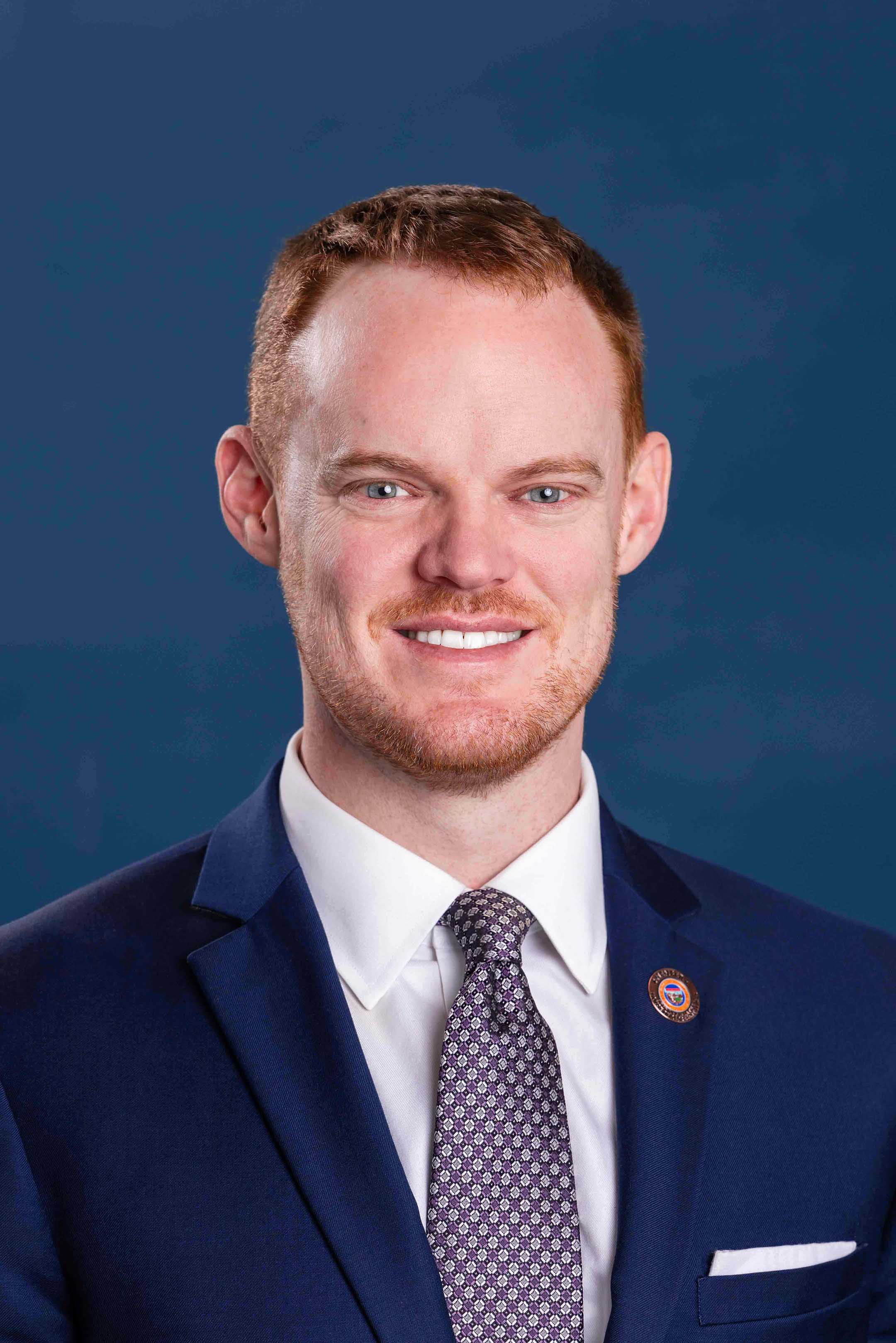
Rep. Kevin Volk
Sponsored bills
Maddy summaryHB 2676 allows individuals adjudicated delinquent as juveniles in Arizona to petition a court for restored firearm rights after meeting specific conditions. It directly affects people who were minors when convicted of certain offenses but not adults. The bill establishes two waiting periods: 25 years for those convicted of serious offenses like burglary or arson, or a two-year wait for other felonies after completing probation or court-ordered conditions. The process requires a court application with no filing fee, served to the county attorney, and is handled by juvenile court judges. This changes the legal pathway for juvenile offenders to regain firearm rights under defined circumstances.
Maddy summaryThis bill continues Arizona's Civil Rights Advisory Board until July 1, 2034, allowing it to keep handling discrimination complaints and conducting investigations as required by state law. The board's current duties - such as reviewing alleged discrimination cases - will persist until its termination date. The bill sets a clear end date for the board's operation (July 1, 2034) and makes these changes effective retroactively from July 1, 2026. It does not create new powers but extends the existing board's timeline.
Maddy summaryHB 2673 requires Arizona county sheriffs and state correctional facilities to address mental health needs of incarcerated individuals. It mandates that prisoners showing symptoms of mental illness receive a licensed physician examination within 24 hours, ensures continuity of prescribed medications and treatments upon jail entry, and requires screening for prior mental illness diagnoses. For state facilities, it creates a process where prisoners displaying severe mental health symptoms may be transferred to specialized treatment facilities after a court hearing with appointed legal representation. The bill also requires quarterly condition reports from treatment facilities to correctional authorities and courts. This applies directly to prisoners in county jails (for misdemeanor cases) and state correctional facilities.
Maddy summaryThis resolution expresses the Arizona Legislature's sincere regret and deepest condolences regarding the death of former Senate Majority Leader Alfredo Gutierrez. It formally acknowledges his life of public service, highlighting his advocacy for civil rights, education, and immigrant communities, as well as his significant legislative achievements such as establishing the Arizona Department of Transportation and expanding Medicaid. The bill does not enact new laws or policies but serves as a commemorative gesture to honor his legacy and offer support to his surviving family members.
Maddy summaryHCR 2059 is a symbolic resolution expressing legislative support for Arizona county sheriffs. It does not create new laws or alter legal authority; instead, it reaffirms the Legislature's backing of sheriffs as constitutional law enforcement officers and encourages public appreciation for their service. The resolution highlights sheriffs' roles in addressing issues like drug trafficking and human trafficking, while recognizing their authority derived directly from voters. As a concurrent resolution (HCR), it has no binding legal effect and solely serves to publicly acknowledge sheriffs' duties.
Maddy summaryHB 4109 requires Arizona school districts to adopt specific public safety policies. These policies must clearly outline safety procedures, designate the superintendent as the responsible official, and mandate immediate notification to parents, staff, and law enforcement about life-threatening violence or weapons incidents on school property. School superintendents must confiscate weapons used in such incidents and notify police, while prohibiting retaliation against anyone reporting violations. Failure to comply results in felony charges (class 6 or 4, depending on injury) for superintendents or school board members. The bill directly affects school districts, their leadership, and the safety protocols for students and staff.
Maddy summaryHB 2671 changes Arizona's rules for prosecuting juveniles (ages 14-17) as adults, specifically targeting those with prior felony convictions. It requires prosecutors to file notice if a juvenile is a "chronic felony offender" (defined as having two prior felony convictions classified as serious offenses), triggering a court hearing to confirm this status. If confirmed, the juvenile faces adult criminal sentencing; if not, the case transfers to juvenile court. This directly affects juveniles with prior felony convictions who commit new serious offenses, shifting jurisdiction from juvenile to criminal court. The bill creates a clear process for determining chronic offender status before trial.
Maddy summaryHB 2681 amends Arizona's civil service dismissal procedures to clarify appeal rights for classified state employees. It requires written notice of dismissal/suspension with specific reasons, allows a 10-day appeal window to the commission, and mandates a hearing within 20 days. The bill specifies public hearings unless closed for cause, permits changing hearing officers due to prejudice, and states commission decisions are final. It applies to dismissals/suspensions but excludes budget-related furloughs.
Maddy summaryThis is a ceremonial resolution (HCR 2064) expressing the Arizona Legislature's condolences upon the passing of former state legislator Barbara Leff. It honors her 1996-2006 service representing Paradise Valley, her work on HMO reform and economic development, and her contributions to voter information systems. The resolution extends sympathy to her surviving family members (husband, children, grandchildren) and acknowledges her community leadership. It has no policy impact or legislative effect beyond this expression of respect.