

Maddy summaryHB 2924 amends Arizona's sales tax code (Section 42-5061) to update existing exemptions from the state's retail sales tax. It specifically clarifies exemptions for medical items like insulin, prosthetics, and durable medical equipment prescribed by licensed health professionals, as well as food, nonprofit sales, and certain educational materials. The bill does not create a new "fire apparatus" exemption as implied in its title - this appears to be a mislabeling, as the actual text revises other exemption categories. The changes directly affect businesses selling these exempt items, such as pharmacies, hospitals, schools, and nonprofits, by removing tax liability on qualifying transactions. The policy update focuses on refining existing tax law, not introducing new provisions.
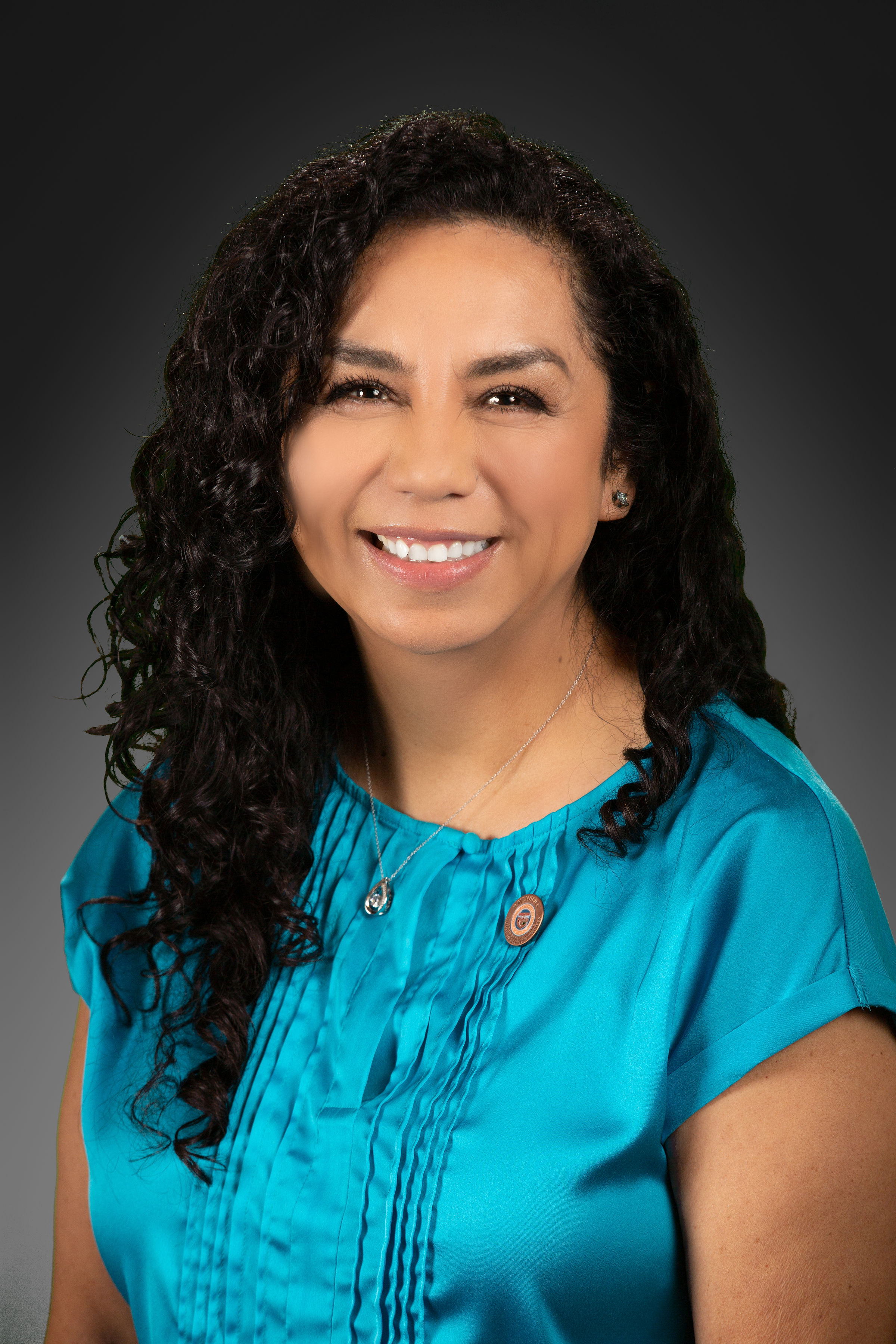
Rep. Teresa Martinez
Sponsored bills
Maddy summaryHB 2942 allocates $12 million from Arizona’s general fund and $36 million in Medicaid funds annually for fiscal years 2026-2031 to increase reimbursement rates for rehabilitation group homes serving individuals with intellectual and developmental disabilities. The bill directly affects licensed group homes that provide care for these individuals, ensuring they receive higher payments under the health care coding system code T2016. Key provisions include mandatory annual funding increases to cover rising operational costs for these facilities. This policy change aims to stabilize funding for critical support services without altering eligibility or care standards.
Maddy summaryHB 2677 amends Arizona law to specifically prohibit preventing someone from entering or exiting a place of worship through physical blocking, detention, or force/threats. This directly affects individuals or entities who obstruct access to religious sites, such as security personnel or others blocking entrances. The bill classifies this act as a class 6 felony (unless the victim is safely released before arrest, making it a misdemeanor), adding it as a specific scenario under unlawful imprisonment. It defines "place of worship" per existing law and clarifies that this provision applies to the specific act of hindering religious access.
Maddy summaryHB 2555 requires Arizona retail businesses with physical locations to accept cash for transactions of $100 or less without charging fees or penalties. It directly affects in-person retail stores (excluding online sales) by mandating cash acceptance and creating a legal remedy: customers denied cash payments or charged fees can sue for $1,000 per violation (capped at $5,000 per person), plus attorney fees. The law exempts businesses with pre-agreed written payment terms and online transactions. Damages adjust annually for inflation, but the bill does not apply to digital services or agreements specifying payment methods.
Maddy summaryHB 2701 requires Arizona's legislative council to display the official flags of all 22 federally recognized tribes in Wesley Bolin Plaza. This bill directly affects the state government (specifically the legislative council) and the tribes whose flags are displayed. It mandates a new, specific location for tribal flag display as part of public space management, without altering funding or other provisions in the existing monument law. The bill focuses on a procedural requirement for flag placement, not broader policy changes.
Maddy summaryHB 2840 requires Arizona public schools and charter schools to provide annual nutrition education for all students from kindergarten through 12th grade. This includes teaching practical healthy eating habits, scientific evidence on diet/exercise, disease prevention, and meal planning skills, with a focus on nutrient-dense foods and the impacts of ultraprocessed foods. The bill also mandates 30 minutes of daily physical activity for all students, allowing options like physical education classes, scheduled breaks, or active classroom time, while permitting medical exemptions. These requirements directly affect all Arizona K-12 schools and their students, aiming to integrate health education into daily school routines.
Maddy summaryHB 2366 limits Arizona election precincts to a maximum of 2,500 registered voters and prohibits the use of voting centers (where voters can choose any location in the county) for regular elections, requiring each precinct to have a designated polling place. County election boards must now establish precincts within the voter limit and cannot replace designated polling places with centralized voting centers. Emergency voting centers are permitted only with a specific, recorded vote by the board for a single election, under strict conditions. This bill affects county election boards and changes how polling locations are organized for regular elections, taking effect in 2026.
Maddy summaryHB 2826 amends Arizona's tax code to expand tax deductions for prime contractors (construction businesses) by adding specific exemptions to their taxable income calculation. It directly affects contractors working on projects like environmental cleanup, groundwater monitoring devices (required under water law), and manufacturing facilities for environmental technology. Key provisions include deducting 65% of gross income for qualifying work, such as hazardous substance remediation, installation of irrigation-related groundwater devices, and construction of qualified environmental manufacturing facilities. The bill also creates a new deduction for machinery/equipment work with "independent functional utility," excluding real property modifications.
Maddy summaryHB 2556 creates "law enforcement support special plates" for Arizona vehicle owners. To obtain these plates, individuals must pay a one-time $32,000 fee to the state department (not an annual fee), which funds the program. The $25 annual special plate fee includes a $17 contribution to a dedicated law enforcement support fund, with the remaining $8 covering administrative costs. This affects only owners who choose to purchase these specific plates, not all drivers. The plates must be designed by the payer (with state approval) and may be combined with personalized plate requests.
Maddy summaryHB 2365 establishes clear procedures for handling newborns left at designated safe haven locations (such as hospitals, churches, or fire stations). It requires immediate hospital examinations, directs private adoption agencies to take custody within 24 hours if able, and mandates the state department to contact the next agency on a rotating list if needed - ensuring custody is secured within 48 hours. The bill directly affects newborns left at safe havens, adoption agencies, hospitals, and the Department of Child Safety. It also requires agencies to cover medical costs if the infant is ineligible for state health programs.