

Maddy summaryHB 2824 allows Arizona cities, towns, and counties to establish a financing program for property owners to fund energy efficiency and structural improvements on qualifying commercial, industrial, agricultural, or multi-family residential properties (with five or more units). The bill creates a legal framework for local governments to partner with private lenders to provide long-term financing for "critical capital expenditure improvements" (like energy upgrades with 10+ year lifespans) through a special assessment program. Property owners repay the financing via annual property taxes, not through direct loans, and the program cannot be used for residential properties with four or fewer units. This enables local governments to support property upgrades that improve energy efficiency and building functionality without direct public funding.
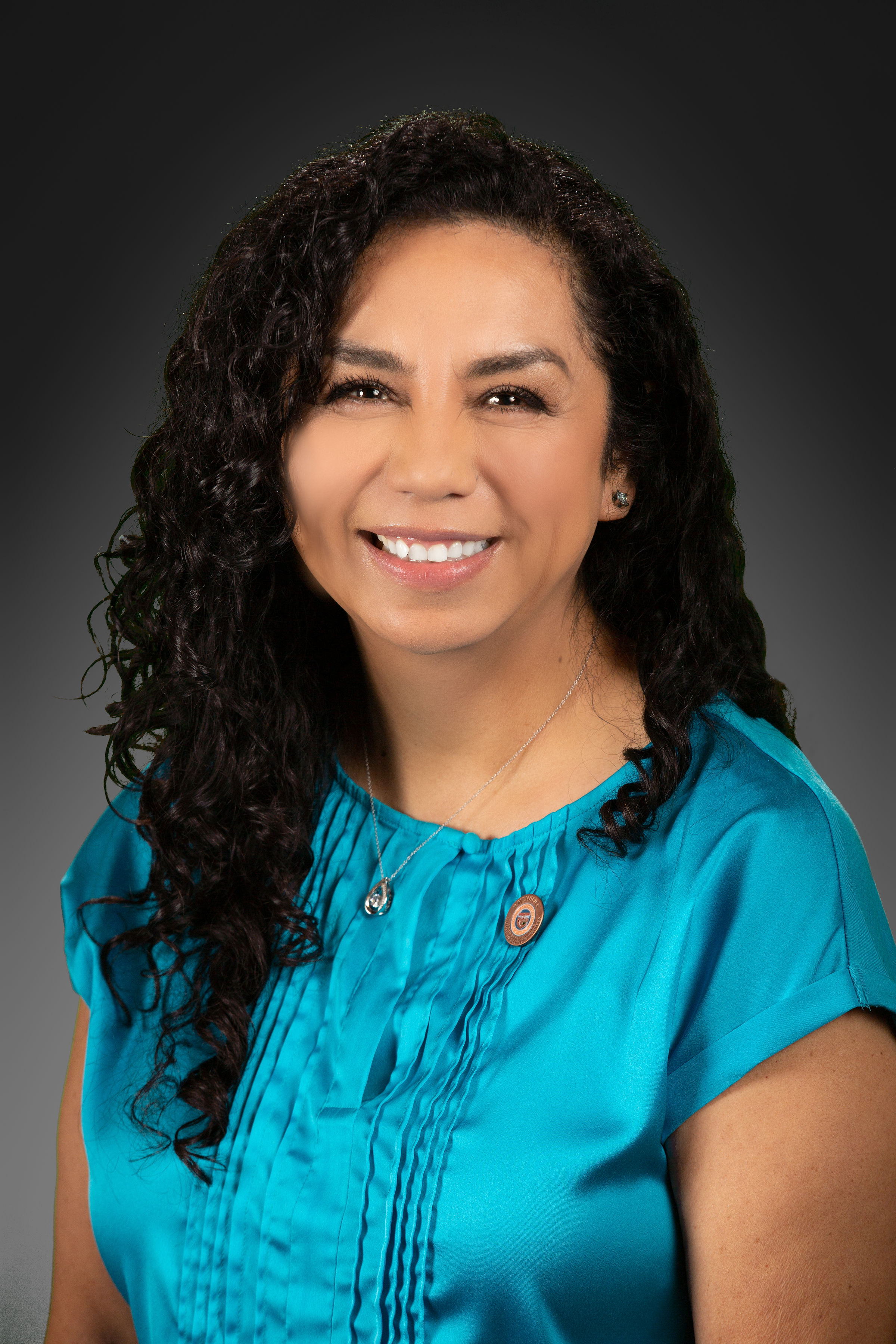
Rep. Teresa Martinez
Sponsored bills
Maddy summaryThis Arizona bill seeks a federal waiver to prohibit SNAP benefits from being used for fast food purchases while allowing their use for vitamins. If approved, SNAP recipients in Arizona would no longer be able to buy fast food with their benefits but could purchase vitamins using the program. The state would need to annually request this waiver until approved. The bill is currently in early legislative review stages (prefiled, first reading) and does not change existing SNAP rules until federal approval is granted.
Maddy summaryHB 2448 prohibits Arizona's Department of Economic Security from seeking, accepting, or renewing federal waivers that would exempt able-bodied adults without dependents from SNAP work requirements unless explicitly authorized by state law. It also blocks the state from granting exemptions from these work requirements without specific legislative approval. The bill directly affects SNAP recipients who might otherwise qualify for work requirement exemptions under federal rules. This is a procedural measure restricting state authority to bypass federal SNAP rules without clear legislative direction.
Maddy summaryArizona's HB 2442 requires able-bodied adults under 60 receiving SNAP benefits to join a state-mandated employment and training program, unless they qualify for specific exemptions. The bill directly affects SNAP recipients who are not exempt, such as those not working 30+ hours weekly, not caring for young children, or not enrolled full-time in school. Key exemptions include being a full-time student, caring for a child under six, participating in addiction treatment, or already working 30+ hours per week. This aligns with federal SNAP work requirements but sets Arizona-specific implementation rules for the program.
Maddy summarySB 1685 establishes the Arizona Commission on Latino Affairs, a body tasked with advising state leadership and supporting Latino communities. The commission includes nine voting members (seven Latino, two non-Latino, appointed by the governor) and eight advisory members with expertise in education, health, civil rights, social services, and small business. Its key duties include advising the governor on policies affecting Latinos, developing recommendations for health, education, and economic programs, and producing an annual report to the legislature. The bill also creates a dedicated fund for the commission’s operations and mandates an annual "Latino Legislative Day" to honor community contributions and discuss issues.
Maddy summaryHB 2554 amends Arizona's budget process by requiring the governor to submit a two-year budget plan (biennial budget) with separate annual breakdowns, instead of a single-year plan. It mandates that state agencies submit detailed financial estimates by September 1 each even-numbered year, including costs from local minimum wage increases exceeding state levels. The bill also establishes a continuous budget planning process, requires a February 15 appropriations estimate report, and specifies detailed contents for the governor's budget report (like balance sheets, income/expenditure schedules, and performance measures). This procedural bill affects the governor's office, state agencies, and the legislature by standardizing budget submission and reporting requirements for the next two fiscal years.
Maddy summaryHB 2958 expands dental coverage under Arizona's Medicaid program (AHCCCS) to include comprehensive dental care for pregnant women aged 21 and older, including extractions, without the annual $1,000 spending limit that applies to non-pregnant adults. This change ensures pregnant women enrolled in AHCCCS can access full dental treatment as part of prenatal care, removing prior financial restrictions. The bill directly affects pregnant women in the Medicaid program by adding this specific benefit to existing coverage. It does not alter dental coverage for non-pregnant adults or other program provisions.
Maddy summaryHB 2108 reclassifies fleeing or attempting to elude a police vehicle as a felony in Arizona, with penalties increasing based on specific circumstances. Drivers face a class 5 felony for fleeing when police are properly marked or if the driver knew it was police; a class 4 felony if their driving recklessly endangers others during flight; and a class 2 felony if they cause serious injury, transport a minor under 15, or have prior DUI convictions (sections 28-1381/28-1382). The bill directly affects drivers who flee law enforcement, with harsher penalties triggered by reckless behavior, injury to others, or vulnerable passengers. It does not create new offenses but clarifies and escalates penalties for existing unlawful flight conduct.
Maddy summaryHB 2679 creates a presumption that certain heart-related, perivascular, or pulmonary injuries, illnesses, or deaths in firefighters are work-related occupational diseases if they occur within 24 hours of a known incident during duty. To qualify, firefighters must have passed pre-employment physicals (without pre-existing conditions), followed NFPA 1582 medical standards, and been exposed to a specific event. Employers can only rebut this presumption with clear evidence of a pre-existing non-work condition that independently caused the issue, excluding factors like age, family history, or lifestyle. The bill explicitly states that tobacco use outside work duties cannot be used to challenge the presumption.
Maddy summaryHB 2961 creates "returning warrior" special license plates for Arizona vehicle owners who pay a $32,000 one-time fee to design the plate. The department issues these plates after receiving the fee, with the plate design subject to department approval. Annual fees include a $17 donation to the "returning warrior special plate fund" (established by this bill), while $8 covers administration. This affects veterans or others who choose this plate option, directing funds to the specified fund rather than general state revenue.