

Maddy summaryHB 2554 amends Arizona's budget process by requiring the governor to submit a two-year budget plan (biennial budget) with separate annual breakdowns, instead of a single-year plan. It mandates that state agencies submit detailed financial estimates by September 1 each even-numbered year, including costs from local minimum wage increases exceeding state levels. The bill also establishes a continuous budget planning process, requires a February 15 appropriations estimate report, and specifies detailed contents for the governor's budget report (like balance sheets, income/expenditure schedules, and performance measures). This procedural bill affects the governor's office, state agencies, and the legislature by standardizing budget submission and reporting requirements for the next two fiscal years.
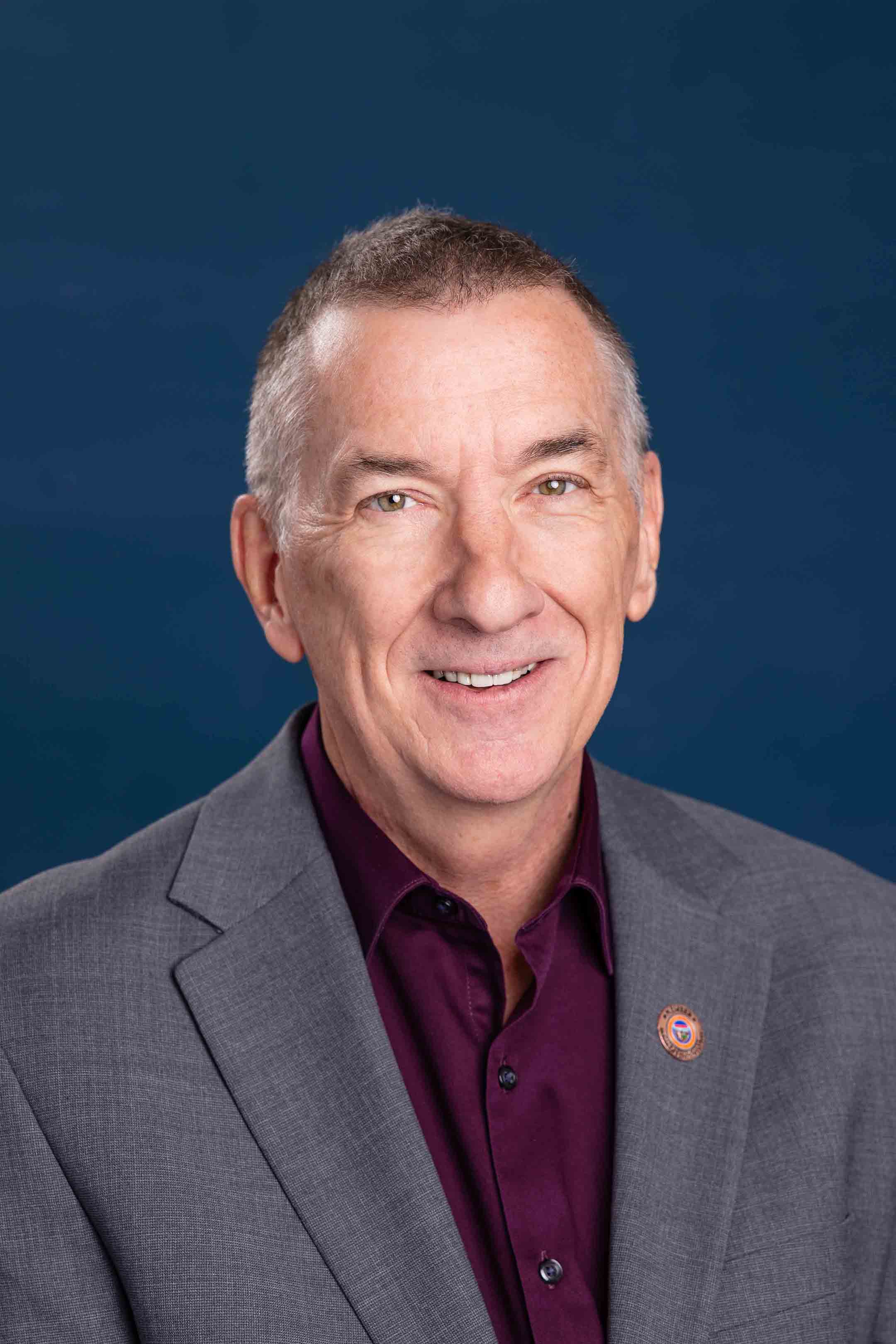
Rep. Laurin Hendrix
Sponsored bills
Maddy summaryThis bill clarifies licensing and safety requirements for elevator systems in Arizona. It defines key terms like "elevator contractor" (a licensed business employing certified mechanics) and "elevator mechanic" (a state-certified worker), and requires building owners/operators to ensure all elevator systems are inspected and maintained by these licensed professionals. The bill amends existing statutes to specify that inspections must occur before initial operation, after modifications, and annually, with work limited to certified contractors or mechanics. It directly affects building owners, elevator contractors, and mechanics who install, service, or maintain elevators, escalators, and similar systems in non-mining facilities.
Maddy summaryHB 2921 requires Arizona public school districts to provide daily physical education for all K-12 students, with at least 60% of that time spent in moderate activity. The bill mandates instruction including team activities (like dance), career pathways in health/fitness, and skills for lifelong physical activity. Exceptions allow excusal for students on school sports teams (with minimum weekly activity), medical reasons, chronic health conditions, IEP team decisions, or parental requests. It also prohibits outdoor activities during extreme weather, directly affecting all public school students and their districts' physical education programs.
Maddy summaryHB 2909 creates a formal dispute resolution process for conflicts between condo/planned community owners and their associations in Arizona. It requires owners or associations to file a written petition with the Department of Real Estate (including a fee capped at superior court levels) to address alleged violations of governing documents or statutes. The process includes administrative hearings, allows non-lawyer corporate representatives under specific conditions, and permits civil penalties up to $500 per violation. The bill directly affects condo/planned community owners and associations, establishing a streamlined system to resolve disputes without court involvement. Funds collected from fees and penalties are deposited into a dedicated hearing office fund.
Maddy summaryHB 2911 removes a specific law (Arizona Revised Statutes Section 32-1156.01) that previously governed the registrar of contractors' restitution process. This bill directly affects contractors and the state's regulatory system by eliminating that particular statutory provision. The bill is purely procedural, with no new requirements or mechanisms - its sole action is repealing the existing section of law. It does not create new rules or change how contractors operate, as it only removes one existing legal requirement. (1 sentence, as it is a procedural repeal bill.)
Maddy summaryHB 2555 requires Arizona retail businesses with physical locations to accept cash for transactions of $100 or less without charging fees or penalties. It directly affects in-person retail stores (excluding online sales) by mandating cash acceptance and creating a legal remedy: customers denied cash payments or charged fees can sue for $1,000 per violation (capped at $5,000 per person), plus attorney fees. The law exempts businesses with pre-agreed written payment terms and online transactions. Damages adjust annually for inflation, but the bill does not apply to digital services or agreements specifying payment methods.
Maddy summaryHB 2829 amends Arizona's Board of Regents (ABOR) authority over university governance, primarily focusing on tuition and fee policies. It establishes a 145-credit-hour threshold for undergraduate tuition classification (excluding specific exemptions like transfer credits), requires public hearings for tuition increases, and mandates annual reporting to the legislature on students exceeding this threshold. The bill also creates separate tuition subaccounts for universities to manage revenue transparently, prohibiting use of tuition funds for alumni associations. These changes directly affect Arizona's public university students, administrators, and the legislature through enhanced transparency in pricing decisions. (Note: The title mentions "civil rights" and "biennial audits," but the provided text does not address these elements.)
Maddy summaryHB 2366 limits Arizona election precincts to a maximum of 2,500 registered voters and prohibits the use of voting centers (where voters can choose any location in the county) for regular elections, requiring each precinct to have a designated polling place. County election boards must now establish precincts within the voter limit and cannot replace designated polling places with centralized voting centers. Emergency voting centers are permitted only with a specific, recorded vote by the board for a single election, under strict conditions. This bill affects county election boards and changes how polling locations are organized for regular elections, taking effect in 2026.
Maddy summaryHB 2556 creates "law enforcement support special plates" for Arizona vehicle owners. To obtain these plates, individuals must pay a one-time $32,000 fee to the state department (not an annual fee), which funds the program. The $25 annual special plate fee includes a $17 contribution to a dedicated law enforcement support fund, with the remaining $8 covering administrative costs. This affects only owners who choose to purchase these specific plates, not all drivers. The plates must be designed by the payer (with state approval) and may be combined with personalized plate requests.
Maddy summaryHB 2316 allows Arizona middle schools (grades 6-8) to offer career technical education (CTE) courses that count toward both 8th-grade promotion and high school graduation. Schools must partner with approved CTE providers like community colleges or state-approved programs, and students must pass courses to earn credit. The bill requires schools to report course offerings and completions annually, with a final report due by 2029, and expires in 2037. It permits CTE districts to fund middle school CTE courses without raising property taxes but prohibits counting middle school students in district enrollment totals.