

Maddy summaryThis bill (HB 2468) updates Arizona's rules for local initiatives and referendums in cities, towns, and counties. It requires city/town clerks or county election officers to mail voter pamphlets to all registered voters at least 10 days before an election, with a $0.01 penalty per household per day for late mailings. The bill also sets a 90-day deadline for filing arguments supporting or opposing local measures and shortens the window to contest election-related actions to five calendar days. These changes directly affect Arizona local governments and voters participating in municipal or county elections.
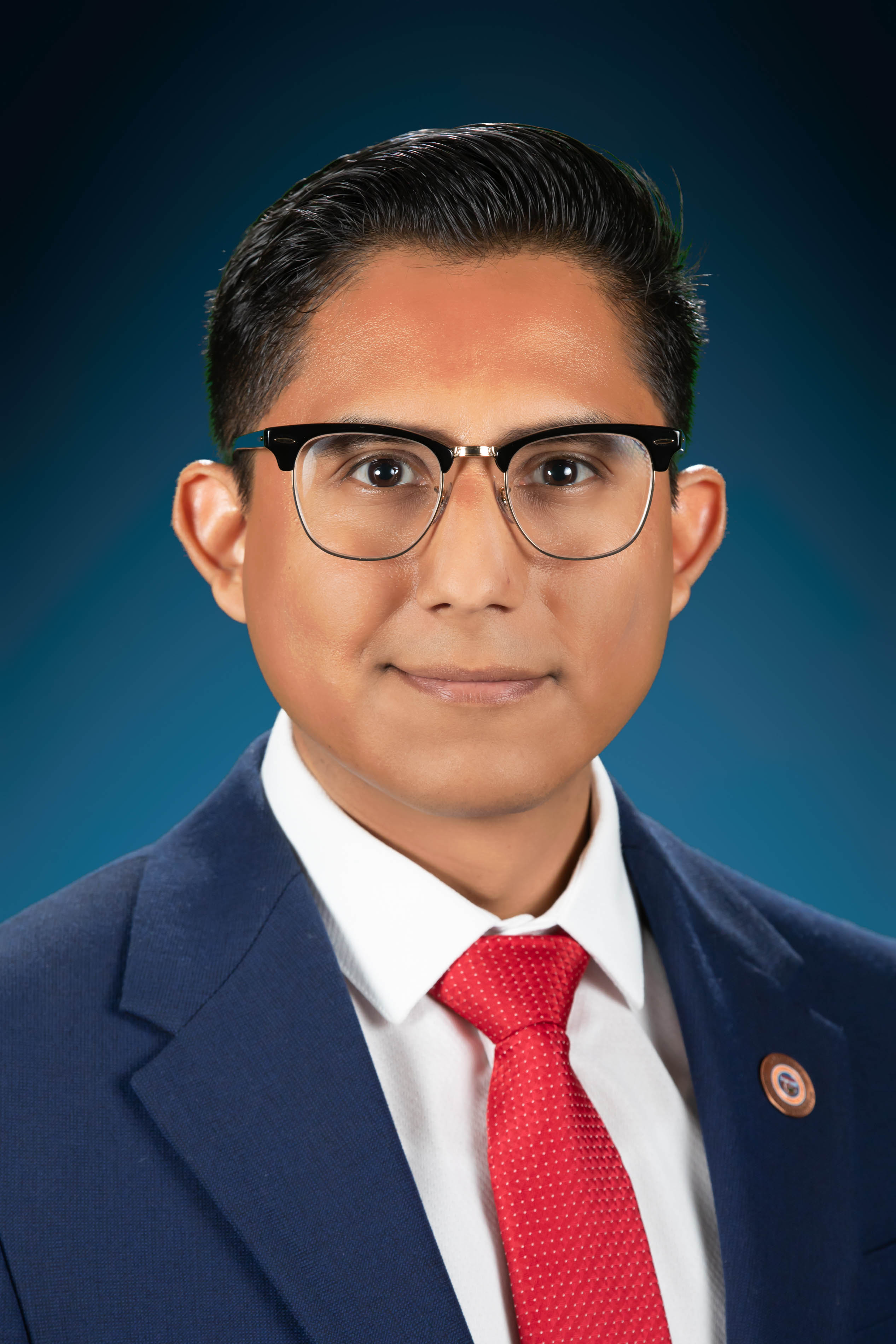
Rep. Oscar De Los Santos
Sponsored bills
Maddy summaryHB 2245 allocates $10 million from Arizona's general fund for fiscal year 2025-2026 to the Department of Health Services to cover the cost of medical marijuana registry identification cards for veterans. It directly affects Arizona veterans of the U.S. armed forces who use medical marijuana under state law, removing their fee burden for these cards. The bill ensures this funding is exempt from standard appropriation lapse rules, guaranteeing the money remains available for card issuance and renewals throughout the fiscal year. This is a funding mechanism, not a policy change to medical marijuana laws.
Maddy summaryHB 2251 creates a new "Arizona BICYCLING" special license plate option for Arizona vehicle owners. To implement this, a person must pay $32,000 to the state department for the plate design and approval, after which they can request the plates. Owners who choose these plates pay a $25 annual fee, with $17 of that amount going directly to a new Arizona BICYCLING special plate fund. The fund, managed by the state, will support bicycling initiatives, while the remaining $8 covers administrative costs. This program is optional and does not change existing plate requirements or fees for standard plates.
Maddy summaryHB 2474 allows Arizona counties to establish voting centers - physical locations where any voter in the county can cast a ballot on election day, regardless of their specific precinct. County boards of supervisors must formally approve these centers through a resolution, ensuring they follow existing identification rules and maintain adequate polling locations. The bill also permits emergency voting centers during elections if approved by the board, and allows counties to create early voting drop-off centers for returning ballots. This directly affects county election officials and voters, streamlining access to polling locations without requiring voters to go to a precinct-specific site.
Maddy summaryHB 2292 requires Arizona health insurers (including hospital service corporations, health care services organizations, and disability insurers) to cover specific cancer-related genetic services starting January 1, 2026. It mandates coverage for genetic counseling, testing, and risk assessment for individuals with a personal or family history of cancer or inherited genetic mutations, based on National Comprehensive Cancer Network guidelines. This includes testing for genes linked to breast, ovarian, prostate, and Lynch syndrome cancers, with no deductibles or cost-sharing required. The bill directly affects Arizona residents with health or disability insurance who qualify for these services due to their cancer risk profile.
Maddy summaryHB 2471 amends Arizona election law to establish procedures for emergency voting centers during elections. County election boards may authorize these centers via recorded vote for specific elections, specifying their hours and locations. Voters at emergency centers can update registration information (as allowed by state instructions) and must present ID, similar to regular polling places. This provision ensures continued voting access if regular polling places become unavailable, without changing standard early voting hours or expanding regular voting options.
Maddy summaryHB 2473 clarifies Arizona's ballot handling rules by restricting who can collect or return ballots. It specifies that only voters, their family members, household members, or caregivers may handle a ballot, making it unlawful for others to do so. The bill updates mail ballot instructions to require voter signatures on envelopes and details specific delivery methods (county office, polling place, or with ID) for ballots to be counted, with strict warnings about felony penalties for violations like offering payment for ballots. These changes directly affect voters, election officials, and anyone involved in ballot collection or return.
Maddy summaryHB 2361 requires Arizona employers at large warehouse distribution centers (with 100+ employees at one site or 500+ across sites) to provide warehouse employees with written, plain-language descriptions of all performance quotas within 30 days of hire. The bill bans quotas that measure time intervals shorter than one day, rank employees against each other, or prevent compliance with meal/bathroom breaks, and mandates that employers include rest/bathroom time in productivity calculations. Employers must also maintain records of work speed data and quota descriptions for three years and disclose the specific quota and data used if taking adverse action for missing a quota. This directly affects warehouse employees in Arizona’s distribution centers who work under performance targets.
Maddy summaryHB 2466 clarifies that candidate committees in Arizona may legally use campaign funds to cover direct caregiving expenses for a candidate’s child or other dependent they personally care for, such as childcare costs. This specifically affects candidates with caregiving responsibilities who use committee funds for these essential needs. The bill amends Arizona’s campaign finance law (ARS § 16-921) to explicitly list caregiver expenses as an exempt expenditure, aligning with existing rules. The legislature states this is a clarifying change, not a substantive policy shift. It does not expand exemptions beyond this specific provision.
Maddy summaryHB 2363 allows Arizona counties to establish voting centers - locations where any voter in the county can cast a ballot on election day after presenting ID - instead of traditional precinct-specific polling places. County boards of supervisors must approve voting centers through a specific resolution, including findings that justify the change, and must coordinate with county recorders. The bill requires counties to maintain a public list of all voting locations and sets rules for emergency voting centers during elections. It directly affects county election administrators and voters by changing how polling places are designated, while maintaining voter ID requirements. The law applies to general, primary, and special elections starting from the 2026 election cycle.