

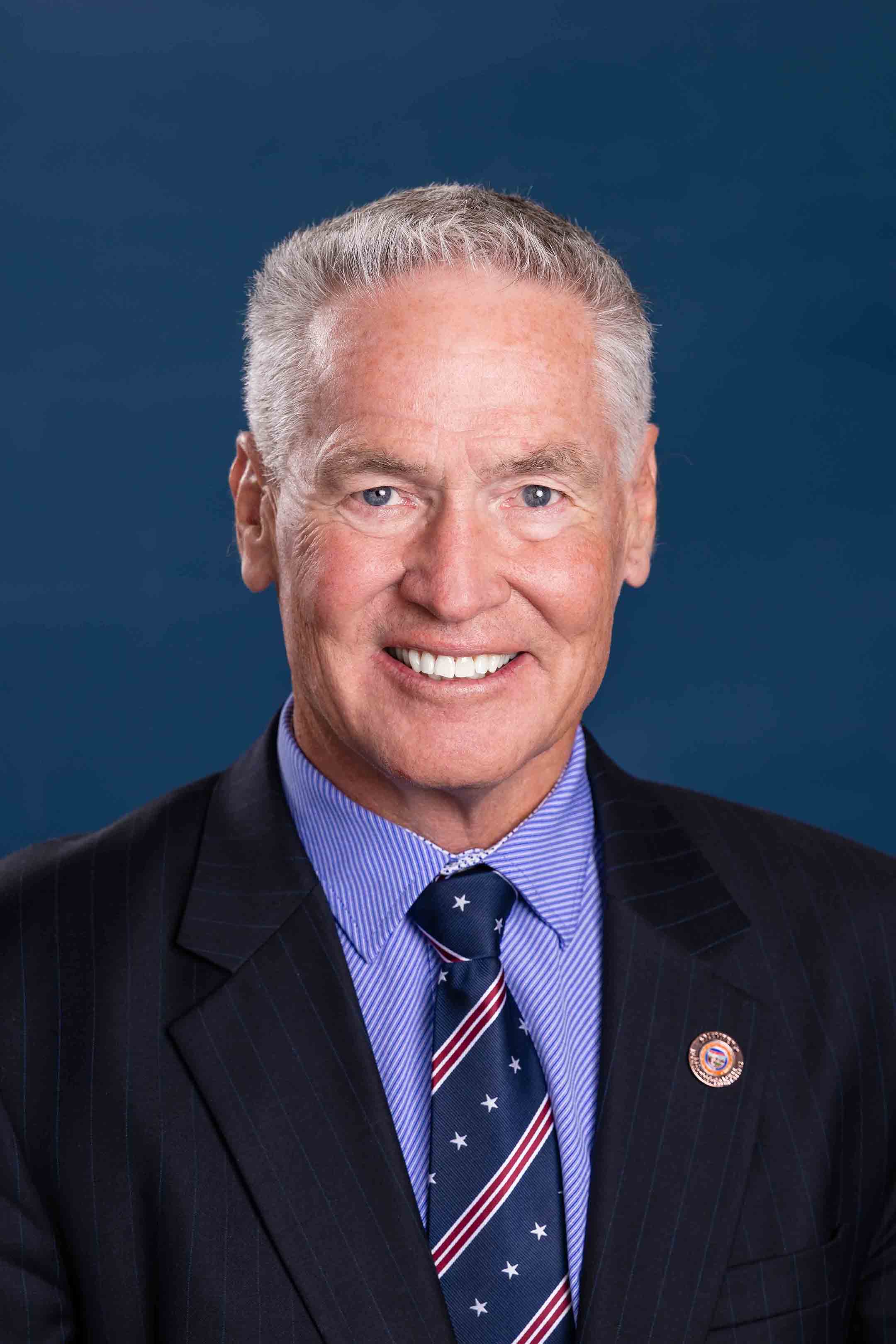
Photo of Ralph Heap
R Arizona House · District 10

Rep. Ralph Heap

Compare
Total votes
1,672
all sessions
Attendance
98%
39 missed
Higher than 87% of chamber peers
With party
84%
of cast votes
Lower than 82% of chamber peers
Bipartisan score
10%
crosses aisle rarely
Higher than 83% of chamber peers
Sponsored
127
bills & resolutions
Near the chamber average
Committees
3
assignments
127 bills and resolutions

Sponsored bills

Total
127
Primary
23
Co-sponsor
104
This page
127
matching current filters
Co-sponsor HB 2921
Introduced · Arizona House · Co-sponsor
physical education instruction; public schools

Maddy summaryHB 2921 requires Arizona public school districts to provide daily physical education for all K-12 students, with at least 60% of that time spent in moderate activity. The bill mandates instruction including team activities (like dance), career pathways in health/fitness, and skills for lifelong physical activity. Exceptions allow excusal for students on school sports teams (with minimum weekly activity), medical reasons, chronic health conditions, IEP team decisions, or parental requests. It also prohibits outdoor activities during extreme weather, directly affecting all public school students and their districts' physical education programs.

Introduced Jan 29, 2026 1 co-sponsor
Co-sponsor HB 2555
Introduced · Arizona House · Co-sponsor
businesses; requirement to accept cash

Maddy summaryHB 2555 requires Arizona retail businesses with physical locations to accept cash for transactions of $100 or less without charging fees or penalties. It directly affects in-person retail stores (excluding online sales) by mandating cash acceptance and creating a legal remedy: customers denied cash payments or charged fees can sue for $1,000 per violation (capped at $5,000 per person), plus attorney fees. The law exempts businesses with pre-agreed written payment terms and online transactions. Damages adjust annually for inflation, but the bill does not apply to digital services or agreements specifying payment methods.

Introduced Jan 27, 2026 1 co-sponsor
Co-sponsor HB 2366
Introduced · Arizona House · Co-sponsor
voting centers ban; precinct size

Maddy summaryHB 2366 limits Arizona election precincts to a maximum of 2,500 registered voters and prohibits the use of voting centers (where voters can choose any location in the county) for regular elections, requiring each precinct to have a designated polling place. County election boards must now establish precincts within the voter limit and cannot replace designated polling places with centralized voting centers. Emergency voting centers are permitted only with a specific, recorded vote by the board for a single election, under strict conditions. This bill affects county election boards and changes how polling locations are organized for regular elections, taking effect in 2026.

Introduced Jan 26, 2026 1 co-sponsor
Co-sponsor HB 2350
Introduced · Arizona House · Co-sponsor
volunteer firefighters; rural districts; exemption

Maddy summaryHB 2350 exempts rural fire districts in Arizona from providing workers' compensation coverage to volunteer firefighters. This bill directly affects rural fire districts and their volunteer firefighters by removing a legal requirement for these districts to cover work-related injuries. The key provision, added to Arizona Revised Statutes, states that rural fire districts are "exempt from providing workers' compensation" to volunteers. The bill is currently in early legislative stages (House First Reading on January 21, 2026).

Introduced Jan 22, 2026 1 co-sponsor
Co-sponsor HB 2349
Introduced · Arizona House · Co-sponsor
employment; rural fire districts; exception

Maddy summaryHB 2349 amends Arizona law to specifically exempt rural fire districts located in counties with fewer than one million residents from certain employment regulations. This change directly affects those fire districts and their workers, removing them from coverage under the state's employment chapter. The key mechanism is adding this exemption to the existing list of excluded employers in Arizona Revised Statutes § 23-902. The bill does not alter independent contractor rules or other provisions referenced in the statute. This is a targeted exception for rural fire districts in smaller counties, not a broad policy change.

Introduced Jan 22, 2026 1 co-sponsor
Primary HB 2334
Introduced · Arizona House · Lead sponsor
food; mRNA prohibition; labeling

Maddy summaryHB 2334 prohibits food products (including livestock, poultry, and produce) sold in Arizona from containing or being "implanted with" messenger ribonucleic acid (mRNA) vaccines, as defined in the bill. It requires food manufacturers and retailers to label products with country of origin, country of alteration, and vaccination/medication details for livestock/poultry. Organic produce labels must also list all sprays/coatings applied, with retailers providing signage for unpackaged items. The law takes effect on December 31, 2026, directly affecting food sellers and producers in Arizona. This bill focuses on labeling requirements and a specific prohibition regarding mRNA in food, though it conflates mRNA technology (typically used in medical vaccines) with food production.

Introduced Jan 22, 2026 0 co-sponsors
Co-sponsor HB 2556
Introduced · Arizona House · Co-sponsor
special plate: law enforcement support

Maddy summaryHB 2556 creates "law enforcement support special plates" for Arizona vehicle owners. To obtain these plates, individuals must pay a one-time $32,000 fee to the state department (not an annual fee), which funds the program. The $25 annual special plate fee includes a $17 contribution to a dedicated law enforcement support fund, with the remaining $8 covering administrative costs. This affects only owners who choose to purchase these specific plates, not all drivers. The plates must be designed by the payer (with state approval) and may be combined with personalized plate requests.

Introduced Jan 21, 2026 1 co-sponsor
Primary HB 2335
Introduced · Arizona House · Lead sponsor
health professionals; patients; vaccination status

Maddy summaryHB 2335 prohibits health professionals in Arizona from refusing medical care to patients based solely on their vaccination status. It directly affects healthcare providers (like doctors and nurses) and patients, making such refusal an act of "unprofessional conduct" under state law. The key provision adds this specific prohibition to Arizona's professional conduct rules, requiring providers to offer care without discrimination related to vaccination. If enacted, this would prevent healthcare access denials tied to whether a patient is vaccinated or not.

Introduced Jan 21, 2026 0 co-sponsors
Co-sponsor HB 2316
Introduced · Arizona House · Co-sponsor
middle school students; CTE courses

Maddy summaryHB 2316 allows Arizona middle schools (grades 6-8) to offer career technical education (CTE) courses that count toward both 8th-grade promotion and high school graduation. Schools must partner with approved CTE providers like community colleges or state-approved programs, and students must pass courses to earn credit. The bill requires schools to report course offerings and completions annually, with a final report due by 2029, and expires in 2037. It permits CTE districts to fund middle school CTE courses without raising property taxes but prohibits counting middle school students in district enrollment totals.

Introduced Jan 21, 2026 1 co-sponsor
Co-sponsor HB 2365
Introduced · Arizona House · Co-sponsor
safe haven; adoption agencies; contact

Maddy summaryHB 2365 establishes clear procedures for handling newborns left at designated safe haven locations (such as hospitals, churches, or fire stations). It requires immediate hospital examinations, directs private adoption agencies to take custody within 24 hours if able, and mandates the state department to contact the next agency on a rotating list if needed - ensuring custody is secured within 48 hours. The bill directly affects newborns left at safe havens, adoption agencies, hospitals, and the Department of Child Safety. It also requires agencies to cover medical costs if the infant is ineligible for state health programs.

Introduced Jan 21, 2026 1 co-sponsor
Showing 51 to 60 of 127 bills
Previous 1 5 6 7 13 Next