Issue · Technology

Technology

Every technology bill, vote, and legislator stance in Arizona, automatically classified by Maddy, our AI policy reader.

Total bills
98
57th Legislature - Second Regular Session
Top supporter
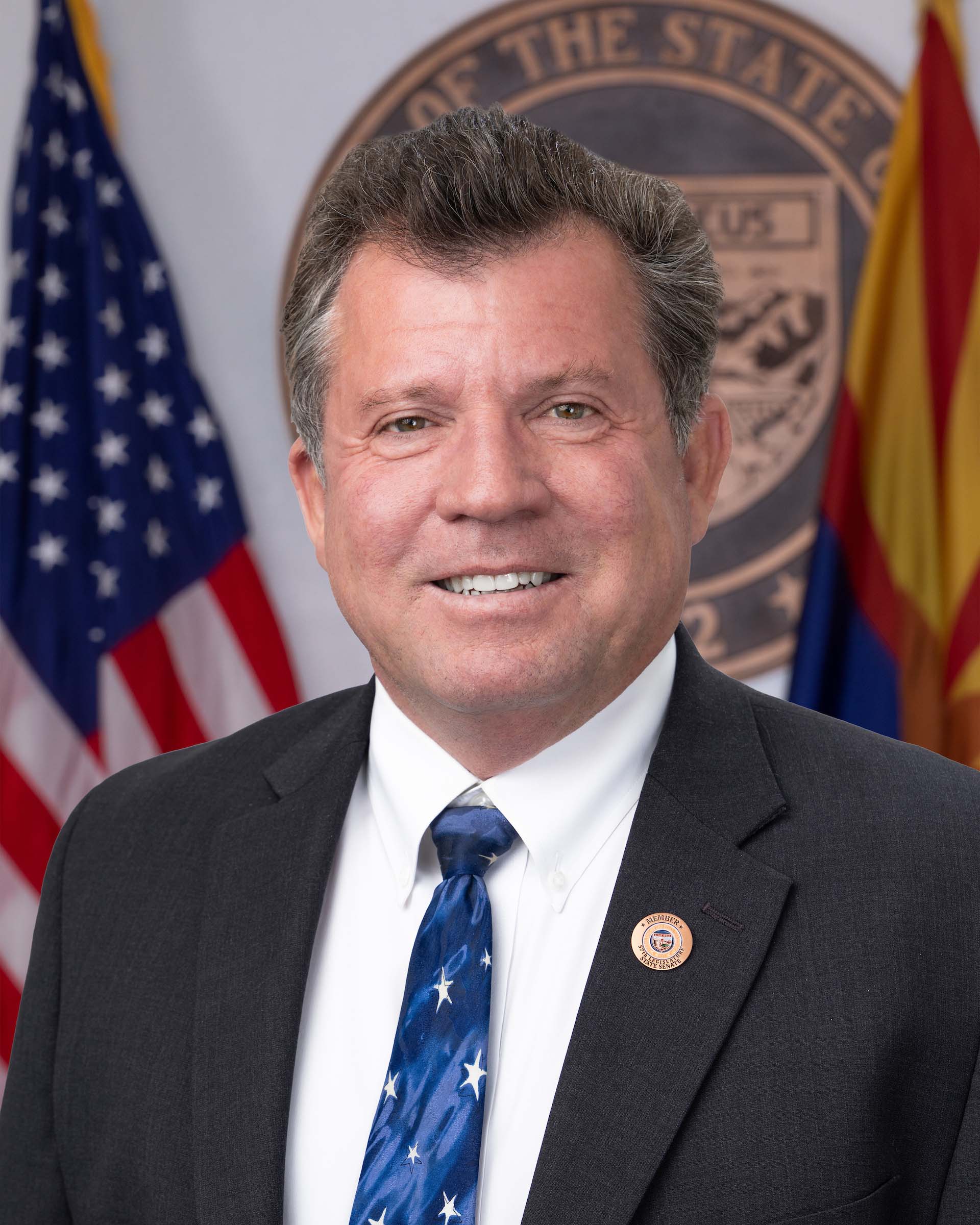
Kevin Payne
83% support rate
Top opponent
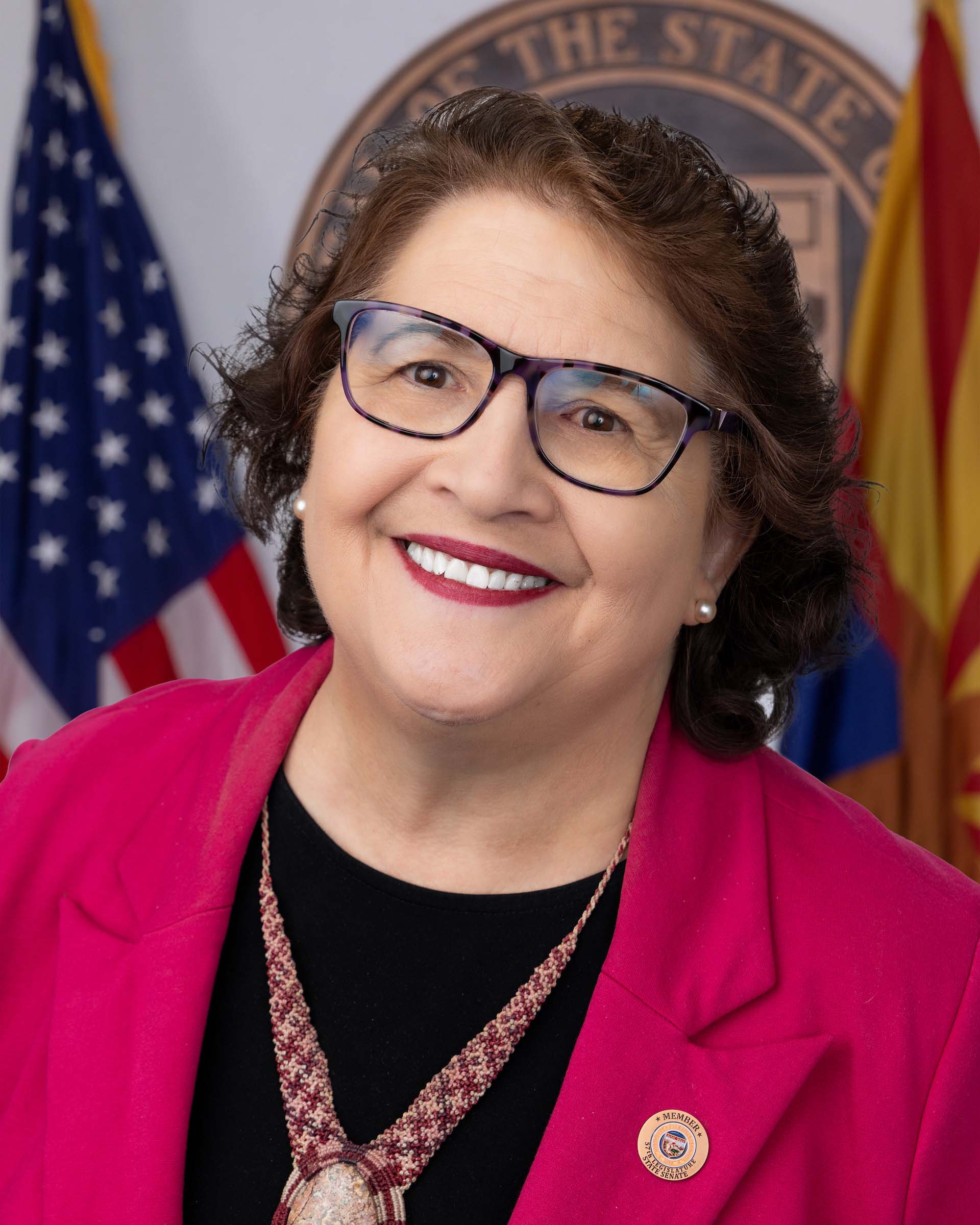
Catherine Miranda
19% support rate
Ranked legislators
10
5 support · 5 oppose
Key legislators

Who's moving technology in Arizona

Legislators moving technology in Arizona
Legislator Party Stance Support rate Votes
Kevin Payne
Kevin Payne Senate · District 27
R
Strong +
83% 148
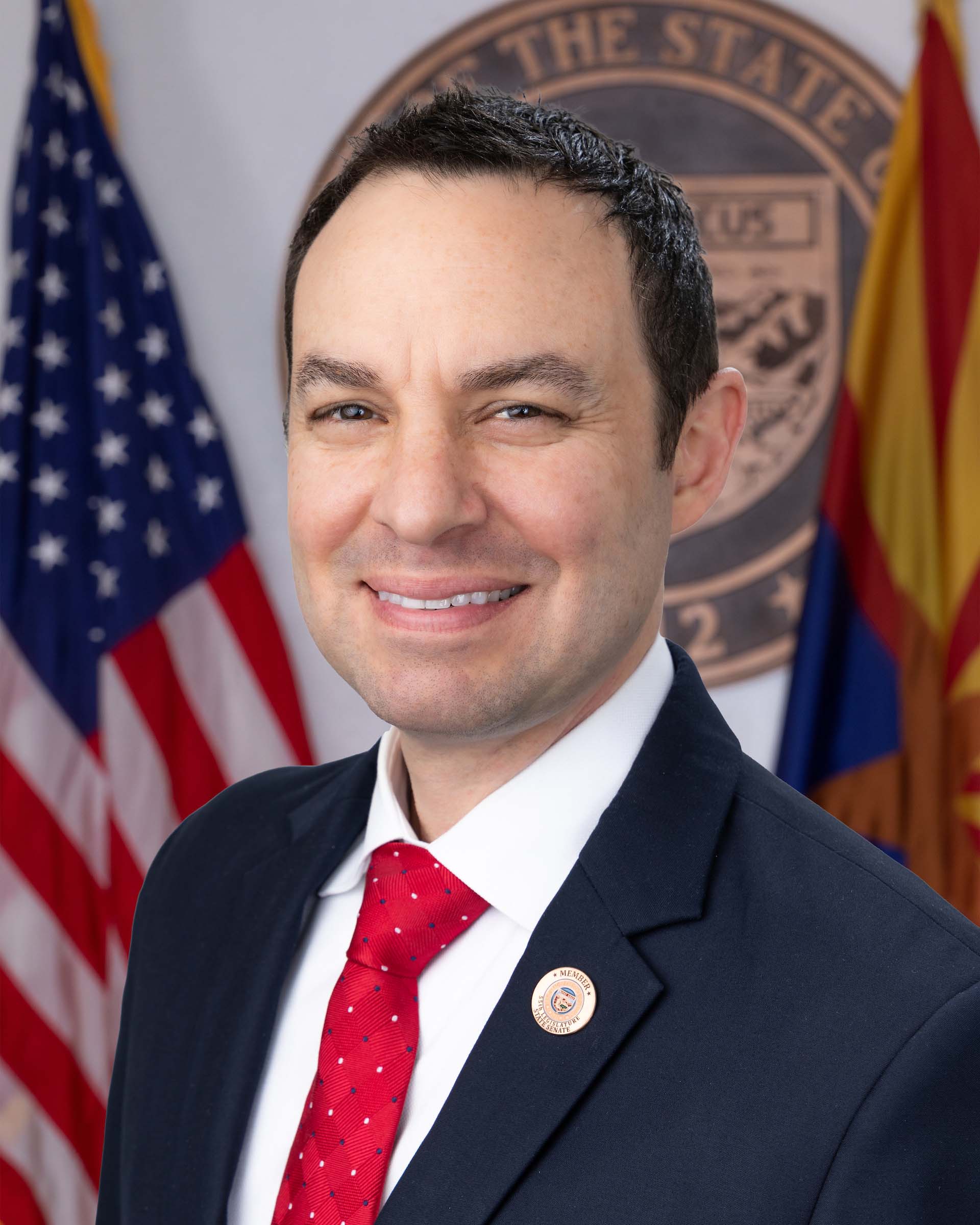
David Gowan
David Gowan Senate · District 19
R
Strong +
82% 159
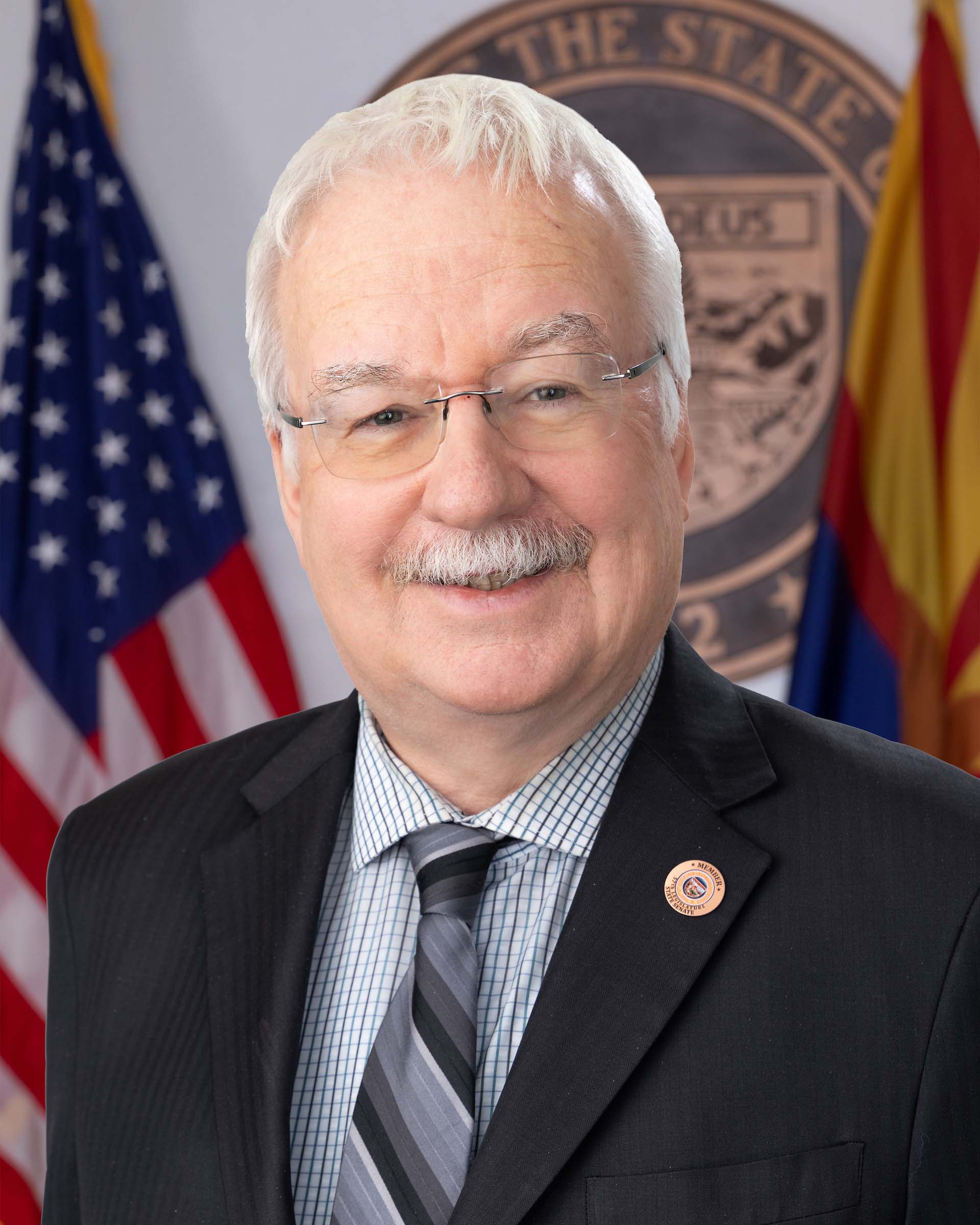
Tim Dunn
Tim Dunn Senate · District 25
R
Strong +
82% 159
J.D. Mesnard
J.D. Mesnard Senate · District 13
R
Strong +
82% 158
John Kavanagh
John Kavanagh Senate · District 3
R
Strong +
82% 158
Catherine Miranda
Catherine Miranda Senate · District 11
D
Strong −
19% 143
Eva Diaz
Eva Diaz Senate · District 22
D
Strong −
20% 120
Sally Gonzales
Sally Gonzales Senate · District 20
D
Oppose
21% 157
Mitzi Epstein
Mitzi Epstein Senate · District 12
D
Oppose
22% 150
Analise Ortiz
Analise Ortiz Senate · District 24
D
Oppose
24% 143
Showing 81–90 of 98 bills

All technology bills

introduced · Arizona · House Jan 28, 2026

HB 2920: software applications; minors; requirements

HB 2920 requires app stores operating in Arizona to verify the age of users creating accounts and link accounts of minors (under 18, excluding married/emancipated individuals) to verified parent accounts. App stores must obtain parental permission before minors can download apps, make purchases, or access in-app purchases, and re-verify consent after significant app changes like new ads or in-app purchases. The bill mandates that app stores provide clear disclosures about age ratings, data collection, and privacy practices to parents before granting permission. It directly affects app store providers, minors under 18, and their parents within Arizona, with exemptions for preinstalled apps and core device functions.
Sub-Topics Data Privacy
introduced · Arizona · Senate Feb 2, 2026

SB 1499: telecommunication providers; rural areas

SB 1499 defines "telecommunications service provider" in Arizona law to include traditional phone companies, broadband providers, and cell carriers. It requires the state department to negotiate contracts with these providers to deliver services in rural or underserved areas. The bill establishes a formal process for the state to secure telecom services but does not specify funding, service standards, or timelines. This definition would directly affect the state department, telecom companies, and residents in rural Arizona communities lacking adequate service. The bill is currently in early legislative review (Senate First Reading).
Sub-Topics Broadband Access Telecommunications Tags Rural Communities
introduced · Arizona · Senate Jan 27, 2026

SB 1374: licenses; tax number; consular cards

SB 1374 defines key terms related to Arizona driver's license records and personal information. It specifies that "highly restricted personal information" includes consular identification card numbers, social security numbers, medical details, and driver license data. The bill requires "express consent" (including electronic signatures) for releasing such sensitive information from the Department of Motor Vehicles. This affects drivers whose personal data is stored in DMV records and the state agency managing those records.
passed · Arizona · House Mar 17, 2026

HB 2809: statewide cybersecurity encryption system; requirements

HB 2809 requires Arizona state agencies to implement a statewide cybersecurity system using post-quantum encryption - which protects against future quantum computing threats - for all agencies handling sensitive data like personal information, election systems, public safety records, and infrastructure data. The bill mandates that the system must meet or exceed U.S. Department of Defense’s CMMC 2.0 standards, with all vendors required to be U.S.-based, have no foreign dependencies, and avoid foreign-owned technology. The Auditor General will independently manage encryption keys, conduct regular audits, and report noncompliance to the Governor and Legislature, with agencies facing corrective plans or IT budget restrictions for failing to adhere to requirements.
introduced · Arizona · Senate Jan 22, 2026

SB 1260: HOAs; complaints; dispositions; online access

SB 1260 requires Arizona homeowners associations (HOAs) to maintain detailed written or electronic records of all alleged violations of condominium documents for two years, including the violation date, description, resolution, and any fines. HOAs must make these records publicly accessible to unit owners either via a website or upon written request, with personal privacy protected by redacting owner names and unit numbers. The bill mandates that HOAs provide specific written explanations to owners within 10 days of receiving a response to a violation notice, including the violated rule, observation date, and contest process. Failure to comply results in civil penalties of up to $500 per month of noncompliance.
introduced · Arizona · House Jan 21, 2026

HB 2737: chatbot regulations; personal data; requirements

HB 2737 regulates chatbot providers in Arizona by requiring explicit user consent before using personal data or chat logs. It prohibits providers from processing personal data for chatbot outputs without affirmative consent, using chat logs to target advertisements, or processing minors' data without parental consent. The law mandates that consent requests must be clear, stand-alone, accessible to people with disabilities, and offer an equally prominent option to decline. Chatbot providers must also obtain separate consent to use adult users' data for training or profiling beyond fulfilling specific user requests. This directly affects companies developing or deploying chatbots within Arizona, imposing new data privacy requirements.
vetoed · Arizona · Senate May 22, 2026

SB 1058: firearms transactions; merchant codes; prohibition

SB 1058 prohibits payment networks (like credit card companies) from requiring or incentivizing special merchant codes that identify firearm retailers. It also bans businesses from assigning such distinguishing codes to firearm retailers. The law aims to prevent financial data from being used to track firearm transactions, requiring payment systems to treat gun sales the same as other retail transactions. Violations can result in civil penalties of up to $1,000 per offense, enforced exclusively by attorneys general or county attorneys.
vetoed · Arizona · Senate Jun 19, 2026

SB 1038: cast vote record; public record

SB 1038 requires Arizona county recorders to publish, within one hour after polls close, a public record containing every voter's name, voter ID number, political party registration (if listed), and their specific vote choice in an organizable format. This law directly affects voters by making their individual voting choices publicly accessible and county election officials by mandating this immediate disclosure. The bill prohibits altering or randomizing the original voting records, ensuring the published data matches the election results exactly. It overrides existing privacy protections to make detailed voting data a permanent public record.
Tags Elections Government Transparency
passed · Arizona · House Mar 26, 2026

HCR 2004: photo enforcement systems; prohibition.

HCR 2004 is a proposed referendum measure that would prohibit the use of photo enforcement systems for traffic violations in Arizona. It defines "photo enforcement system" as devices combining radar/sensors with cameras to capture license plate images for identifying traffic lawbreakers. If approved by voters, this measure would amend Arizona law to ban such systems, directly affecting law enforcement agencies and traffic enforcement practices. The resolution requires voter approval to become law, as stated in its preamble.
vetoed · Arizona · House Apr 14, 2026

HB 2033: statewide assessment; written form; requirements

HB 2033 requires Arizona's state board of education to implement uniform statewide assessments in reading, writing, and math for at least four grades annually, while prohibiting assessments that promote sectarian or partisan views. It mandates collecting specific nontest data (like graduation/dropout rates by ethnicity) through surveys of school staff, with strict privacy protections under FERPA. The bill allows students to opt out of district assessments if they provide scores from nationally recognized tests (e.g., SAT, ACT) before testing begins. Additionally, it permits written tests for students with IEPs/504 plans, religious accommodations, or parent requests. This directly affects public schools, students, and educators by standardizing testing requirements and data collection.
Showing 81 to 90 of 98 bills