Issue · Technology

Technology

Every technology bill, vote, and legislator stance in Arizona, automatically classified by Maddy, our AI policy reader.

Total bills
15
57th Legislature - Second Regular Session
Top supporter
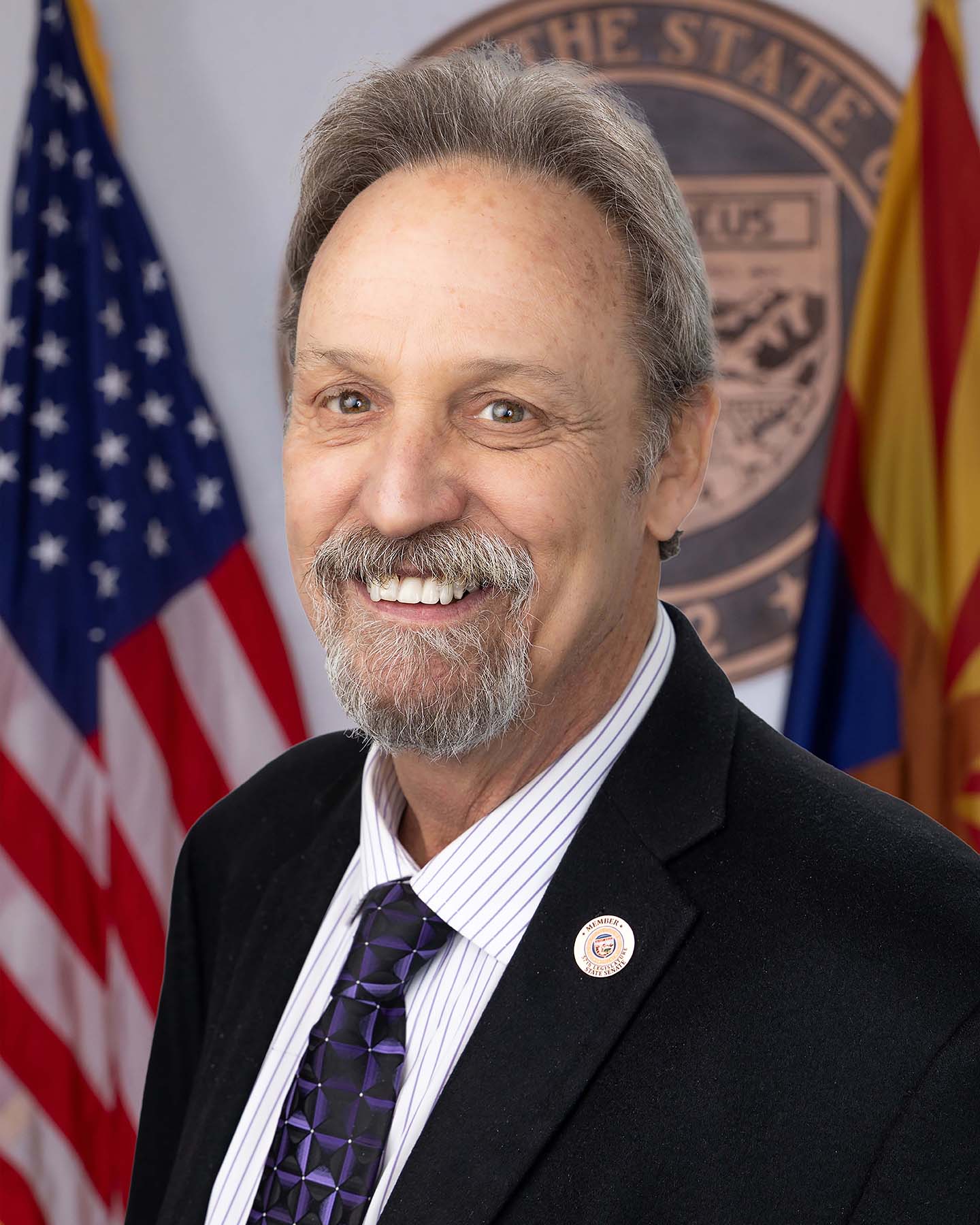
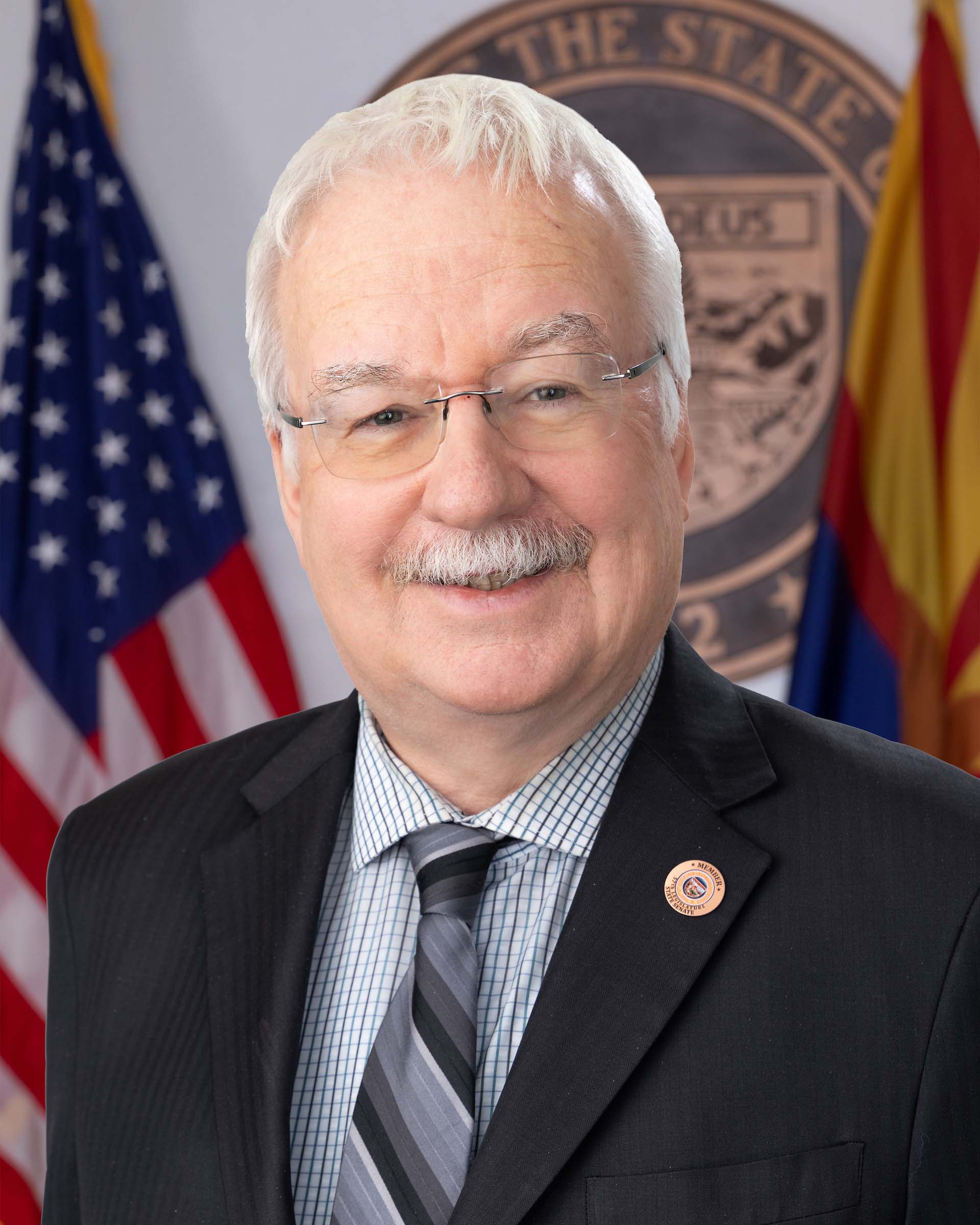
Kevin Payne
83% support rate
Top opponent
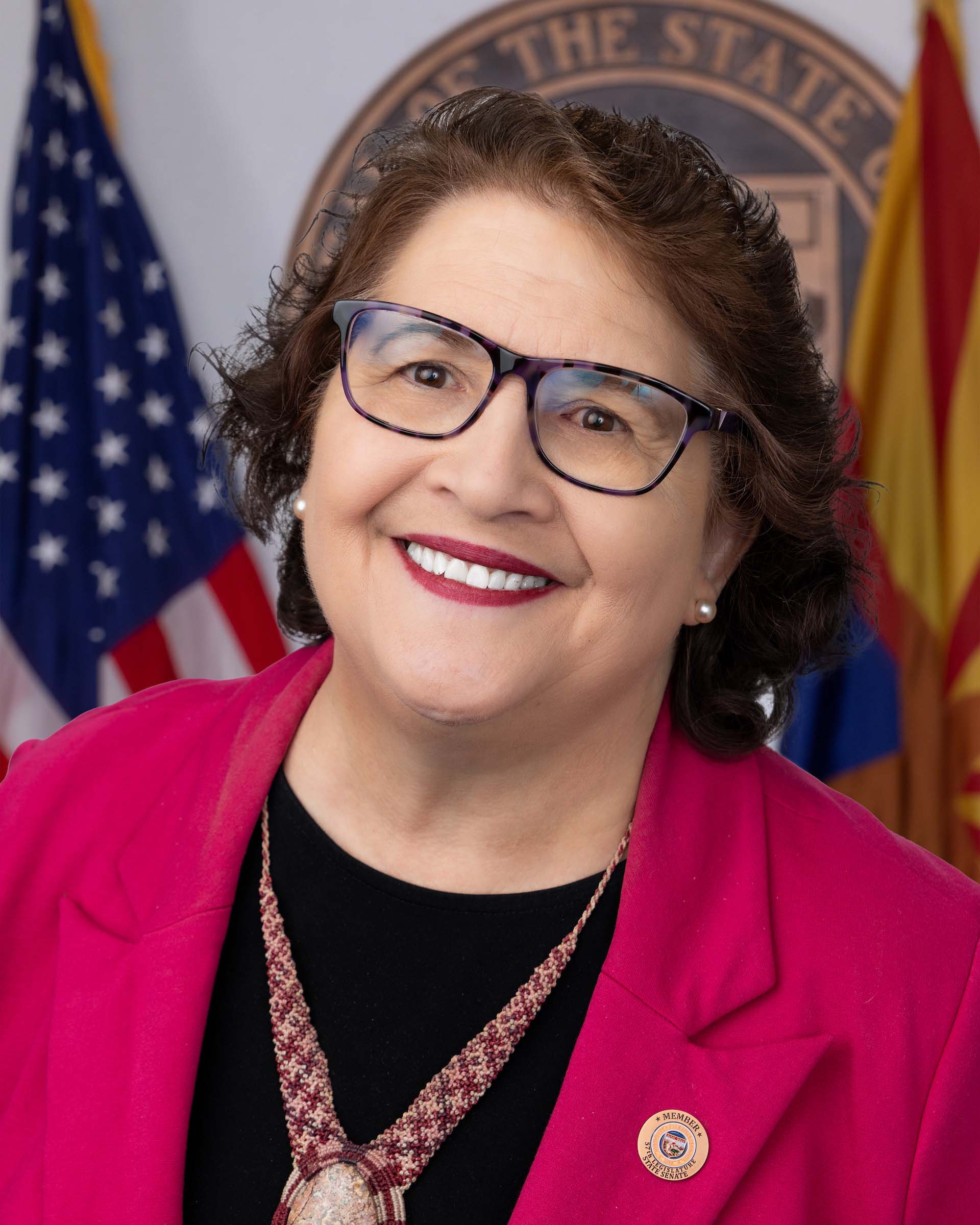
Catherine Miranda
19% support rate
Ranked legislators
10
5 support · 5 oppose
Key legislators

Who's moving technology in Arizona

Legislators moving technology in Arizona
Legislator Party Stance Support rate Votes
Kevin Payne
Kevin Payne Senate · District 27
R
Strong +
83% 148
David Gowan
David Gowan Senate · District 19
R
Strong +
82% 159
Tim Dunn
Tim Dunn Senate · District 25
R
Strong +
82% 159
J.D. Mesnard
J.D. Mesnard Senate · District 13
R
Strong +
82% 158
John Kavanagh
John Kavanagh Senate · District 3
R
Strong +
82% 158
Catherine Miranda
Catherine Miranda Senate · District 11
D
Strong −
19% 143
Eva Diaz
Eva Diaz Senate · District 22
D
Strong −
20% 120
Sally Gonzales
Sally Gonzales Senate · District 20
D
Oppose
21% 157
Mitzi Epstein
Mitzi Epstein Senate · District 12
D
Oppose
22% 150
Analise Ortiz
Analise Ortiz Senate · District 24
D
Oppose
24% 143
Showing 1–10 of 15 bills

All technology bills

introduced · Arizona · House Jun 13, 2026

HB 4040: public schools; universities; AI policies

HB 4040 requires Arizona public school districts, charter schools, and state universities to adopt AI policies by July 1, 2027, directly affecting students, teachers, and administrators. Schools must implement detection systems (with human review, appeals, and bias mitigation) or modify assignments to prevent unauthorized AI use in coursework, while defining clear guidelines for authorized/unauthorized AI use. All staff must receive training on AI policy limitations and responsible integration, and institutions must submit annual reports to education departments by October 15. The bill explicitly excludes basic tools like spellcheck from its definition of "artificial intelligence" and mandates compliance with student privacy laws.
failed · Arizona · House Feb 26, 2026

HB 2791: cell-cultured protein; sale; prohibition

HB 2791 prohibits the sale of cell-cultured protein (lab-grown meat) for human consumption within Arizona. It directly affects food producers, retailers, and restaurants selling these products in the state. Violating the ban is classified as a class 5 felony, carrying potential criminal penalties. The bill defines "cell-cultured protein" as food derived from animal cells artificially replicated in a growth medium to create tissue.
signed · Arizona · Senate Jun 22, 2026

SB 1160: drones; entertainment districts; prohibition

SB 1160 prohibits operating civil drones within 400 feet above or below ticketed entertainment events (like concerts or sports venues) without specific authorization. It directly affects drone operators, event venues, and media companies that might use drones near such events. The bill allows exceptions for venue employees, utility workers conducting official business, and personal drone use on private property under federal rules. Local governments cannot create their own drone regulations for these events, preempting city or county ordinances on drone operations near entertainment venues. Violations of the entertainment event restriction are classified as class 1 misdemeanors.
Sub-Topics Emerging Technology
passed · Arizona · Senate Mar 3, 2026

SB 1278: solar radiation management; prohibition; enforcement.

SB 1278 prohibits anyone in Arizona from intentionally injecting, releasing, or dispensing materials for solar radiation management (technologies that reflect sunlight to cool the planet) within state borders. It also bans public funding - such as grants from cities, universities, or other entities receiving public money - for developing these technologies. The law allows Arizona residents to file complaints with the Attorney General about violations, who must investigate and can sue violators in court for injunctive relief and fees. This bill directly affects individuals, companies, and public institutions conducting or funding solar radiation management activities in Arizona.
passed · Arizona · House Apr 13, 2026

HB 2975: state lands; solar score; maps

HB 2975 prohibits Arizona's state land department from using solar scores or similar tools in land decisions starting from its effective date. The bill requires the department to develop two new resource scoring maps within two years: one for mining (considering known resources) and one for housing (considering development needs). These maps must be created with input from relevant industries and will guide the department’s land use planning and five-year disposal plans. The department must also submit updated maps to state leaders, including the governor and legislative leaders. This bill directly affects how Arizona manages state lands for mining, housing, and renewable energy projects.
passed both · Arizona · Senate Jun 15, 2026

SCR 1004: photo enforcement systems; prohibition

SCR 1004 is a resolution that, if approved by Arizona voters, would prohibit the use of photo enforcement systems for traffic law enforcement. The bill defines "photo enforcement system" as a device using radar or sensors linked to a camera to capture license plate images for identifying traffic violations. It amends Arizona Revised Statutes to repeal existing provisions permitting such systems and adds a new prohibition. This measure would directly affect law enforcement agencies and drivers by banning automated traffic ticketing without an officer present.
introduced · Arizona · House Jan 26, 2026

HB 2820: data centers; incentives; repeal; requirements

HB 2820 repeals Arizona's Section 41-1519 (which previously provided tax incentives for data centers) and amends Section 42-2003 to allow the Arizona Commerce Authority to disclose taxpayer information for certifying computer data centers. This change directly affects data center operators seeking tax incentives, as it modifies how the Commerce Authority can access confidential tax information to verify eligibility. The key provision adds new disclosure permissions for the Commerce Authority to certify data centers for tax relief under repealed Section 41-1519. The bill focuses on administrative procedures for tax incentive programs rather than creating new financial benefits.
Sub-Topics Tax Incentives
introduced · Arizona · House Jan 21, 2026

HB 2490: rental price fixing; algorithmic pricing

HB 2490 prohibits landlords and "coordinators" (those selling algorithmic tools) from using algorithmic devices that process nonpublic competitor data to coordinate rental prices or terms for residential properties. It directly affects landlords managing five or more rental units (or coordinators serving them), banning tools that analyze competitors' historical prices, occupancy rates, or lease terms to set rents. The bill creates a legal presumption of price-fixing if such algorithms are used, though violators can rebut this with evidence they lacked knowledge of the data's origin. Enforcement falls to the Attorney General under existing consumer protection laws, with exemptions for government housing, small landlords (under five units), dormitories, and transient lodging like hotels.
introduced · Arizona · House Jan 22, 2026

HB 2658: dropout recovery programs; repeal

HB 2658 repeals Section 15-901.06 of Arizona law, which authorized online dropout recovery programs for students who left school. This ends the specific provision allowing virtual options in these programs, directly affecting students enrolled in Arizona's dropout recovery initiatives who previously could access online courses. The bill also amends related virtual school assessment rules (Section 15-808.01), but the core action is removing the online program authorization. It does not create new requirements but eliminates a specific pathway for virtual dropout recovery services.
introduced · Arizona · House Jan 21, 2026

HB 2299: price tags; unfair pricing; penalties

HB 2299 requires Arizona businesses to include all mandatory fees in advertised prices and clearly explain refund processes on receipts. It prohibits digital shelf labels (like remote-updating price tags) and limits price increases to 10% during a governor-declared state of emergency. Businesses violating these rules face civil penalties up to $5,000, with the Attorney General empowered to enforce compliance. The law directly affects retailers and service providers selling goods or services in Arizona, focusing on transparent pricing and preventing sudden cost hikes during emergencies.
Showing 1 to 10 of 15 bills
1 2 Next