Issue · Healthcare

Healthcare

Every healthcare bill, vote, and legislator stance in Arizona, automatically classified by Maddy, our AI policy reader.

Total bills
272
57th Legislature - Second Regular Session
Top supporter
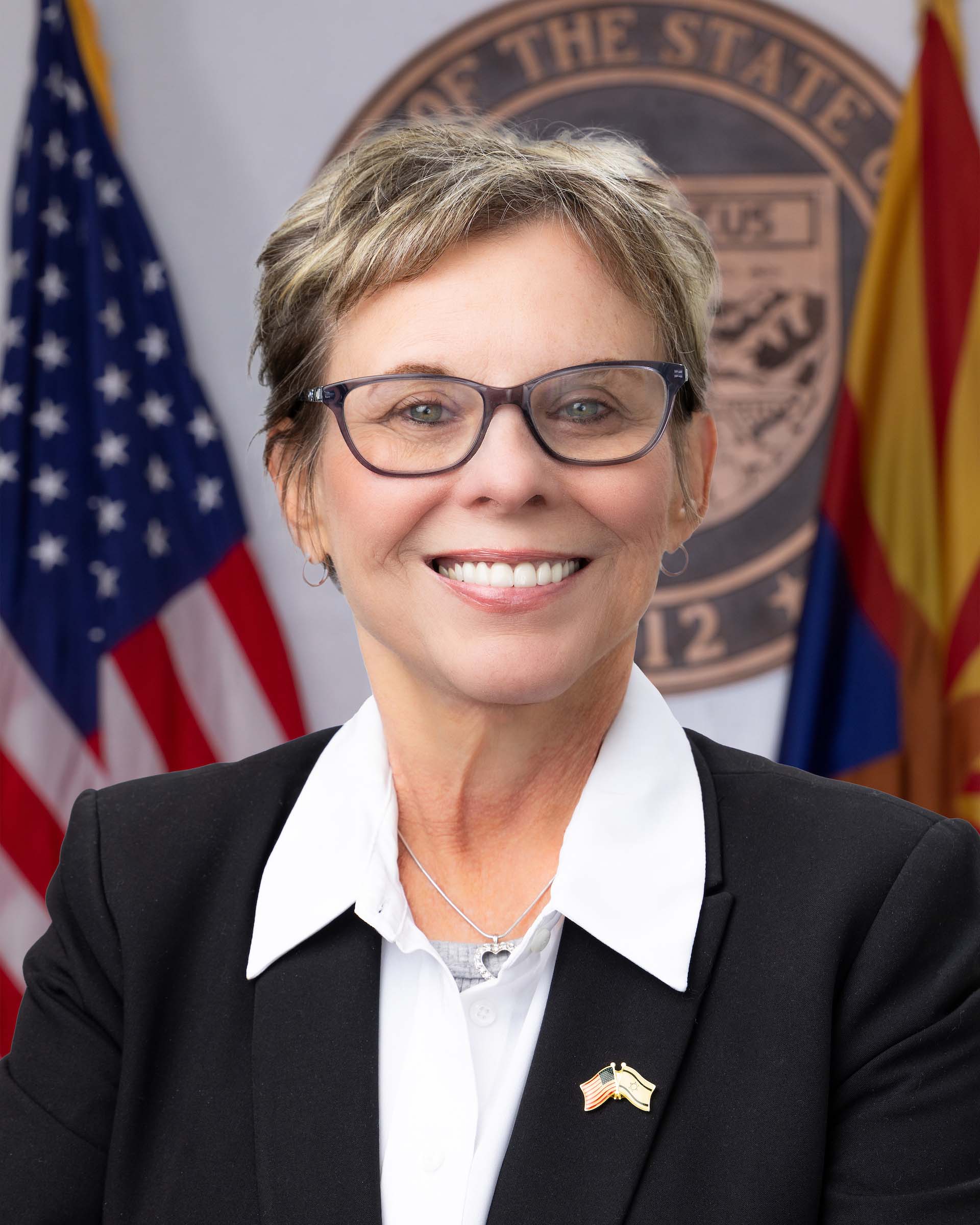
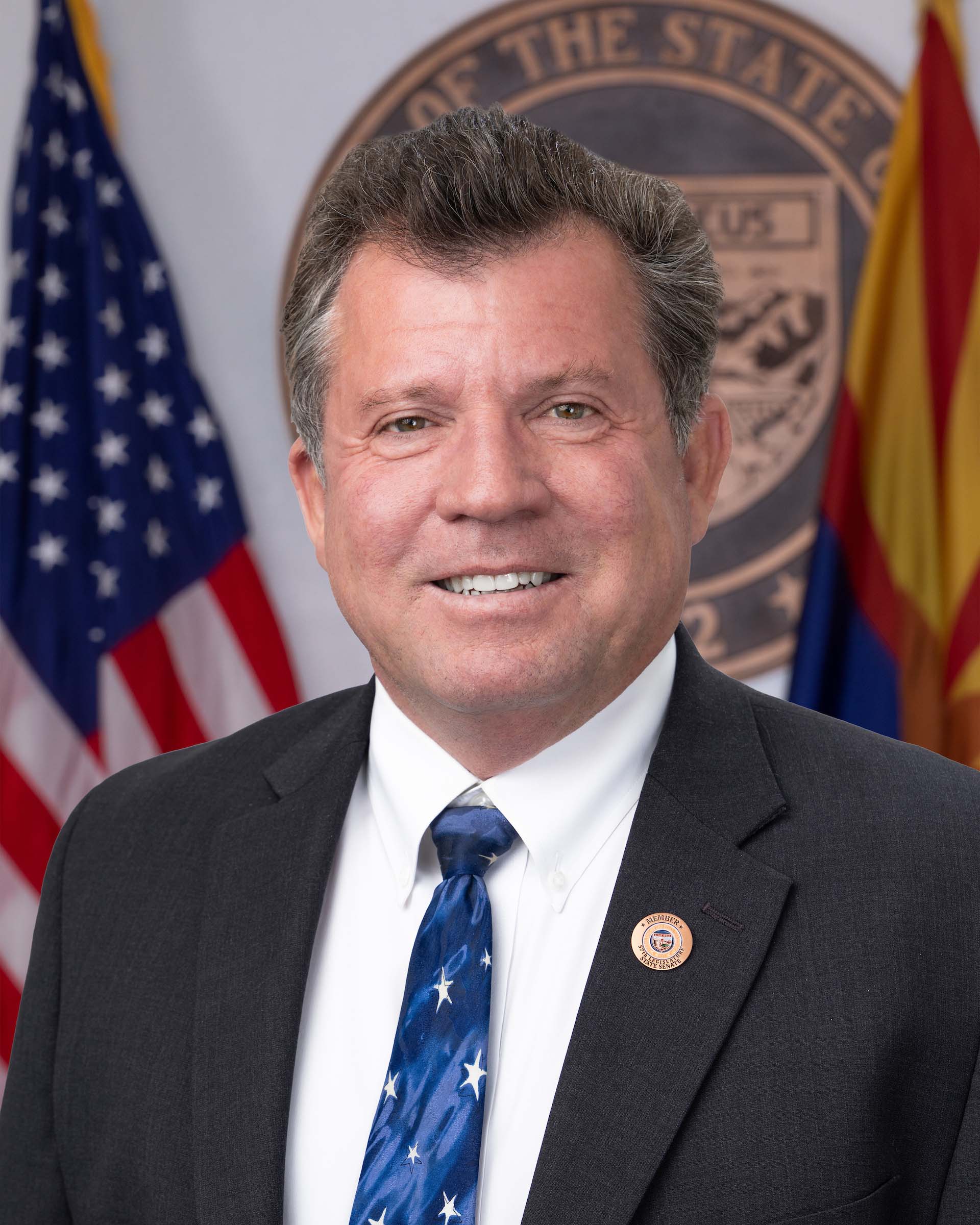
Kevin Payne
81% support rate
Top opponent
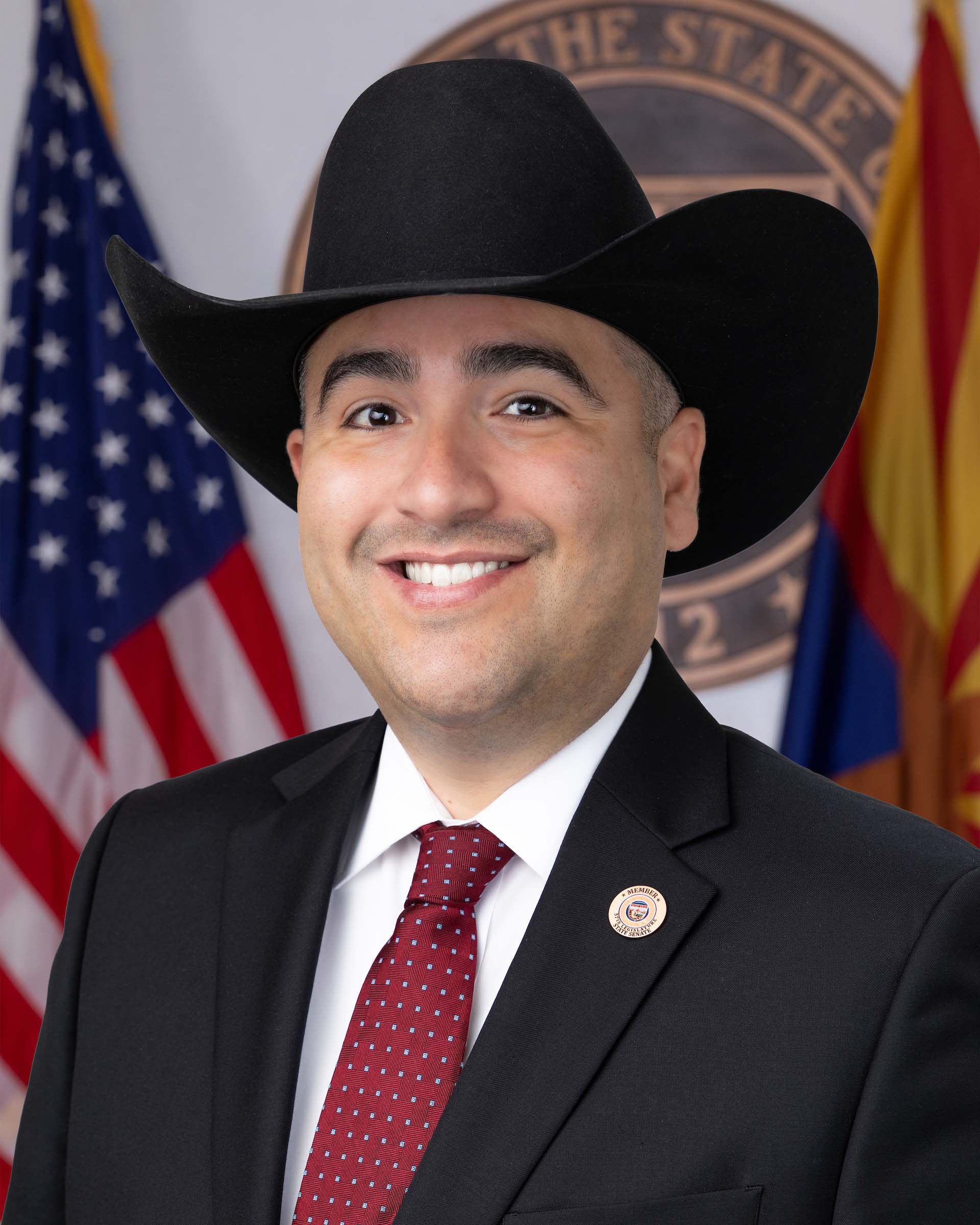
Michael Way
24% support rate
Ranked legislators
10
5 support · 5 oppose
Key legislators

Who's moving healthcare in Arizona

Legislators moving healthcare in Arizona
Legislator Party Stance Support rate Votes
Kevin Payne
Kevin Payne Senate · District 27
R
Strong +
81% 164
Hildy Angius
Hildy Angius Senate · District 30
R
Support
79% 178
T.J. Shope
T.J. Shope Senate · District 16
R
Support
79% 179
Vince Leach
Vince Leach Senate · District 17
R
Support
79% 179
Tim Dunn
Tim Dunn Senate · District 25
R
Support
79% 179
Michael Way
Michael Way House · District 15
R
Oppose
24% 223
Justin Olson
Justin Olson House · District 10
R
Oppose
27% 241
Khyl Powell
Khyl Powell House · District 14
R
Oppose
27% 241
Rachel Keshel
Rachel Keshel House · District 17
R
Oppose
28% 235
Alex Kolodin
Alex Kolodin House · District 3
R
Oppose
30% 238
Showing 71–80 of 272 bills

All healthcare bills

in committee · Arizona · Senate Feb 10, 2026

SB 1363: marijuana; rural opportunity initiative

SB 1363 creates a "rural opportunity initiative" for nonprofit medical marijuana dispensaries in Arizona. It prioritizes new dispensary licenses in unserved rural communities (defined as areas at least 25 miles from existing dispensaries) and limits these licenses to 18 statewide. The bill requires that these new licenses be issued only to entities qualifying under the initiative, with retail locations restricted to designated rural communities and no relocation outside those areas. This directly affects new nonprofit dispensary applicants seeking locations in rural regions without existing medical marijuana access.
introduced · Arizona · Senate Jun 12, 2026

SB 1525: technical correction; AHCCCS; application process

SB 1525 amends Arizona law to require a uniform application and eligibility process for three state health programs: the premium sharing program, children's health insurance program, and healthcare group under AHCCCS (Arizona's Medicaid program). The bill directs the director to adopt rules ensuring consistent application screening across these programs and facilitates transferring members between programs when they qualify for different ones. This change directly affects Arizonans applying for or enrolled in these specific health coverage programs by simplifying the process and reducing administrative barriers.
passed · Arizona · Senate Mar 23, 2026

SB 1628: claims denial; prior authorization; reporting

SB 1628 requires Arizona health insurance companies to annually report detailed data on claims denials to the state department by July 1, starting in 2027. This includes the total number of denied claims, top denied services (like medical procedures or mental health care), and reasons for denials. The state department must then compile this data into a public report by October 31, making it accessible online for at least three years. The bill aims to increase transparency around insurance practices affecting healthcare providers and patients, without changing how insurers process claims directly.
introduced · Arizona · Senate Jan 27, 2026

SB 1396: contraception; rights; limits.

Arizona's SB 1396, the "Arizona Right to Contraception Act," establishes a legal right for individuals to access contraceptives and engage in contraception, and for health professionals to provide them. The bill prohibits state or local government actions that single out contraceptive services or impede access, such as restricting providers or facilities offering these services. It specifically clarifies that the law does not override requirements for voluntary, informed consent in sterilization procedures. The act directly affects patients seeking contraception and healthcare providers who prescribe or distribute contraceptive methods like birth control pills, IUDs, or condoms.
Sub-Topics Women's Health
introduced · Arizona · House Jan 29, 2026

HB 2928: working conditions; heat illness; prevention

HB 2928 establishes heat illness prevention standards for employers in high-risk industries like agriculture, construction, landscaping, oil and gas, airport work, and delivery services. It requires employers to provide free drinking water with ice (and electrolytes for work over an hour above 80°F), shade or climate-controlled rest areas within 400 feet of work zones when temperatures exceed 80°F, and paid rest periods (15-45 minutes per hour) based on heat levels. Employers must also monitor workers for heat symptoms, implement emergency response protocols, and hold pre-shift safety meetings for agricultural workers. These rules, to be adopted by Arizona’s Industrial Commission, apply to all indoor and outdoor workplaces in covered industries to protect workers from heat-related health risks.
introduced · Arizona · House Jan 21, 2026

HB 2272: dental or optometric services; contracts

HB 2272 requires insurance contracts covering dental or optometric services to explicitly state that the insurer will pay for these services provided by licensed dentists or optometrists. This applies directly to insurance companies writing such contracts and affects policyholders seeking dental or vision care. The bill mandates that contracts for these services must clearly outline covered benefits and be structured to honor the full terms of the agreement without ambiguity. It ensures subscribers receive predictable coverage for routine dental and optometric care under their insurance plans.
Sub-Topics Insurance
vetoed · Arizona · Senate Jun 19, 2026

SB 1212: health insurance; reimbursement rates; vaccines

SB 1212 prohibits Arizona health insurance companies from reimbursing health care providers at different rates based on a patient's vaccination status. Effective January 1, 2027, the law applies to all health insurance plans sold in Arizona and directly affects insurers, health care providers (like doctors and clinics), and patients covered by those plans. It requires that reimbursement rates remain uniform regardless of whether a patient has received vaccines, eliminating differential payments tied to vaccination status. The bill changes existing reimbursement practices by mandating equal payment for covered services, irrespective of a patient's immunization history.
signed · Arizona · House Jun 4, 2026

HB 2434: controlled substances prescription monitoring program

This bill updates Arizona's rules for prescribing controlled substances, requiring pharmacies to maintain separate records for different drug schedules (I-II vs. III-V) and mandating electronic prescriptions for opioids. It sets strict requirements for emergency dispensing, verbal prescription changes, and prohibits refills for Schedule II drugs. These rules directly affect pharmacies, pharmacists, and prescribers of controlled substances. The changes aim to improve tracking and reduce diversion of high-risk medications.
signed · Arizona · House Jun 4, 2026

HB 2923: court-ordered treatment; judicial review

HB 2923 amends Arizona law to establish clearer court oversight for inpatient mental health treatment of incapacitated persons under guardianship. It requires courts to authorize guardians to consent to such treatment only after clear evidence (supported by a mental health expert) that the person is likely to need inpatient care, and mandates that courts limit treatment to the least restrictive option for the shortest necessary duration. Key provisions include requiring facilities to assess placement every 30 days, notifying the ward’s attorney within 48 hours of admission, and allowing the attorney to request a court hearing within 3 days if placement seems inappropriate. The bill also ensures the ward’s attorney can access all treatment records and must review reports if guardians seek continued authority to consent to inpatient care.
introduced · Arizona · Senate Feb 2, 2026

SB 1464: coverage; family and medical leave.

Arizona's SB 1464 creates a state-run family and medical leave insurance program starting in 2029. It provides eligible workers with up to 26 weeks of paid benefits for pregnancy, serious health conditions requiring hospitalization, or 24 weeks for caring for a newborn, family member with a serious health condition, military family leave, or "safe leave" related to domestic violence, sexual violence, abuse, or stalking. To qualify, workers must meet specific wage requirements during their base period (e.g., earning at least $390 per week in a qualifying quarter). Employers must provide at least 12 weeks of leave, with benefits paid biweekly after a claim is filed.
Sub-Topics Paid Leave
Showing 71 to 80 of 272 bills
Previous 1 7 8 9 28 Next