Issue · Healthcare

Healthcare

Every healthcare bill, vote, and legislator stance in Arizona, automatically classified by Maddy, our AI policy reader.

Total bills
272
57th Legislature - Second Regular Session
Top supporter
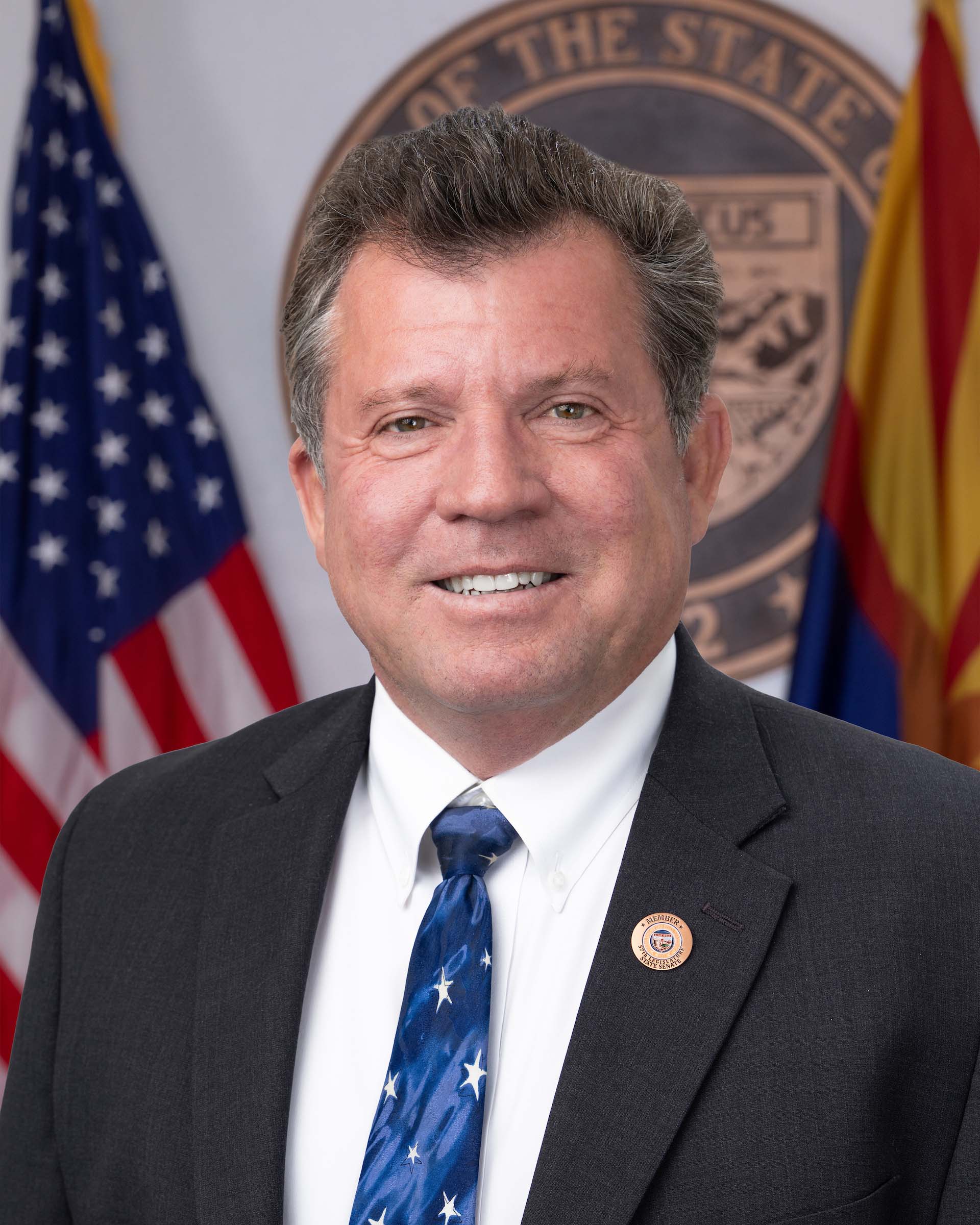
Kevin Payne
81% support rate
Top opponent
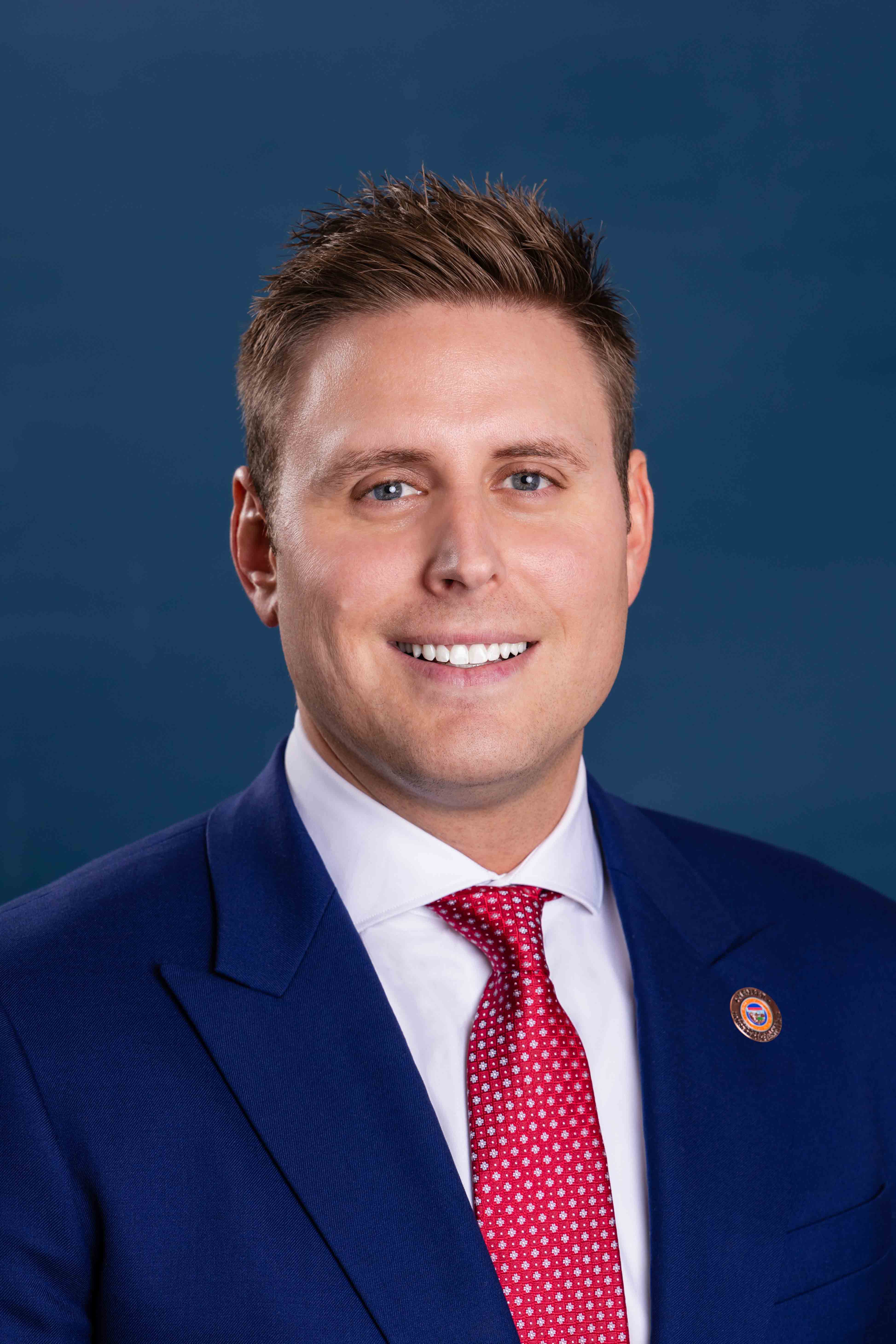
Michael Way
24% support rate
Ranked legislators
10
5 support · 5 oppose
Key legislators

Who's moving healthcare in Arizona

Legislators moving healthcare in Arizona
Legislator Party Stance Support rate Votes
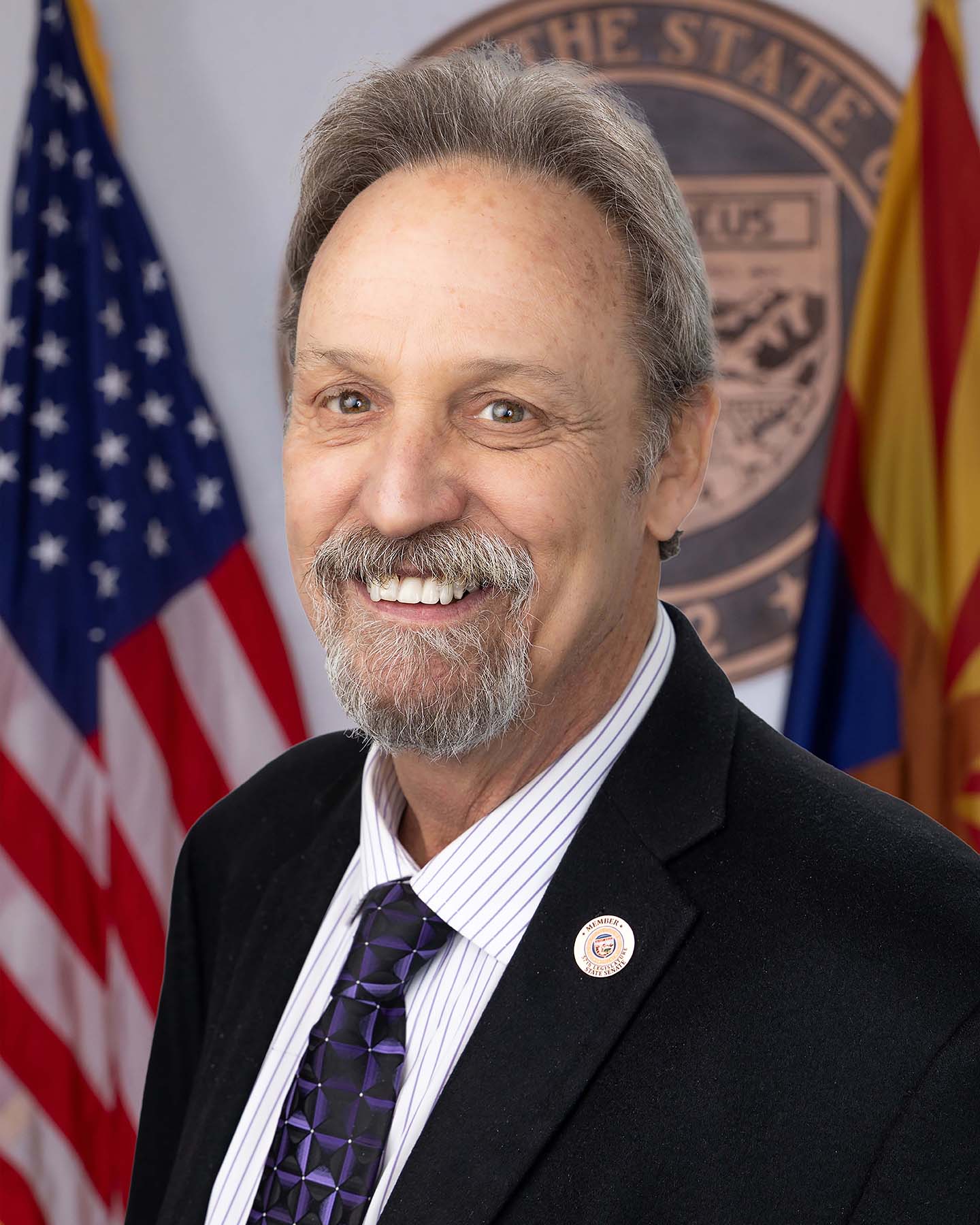
Kevin Payne
Kevin Payne Senate · District 27
R
Strong +
81% 164
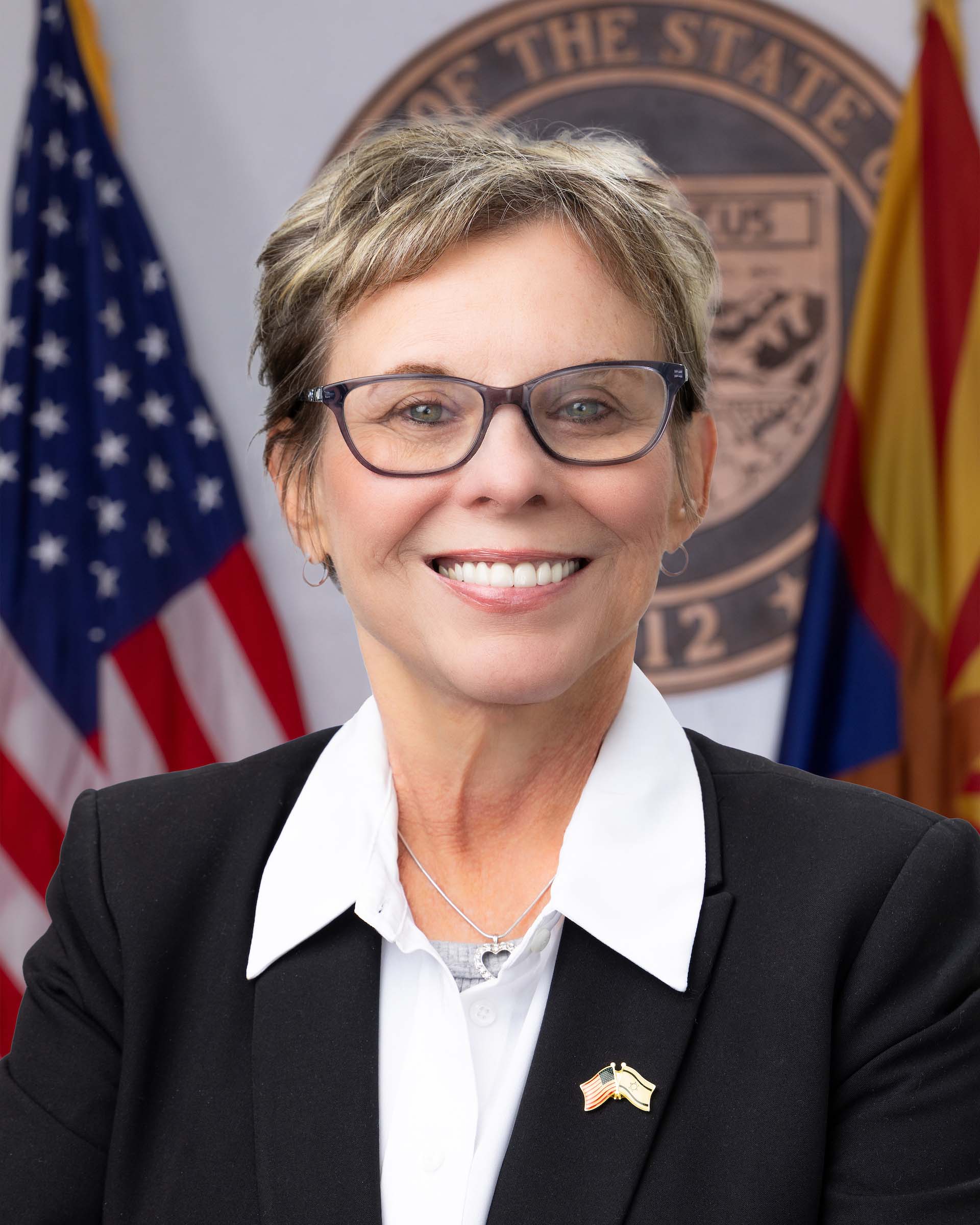
Hildy Angius
Hildy Angius Senate · District 30
R
Support
79% 178
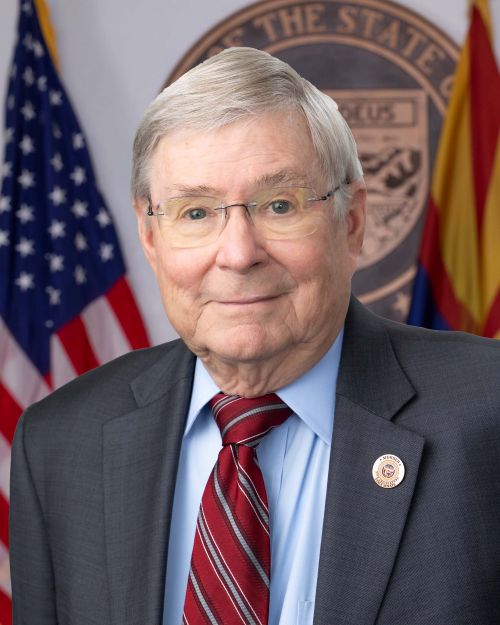
T.J. Shope
T.J. Shope Senate · District 16
R
Support
79% 179
Vince Leach
Vince Leach Senate · District 17
R
Support
79% 179
Tim Dunn
Tim Dunn Senate · District 25
R
Support
79% 179
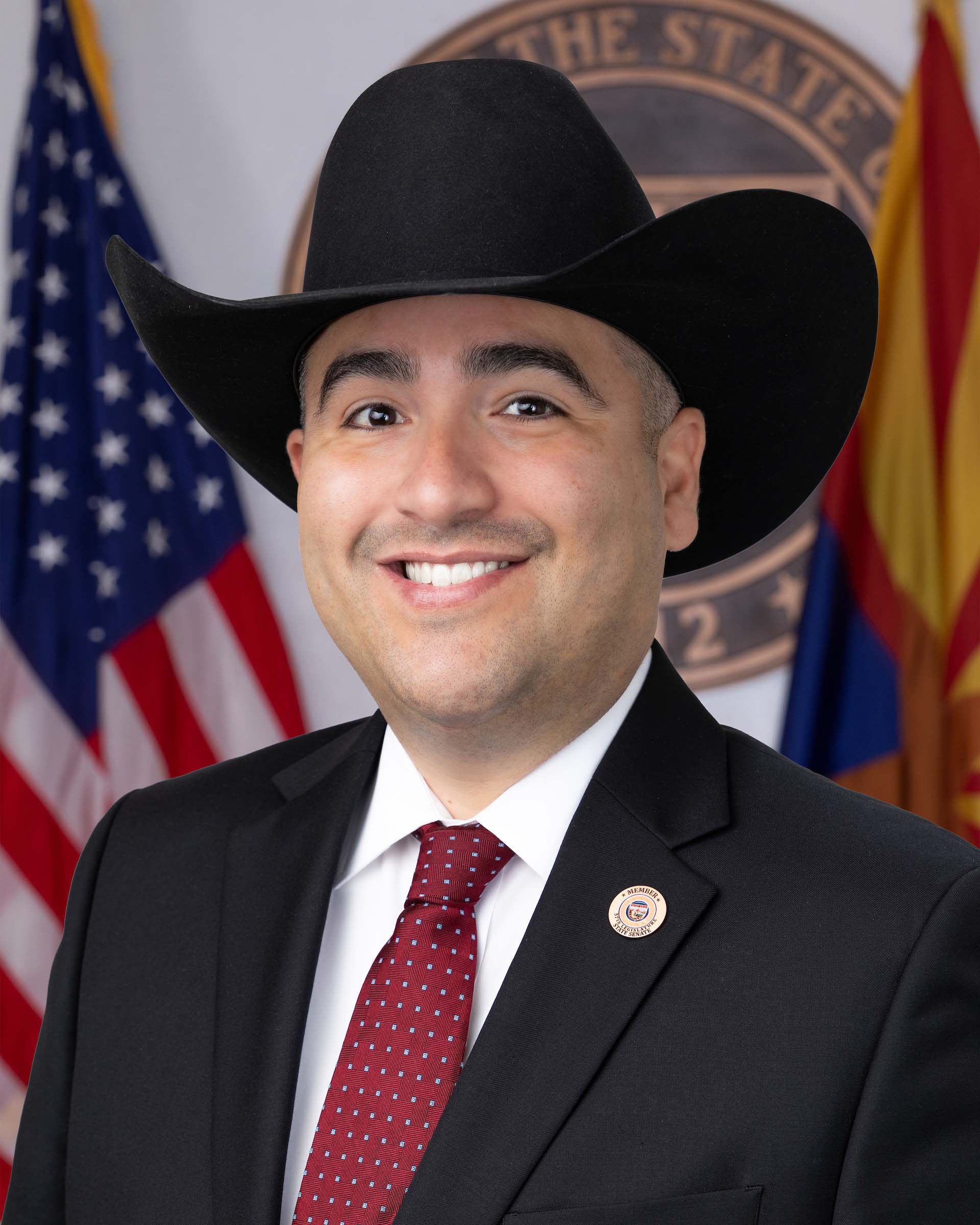
Michael Way
Michael Way House · District 15
R
Oppose
24% 223
Justin Olson
Justin Olson House · District 10
R
Oppose
27% 241
Khyl Powell
Khyl Powell House · District 14
R
Oppose
27% 241
Rachel Keshel
Rachel Keshel House · District 17
R
Oppose
28% 235
Alex Kolodin
Alex Kolodin House · District 3
R
Oppose
30% 238
Showing 61–70 of 272 bills

All healthcare bills

failed · Arizona · Senate Feb 17, 2026

SB 1082: petting zoos; handwashing; supervision

SB 1082 requires petting zoos and similar animal exhibits (both permanent and temporary) to implement specific health safety measures. Operators must provide handwashing stations or hand sanitizer immediately after animal contact, display clear signage about handwashing and food restrictions, enclose animals to prevent unsupervised contact, and maintain at least one adult supervisor in the animal area at all times. The bill exempts single-day private events at residences, though operators must still post signage and provide handwashing options. Violations can result in civil penalties of up to $100 per incident, enforced by the Arizona Department of Health Services. This directly affects businesses and event organizers operating public animal contact exhibits.
signed · Arizona · Senate Jun 19, 2026

SB 1145: behavior analysts; committee; regulatory authority

SB 1145 requires the State Board of Psychologist Examiners to include two behavior analysts in professional practice as voting members (who must also serve on a dedicated committee for behavior analysts). The bill mandates that the board must seek and consider the committee's recommendations on all licensing, regulatory, and practice-related decisions affecting behavior analysts before taking action. This directly impacts licensed behavior analysts in Arizona by ensuring their professional input shapes regulatory rules and standards. The change formalizes existing advisory roles into a structured requirement under Arizona law.
introduced · Arizona · House Jan 21, 2026

HB 2642: pesticides; PFAS; herbicide; prohibition

HB 2642 bans the distribution of pesticides containing PFAS (per- and polyfluoroalkyl substances) or certain fluorinated chemicals, and herbicides containing glyphosate, effective December 31, 2027. This directly affects pesticide manufacturers, distributors, and agricultural users who currently rely on these products. The key provision adds two new prohibitions to Arizona's pesticide regulations, targeting specific chemical classes known for environmental and health concerns. The law provides a clear effective date for these bans without immediate implementation.
Sub-Topics Drinking Water
signed · Arizona · House Jun 4, 2026

HB 2308: dental insurers; dental practice; prohibition

HB 2308 bans dental insurers and holding companies from owning dental practices registered with Arizona's Board of Dentistry. This directly affects dental practice businesses and dental insurers seeking ownership, prohibiting any ownership interest by these entities in registered practices. The key provision (Section O) adds a new restriction to existing registration rules, preventing insurers from controlling dental service businesses. The bill maintains existing registration requirements for dental practices but explicitly bars ownership by dental insurers or their holding companies.
introduced · Arizona · House Jan 13, 2026

HB 2084: special plate; diabetes awareness

HB 2084 creates a new diabetes awareness special license plate program in Arizona. Owners who pay a one-time $32,000 fee to the state department can design the plate (subject to approval) and combine it with personalized plate requests. For each plate, $17 of the $25 annual registration fee is donated directly to a diabetes awareness fund, while the remaining $8 covers administrative costs. This program affects Arizona vehicle owners who choose to purchase these specialty plates, with all donations funding diabetes awareness initiatives. The bill amends existing license plate statutes to establish this specific plate category and fund.
Sub-Topics Fees & Licensing
introduced · Arizona · House Jan 21, 2026

HB 2652: abortion; notarized consent; repeal.

HB 2652 repeals Arizona's requirement for notarized parental consent for minors seeking abortions. It removes the current law that mandated either a minor's parent or guardian provide notarized written consent or a judge authorize the procedure through a confidential court process. This bill directly affects unemancipated minors in Arizona who would no longer need parental consent or judicial bypass to access abortion care. The repeal eliminates all associated provisions, including confidentiality rules, time limits for court hearings, and civil liability for providers who follow the old consent requirements. The bill is currently in early legislative stages (House First/Second Reading).
Sub-Topics Women's Health
signed · Arizona · Senate Apr 7, 2026

SB 1216: traumatic event counseling

SB 1216 requires Arizona employers (including state and local governments) to provide up to 12 paid counseling visits for public safety employees exposed to specific traumatic events while on duty, such as witnessing death/maiming, responding to dangerous child crimes, or life-threatening rescues. It excludes police officers and firefighters but covers roles like 911 dispatchers, crime scene technicians, probation officers, and juvenile detention officers. Employers must track participation, missed work, and workers' compensation claims related to the program, reporting annual data to the state. The bill repeals prior laws that set different visit limits (e.g., six visits annually before 2017) and defines "licensed counseling" by specific mental health professional standards.
Sub-Topics Healthcare Workforce Mental Health Tags Public Safety
introduced · Arizona · House Feb 9, 2026

HB 2333: insurance; prosthetics; orthotics; reporting requirements

HB 2333 requires Arizona health insurance plans (for hospital service corporations and health care services organizations) to cover prosthetic and orthotic devices at a minimum level equivalent to Medicare Part B coverage, effective January 1, 2027. The bill mandates coverage for device purchase, fitting, repair, replacement, necessary materials, and rehabilitation services to enable activities of daily living, job-related tasks, and physical activities like swimming or strength training. It directly affects individuals with limb loss, limb difference, or mobility impairments who rely on these devices, while prohibiting insurers from denying coverage based on disability or imposing stricter cost-sharing for these devices than for other medical services. Insurers must also provide annual reports detailing necessary care for people with mobility impairments, starting in 2028.
in committee · Arizona · House Feb 16, 2026

HB 2904: sovereign authority; border; health crisis

HB 2904 declares Arizona's policy that the state must protect itself from drug cartels and federal border security failures, defining "drug cartel" to include human smuggling and fentanyl trafficking, and labeling border fentanyl trafficking a public health crisis. It states Arizona's laws should prioritize state sovereignty against "unlawful invasion" at the border (defined as cartel activities) and requires the state health department to address fentanyl-related overdose deaths. The bill does not create new funding, enforcement, or programs - it makes declaratory statements about policy and definitions. This is a procedural declaration, not a substantive law change.
failed · Arizona · Senate Mar 31, 2026

SB 1461: allied health care workforce; appropriation

SB 1461 allocates $15 million from Arizona's general fund for a new allied health workforce development program targeting roles like medical technicians and therapists (requiring specialized training beyond high school but less than a bachelor's degree). The program will fund a nonprofit meeting strict criteria, including prior training of 7,000+ students, partnerships with employers and schools, and operating in at least eight states. The nonprofit must commit to graduating 1,000 students annually through this initiative. This direct funding aims to expand training capacity for non-physician, non-nurse healthcare roles across Arizona.
Showing 61 to 70 of 272 bills
Previous 1 6 7 8 28 Next