Issue · Healthcare

Healthcare

Every healthcare bill, vote, and legislator stance in Arizona, automatically classified by Maddy, our AI policy reader.

Total bills
272
57th Legislature - Second Regular Session
Top supporter
Kevin Payne
81% support rate
Top opponent
Michael Way
24% support rate
Ranked legislators
10
5 support · 5 oppose
Key legislators

Who's moving healthcare in Arizona

Legislators moving healthcare in Arizona
Legislator Party Stance Support rate Votes
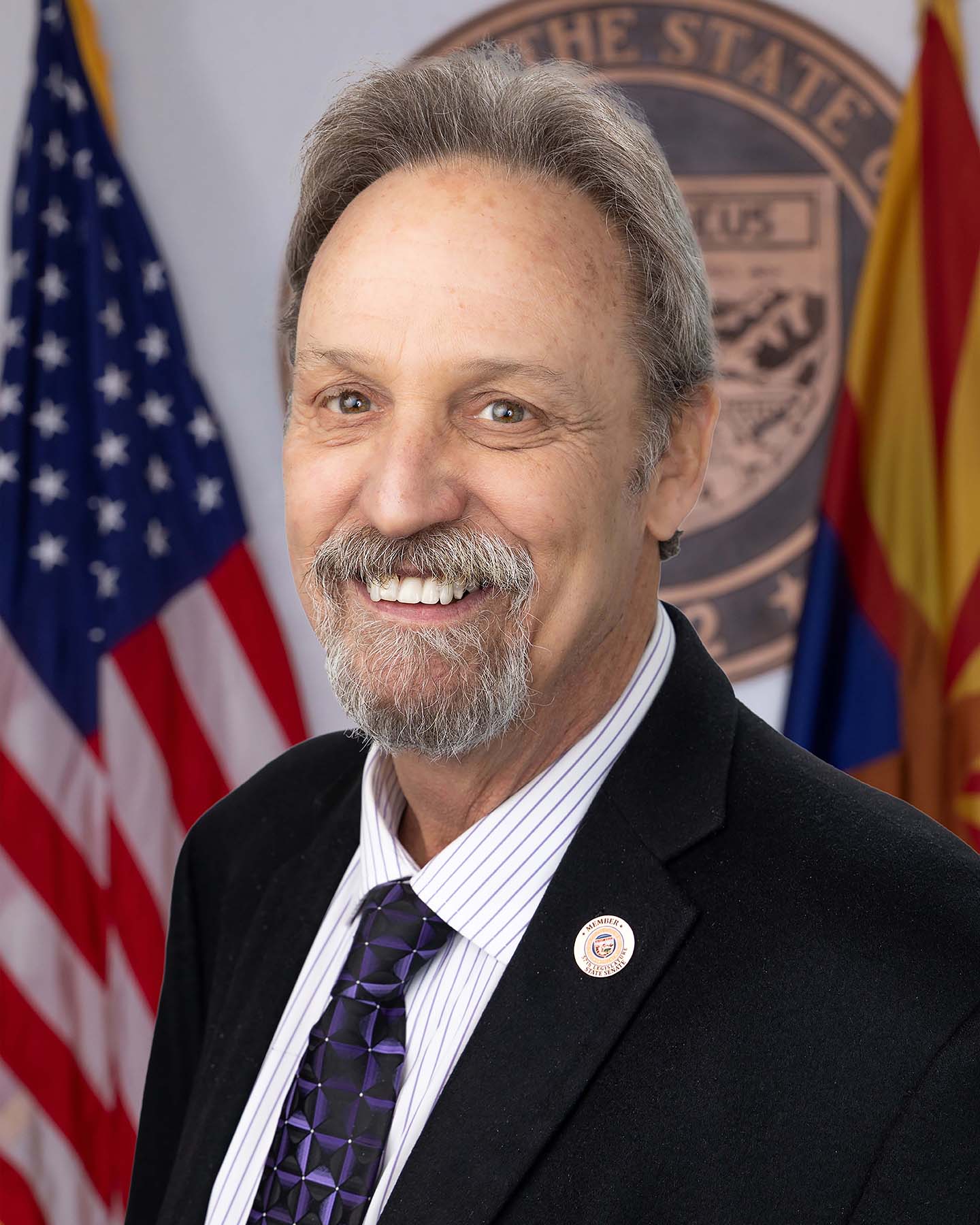
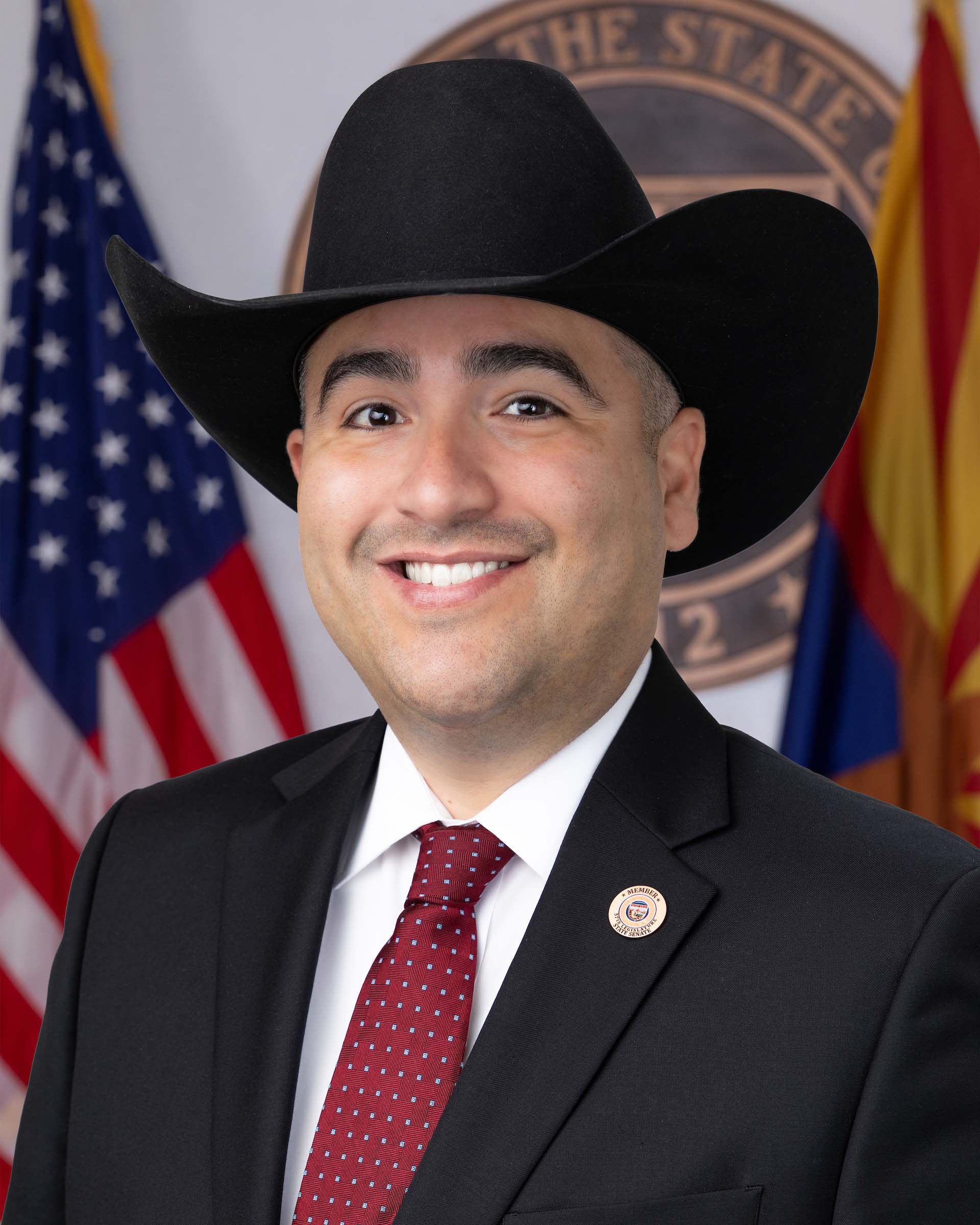
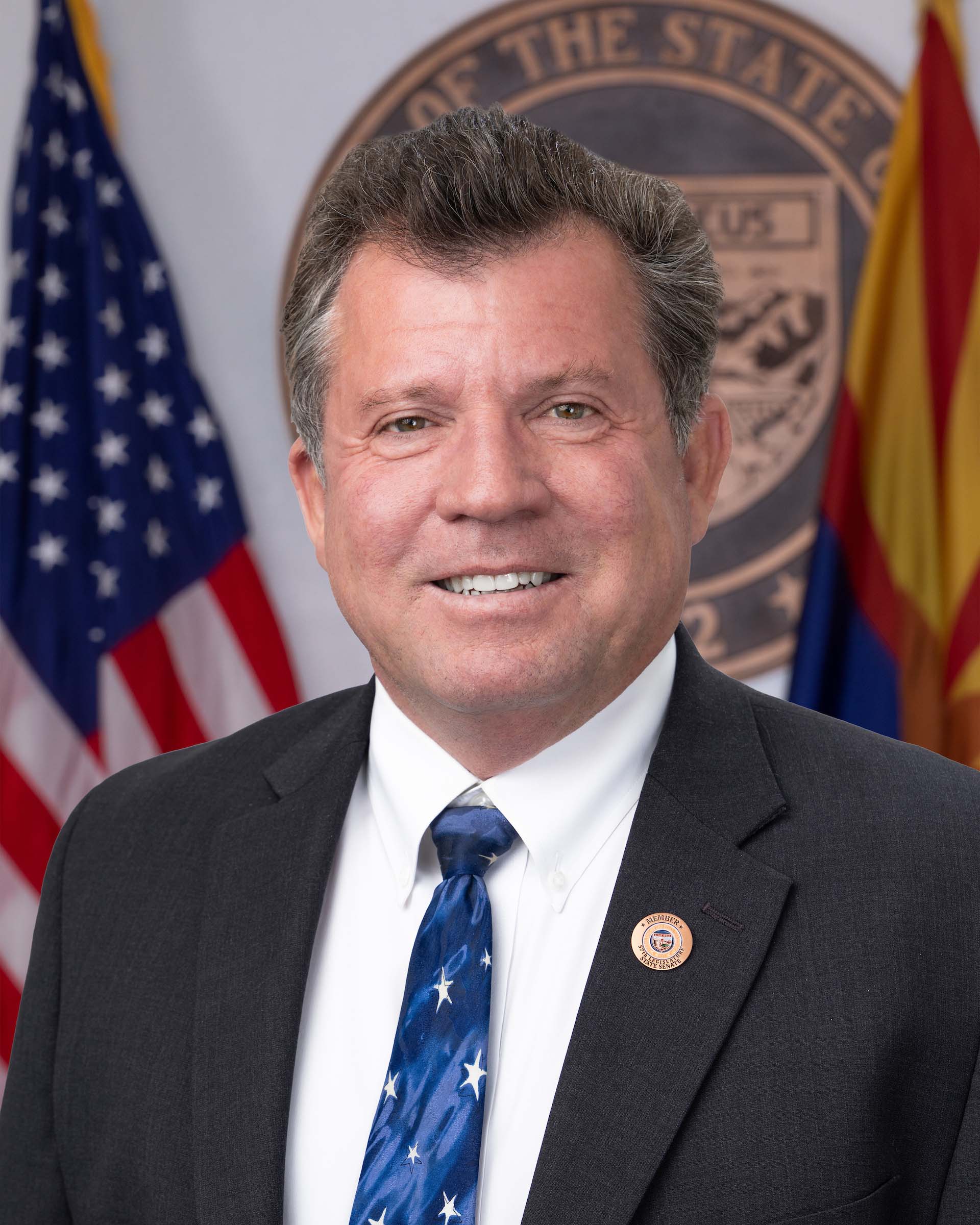
Kevin Payne
Kevin Payne Senate · District 27
R
Strong +
81% 164
Hildy Angius
Hildy Angius Senate · District 30
R
Support
79% 178
T.J. Shope
T.J. Shope Senate · District 16
R
Support
79% 179
Vince Leach
Vince Leach Senate · District 17
R
Support
79% 179
Tim Dunn
Tim Dunn Senate · District 25
R
Support
79% 179
Michael Way
Michael Way House · District 15
R
Oppose
24% 223
Justin Olson
Justin Olson House · District 10
R
Oppose
27% 241
Khyl Powell
Khyl Powell House · District 14
R
Oppose
27% 241
Rachel Keshel
Rachel Keshel House · District 17
R
Oppose
28% 235
Alex Kolodin
Alex Kolodin House · District 3
R
Oppose
30% 238
Showing 261–270 of 272 bills

All healthcare bills

signed · Arizona · Senate Mar 27, 2026

SB 1023: optometrists; eye exams; prescriptions

SB 1023 requires Arizona optometrists to conduct eye exams at least annually to assess both vision and eye health, following community medical standards. It allows optometrists to extend eyeglass prescription validity up to two years or shorten it based on individual patient factors like health risks or medical conditions. The bill directly affects optometrists by setting standardized exam frequency and prescription rules, while patients may experience changes in how often they need new prescriptions. This legislation standardizes eye care practices without mandating specific medical outcomes.
passed · Arizona · House Mar 24, 2026

HB 2051: AHCCCS; lactation care; breastfeeding

HB 2051 adds breastfeeding and lactation care services - including consultations, education, and counseling - as a covered benefit under Arizona's AHCCCS (Medicaid) program. This applies directly to AHCCCS enrollees, including new mothers, who need support in inpatient, outpatient, home-based, or group settings. The bill amends existing law to explicitly include these services under covered health and medical services without changing current coverage limits or funding. It does not alter other benefits or eligibility requirements for the program.
Sub-Topics Medicaid
introduced · Arizona · House Jan 13, 2026

HB 2061: health care services; patient rights

HB 2061 establishes core patient rights for individuals receiving healthcare in Arizona, directly affecting all patients, including unborn children as defined by existing law. The bill requires health professionals to act in the patient's best interest, avoid causing harm, and obtain informed consent for all medical treatments or procedures - except in emergencies. It defines key terms like "patient" (including unborn children) and "health professional" to clarify these rights within Arizona law. This legislation creates a legal framework for patient-centered care but does not alter existing medical practices or funding.
failed · Arizona · Senate Jun 11, 2026

SB 1009: high school students; AED training

SB 1009 requires Arizona high schools to provide all students with mandatory training in cardiopulmonary resuscitation (CPR) and automated external defibrillator (AED) use during high school. The training must be age-appropriate, based on current national guidelines, and include hands-on practice (except for online students). Schools may accept donations for materials and must allow exemptions for students with parental consent, prior certification, or individualized education program accommodations. This policy directly affects all Arizona public high school students and mandates training through certified providers like EMTs, Red Cross representatives, or school staff.
passed · Arizona · Senate Mar 24, 2026

SB 1065: appropriation; hyperbaric oxygen therapy; veterans

SB 1065 appropriates $3,640,000 from Arizona's general fund for fiscal year 2026-2027 to the "Hyperbaric Oxygen Therapy for Military Veterans Fund" established under Arizona Revised Statutes § 41-610.01. This funding directly supports military veterans who qualify for hyperbaric oxygen therapy under the existing program. The bill provides concrete financial resources for this specific healthcare service without altering eligibility rules or creating new policies. It is a straightforward funding measure for an established veterans' health benefit.
passed · Arizona · Senate Mar 24, 2026

SB 1017: informed consent; signatures

SB 1017 requires healthcare providers (physicians, nurse practitioners, or physician assistants) performing surgical procedures to obtain informed consent documents signed by three parties: the provider, the patient (or their legally authorized decision maker), and a witness, along with the date. The bill specifies that if a patient cannot physically sign, a witness must verify the patient's verbal consent directly to them. It defines "surgical procedure" as operations to correct deformities, repair injuries, or diagnose/treat disease. This bill directly affects healthcare facilities and providers in Arizona by standardizing consent documentation requirements for surgical care.
passed · Arizona · Senate Mar 24, 2026

SB 1014: insurance; gender surgeries; documentation; reports

SB 1014 requires health insurers in Arizona to cover gender detransition procedures (if they cover gender transition procedures) starting January 1, 2027, and mandates healthcare providers performing transition procedures to agree to provide or pay for detransition care. Insurers must report monthly data on detransition claims (excluding personal identifiers) to the state department, which will compile an annual public report. State agencies must create expedited processes for changing gender markers on official documents during detransition, with implementation deadlines through 2028, though the requirement expires December 31, 2028. The bill directly affects insurers, healthcare providers, and individuals seeking gender-related medical care or documentation changes.
signed · Arizona · House Jun 4, 2026

HB 2049: radiation therapy; rural counties

HB 2049 allows rural Arizona hospitals (with under 400,000 residents or designated as critical access hospitals) to use particle accelerators for cancer treatment under "general supervision" instead of requiring a doctor's constant presence. It requires hospitals to establish written treatment protocols reviewed annually, have doctors observe technicians every six months, and ensure doctors are available on-site at least once weekly for patient care. The bill directly affects rural hospitals and radiation therapy technologists by expanding access to cancer treatment while maintaining safety through documented protocols and oversight. This policy change aims to improve cancer care access in underserved areas without altering existing federal regulations.
Sub-Topics Hospitals
signed · Arizona · House Apr 13, 2026

HB 2089: ASRS; premium payment

HB 2089 modifies Arizona's State Retirement System (ASRS) to provide premium assistance for health insurance coverage for retirees and disabled members. It sets monthly payments from ASRS assets: up to $150 for single coverage (non-Medicare, ≥10 years service), $100 for Medicare-eligible single coverage, and higher family coverage amounts ($260-$215) based on Medicare status. Retirees with less than 10 years of service receive reduced percentages (50%-90%) of these amounts. The bill establishes a separate ASRS account solely for these benefits, ensuring funds aren’t diverted from other retirement obligations. It directly affects ASRS retirees, disabled members, and their dependents who elect ASRS health coverage or employer-provided plans.
Sub-Topics Insurance Medicare
signed · Arizona · House Jun 4, 2026

HB 2082: childhood cancer research; commission

HB 2082 establishes a state fund for childhood cancer and rare childhood disease research, managed by a new commission. It allocates monies to Arizona-based nonprofit health care providers and research institutions conducting early-stage clinical trials for pediatric cancers or rare diseases, allowing collaboration with out-of-state facilities. The commission - comprising childhood cancer survivors, caregivers, medical experts, and advocacy representatives - awards grants, recuses members with conflicts of interest, and must report annual grant details and research outcomes to lawmakers starting in 2027. The fund, exempt from typical budget lapse rules, is financed through legislative appropriations, donations, and a specific fee (with the first $32,000 reimbursing the fee payer).
Sub-Topics Children's Health
Showing 261 to 270 of 272 bills