Issue · Healthcare

Healthcare (Public Health)

Every healthcare bill, vote, and legislator stance in Arizona, automatically classified by Maddy, our AI policy reader.

Total bills
19
57th Legislature - Second Regular Session
Top supporter
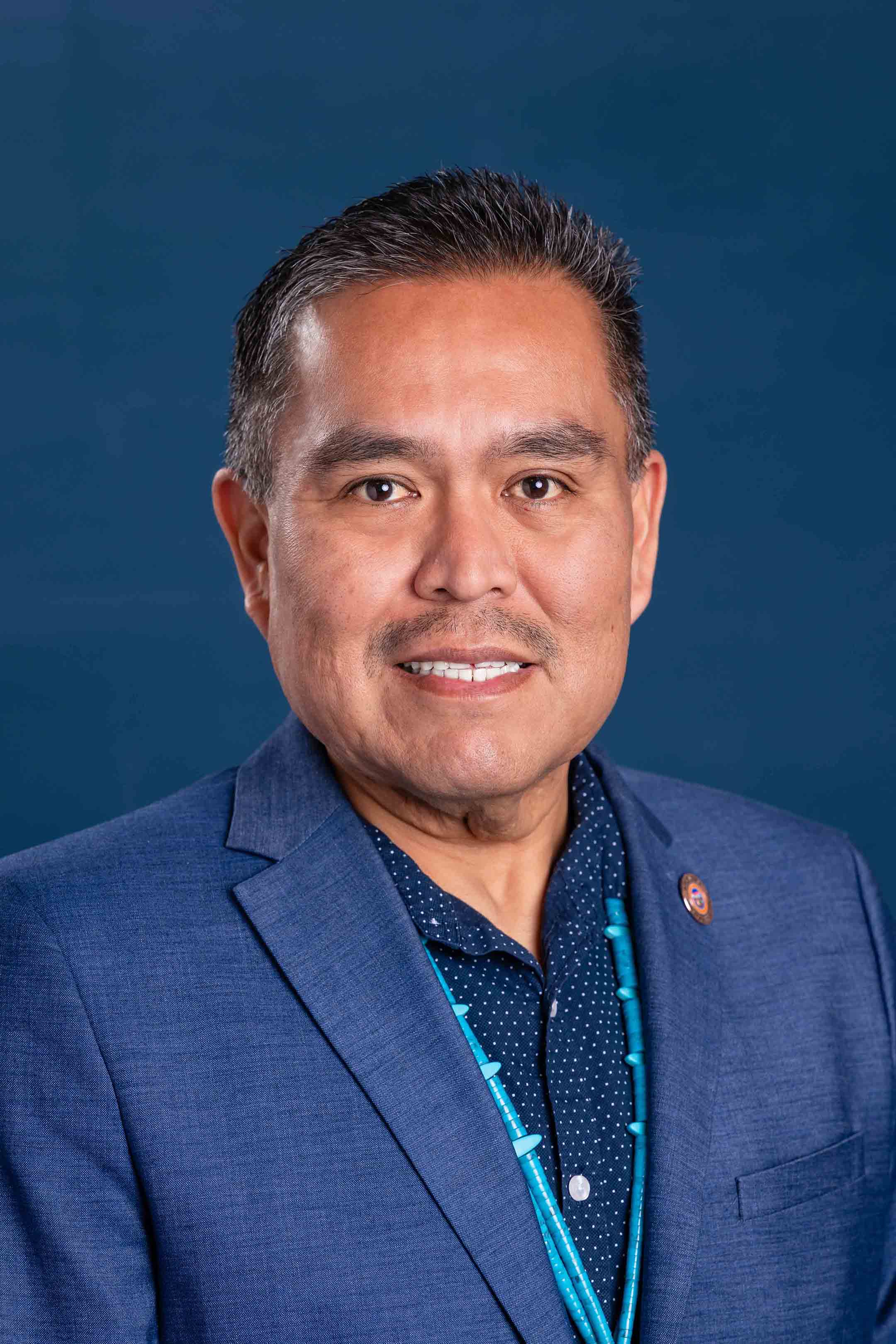
Myron Tsosie
100% support rate
Top opponent
Michael Way
0% support rate
Ranked legislators
10
5 support · 5 oppose
Key legislators

Who's moving public health in Arizona

Legislators moving public health in Arizona
Legislator Party Stance Support rate Decisive votes
Myron Tsosie
Myron Tsosie House · District 6
D
Strong +
100% 7
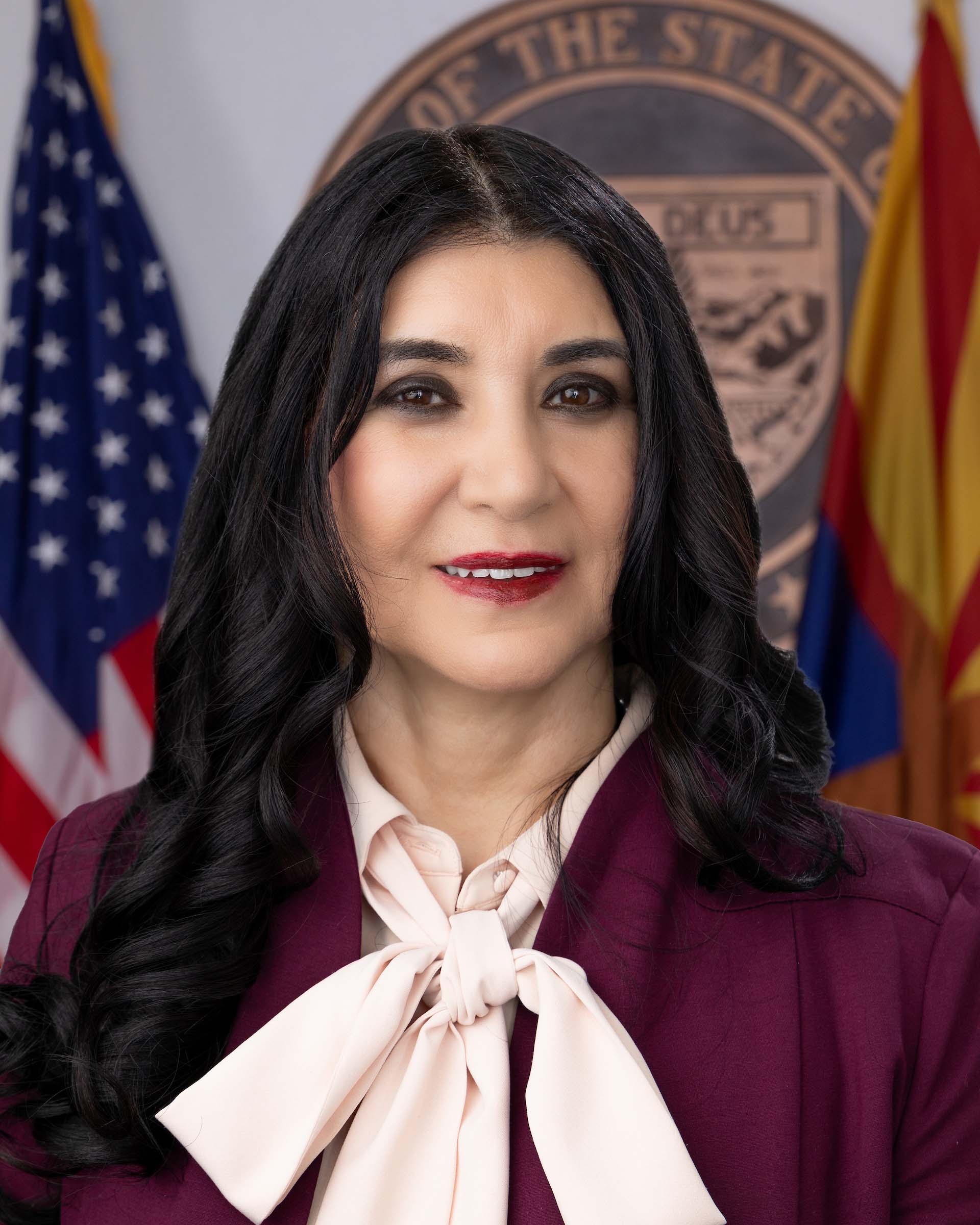
Nancy Gutierrez
Nancy Gutierrez House · District 18
D
Strong +
100% 4
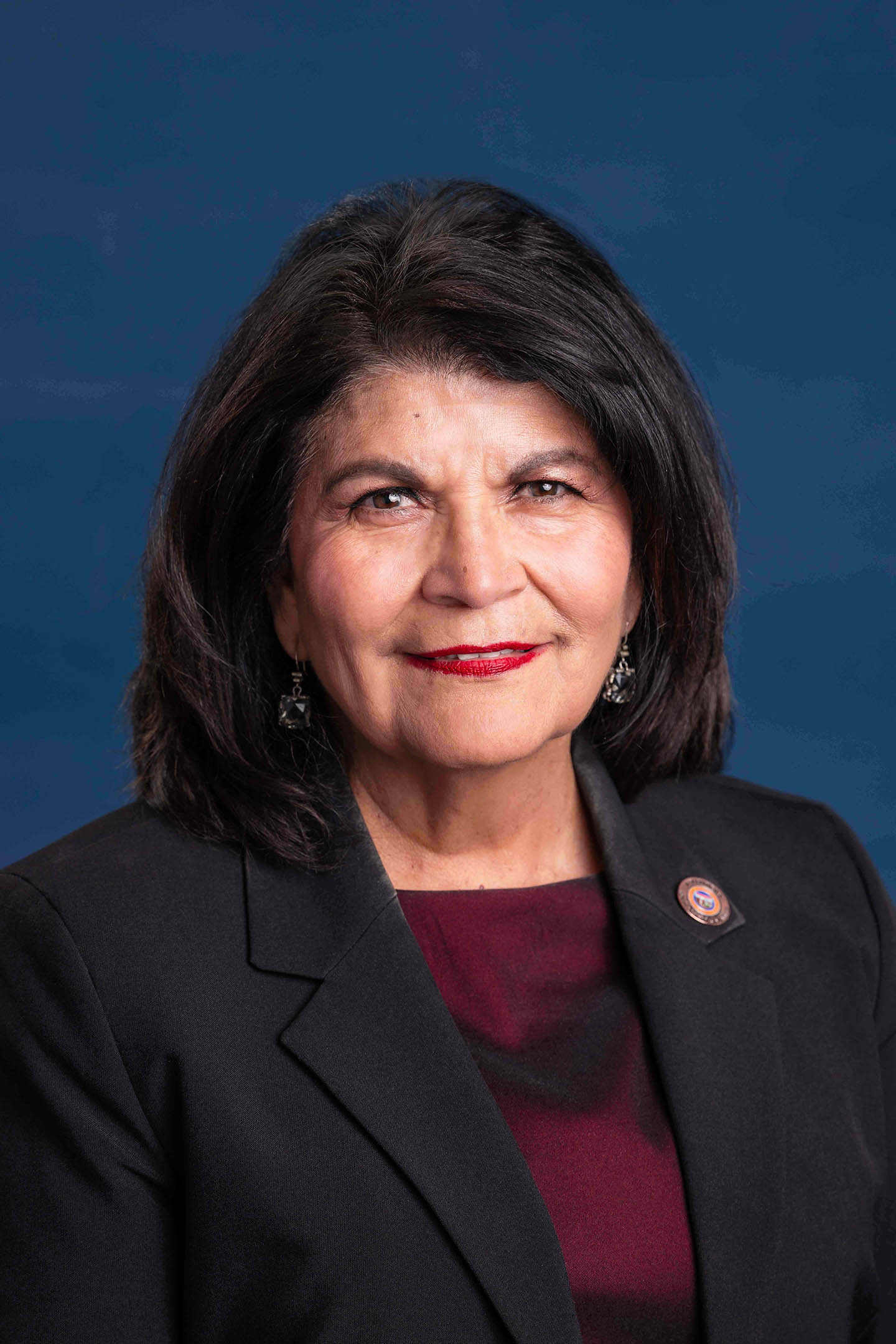
Betty Villegas
Betty Villegas House · District 20
D
Strong +
88% 8
Brian Garcia
Brian Garcia House · District 8
D
Strong +
88% 8
Chris Mathis
Chris Mathis House · District 18
D
Strong +
88% 8
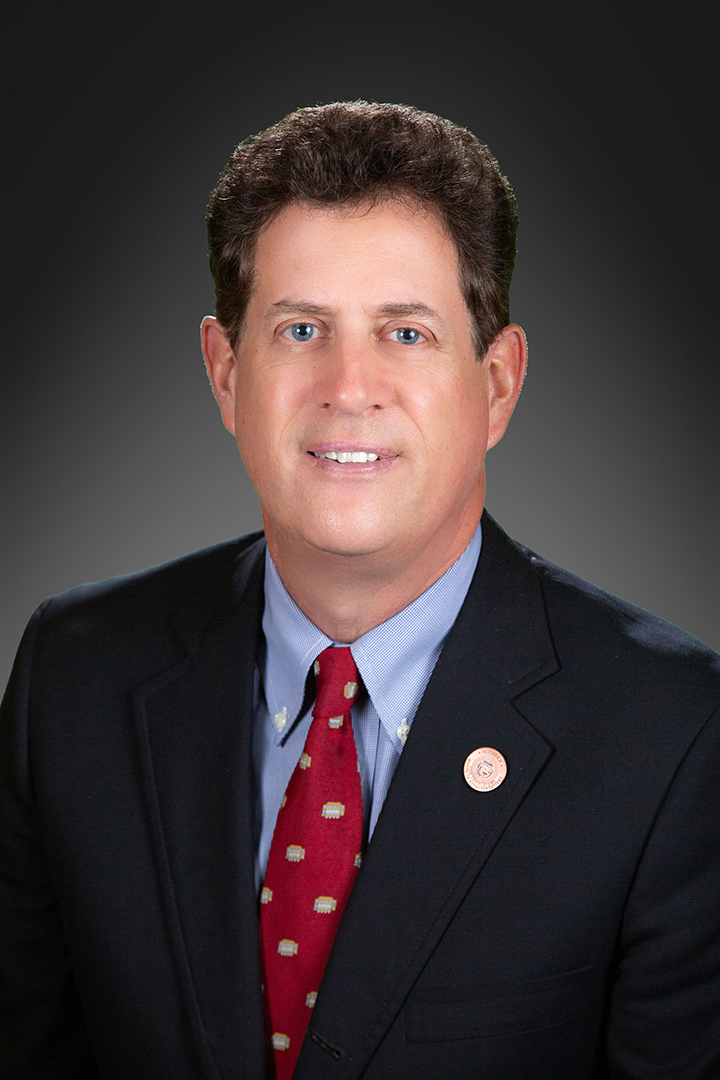
Michael Way
Michael Way House · District 15
R
Strong −
0% 6
Eva Diaz
Eva Diaz Senate · District 22
D
Strong −
20% 5
Beverly Pingerelli
Beverly Pingerelli House · District 28
R
Oppose
25% 8
John Gillette
John Gillette House · District 30
R
Oppose
25% 8
Julie Willoughby
Julie Willoughby House · District 13
R
Oppose
25% 8
Showing 11–19 of 19 bills

All healthcare bills

passed · Arizona · House Mar 17, 2026

HB 2444: pharmacists; independent testing; treatment

HB 2444 allows Arizona pharmacists to independently order, perform, and interpret certain FDA-waived tests (like flu, strep, or COVID-19 tests) and initiate treatment for specific conditions - including influenza, strep throat, HIV prevention, and other public health threats - without a physician's direct order. It directly affects pharmacists (who gain new clinical authority) and patients aged six or older who need treatment for those conditions. Key provisions require pharmacists to follow a statewide protocol covering documentation, referrals, patient screening, and evidence-based guidelines, while mandating notification to a patient’s primary care provider within 72 hours of treatment. The bill also prohibits pharmacists from prescribing opioids or treating minors without parental consent.
introduced · Arizona · House Jan 21, 2026

HB 2774: medical examiners; vaccine; reporting

HB 2774 requires Arizona medical examiners to report deaths potentially linked to vaccine side effects to the Department of Health Services. Specifically, if a medical examiner or forensic pathologist determines a death was caused by a vaccine-related condition, they must submit a copy of the autopsy report to the health department. This adds a new reporting requirement to existing autopsy procedures, focusing on collecting data about possible vaccine-related fatalities. The bill does not change vaccine policies or requirements - it only establishes a formal process for reporting such cases to public health officials.
Sub-Topics Public Health
introduced · Arizona · House Jan 21, 2026

HB 2336: health insurers; vaccine mandate; prohibition

HB 2336 prohibits health insurers in Arizona from requiring vaccines as a condition for coverage. Starting January 1, 2027, health insurers - including disability insurers, health care organizations, and hospital service corporations - cannot include vaccine mandates in policies issued, delivered, or renewed. This directly affects policyholders who would no longer face coverage restrictions tied to vaccination status. The law defines "health insurer" broadly to cover multiple types of health coverage providers.
introduced · Arizona · House Jan 26, 2026

HB 2840: schools; nutrition education; physical activity

HB 2840 requires Arizona public schools and charter schools to provide annual nutrition education for all students from kindergarten through 12th grade. This includes teaching practical healthy eating habits, scientific evidence on diet/exercise, disease prevention, and meal planning skills, with a focus on nutrient-dense foods and the impacts of ultraprocessed foods. The bill also mandates 30 minutes of daily physical activity for all students, allowing options like physical education classes, scheduled breaks, or active classroom time, while permitting medical exemptions. These requirements directly affect all Arizona K-12 schools and their students, aiming to integrate health education into daily school routines.
signed · Arizona · House Apr 13, 2026

HB 2179: air ambulance services

HB 2179 amends Arizona law to expand legal immunity for health professionals and institutions during public health emergencies, including air ambulance attendants. The bill protects those acting in good faith - such as delaying non-urgent care or altering treatment due to pandemic-related resource shortages - from civil liability, unless proven to have acted with gross negligence or willful misconduct. It specifically includes "air ambulance attendants" in the definition of health professionals covered under emergency care immunity provisions (Section 32-1471). The bill applies to actions taken on or after March 11, 2020, related to the pandemic state of emergency. It does not create new air ambulance services but clarifies protections for existing personnel providing emergency care.
Sub-Topics Public Health
introduced · Arizona · House Jan 21, 2026

HB 2335: health professionals; patients; vaccination status

HB 2335 prohibits health professionals in Arizona from refusing medical care to patients based solely on their vaccination status. It directly affects healthcare providers (like doctors and nurses) and patients, making such refusal an act of "unprofessional conduct" under state law. The key provision adds this specific prohibition to Arizona's professional conduct rules, requiring providers to offer care without discrimination related to vaccination. If enacted, this would prevent healthcare access denials tied to whether a patient is vaccinated or not.
Sub-Topics Public Health
passed · Arizona · Senate Mar 24, 2026

SB 1194: vaccination status; denial; prohibition

SB 1194 prohibits healthcare professionals and institutions in Arizona from denying care, services, or altering care quality based on a patient's vaccination status. It directly affects patients seeking healthcare and requires providers to offer equal care regardless of vaccination history. The bill allows individuals harmed by such discrimination to sue for damages, with violations subject to civil penalties of $500 per incident or three times actual damages, whichever is higher. It explicitly states that public health emergencies, crises, or pandemics cannot override these protections, ensuring vaccination status cannot be used to restrict healthcare access.
Sub-Topics Public Health
vetoed · Arizona · House Jun 19, 2026

HB 2086: vaccination mandates; masks; prohibition

HB 2086 prohibits Arizona state and local governments, as well as businesses, from requiring residents to wear masks or receive COVID-19 vaccinations (or variants) for entry or employment. The bill specifically bans mask mandates except for pre-existing workplace safety measures and prohibits vaccination requirements for COVID-19, with exceptions for government-owned healthcare facilities. It applies to all state/local government entities using tax revenues and businesses operating in Arizona, removing existing mandates without creating new requirements. The law directly affects residents, businesses, and government operations by eliminating these specific public health measures.
introduced · Arizona · House Jan 13, 2026

HB 2005: vaccination status; unprofessional conduct; policies

HB 2005 prohibits health professionals and healthcare institutions in Arizona from denying care or providing substandard care based on a patient's vaccination status. The bill adds two new provisions: one making such discrimination an act of unprofessional conduct for health professionals (A.R.S. § 32-3230.03), and another banning healthcare facilities from adopting policies that permit this discrimination (A.R.S. § 36-420.06). It directly affects doctors, nurses, hospitals, clinics, and other healthcare providers by requiring them to provide equal care regardless of a patient's vaccination status. The bill is currently prefilled (2025-11-17) and would become law if passed. This is a policy change focused on preventing discrimination in healthcare access.
Sub-Topics Public Health
Showing 11 to 19 of 19 bills