Issue · Criminal Justice

Criminal Justice (Law Enforcement)

Every criminal justice bill, vote, and legislator stance in Arizona, automatically classified by Maddy, our AI policy reader.

Total bills
12
57th Legislature - Second Regular Session
Top supporter
Wendy Rogers
78% support rate
Top opponent
Analise Ortiz
30% support rate
Ranked legislators
10
5 support · 5 oppose
Key legislators

Who's moving law enforcement in Arizona

Legislators moving law enforcement in Arizona
Legislator Party Stance Support rate Votes
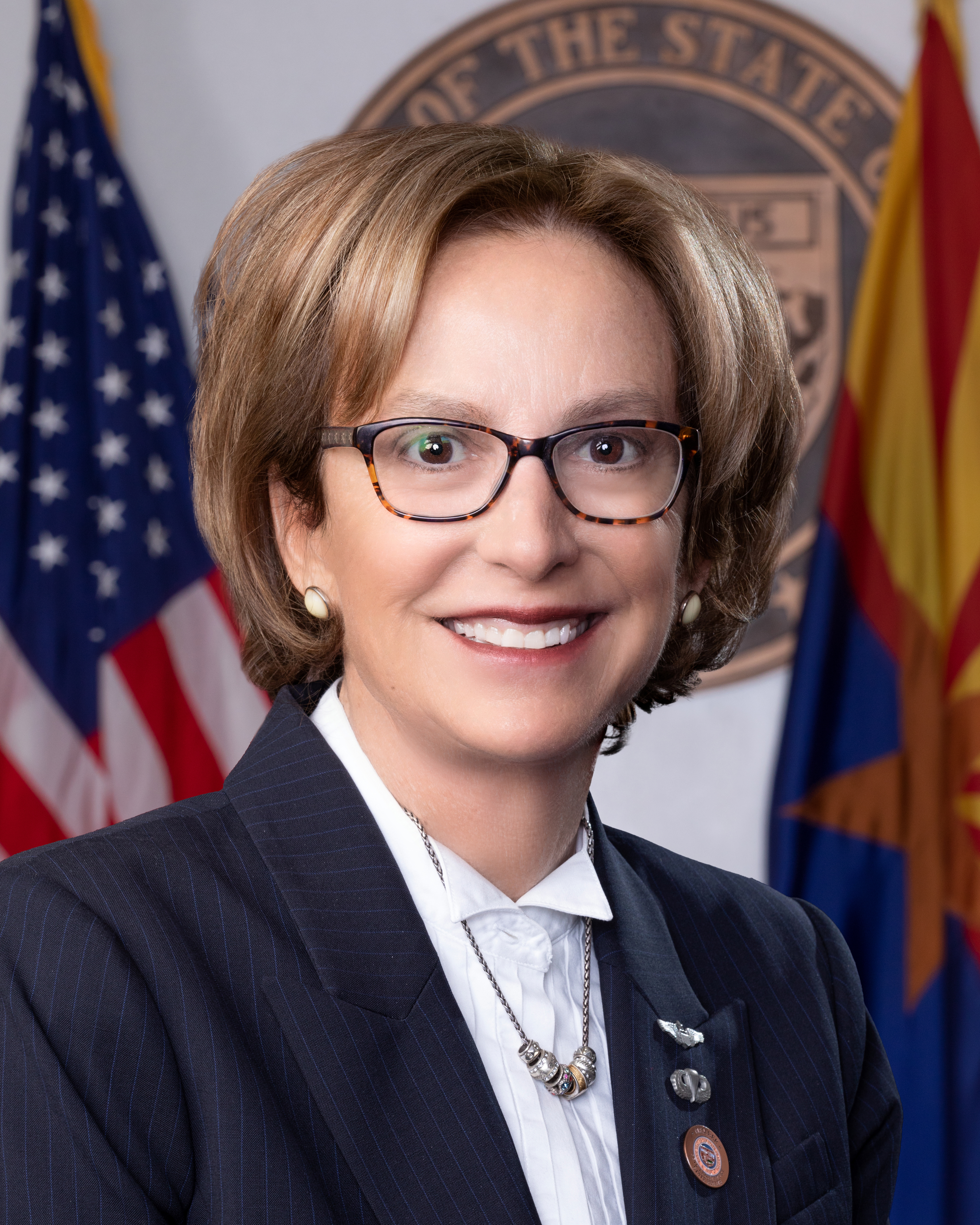
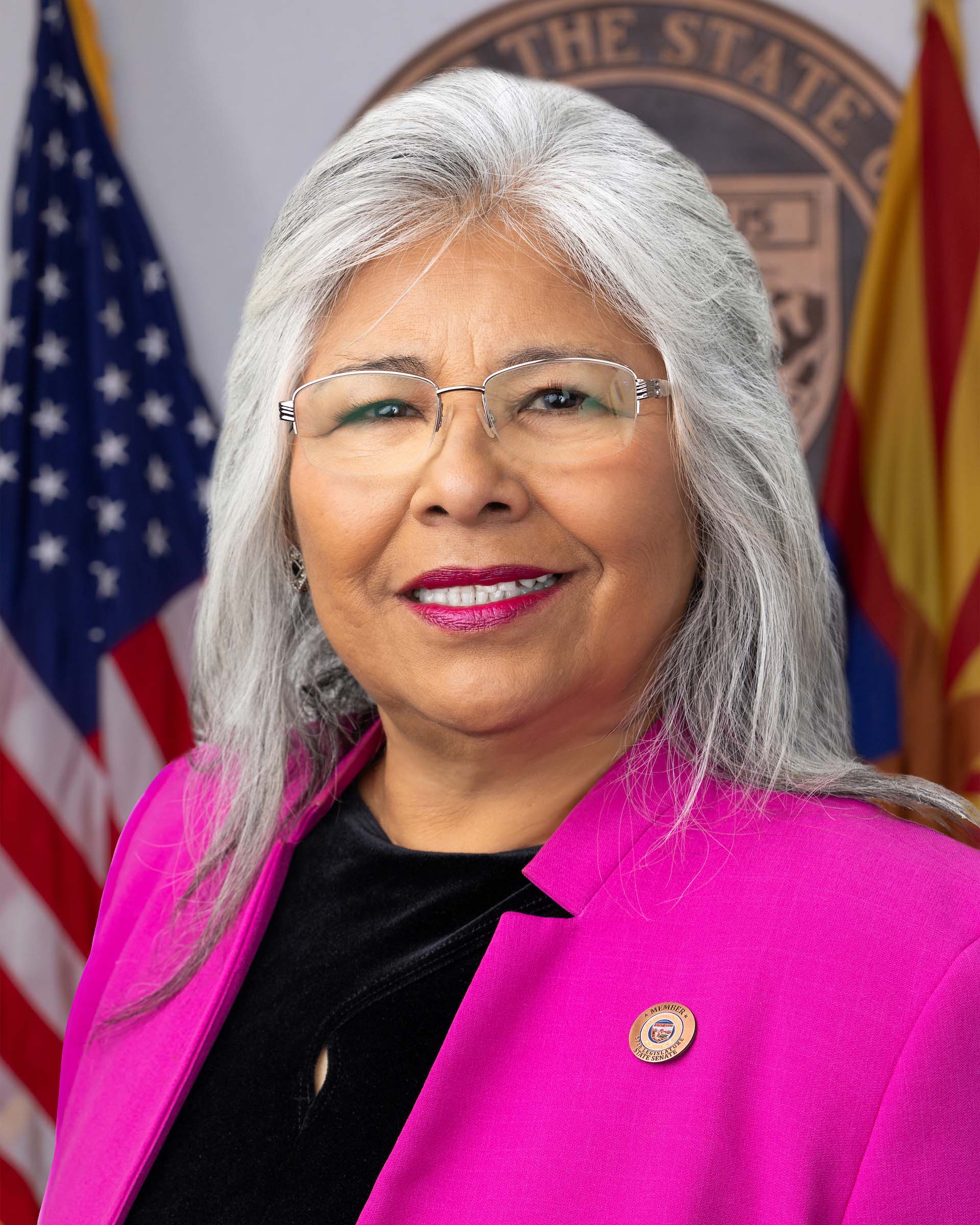
Wendy Rogers
Wendy Rogers Senate · District 7
R
Support
78% 9
Alex Kolodin
Alex Kolodin House · District 3
R
Support
75% 8
Justin Olson
Justin Olson House · District 10
R
Support
75% 8
Kevin Volk
Kevin Volk House · District 17
D
Support
75% 8
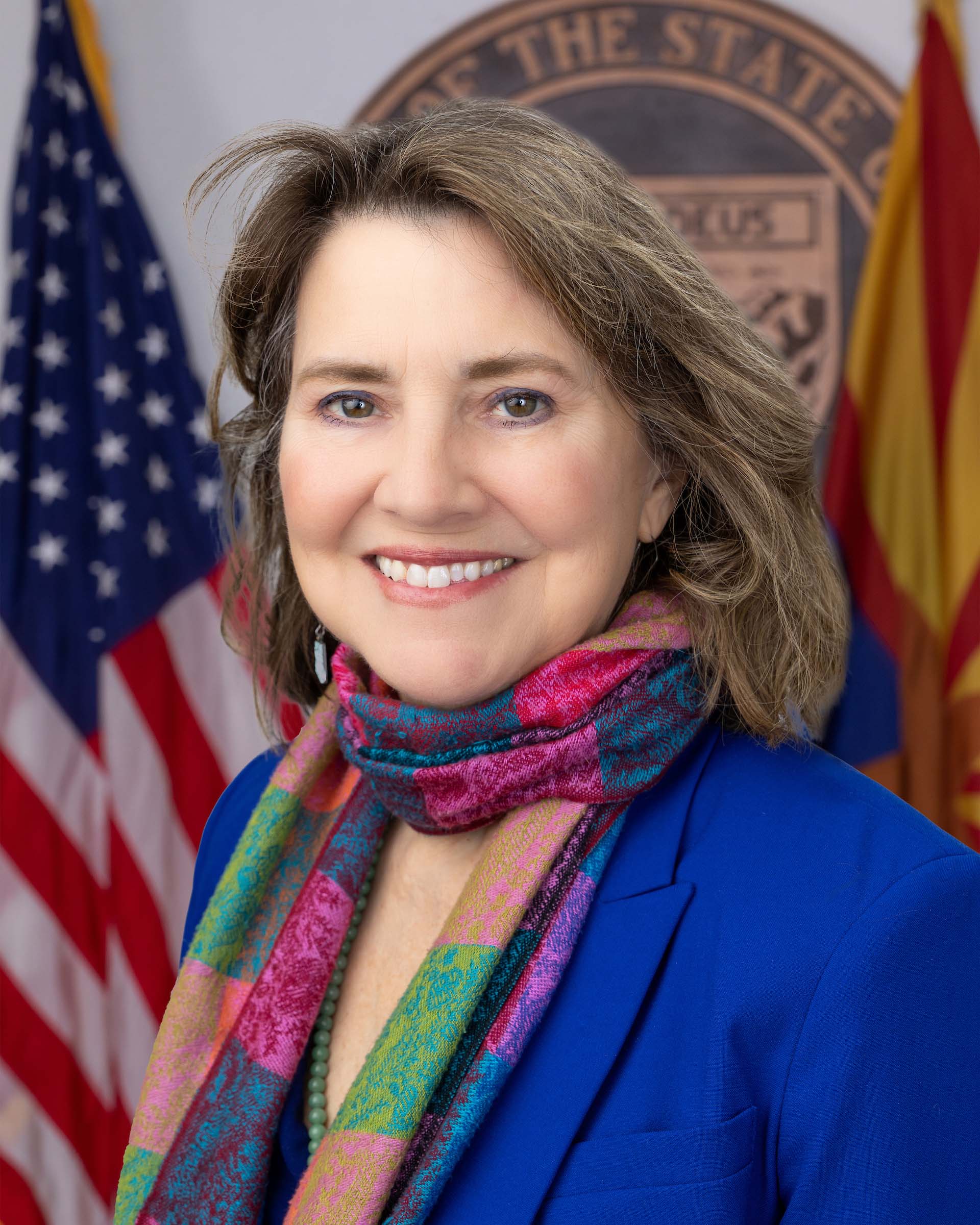
Lisa Fink
Lisa Fink House · District 27
R
Support
75% 8
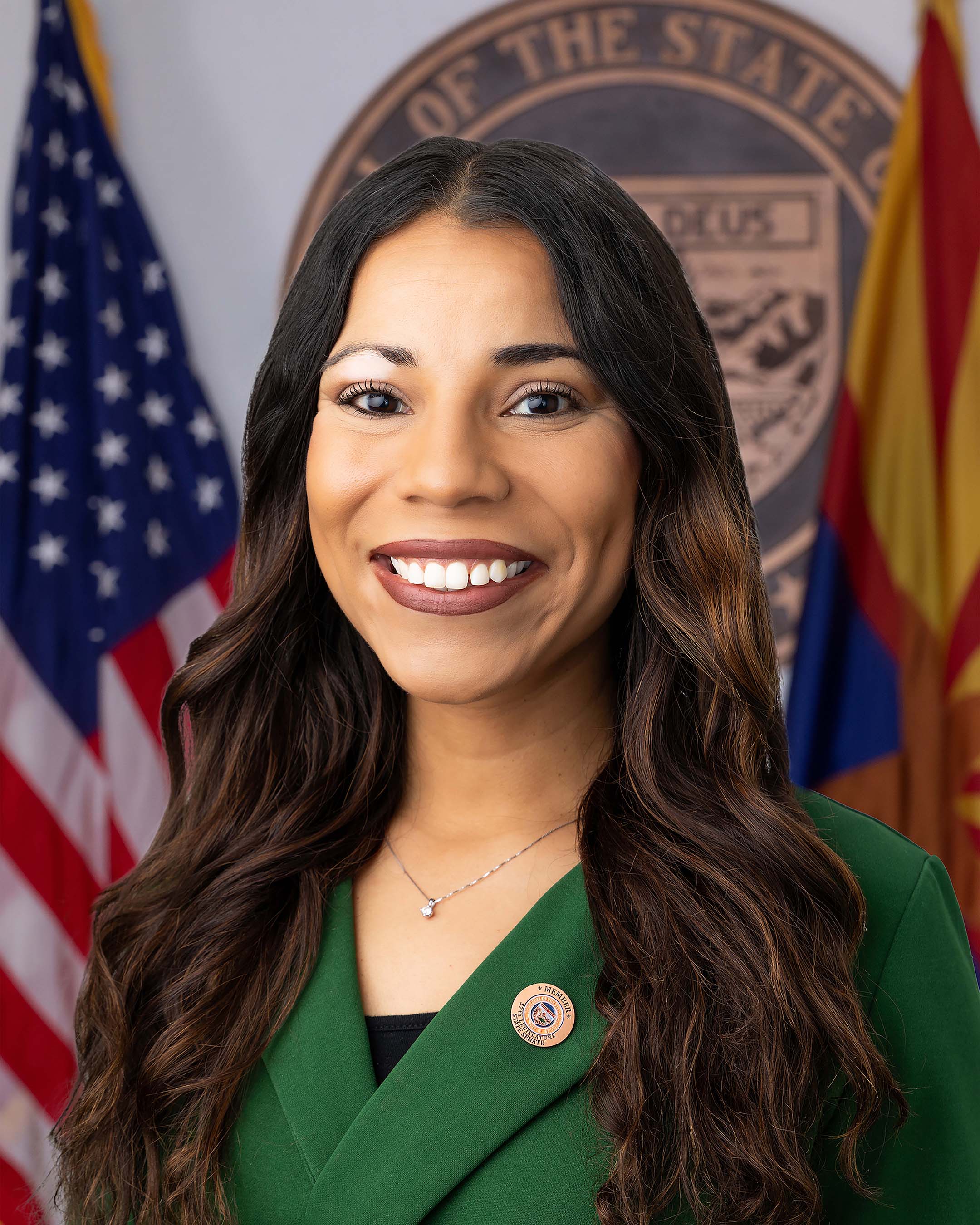
Analise Ortiz
Analise Ortiz Senate · District 24
D
Oppose
30% 10
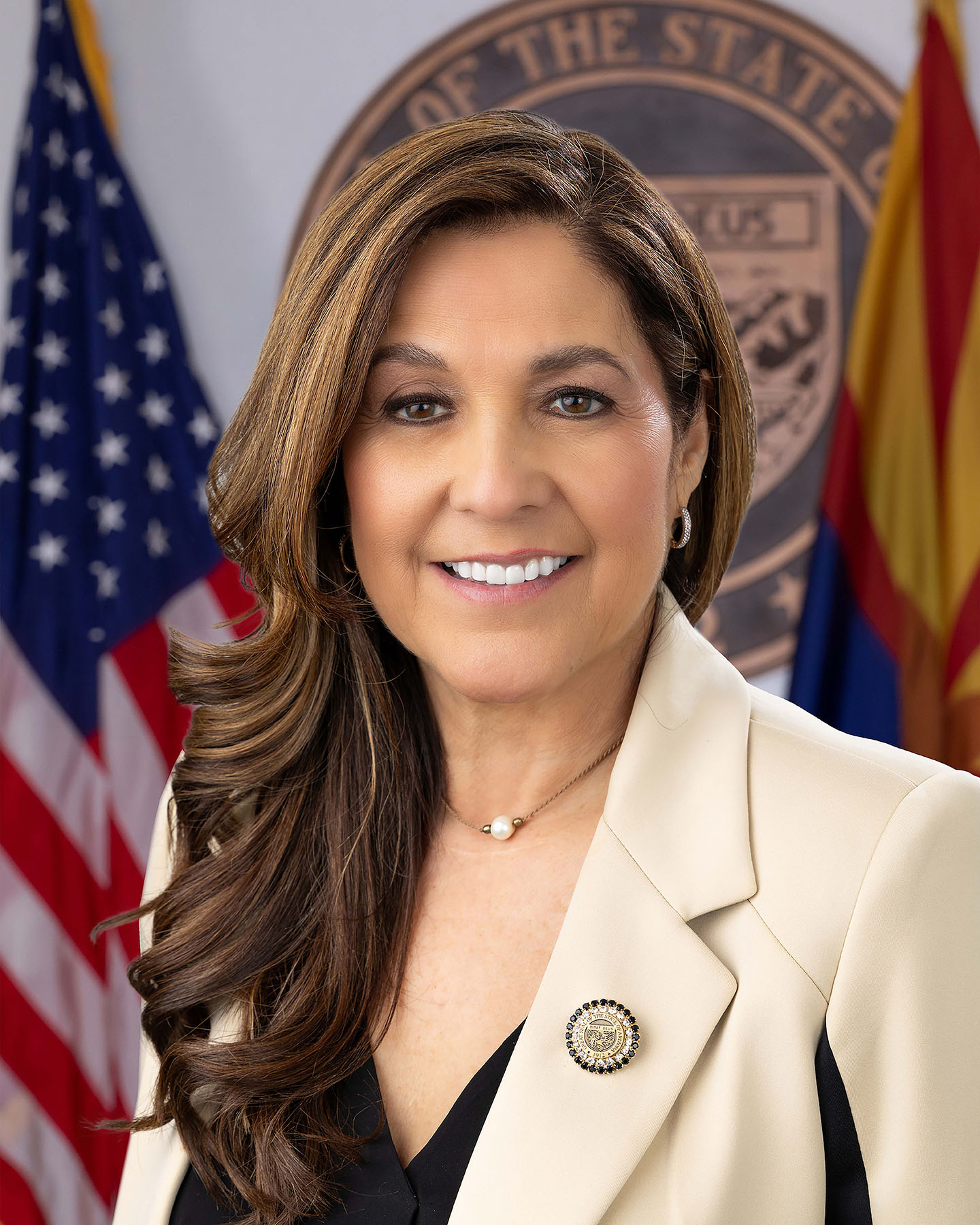
Catherine Miranda
Catherine Miranda Senate · District 11
D
Oppose
30% 10
Lauren Kuby
Lauren Kuby Senate · District 8
D
Oppose
30% 10
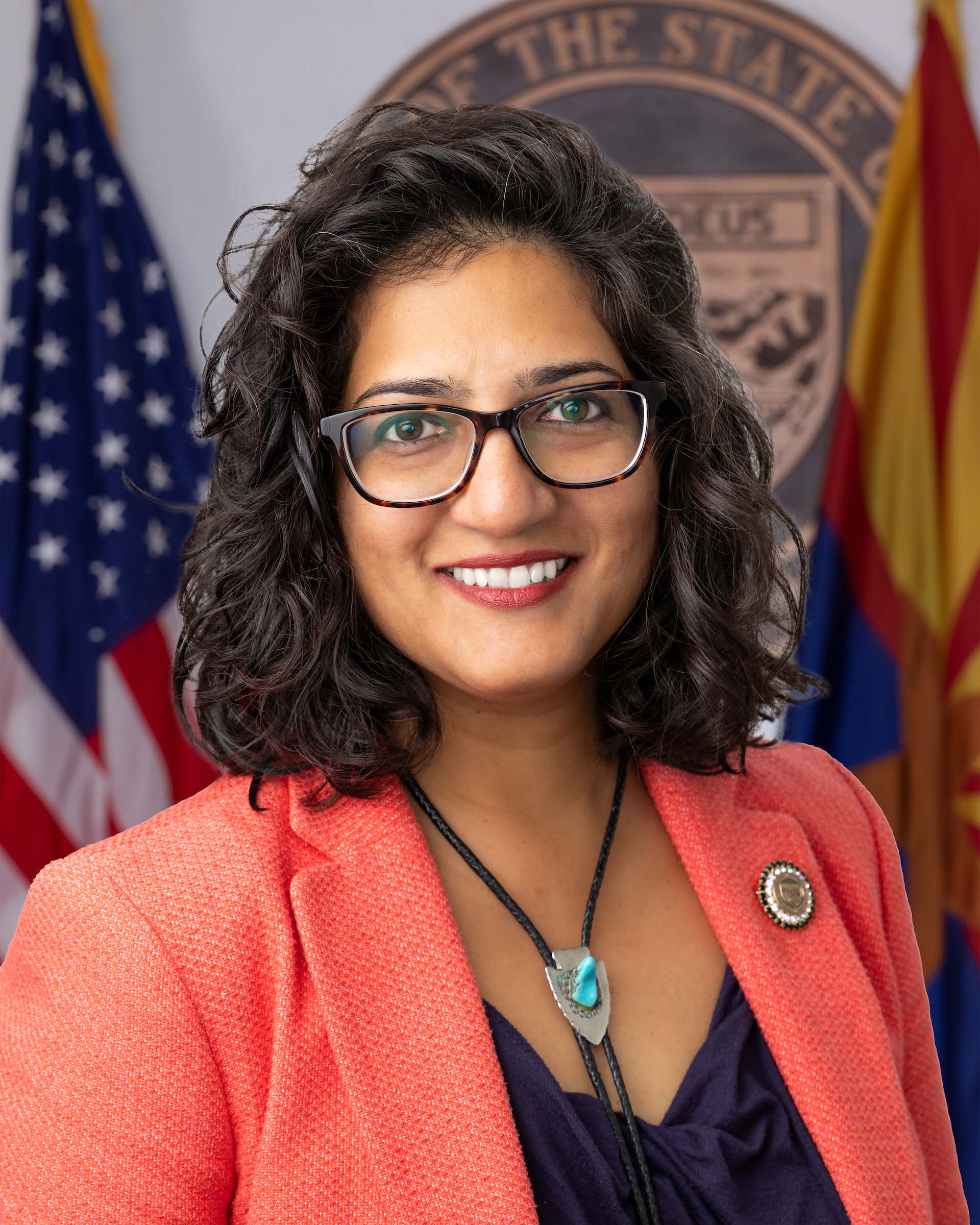
Priya Sundareshan
Priya Sundareshan Senate · District 18
D
Oppose
30% 10
Sally Gonzales
Sally Gonzales Senate · District 20
D
Oppose
33% 9
Showing 1–10 of 12 bills

All criminal justice bills

passed · Arizona · House Mar 11, 2026

HB 4136: unlawful entry; vulnerable adults; vagrants

HB 4136 creates two new felony offenses for entering a residential structure where a vulnerable adult lives without permission. A general unlawful entry (Class 4 felony) requires the owner/caregiver to report the incident, while a sexual offense version (Class 3 felony) applies if the entry involves specific sexual crimes. The bill mandates immediate arrest by law enforcement and adds this violation to Arizona’s sex offender registration requirements under Section 13-3821. It directly affects individuals entering vulnerable adults’ homes without consent, with the owner/caregiver’s report triggering criminal penalties.
Sub-Topics Law Enforcement
introduced · Arizona · Senate Feb 9, 2026

SB 1804: law enforcement; cameras; data storage

SB 1804 requires Arizona law enforcement officers to delete all body-worn and dash camera footage 30 days after recording, unless the footage is needed for active criminal cases, potential civil liability claims, or ongoing criminal prosecutions. This rule applies directly to all Arizona law enforcement officers and their agencies. The bill mandates automatic deletion of routine footage after 30 days, with the three specified exceptions preserving footage for legal proceedings. The law would change current data retention practices for law enforcement video evidence in Arizona, focusing on limiting storage duration for non-essential recordings.
Sub-Topics Law Enforcement
introduced · Arizona · Senate Feb 4, 2026

SB 1589: school personnel; reporting; drug offenses

SB 1589 strengthens Arizona's drug enforcement near schools by increasing penalties for drug offenses within 300 feet of school grounds, school buses, or bus stops. It requires all school staff to immediately report drug violations to administrators, who must then notify law enforcement - failure to report is a misdemeanor. The bill also mandates that schools include specific data on drug-related incidents requiring law enforcement contact in their annual public report cards. These changes directly affect school personnel, students, and law enforcement, with the goal of increasing accountability and transparency around drug activity in school zones.
passed · Arizona · Senate Mar 30, 2026

SB 1213: probation; immigration enforcement; court notification

SB 1213 requires Arizona law enforcement to verify the immigration status of individuals arrested for any offense when there is reasonable suspicion they are undocumented, using federal verification methods. It mandates that courts immediately notify U.S. Immigration and Customs Enforcement (ICE) or U.S. Customs and Border Protection (CBP) when an undocumented immigrant is released from jail or fined for a crime. The bill also allows secure transport of undocumented immigrants to federal custody, requiring judicial authorization for transport outside Arizona. Additionally, it presumes lawful presence for individuals presenting Arizona driver's licenses, tribal IDs, or other specified identification.
passed both · Arizona · Senate May 5, 2026

SB 1635: unlawful alert; arrests

SB 1635 makes it a class 1 misdemeanor to intentionally warn someone about an imminent or ongoing arrest with the goal of hindering, delaying, or preventing that arrest. It directly affects people who alert suspects during active law enforcement operations, such as by phone, gesture, or sound signals. The law excludes attorneys giving legal advice, responses to law enforcement requests, accidental communications, or warnings without intent to obstruct arrest. Violations could result in fines or jail time, as the bill defines "unlawful alerting" to include electronic messages, verbal warnings, or intentional signaling like bells or whistles.
introduced · Arizona · House Jun 13, 2026

HB 2808: attorney general; terrorist organization designation

HB 2808 authorizes Arizona's Attorney General to investigate and formally designate organizations as terrorist groups within the state, following a 30-day public notice period and opportunity for the group to respond. If designated, the organization cannot operate offices, solicit funds, or receive state contracts or public money in Arizona, and violators face civil penalties up to $50,000 or felony charges for aiding such groups. The bill defines "terrorist organization" broadly to include groups with ties to foreign terrorist entities, documented law enforcement links to extremism, or advocacy for parallel legal systems. It requires the Attorney General to submit annual reports on designations starting in 2027 and allows federal designations to be used as evidence. The law directly affects any Arizona-based organization meeting these criteria, imposing concrete operational and financial restrictions.
Sub-Topics Law Enforcement
passed · Arizona · House Mar 26, 2026

HB 2862: unlawful masking; violation

HB 2862 makes it a misdemeanor to wear a mask to conceal one's identity at public assemblies (gatherings of 10+ people in public or permitted spaces). It specifically prohibits this behavior, with exceptions for holiday costumes, religious attire, medical devices, occupational safety gear, athletic equipment, and law enforcement use. The law classifies a first offense as a class 3 misdemeanor and repeat violations as a class 1 misdemeanor. It directly affects individuals attending public gatherings who wear face-covering masks without qualifying for an exemption.
Sub-Topics Law Enforcement
introduced · Arizona · House Jan 27, 2026

HB 2864: misconduct involving weapons; instigation

HB 2864 amends Arizona law to define "misconduct involving weapons," adding 17 specific prohibited actions. Key provisions include banning concealed carry of deadly weapons near schools, polling places, or in vehicles during serious crimes, and prohibiting instigating others to commit such offenses (newly added in subsection A.17). The law directly affects individuals carrying weapons in restricted locations or circumstances, such as failing to disclose weapons to police or supplying firearms to those likely to commit felonies. Exceptions cover law enforcement, military personnel, licensed museums, and specific educational activities, but the bill focuses on expanding prohibited conduct rather than altering penalties.
failed · Arizona · Senate Jun 12, 2026

SB 1502: unlawful flight; reckless endangerment; violation.

This bill changes Arizona's penalties for drivers who intentionally evade police vehicles. It creates three felony classifications: a Class 5 felony for fleeing marked police cars (or unmarked cars when the driver admits or knew it was police), a Class 4 felony for endangering others while fleeing, and a Class 2 felony for causing serious injury, transporting minors under 15, or having prior traffic violations. The law directly affects drivers who knowingly flee law enforcement, with penalties escalating based on the severity of the situation.
introduced · Arizona · Senate Jan 28, 2026

SB 1444: deportation task force; appropriation

SB 1444 creates a state-funded deportation task force led by sheriffs' associations to coordinate with U.S. Immigration and Customs Enforcement (ICE) on deporting individuals who entered the U.S. illegally and have: (1) a criminal conviction, (2) been alleged to have committed a crime, (3) been detained based on criminal suspicion, or (4) been detained related to a crime. It defines "law enforcement agency" to include municipal police departments and county sheriff's offices. The bill appropriates funds for the task force's establishment and operation in fiscal year 2026-2027, exempting the funding from standard budget lapse rules. This policy directly affects non-citizens with criminal connections who interact with Arizona law enforcement.
Showing 1 to 10 of 12 bills
1 2 Next