Issue · Criminal Justice

Criminal Justice (Firearms)

Every criminal justice bill, vote, and legislator stance in Arizona, automatically classified by Maddy, our AI policy reader.

Total bills
5
57th Legislature - Second Regular Session
Top supporter
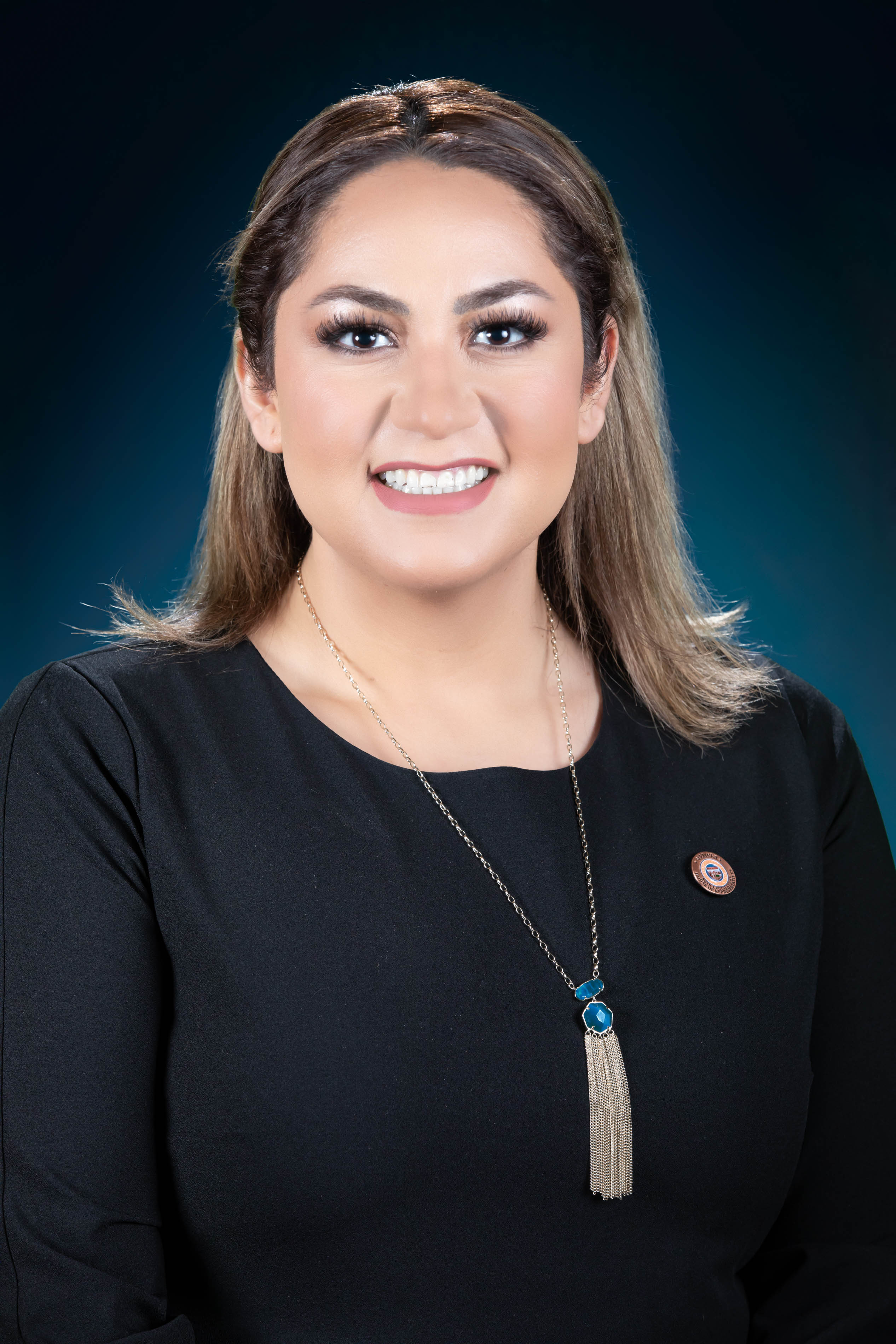
Alma Hernández
100% support rate
Top opponent
Alex Kolodin
25% support rate
Ranked legislators
10
5 support · 5 oppose
Key legislators

Who's moving firearms in Arizona

Legislators moving firearms in Arizona
Legislator Party Stance Support rate Votes
AH
Alma Hernández House · District 20
D
Strong +
100% 3
Consuelo Hernandez
Consuelo Hernandez House · District 21
D
Strong +
100% 3
Khyl Powell
Khyl Powell House · District 14
R
Support
75% 4
Lisa Fink
Lisa Fink House · District 27
R
Support
75% 4
Lydia Hernandez
Lydia Hernandez House · District 24
D
Support
75% 4
Alex Kolodin
Alex Kolodin House · District 3
R
Oppose
25% 4
David Livingston
David Livingston House · District 28
R
Oppose
25% 4
Gail Griffin
Gail Griffin House · District 19
R
Oppose
25% 4
Justin Olson
Justin Olson House · District 10
R
Oppose
25% 4
Kevin Volk
Kevin Volk House · District 17
D
Oppose
25% 4
Showing 5 of 5 bills

All criminal justice bills

introduced · Arizona · Senate Feb 4, 2026

SB 1600: unlawful securing of firearms; minors

SB 1600 makes it a crime for adults to negligently leave firearms accessible to minors under 17, specifically when the firearm is "readily dischargeable" (loaded or ready to fire). It requires reasonable storage measures like locked containers or trigger locks, and violations are classified as a class 6 felony (class 4 if injury or death occurs). The bill directly affects parents, guardians, or family members responsible for firearm storage, with specific exceptions for supervised use (e.g., hunting, self-defense). Key provisions include a 7-day arrest delay for family members if injury/death results and clear definitions of "minor" and "family member."
Sub-Topics Firearms
introduced · Arizona · House Jan 27, 2026

HB 2864: misconduct involving weapons; instigation

HB 2864 amends Arizona law to define "misconduct involving weapons," adding 17 specific prohibited actions. Key provisions include banning concealed carry of deadly weapons near schools, polling places, or in vehicles during serious crimes, and prohibiting instigating others to commit such offenses (newly added in subsection A.17). The law directly affects individuals carrying weapons in restricted locations or circumstances, such as failing to disclose weapons to police or supplying firearms to those likely to commit felonies. Exceptions cover law enforcement, military personnel, licensed museums, and specific educational activities, but the bill focuses on expanding prohibited conduct rather than altering penalties.
introduced · Arizona · House Jan 26, 2026

HB 2865: prohibited possessor; definition

HB 2865, titled "Jordin's Law," clarifies Arizona's definition of a "prohibited possessor" under firearm laws by amending Section 13-3101 of the Arizona Revised Statutes. It specifies who is barred from possessing firearms, including individuals convicted of felonies (with rights not restored), undocumented immigrants (with exceptions for hunters, shooting event participants, or diplomats), people subject to certain court orders (like mental health holds or domestic violence protection orders), and those serving prison terms or probation for violent offenses. The bill also defines "prohibited weapons," such as short-barreled rifles or machine guns, but states these definitions do not override federal law compliance. This is a definitional update to existing law, not a new restriction on firearm access.
signed · Arizona · House Apr 7, 2026

HB 2131: trafficking weapons or explosives

HB 2131 amends Arizona's weapons misconduct law (ARS § 13-3102) to specifically criminalize trafficking weapons or explosives for financial gain to assist criminal street gangs, syndicates, or racketeering enterprises. This provision directly affects individuals who sell or transfer weapons/explosives with the intent to support such criminal organizations. The bill adds this trafficking offense as a new subsection (A.16) to the existing statute, which already covers other weapon-related misconduct like concealed carry or possession by prohibited persons. Key exemptions remain for lawful activities like museum collections, military use, or educational purposes. The law creates a distinct criminal penalty for trafficking tied to organized criminal enterprises, not general weapon possession or sales.
Sub-Topics Drug Policy Firearms
passed · Arizona · House Mar 11, 2026

HB 2020: educational institutions; interference; disruption

HB 2020 defines and penalizes interference with or disruption of public educational institutions in Arizona. It requires public schools, colleges, and universities to adopt rules for maintaining order on their property, with penalties including ejection, suspension, or expulsion for students and staff who violate these rules. The law classifies threatening harm as a class 1 misdemeanor for minors or a class 6 felony for adults (18+), while entering school property to disrupt operations is a class 1 misdemeanor. Private educational institutions are exempt from these requirements, and the bill explicitly preserves approved gun safety programs on campuses.
Sub-Topics Firearms School Safety