Issue · Criminal Justice

Criminal Justice (Courts)

Every criminal justice bill, vote, and legislator stance in Arizona, automatically classified by Maddy, our AI policy reader.

Total bills
58
57th Legislature - Second Regular Session
Top supporter
Lydia Hernandez
100% support rate
Top opponent
Mitzi Epstein
30% support rate
Ranked legislators
10
5 support · 5 oppose
Key legislators

Who's moving courts in Arizona

Legislators moving courts in Arizona
Legislator Party Stance Support rate Votes
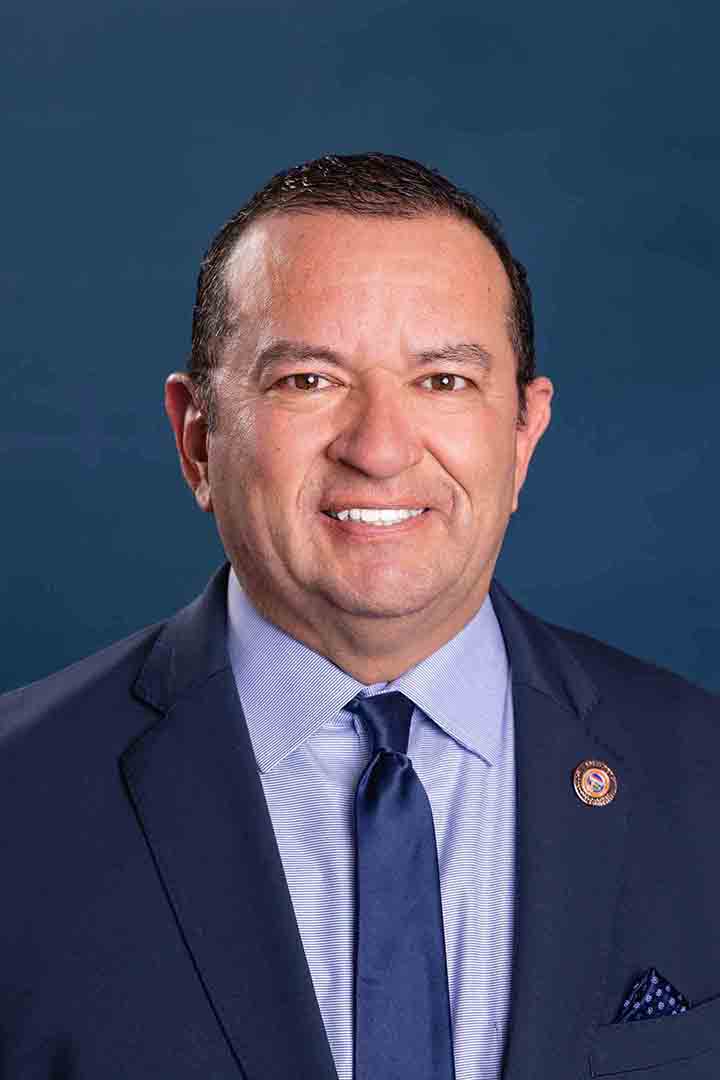
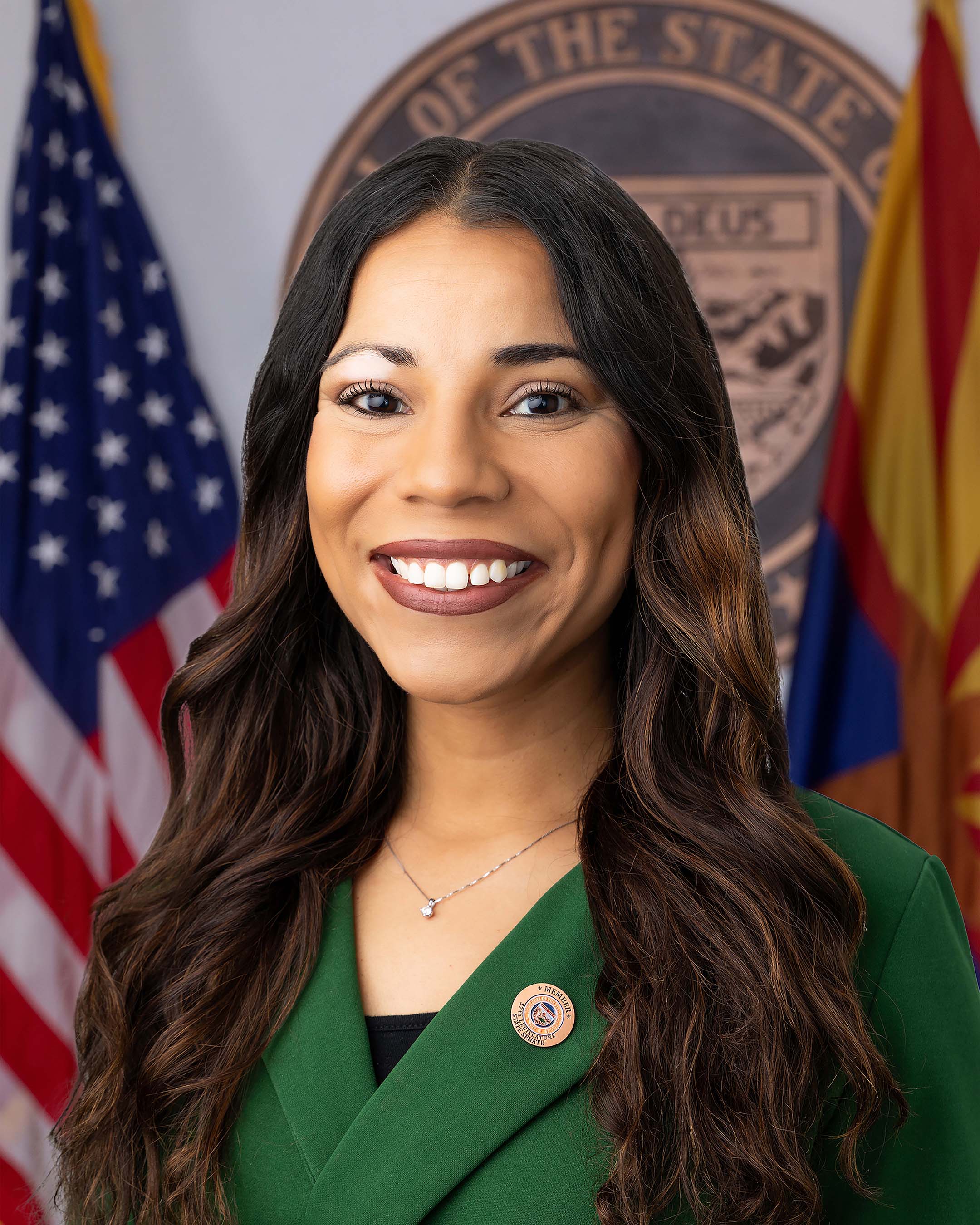
Lydia Hernandez
Lydia Hernandez House · District 24
D
Strong +
100% 11
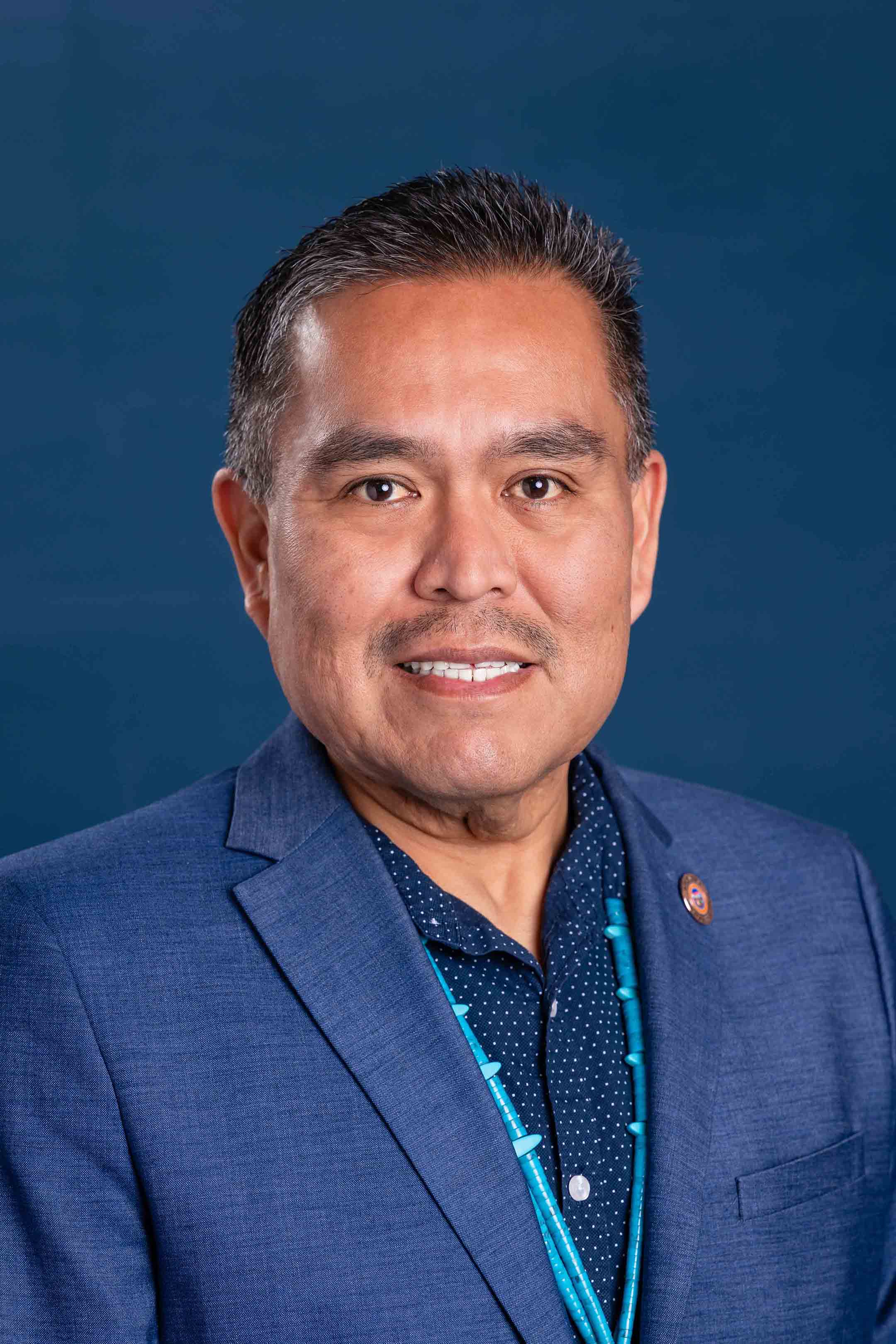
Myron Tsosie
Myron Tsosie House · District 6
D
Strong +
100% 8
Chris Lopez
Chris Lopez House · District 16
R
Strong +
92% 13
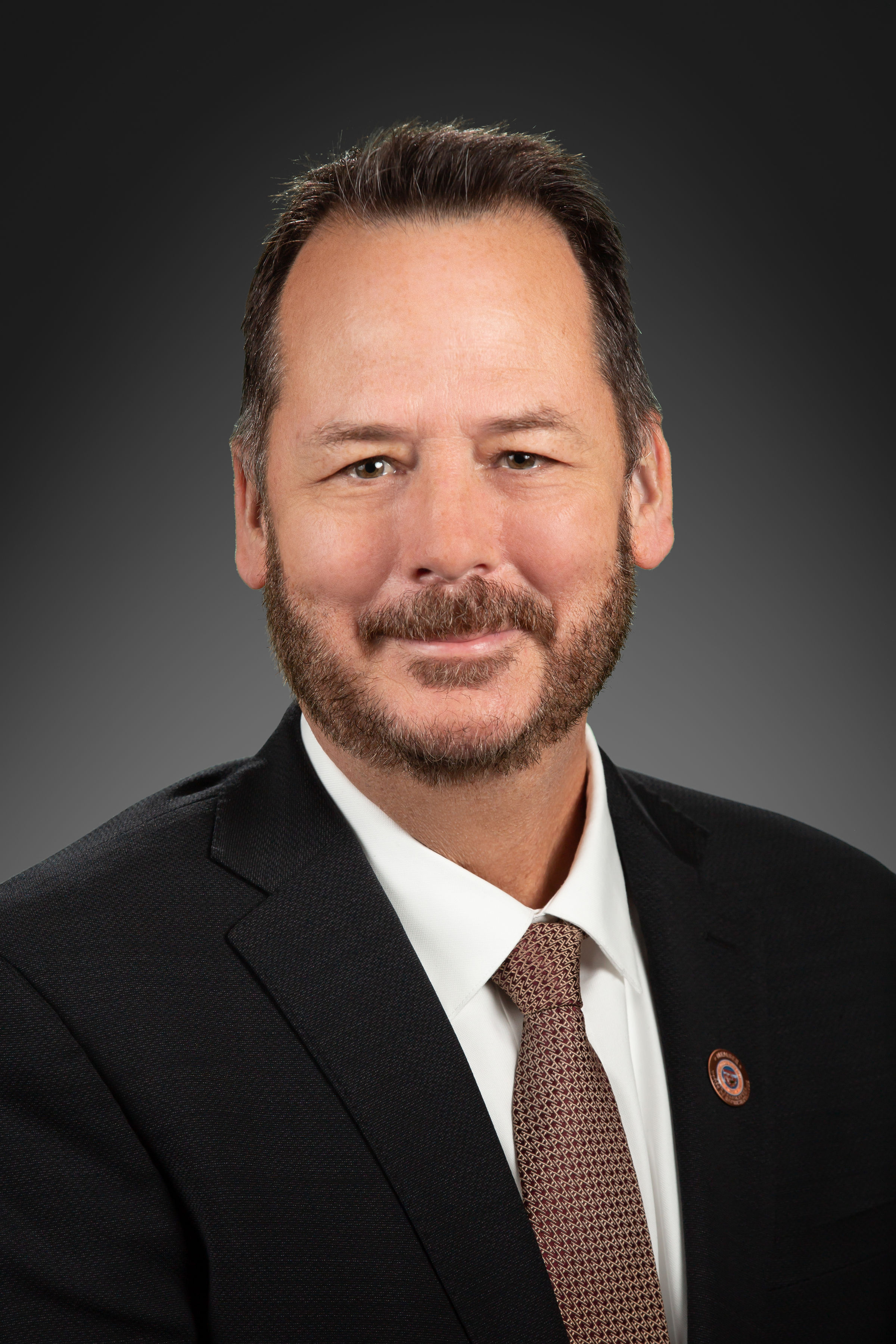
James Taylor
James Taylor House · District 29
R
Strong +
92% 13
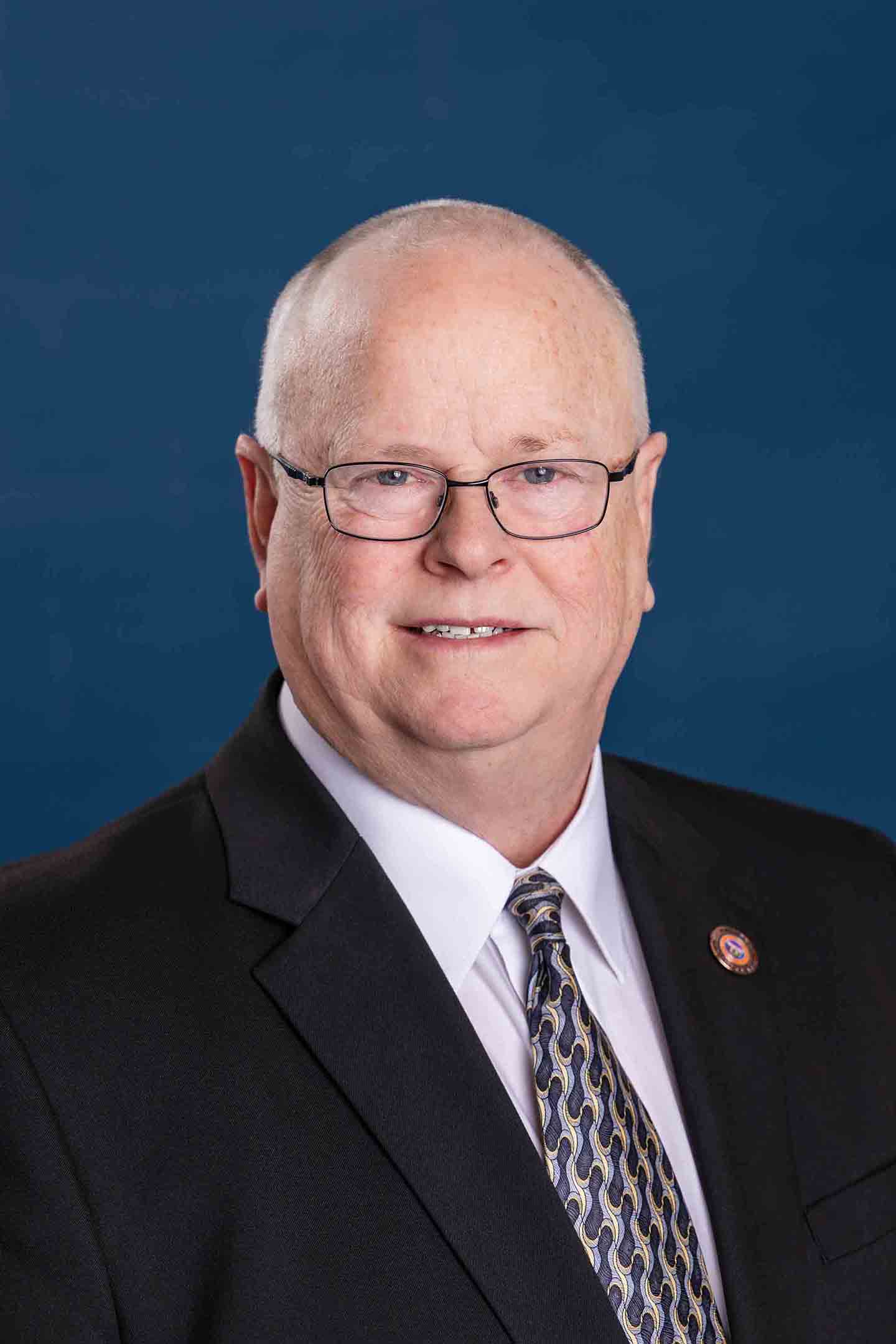
Jeff Weninger
Jeff Weninger House · District 13
R
Strong +
92% 13
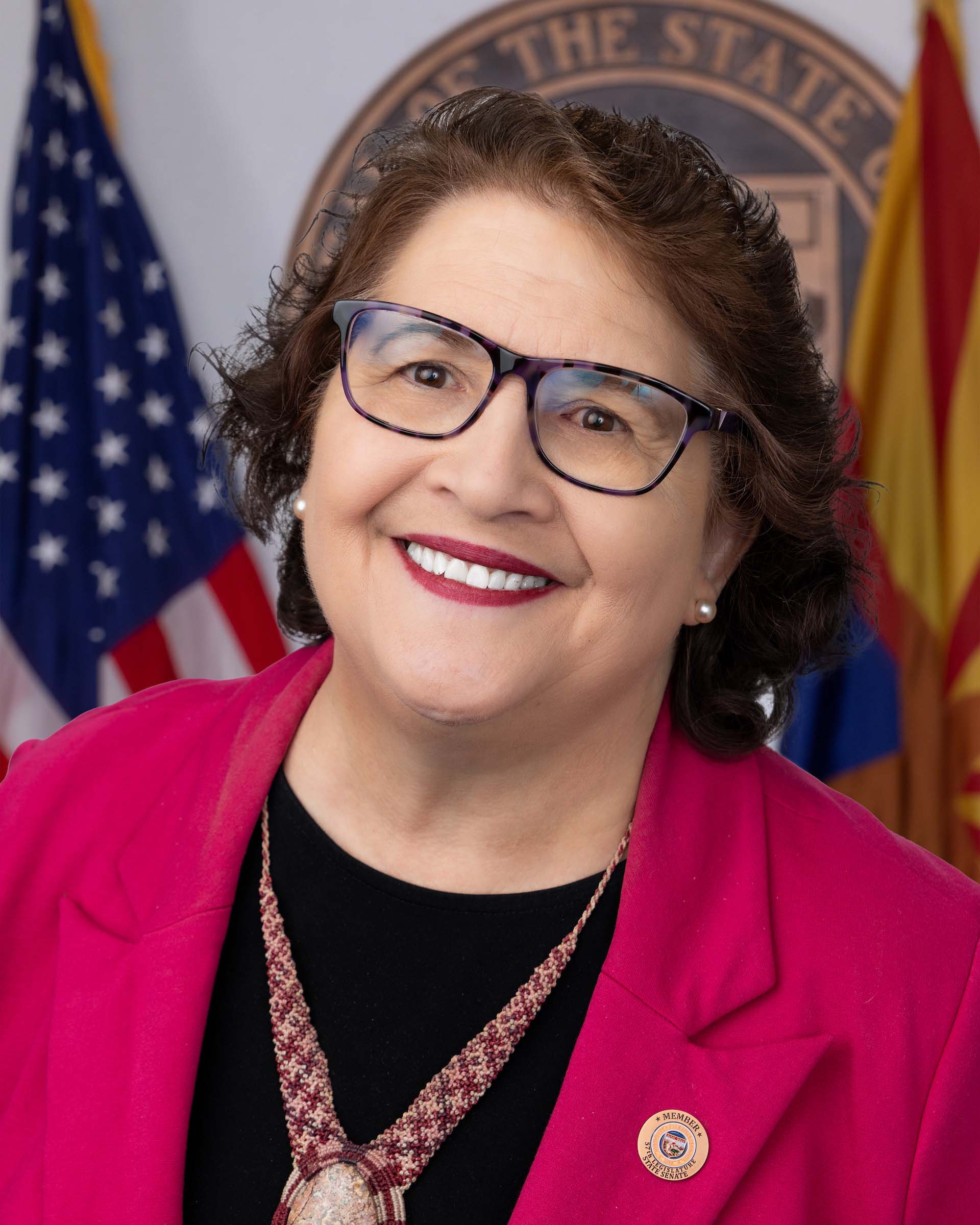
Mitzi Epstein
Mitzi Epstein Senate · District 12
D
Oppose
30% 20
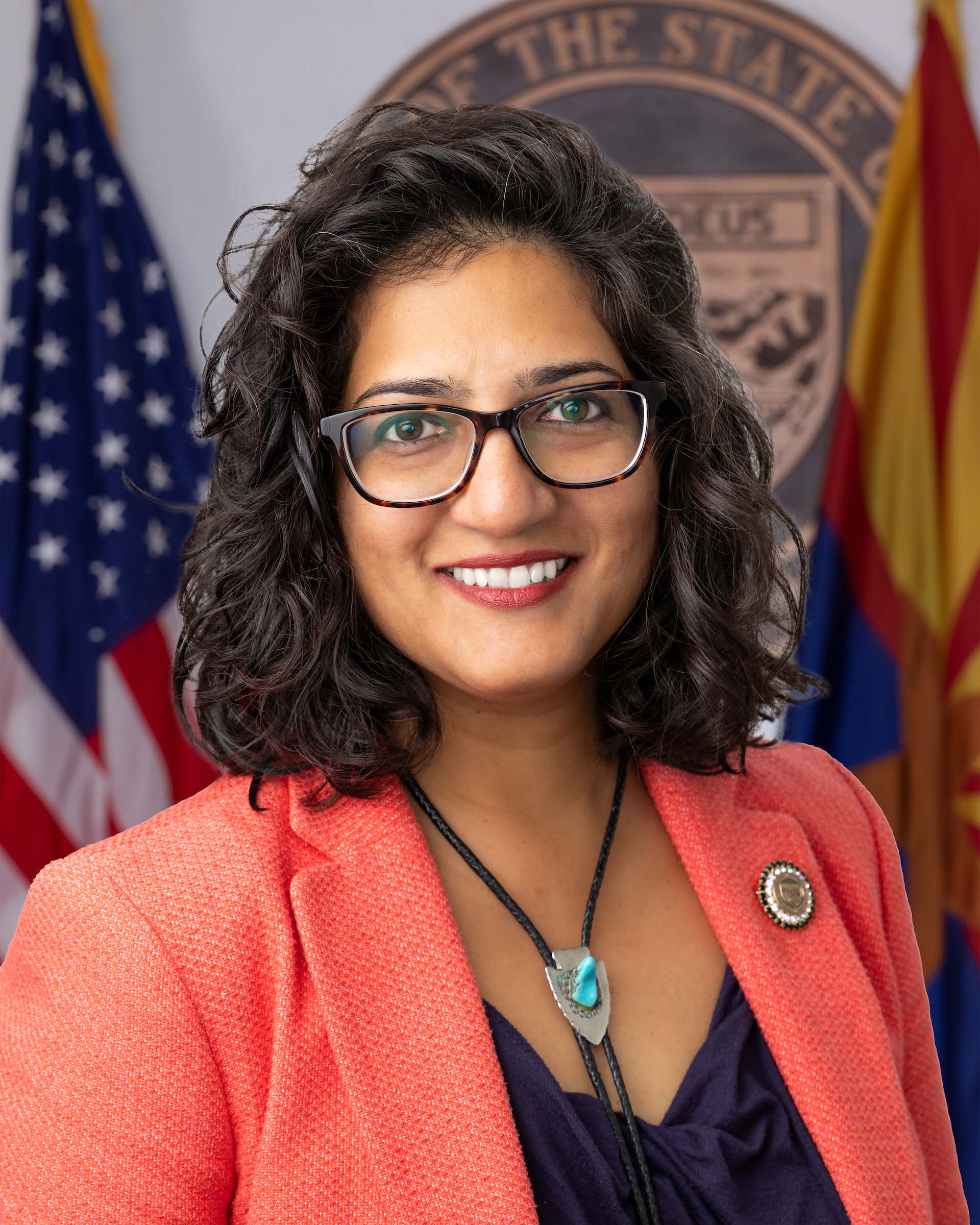
Priya Sundareshan
Priya Sundareshan Senate · District 18
D
Oppose
32% 19
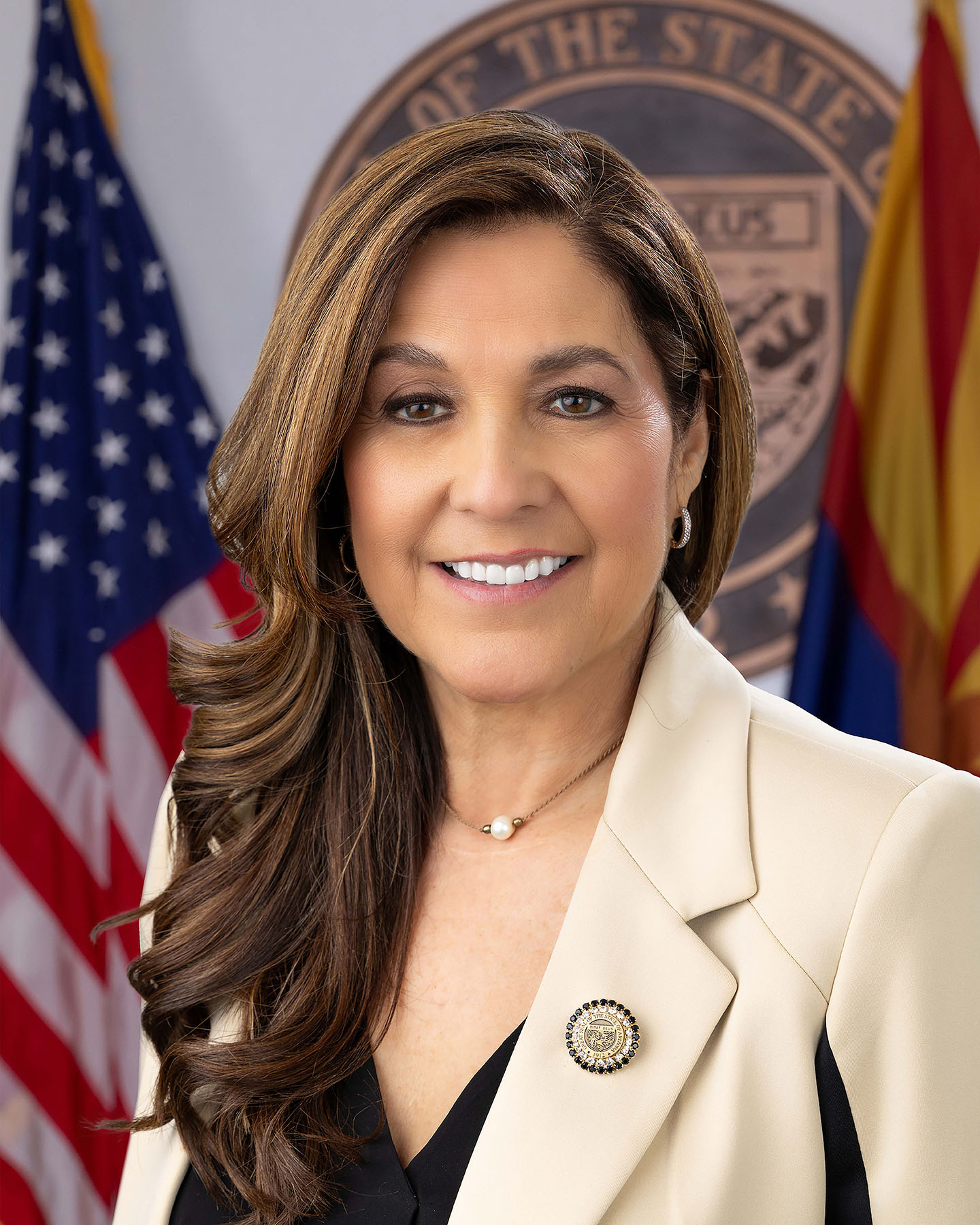
Analise Ortiz
Analise Ortiz Senate · District 24
D
Oppose
35% 20
Catherine Miranda
Catherine Miranda Senate · District 11
D
Oppose
35% 20
Lauren Kuby
Lauren Kuby Senate · District 8
D
Oppose
35% 20
Showing 51–58 of 58 bills

All criminal justice bills

passed · Arizona · Senate Mar 19, 2026

SB 1234: juvenile court proceedings; appointment; attorney

SB 1234 requires courts in Arizona to appoint attorneys for children in specific juvenile court cases, including delinquency cases involving detention, dependency proceedings, and termination of parental rights. It mandates that attorneys be appointed before the first hearing in delinquency cases and ensures representation for indigent parents seeking counsel. The bill also requires courts to appoint a guardian ad litem (who must be an attorney) in abuse or neglect cases to protect the child’s best interests, and sets deadlines for attorneys to meet with juveniles before key hearings. Counties may fund these appointments, and public defenders may serve in certain cases with court authorization. This law directly affects juveniles, parents, and court staff by standardizing legal representation in critical child welfare and justice proceedings.
introduced · Arizona · House Jan 21, 2026

HB 2571: prohibited weapons; machine guns

HB 2571 allows individuals previously barred from possessing firearms (due to mental health findings or federal restrictions like 18 U.S.C. §922(d)(4)) to petition Arizona courts to restore their gun rights. To qualify, petitioners must provide psychological evidence, prove they pose no danger to public safety, and demonstrate their circumstances have changed. If approved, courts update state and national databases (including the FBI’s background check system) to remove the restriction. This directly affects people classified as "prohibited possessors" under Arizona Revised Statutes §13-3101(A)(7)(a) or federal law, enabling them to legally own firearms again after a court review. The bill does not change gun ownership rules but creates a legal process for restoring rights.
Sub-Topics Courts Firearms
signed · Arizona · House Jun 19, 2026

HB 2265: courts; fees; assessments

HB 2265 prevents courts in Arizona from charging indigent defendants (low-income individuals) fees or requiring repayment for public defender services. It specifically bans administrative assessments of up to $25 and prohibits courts from ordering repayment for legal costs, including in juvenile or mental health proceedings. The bill also establishes new court filing fees for a "fair jury improvement fund" (excluding criminal trial filings), with fees collected to supplement, not replace, existing county funding for public defense. These changes directly affect individuals qualifying for court-appointed counsel under Arizona law.
introduced · Arizona · Senate Jan 20, 2026

SB 1150: family court; judicial training

SB 1150 requires all Arizona family court judges to complete 40 hours of mandatory training on domestic violence, sexual assault, post-traumatic stress disorder, and mental health conditions. This training aims to improve judges' understanding of these issues when handling family court cases. The bill directly affects judges serving in Arizona's family courts by establishing specific educational requirements for their professional development.
introduced · Arizona · House Feb 9, 2026

HB 2059: highway speed restrictions; safety

HB 2059 amends Arizona's speed limit laws to reclassify minor speeding violations as civil traffic offenses instead of criminal misdemeanors. It applies to drivers who exceed posted limits by 10-20 mph (e.g., 20 mph over in residential areas or 20 mph over elsewhere), creating a "waste of a finite resource" designation for these cases. Key provisions establish civil penalties of up to $15 (plus fees), prevent license suspension or insurance rate increases for these violations, and prohibit court records from being shared with licensing or insurance entities. The bill specifically excludes derestricted highways (e.g., certain freeways) and urbanized areas with 40+ mph limits from these civil penalties.
Sub-Topics Courts
in committee · Arizona · Senate Feb 4, 2026

SB 1048: appropriation; juvenile services; Coconino county

SB 1048 appropriates $36 million from Arizona's state general fund for fiscal year 2026-2027 to Coconino County. The funds cover 80% of the costs for constructing a new juvenile court services facility and converting an existing juvenile detention center into a detox, sobriety, and crisis recovery center. This bill directly affects Coconino County's juvenile services system by enabling infrastructure upgrades to better support youth in need of court services and crisis care. The appropriation is a concrete funding mechanism with no additional policy changes beyond the specified facility projects.
vetoed · Arizona · House Jun 19, 2026

HB 2047: writ of restitution; criminal trespass

HB 2047 modifies Arizona's eviction laws by requiring courts to issue a writ of restitution (a court order for a tenant to vacate) after a tenant is found guilty in an eviction case. It adds that tenants who remain in or return to rental property after being lawfully served with this writ - without the owner's permission - commit third-degree criminal trespass. The bill mandates a five-day waiting period before the writ can be enforced, preventing immediate criminal charges during that time. This directly affects tenants facing eviction and landlords seeking to regain possession, turning continued occupancy after a court order into a criminal offense.
signed · Arizona · House Apr 13, 2026

HB 2046: annual probation review; prehearing; notification

HB 2046 requires annual court reviews for young adults under 22 who were convicted of sexual offenses as minors and must register under Arizona law. The bill mandates that probation departments prepare reports for these hearings, and specifies that prosecutors, defense attorneys, victims (or their attorneys), and probation officers must be notified. At each hearing, the court must decide whether to continue, modify, or end probation, registration requirements, or community notification. This law standardizes the review process, ensuring consistent annual evaluations for this specific group of probationers.
Showing 51 to 58 of 58 bills
Previous 1 4 5 6