Issue · Criminal Justice

Criminal Justice (Probation & Parole)

Every criminal justice bill, vote, and legislator stance in Arizona, automatically classified by Maddy, our AI policy reader.

Total bills
38
57th Legislature - Second Regular Session
Top supporter
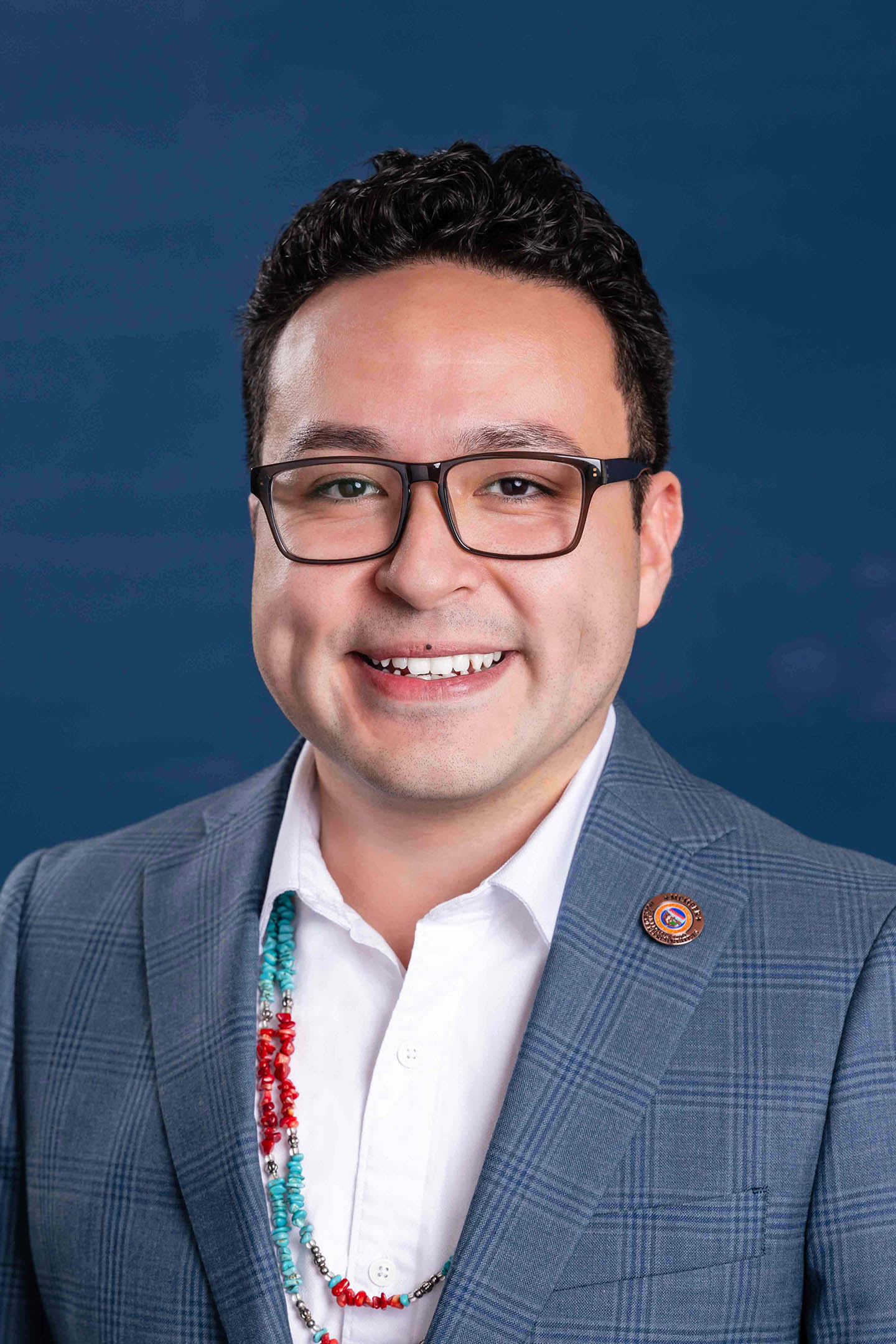
Brian Garcia
100% support rate
Top opponent
Chris Lopez
11% support rate
Ranked legislators
10
5 support · 5 oppose
Key legislators

Who's moving probation & parole in Arizona

Legislators moving probation & parole in Arizona
Legislator Party Stance Support rate Votes
Brian Garcia
Brian Garcia House · District 8
D
Strong +
100% 9
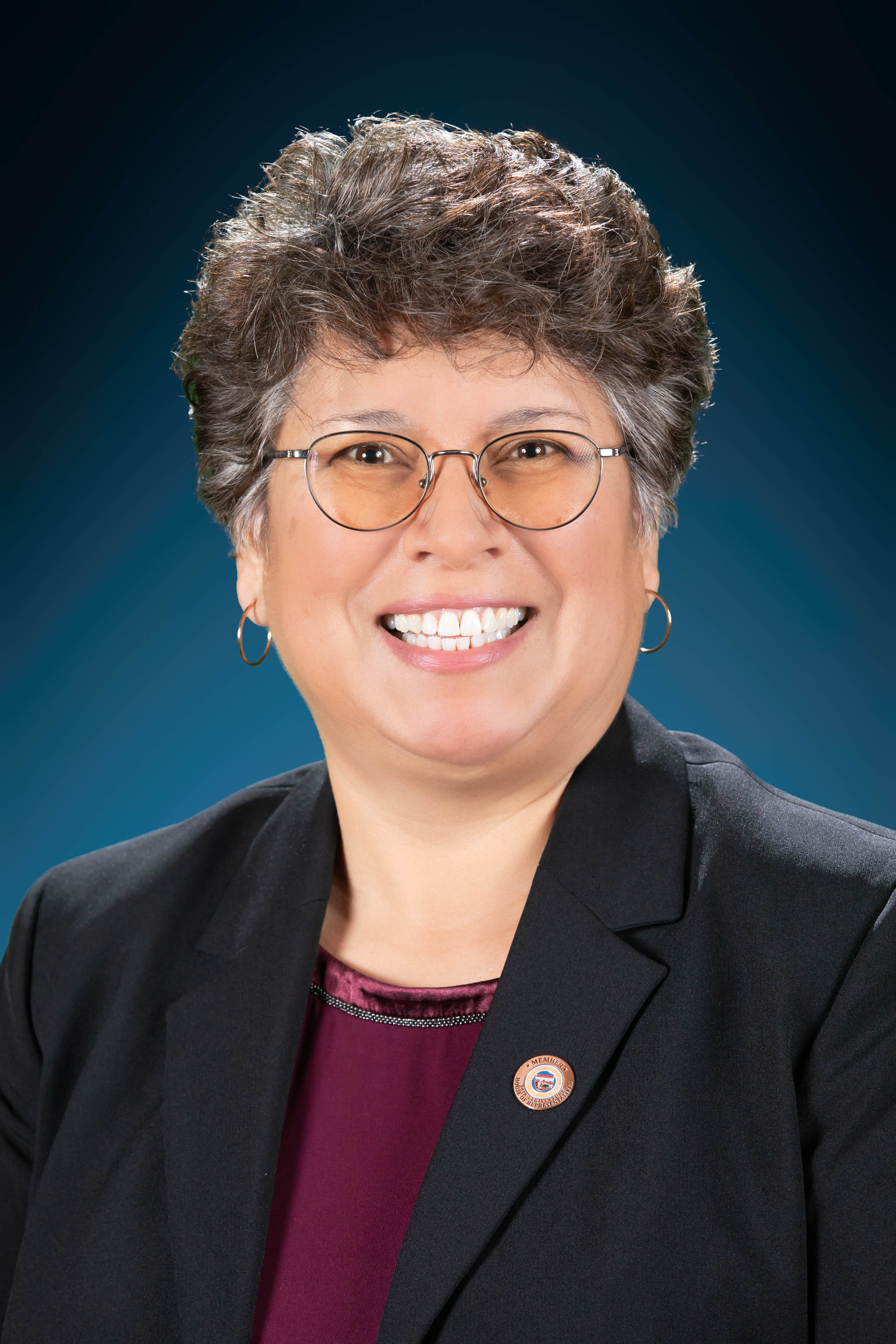
Lorena Austin
Lorena Austin House · District 9
D
Strong +
100% 9
Patty Contreras
Patty Contreras House · District 12
D
Strong +
100% 9
Stephanie Simacek
Stephanie Simacek House · District 2
D
Strong +
100% 9
QC
Quantá Crews House · District 26
D
Strong +
100% 8
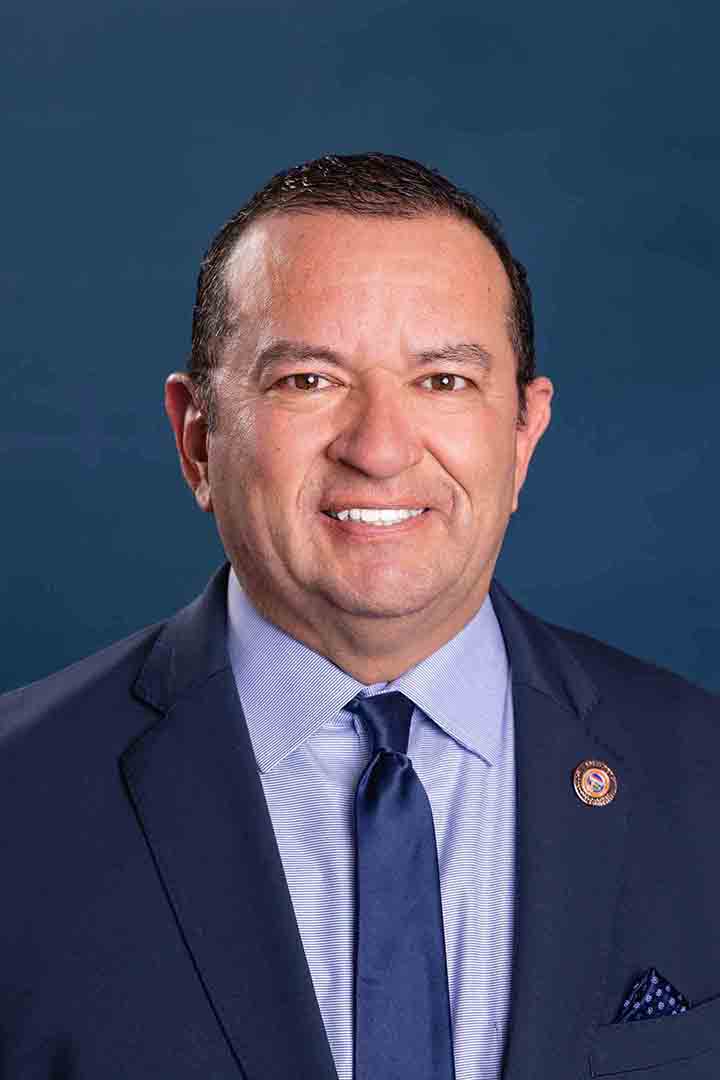
Chris Lopez
Chris Lopez House · District 16
R
Strong −
11% 9
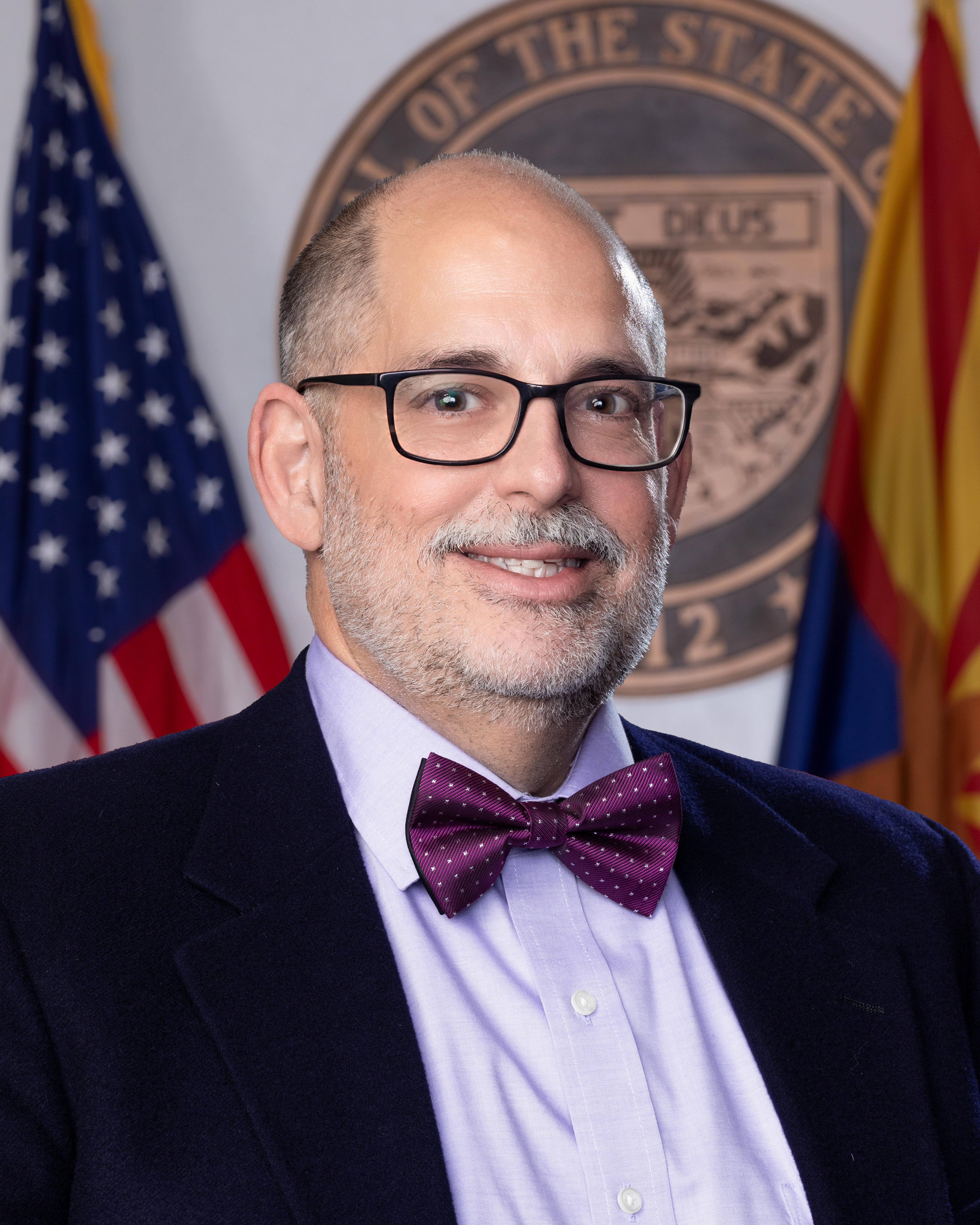
David Livingston
David Livingston House · District 28
R
Strong −
11% 9
Gail Griffin
Gail Griffin House · District 19
R
Strong −
11% 9
James Taylor
James Taylor House · District 29
R
Strong −
11% 9
John Gillette
John Gillette House · District 30
R
Strong −
11% 9
Showing 31–38 of 38 bills

All criminal justice bills

passed · Arizona · House Mar 26, 2026

HB 2870: residence of sex offenders; regulation

Arizona's HB 2870 prohibits individuals convicted of "dangerous crimes against children" (classified as level 3 sex offenders under Arizona law) from living within 1,000 feet of schools (K-8 or 9-12), child care facilities, or their former victim's residence. Exceptions include those living there before a school opened, minors, people on probation, or those with written victim consent. Violations are punishable as a class 1 misdemeanor for first offenses and a class 6 felony for repeat offenses involving victims. The bill also prevents cities or counties from enacting stricter distance restrictions than the state law.
Sub-Topics Probation & Parole
introduced · Arizona · House Jan 22, 2026

HCR 2026: controlled substances; paraphernalia; probation eligibility

HCR 2026 would allow individuals convicted of personal possession or use of controlled substances or drug paraphernalia to receive probation instead of immediate jail time, requiring participation in drug treatment or education programs. It mandates that courts place offenders on probation with treatment as a condition, and they must pay for programs based on their ability to pay. Exceptions include those convicted of violent crimes, three or more prior drug possession offenses, refusal to participate in treatment, or offenses involving methamphetamine or fentanyl (without a valid medical prescription). This proposal must be approved by Arizona voters to become law, as it is structured as a referendum measure.
in committee · Arizona · Senate Feb 4, 2026

SB 1314: appropriations; criminal justice; salary increases

SB 1314 allocates state funds for salary increases for specific public safety and corrections employees in Arizona for fiscal year 2026-2027. It provides a 14% pay raise for correctional officers in the state Department of Corrections and the Department of Juvenile Corrections, a 10% raise for all Department of Public Safety employees, and a 15% raise for state-funded probation officers and staff at the Administrative Office of the Courts. The bill directs appropriations from the state general fund, though exact dollar amounts are unspecified in the text. This legislation directly affects over 10,000 state employees across these departments through mandated pay adjustments.
passed · Arizona · Senate Mar 26, 2026

SB 1317: appropriation; coordinated reentry program

SB 1317 appropriates $20 million from Arizona’s consumer restitution fund to the Attorney General for grants to counties. These grants fund coordinated reentry planning services programs designed to support individuals transitioning from incarceration back into communities. Counties receiving funds must establish coalitions, hire dedicated jail-based staff, implement a statewide recidivism tracking database, create data-sharing agreements, and use screening tools within a two-year grant cycle. The bill requires grantees to demonstrate these specific program elements and commit to local funding contributions before receiving funds.
signed · Arizona · House Jun 22, 2026

HB 2941: motorcycles; reckless driving

HB 2941 amends Arizona law to classify operating a motorcycle in violation of specific traffic rules (sections 28-903 B/C) as reckless driving. This directly affects motorcycle riders who commit such violations, increasing penalties for repeat offenses within 24 months. For second or subsequent violations, the law mandates a minimum 20-day jail sentence before eligibility for probation and imposes a one-year license suspension, with a restricted license option available after 45 days of suspension. The bill also requires judges to order license surrender and report convictions to the state department.
vetoed · Arizona · Senate Jun 19, 2026

SB 1061: fentanyl; sale amount; nine grams

SB 1061 amends Arizona law to increase penalties for fentanyl-related offenses involving specific quantities. It sets a 9-gram threshold for triggering mandatory minimum sentences: 5-15 years for a first offense and 10-20 years for repeat offenses involving sales or possession in a vehicle. The bill also requires a minimum $2,000 fine (or three times the drug's value), prohibits drug use during probation, and mandates 360 hours of community service for probationers convicted under this section. This law directly affects individuals convicted of fentanyl sales or possession of 9 grams or more, imposing stricter sentencing and additional conditions beyond standard penalties.
signed · Arizona · House Apr 13, 2026

HB 2046: annual probation review; prehearing; notification

HB 2046 requires annual court reviews for young adults under 22 who were convicted of sexual offenses as minors and must register under Arizona law. The bill mandates that probation departments prepare reports for these hearings, and specifies that prosecutors, defense attorneys, victims (or their attorneys), and probation officers must be notified. At each hearing, the court must decide whether to continue, modify, or end probation, registration requirements, or community notification. This law standardizes the review process, ensuring consistent annual evaluations for this specific group of probationers.
introduced · Arizona · House Jan 13, 2026

HB 2002: parole eligibility; life imprisonment sentences

HB 2002 changes Arizona's parole rules for individuals sentenced to life imprisonment by requiring them to serve at least 25 years before becoming eligible for parole (for standard life sentences), while prohibiting parole entirely for natural life sentences. It repeals prior laws governing parole for life sentences and amends the parole classification system to mandate that life sentence prisoners must complete specific correctional program requirements to qualify for parole consideration. This policy directly affects all individuals convicted of crimes resulting in life imprisonment in Arizona, including those convicted of terrorism under the amended terrorism statute (ARS § 13-2308.01). The bill increases the required service time and adds program participation requirements, making parole more difficult to obtain for life sentence prisoners.
Sub-Topics Probation & Parole
Showing 31 to 38 of 38 bills
Previous 1 2 3 4