Issue · Criminal Justice

Criminal Justice

Every criminal justice bill, vote, and legislator stance in Arizona, automatically classified by Maddy, our AI policy reader.

Total bills
149
57th Legislature - Second Regular Session
Top supporter
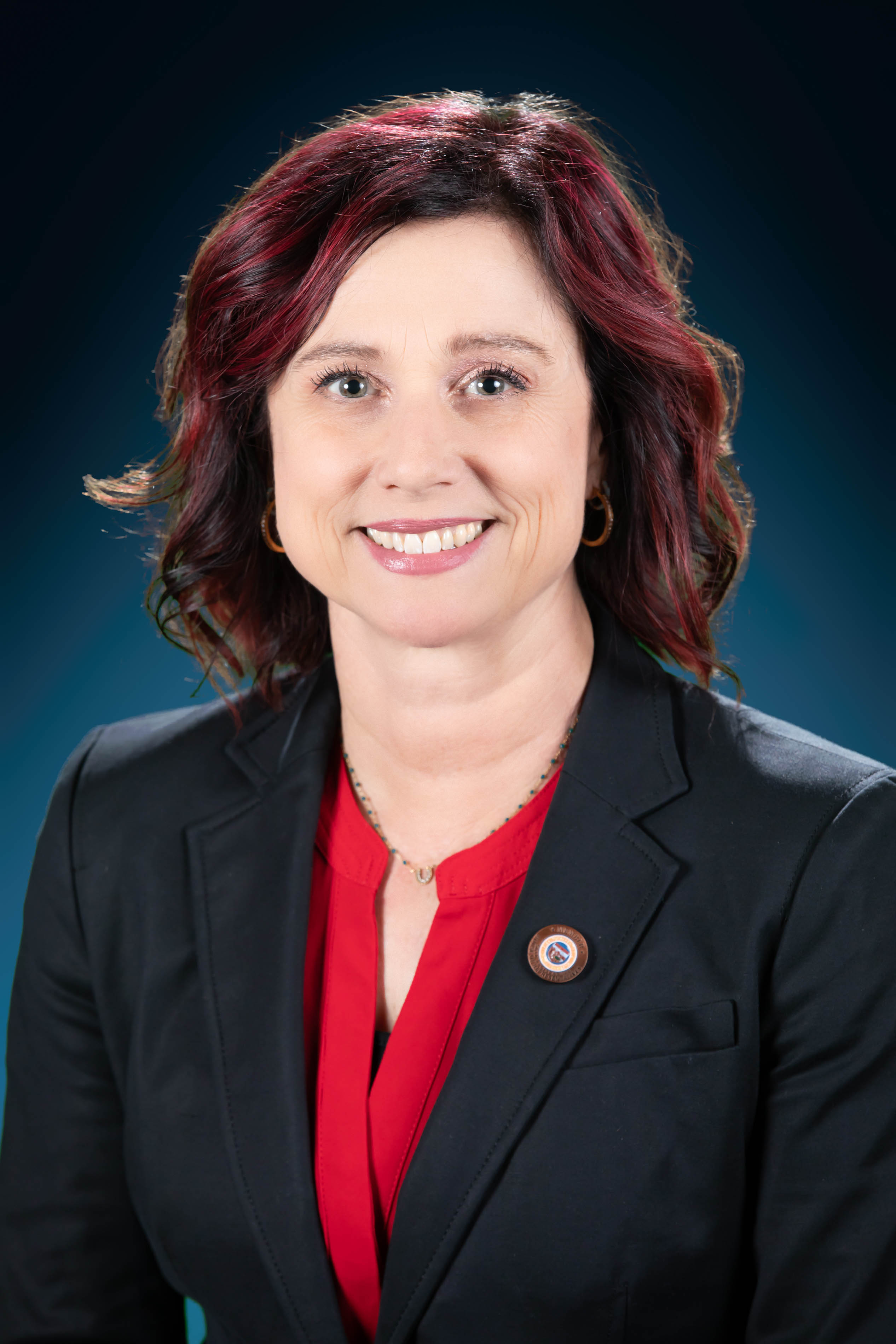
Stephanie Simacek
74% support rate
Top opponent
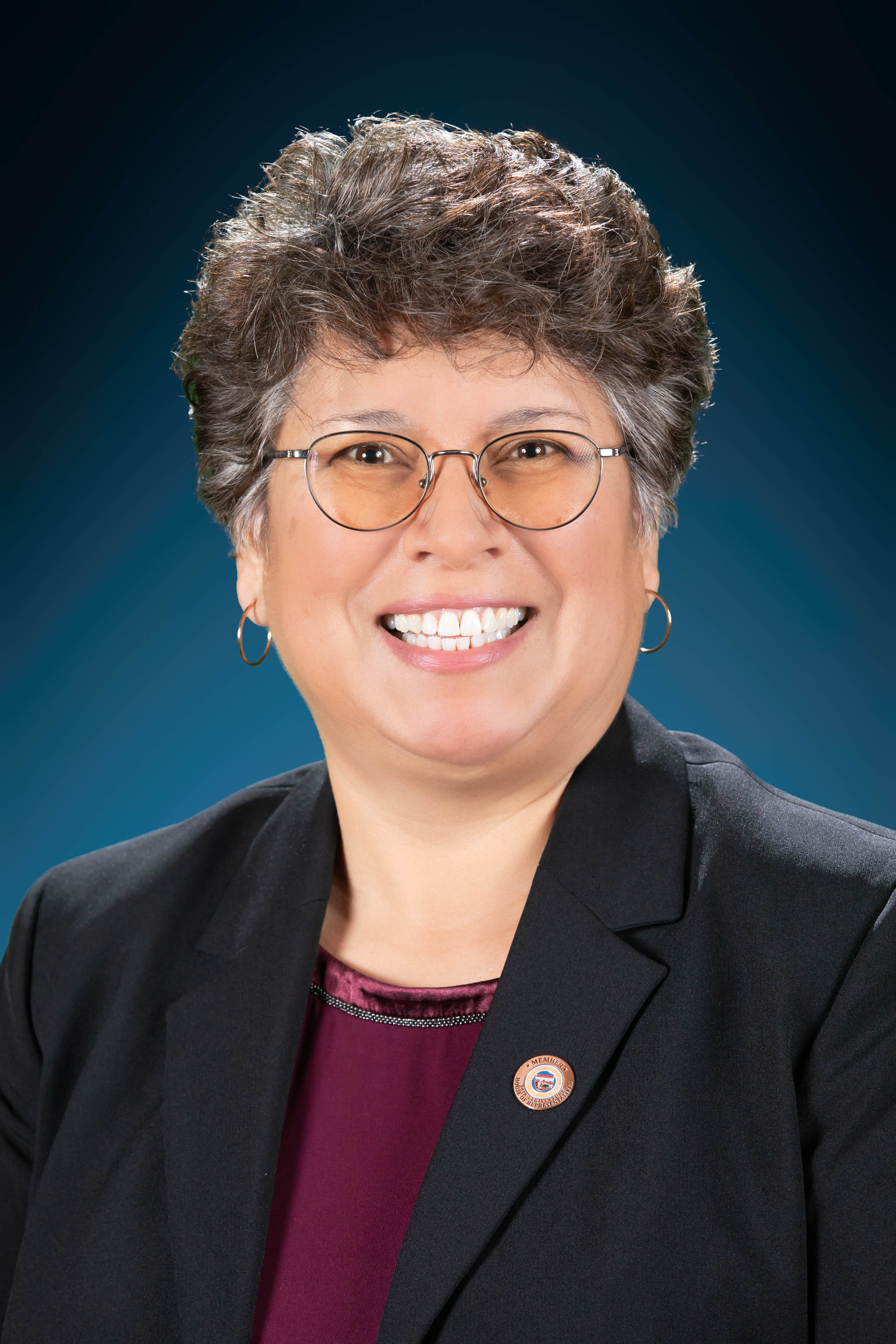
Lupe Diaz
40% support rate
Ranked legislators
10
5 support · 5 oppose
Key legislators

Who's moving criminal justice in Arizona

Legislators moving criminal justice in Arizona
Legislator Party Stance Support rate Votes
Stephanie Simacek
Stephanie Simacek House · District 2
D
Support
74% 166
Lydia Hernandez
Lydia Hernandez House · District 24
D
Support
73% 178
Seth Blattman
Seth Blattman House · District 9
D
Support
71% 47
Nancy Gutierrez
Nancy Gutierrez House · District 18
D
Support
71% 126
Patty Contreras
Patty Contreras House · District 12
D
Support
71% 182
Lupe Diaz
Lupe Diaz House · District 19
R
Oppose
40% 191
Jake Hoffman
Jake Hoffman Senate · District 15
R
Mixed −
41% 199
David Livingston
David Livingston House · District 28
R
Mixed −
42% 170
Sally Gonzales
Sally Gonzales Senate · District 20
D
Mixed −
43% 203
Eva Diaz
Eva Diaz Senate · District 22
D
Mixed −
43% 146
Showing 31–40 of 149 bills

All criminal justice bills

introduced · Arizona · House Jun 13, 2026

HCM 2015: urging Congress; resources; fighting fentanyl

This Arizona legislative memorial (HCM 2015) requests federal action to address the fentanyl crisis in Arizona. It asks Congress and the Attorney General to restore full funding and staffing for Arizona's Drug Enforcement Administration (DEA) and Bureau of Alcohol, Tobacco, Firearms and Explosives (ATF) offices, and to invest in the High Intensity Drug Trafficking Area Program. The memorial cites Arizona's high fentanyl-related overdose deaths, its role as a major entry point for fentanyl from Mexico, and concerns about reduced federal resources for border law enforcement. It directly affects Arizona's federal law enforcement agencies and their ability to combat fentanyl trafficking.
Sub-Topics Law Enforcement
introduced · Arizona · House Feb 11, 2026

HB 4075: civil rights; right to vote

HB 4075 automatically restores voting rights to individuals released from prison after a felony conviction in Arizona, eliminating the need for a separate application (via new Section 13-926). It also establishes automatic restoration of most civil rights (like jury service and firearm possession, excluding certain violent offenses) for first-time felony offenders upon completing probation and paying victim restitution (Section 13-907). The bill prohibits state employment discrimination based solely on prior felony or misdemeanor convictions, except for law enforcement roles (Section 13-904). These changes apply to individuals convicted of felonies in Arizona or other jurisdictions, with specific exceptions for dangerous or serious offenses regarding firearm rights.
introduced · Arizona · Senate Feb 9, 2026

SB 1766: inmate labor; wages

SB 1766 sets minimum wage standards for prisoners working in Arizona state prisons or contracted private prisons under the prison industries program. It requires at least $1.50 per hour for most prison labor and $2 per hour for private prison contracts, with compensation based on work quality and skill. The bill mandates deductions from prisoner earnings for court fees, dependent care, a transition program, and room and board, with remaining funds placed in a retention account accessible upon release. Prisoners are explicitly not considered employees and do not qualify for workers' compensation benefits. This law directly affects incarcerated individuals participating in Arizona's prison work programs.
introduced · Arizona · House Feb 17, 2026

HB 4071: spousal maintenance; domestic violence

HB 4071 prohibits courts from granting spousal maintenance to a spouse who has been convicted of domestic violence against the "injured spouse" (the victim of the violence). It explicitly states that maintenance orders cannot be awarded when one spouse has a domestic violence conviction against the other, as defined in Arizona law. The bill amends spousal maintenance guidelines to clarify this restriction, ensuring courts cannot order financial support in cases involving domestic violence convictions. This directly affects individuals involved in divorce or legal separation proceedings where domestic violence convictions are present.
Sub-Topics Domestic Violence
introduced · Arizona · House Feb 10, 2026

HB 4008: crime-free lease addendum; renters

HB 4008 modifies Arizona rental property rules to limit how condominium associations and landlords can handle tenant information and lease terms. It specifically prohibits landlords from including unenforceable eviction clauses in "crime-free" lease addendums based on a tenant’s or guest’s criminal conviction, while allowing the use of such addendums for other purposes. The bill also restricts associations from demanding excessive tenant information (only name, contact, lease dates, and vehicle details are permitted), caps fees for required disclosures at $25 per new tenancy, and bans requirements for tenant credit reports or waivers limiting tenant rights. These changes directly affect rental property owners, condominium associations, and tenants in Arizona condominiums.
introduced · Arizona · House Feb 12, 2026

HB 4129: DPS; mental health; wellness; appropriation

HB 4129 creates a statewide mental health and wellness program for all Arizona law enforcement officers, prioritizing small agencies with 200 or fewer sworn officers. The program provides free, confidential access to counseling services - including crisis support, peer counseling, suicide prevention training, and telehealth for rural officers - while protecting all communications as private. It is funded with $15 million from the state general fund for fiscal year 2026-2027, with $5 million specifically allocated for small agencies. The Department of Public Safety must submit annual reports to the legislature by 2027, tracking participation and suggesting improvements, to reduce officer burnout, suicide, and improve recruitment and retention.
introduced · Arizona · Senate Feb 9, 2026

SB 1802: juveniles; hearing; sentence reduction

SB 1802 allows courts to reduce prison sentences for individuals sentenced to over 25 years for crimes committed before age 18. It requires a hearing where courts must consider factors like the defendant's age at the crime, rehabilitation efforts (e.g., completing education programs), family trauma history, and diminished juvenile culpability. The bill creates a presumption of sentence reduction unless the court finds the person poses a public safety threat, and mandates written reasoning for any denial. It also requires courts to appoint attorneys for defendants at hearings and allows for community supervision upon release. The bill does not affect eligibility for other sentence relief options.
introduced · Arizona · Senate Feb 9, 2026

SB 1770: juveniles; parole eligibility; release presumption

SB 1770 allows juveniles sentenced as adults to 25+ years for offenses committed before age 18 to become eligible for parole after serving 15 years. It requires parole hearings considering specific factors like the person’s age at the offense, rehabilitation efforts, family history, and diminished culpability of youth. The bill establishes a presumption in favor of release, which can only be overcome by evidence the individual remains a public safety risk. It also prohibits courts from imposing death, life without parole, or sentences totaling 25+ years for juvenile offenders. This applies to current and future juvenile offenders serving long sentences in Arizona.
introduced · Arizona · Senate Feb 10, 2026

SB 1796: DNA match tracking system; DPS

SB 1796 creates a statewide electronic DNA match tracking system in Arizona, requiring all law enforcement agencies (including municipal police, county sheriffs, and the Department of Public Safety) and prosecutors that submit DNA evidence to accredited crime labs to use it. The system automatically routes DNA match notifications from crime labs to relevant agencies, mandates reviews within five business days, and requires case updates - including whether matches relate to active investigations, investigative actions, or case closures - within 60 days of review. All data must comply with privacy laws, and information stored in the system cannot be used as evidence in court. Starting December 31, 2027, the Department of Public Safety must submit annual reports detailing system performance, including match counts, response times, and recommendations for improvement.
introduced · Arizona · Senate Feb 9, 2026

SB 1784: juveniles; sentence reduction; hearing

SB 1784 allows courts to reduce prison sentences for individuals who were under 18 when they committed serious offenses and have served at least 15 years. It requires a court hearing to determine if the person poses a public safety risk, considering factors like their age at the time of the offense, rehabilitation efforts, completion of educational programs, and family circumstances. If the court finds no safety risk, it must reduce the sentence to a term below the original minimum, with a presumption in favor of community supervision. The bill applies directly to incarcerated individuals sentenced as juveniles for offenses requiring over 15 years in prison.
Showing 31 to 40 of 149 bills
Previous 1 3 4 5 15 Next