Issue · Criminal Justice

Criminal Justice

Every criminal justice bill, vote, and legislator stance in Arizona, automatically classified by Maddy, our AI policy reader.

Total bills
63
57th Legislature - Second Regular Session
Top supporter
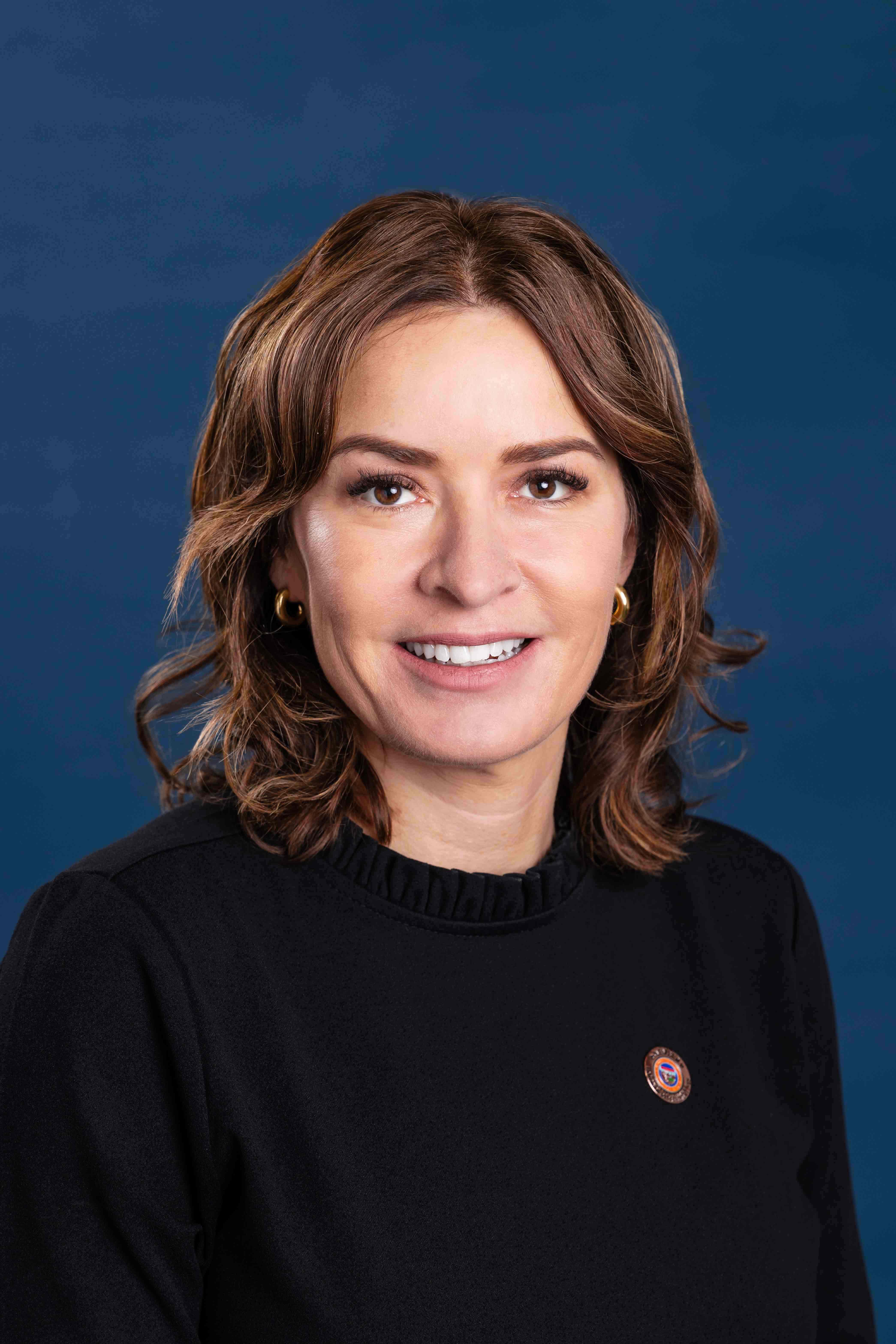
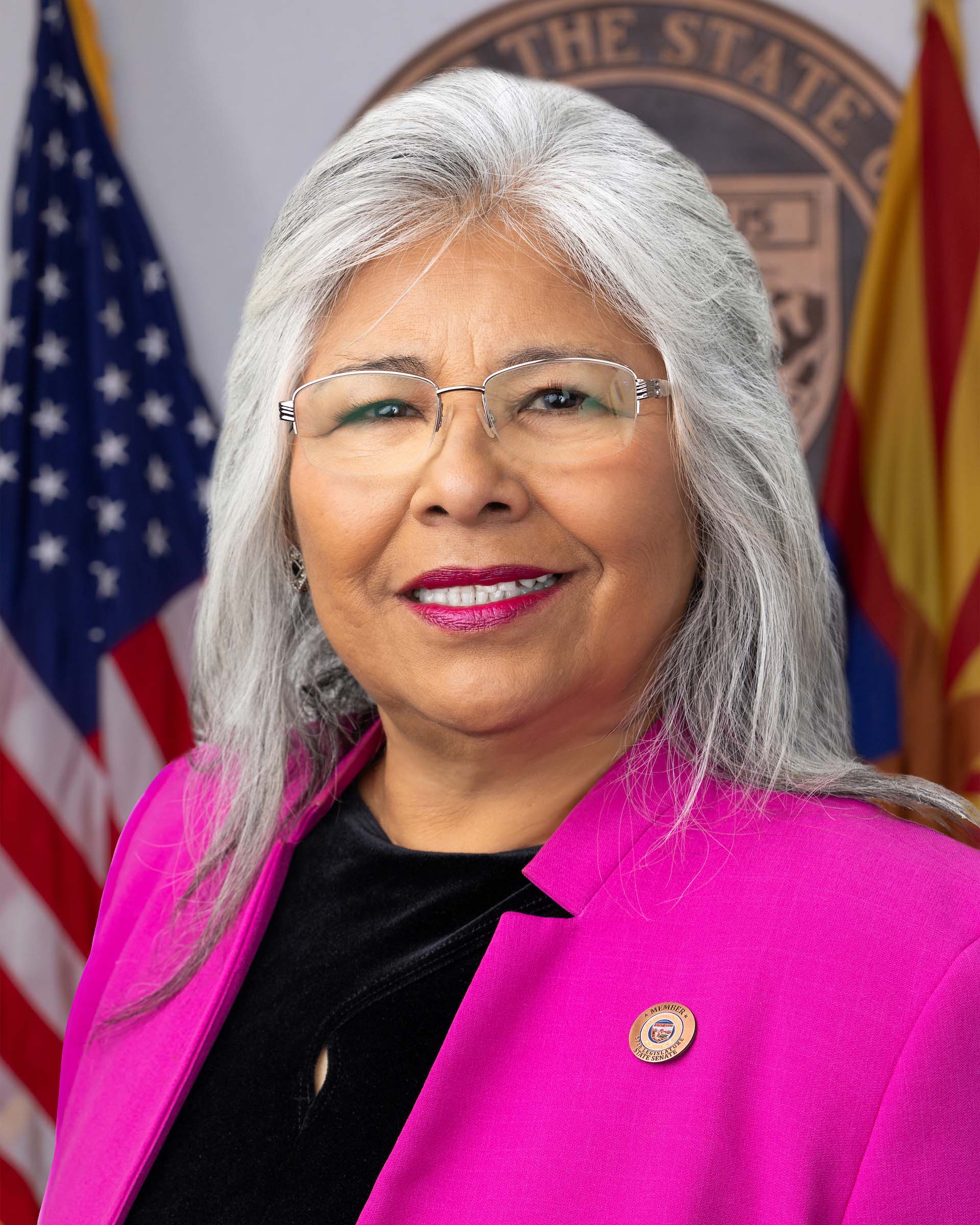
Stephanie Simacek
74% support rate
Top opponent
Lupe Diaz
40% support rate
Ranked legislators
10
5 support · 5 oppose
Key legislators

Who's moving criminal justice in Arizona

Legislators moving criminal justice in Arizona
Legislator Party Stance Support rate Votes
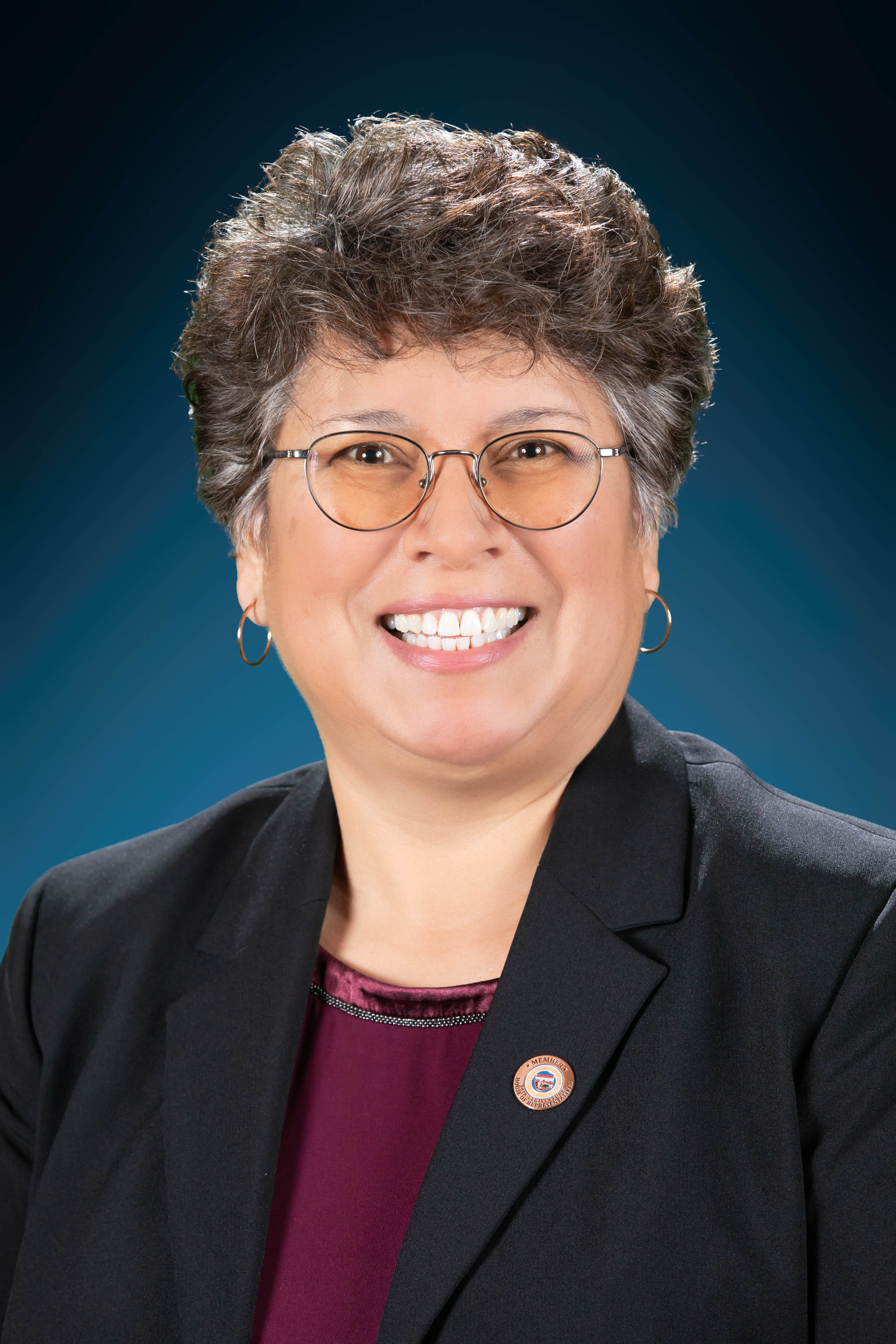
Stephanie Simacek
Stephanie Simacek House · District 2
D
Support
74% 166
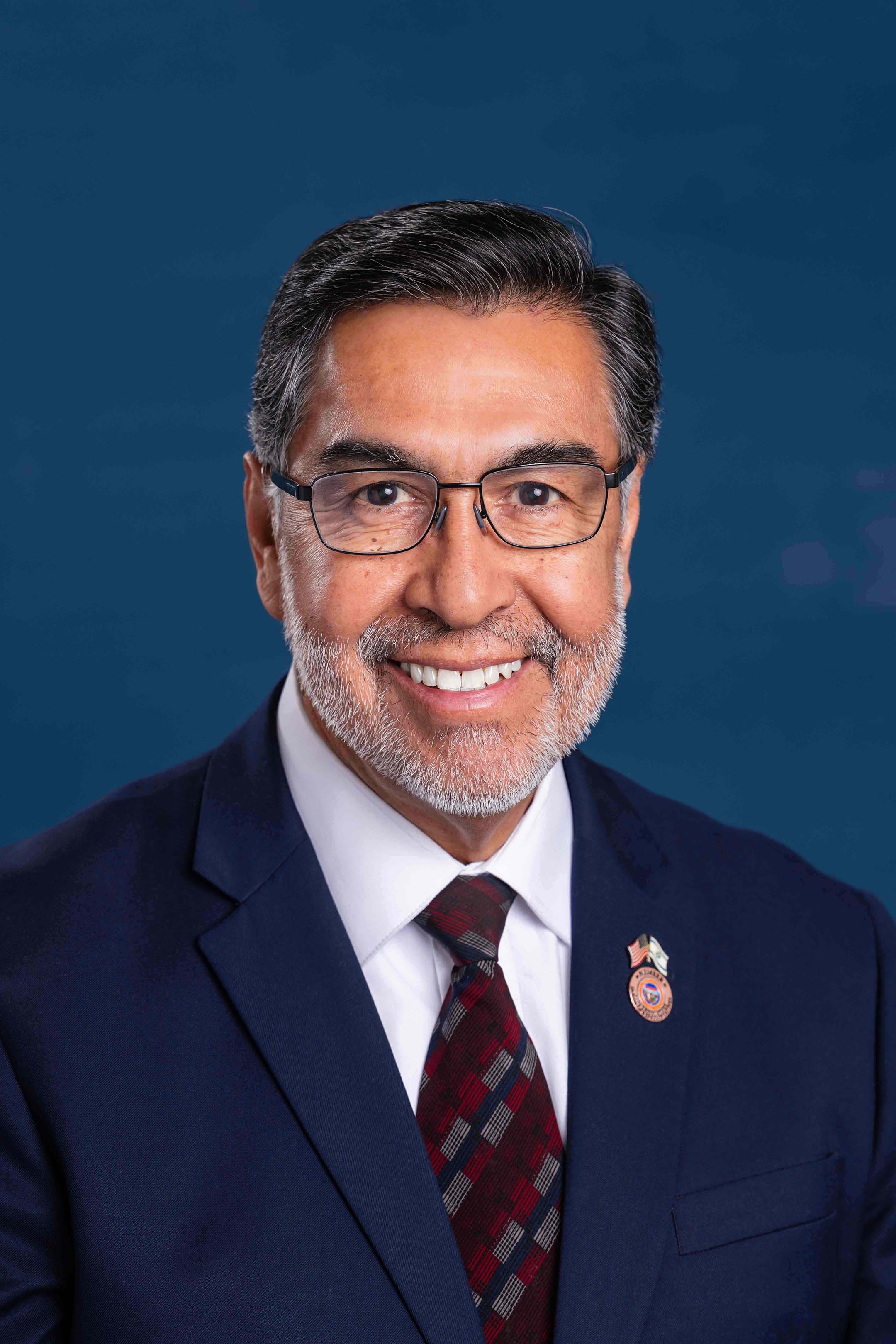
Lydia Hernandez
Lydia Hernandez House · District 24
D
Support
73% 178
Seth Blattman
Seth Blattman House · District 9
D
Support
71% 47
Nancy Gutierrez
Nancy Gutierrez House · District 18
D
Support
71% 126
Patty Contreras
Patty Contreras House · District 12
D
Support
71% 182
Lupe Diaz
Lupe Diaz House · District 19
R
Oppose
40% 191
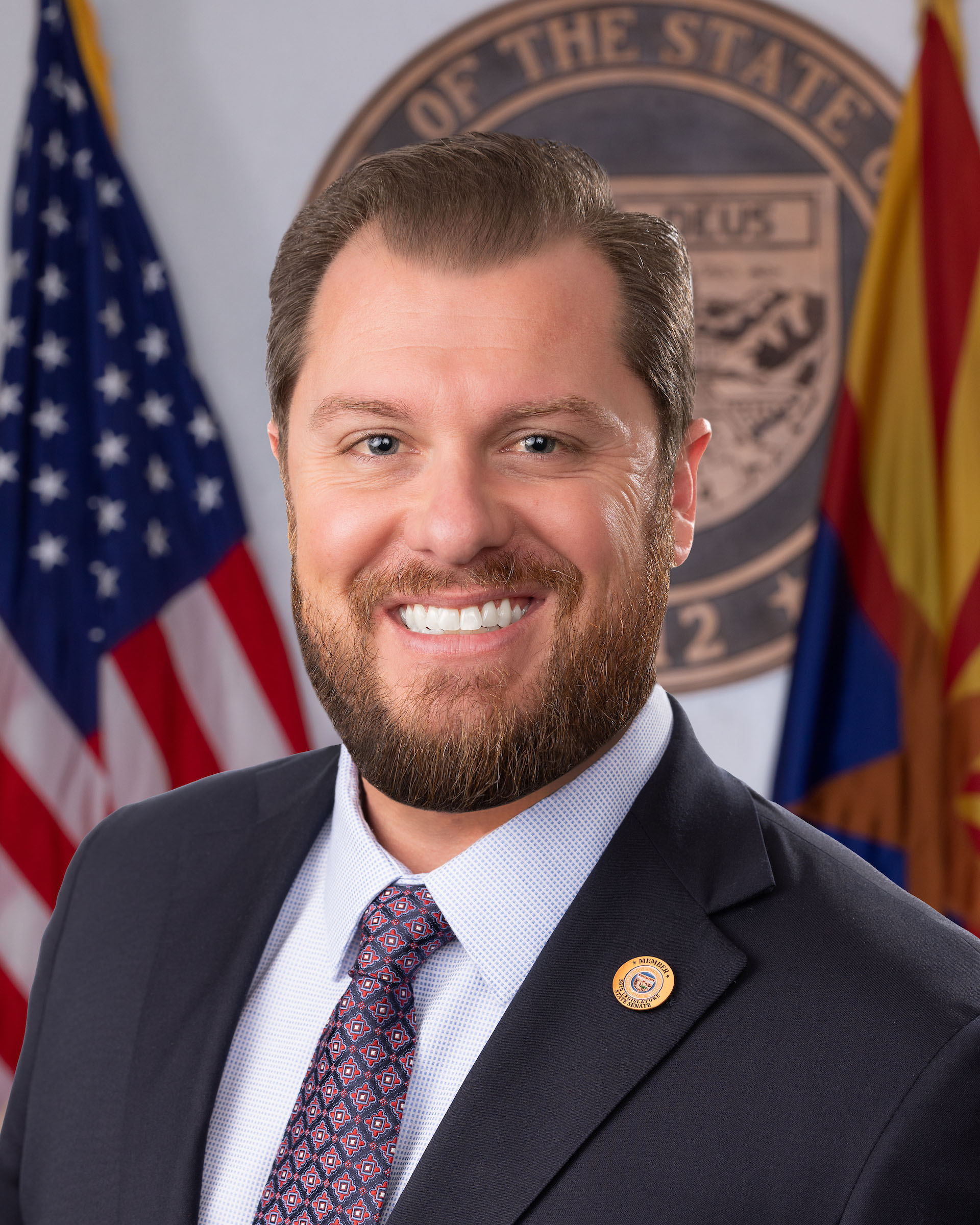
Jake Hoffman
Jake Hoffman Senate · District 15
R
Mixed −
41% 199
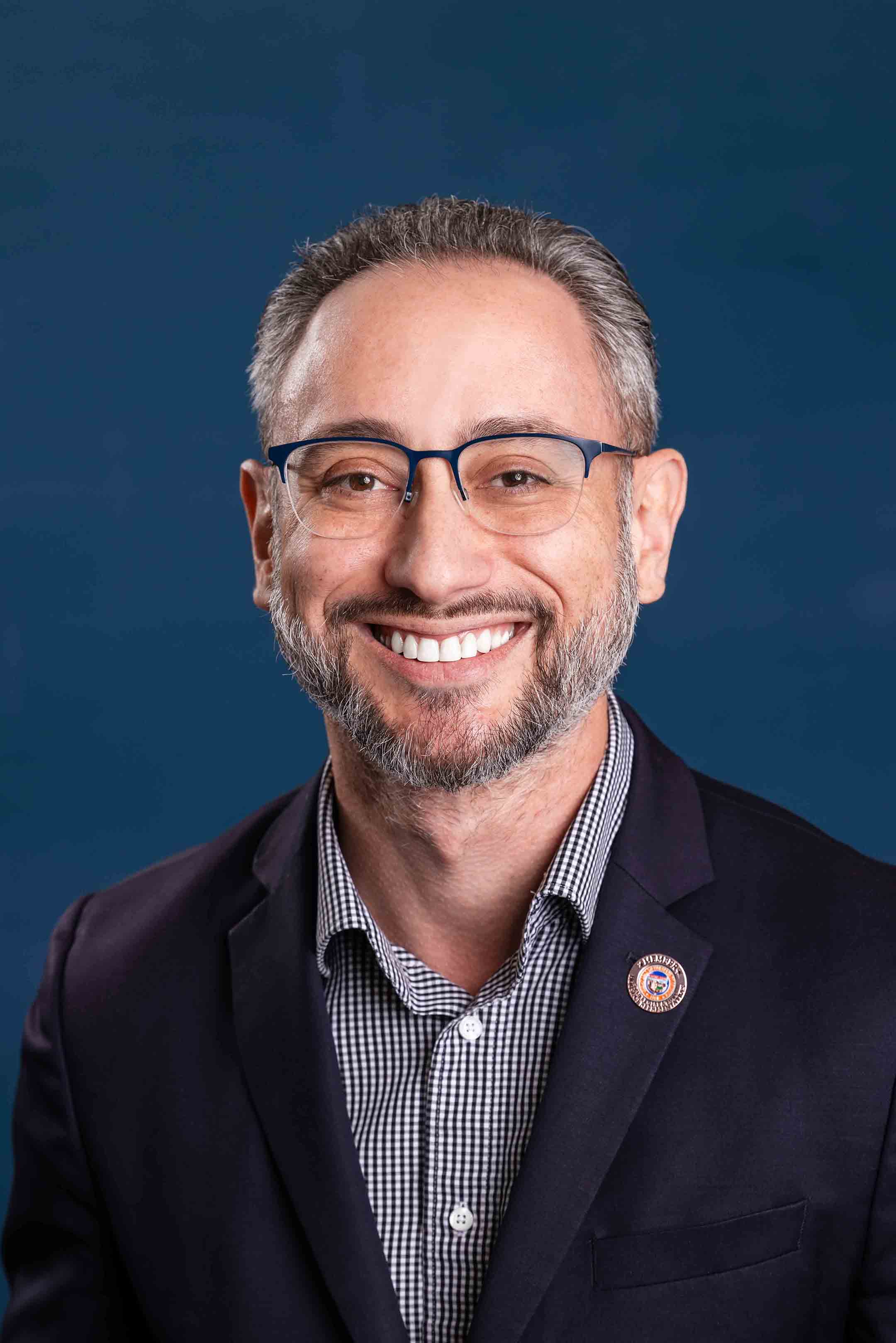
David Livingston
David Livingston House · District 28
R
Mixed −
42% 170
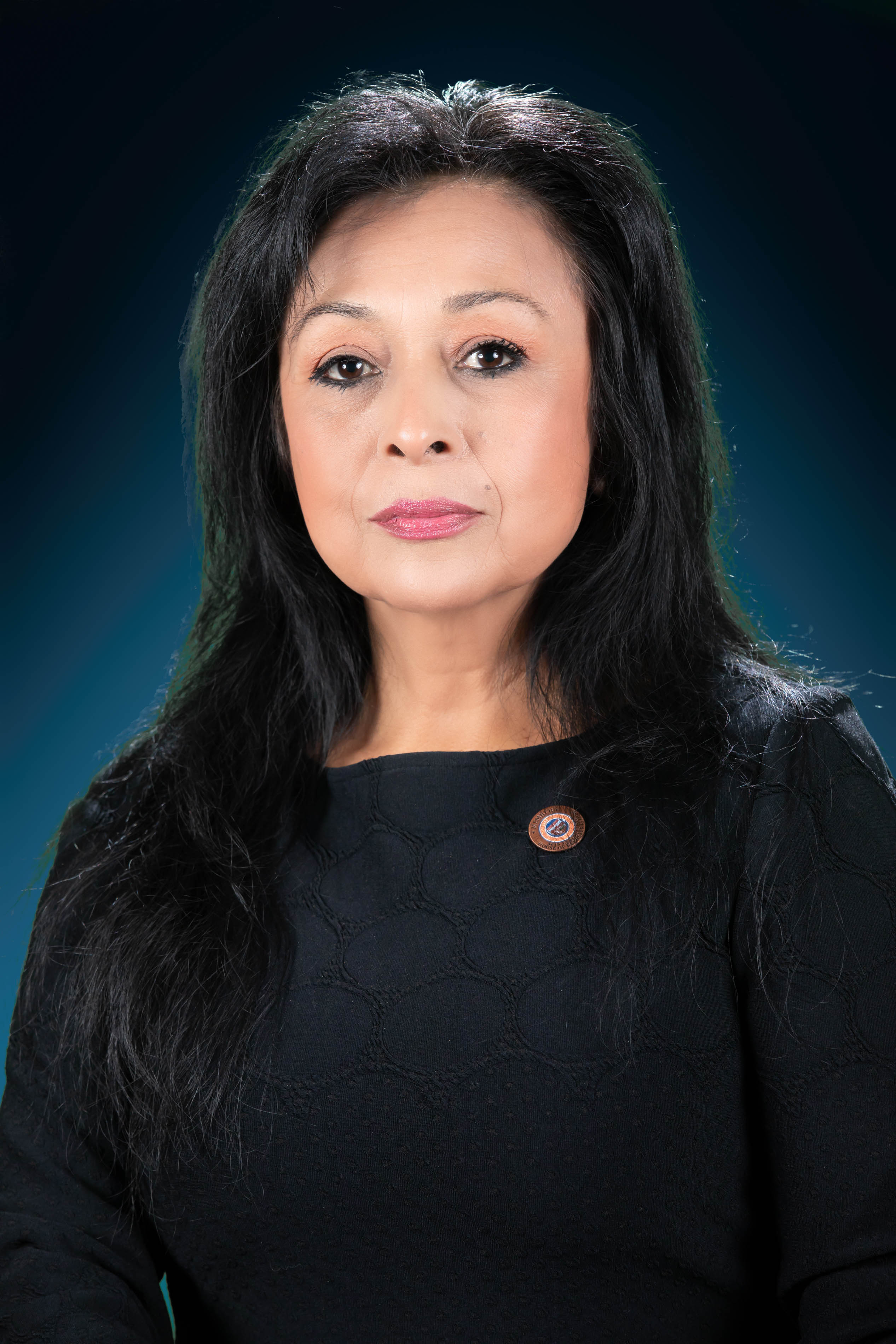
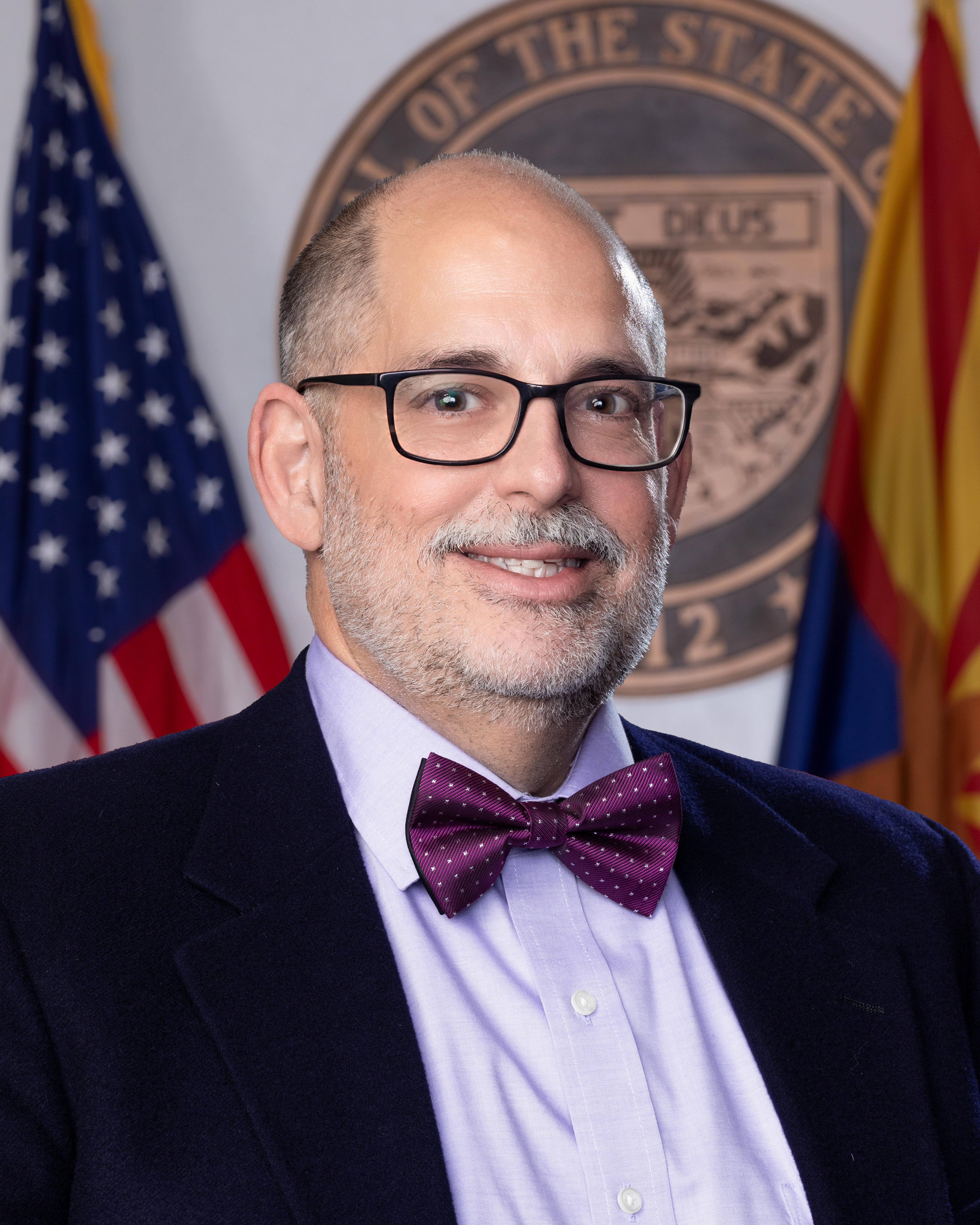
Sally Gonzales
Sally Gonzales Senate · District 20
D
Mixed −
43% 203
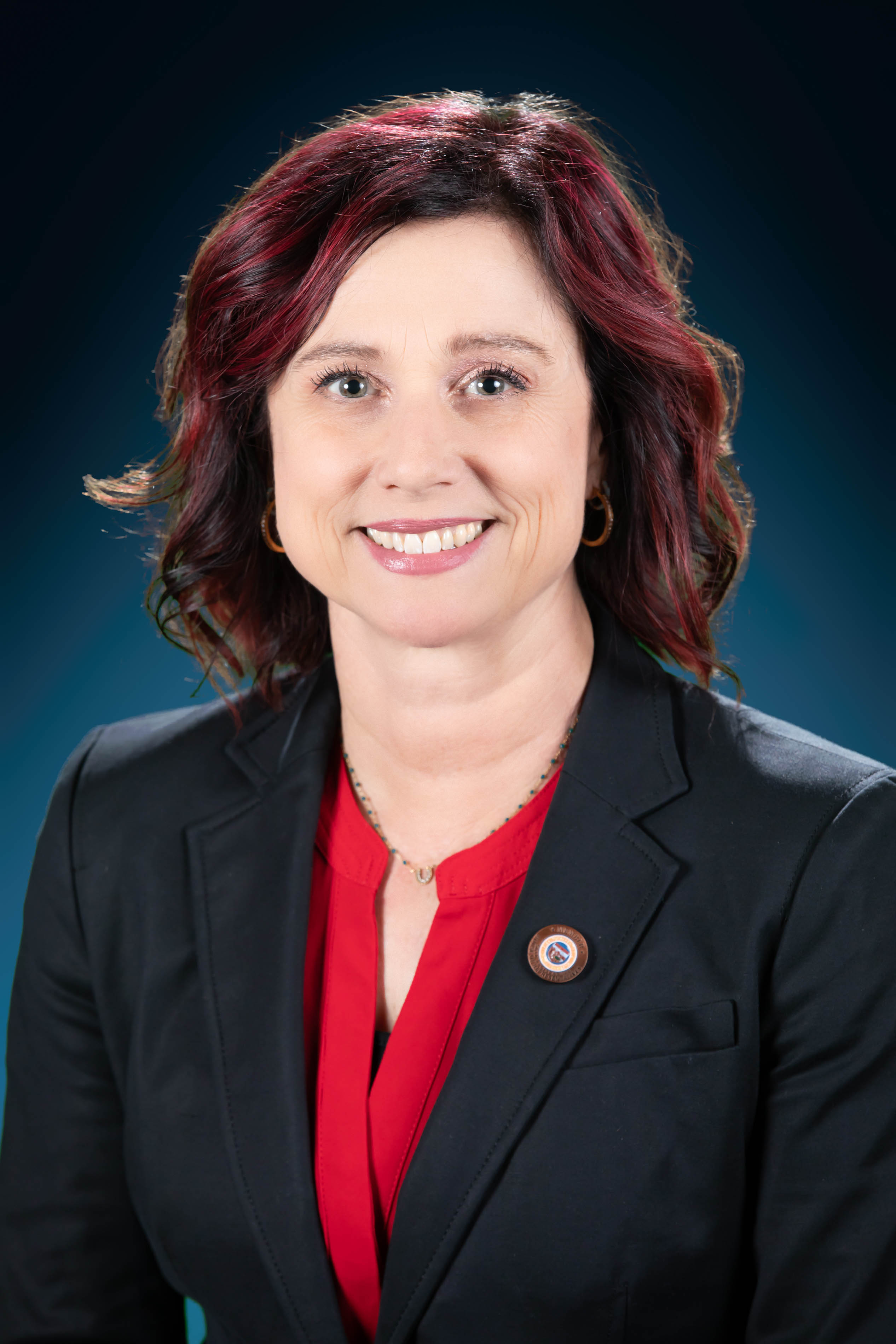
Eva Diaz
Eva Diaz Senate · District 22
D
Mixed −
43% 146
Showing 31–40 of 63 bills

All criminal justice bills

signed · Arizona · House Apr 13, 2026

HB 2665: manslaughter; online advice; encouragement

HB 2665 amends Arizona's manslaughter law to create a new offense: intentionally providing advice or encouragement to a minor about suicide, knowing the minor intends to die by suicide. This specifically targets adults who engage in direct online communications (like social media posts, texts, or tagged messages) aimed at a minor who is suicidal. The law defines "directed communication" to include specific online interactions with the minor, but excludes general public discussions about suicide. Violating this provision is classified as a class 2 felony.
passed · Arizona · House Mar 4, 2026

HB 2495: sentencing enhancements; vulnerable adults

HB 2495 increases sentencing for felony convictions against vulnerable adults in Arizona. It directly affects individuals convicted of specific felonies (under Chapters 11-19, 21, 23 of Arizona law) who knew or should have known the victim was a vulnerable adult. Key provisions prohibit suspension of sentence, probation, or early release (except as specified), and add 3 years to class 4-6 felonies or 5 years to class 2-3 felonies. The bill mandates these sentence increases in addition to any existing enhancements. This changes sentencing outcomes for offenders convicted of such crimes, without altering the underlying offenses.
vetoed · Arizona · House Jun 19, 2026

HB 2771: community supervision; rehabilitation; costs

HB 2771 requires individuals on community supervision (probation) in Arizona to pay a $65 monthly fee unless they demonstrate inability to pay. Seventy percent of these fees fund victim compensation programs, while 30% supports community corrections services. The bill also allows charging probationers for actual costs of drug testing or rehabilitation programs, with collected funds limited to covering those specific program expenses. It directly affects people under probation supervision by creating new financial obligations tied to supervision and treatment services.
passed · Arizona · Senate Mar 30, 2026

SB 1402: crimes against children; probation; monitoring

SB 1402 adds a specific requirement for individuals convicted of "dangerous crimes against children" (as defined in Arizona law) who must register as a level 3 offender. It mandates that courts require GPS or electronic monitoring for the entire probation period for these offenders, rather than allowing standard probation terms. The bill also permits courts to charge a fee to cover the monitoring costs, which would be deposited into the adult probation services fund. This provision directly affects convicted offenders classified as level 3 sex offenders for child-related crimes who are placed on probation. The law does not change standard probation lengths but adds this monitoring requirement for a specific category of offenders.
Sub-Topics Probation & Parole
signed · Arizona · House Apr 13, 2026

HB 2666: sexual extortion; classification

HB 2666 reclassifies threatening to share explicit images or force sexual acts as a felony. It increases penalties based on the victim’s age: a class 3 felony for adults, class 2 for teens aged 15-17 (requiring consecutive sentences with no probation), and class 2 for children under 15. Offenders cannot receive probation, early release, or sentence suspension for these crimes. The bill defines "sexual extortion" as threatening to damage property, harm reputation, or distribute explicit images of the victim.
failed · Arizona · House Mar 2, 2026

HB 2413: sex offenders; electronic monitoring

HB 2413 amends Arizona's sex offender registration law (ARS § 13-3821) to expand registration requirements for individuals convicted of specific sex offenses against minors. It directly affects people convicted of 22 listed offenses - including child sexual abuse, trafficking, and certain repeated indecency violations - who must register with local sheriffs within 10 days of conviction or 72 hours after entering Arizona. Key provisions require registrants to provide detailed personal information (including online identifiers, vehicle details, and child custody status), and extend registration obligations to those employed or enrolled in school in Arizona for more than 14 consecutive days. The bill does not address electronic monitoring; its focus is solely on broadening registration rules and data collection for sex offenders.
passed · Arizona · House Mar 26, 2026

HB 2862: unlawful masking; violation

HB 2862 makes it a misdemeanor to wear a mask to conceal one's identity at public assemblies (gatherings of 10+ people in public or permitted spaces). It specifically prohibits this behavior, with exceptions for holiday costumes, religious attire, medical devices, occupational safety gear, athletic equipment, and law enforcement use. The law classifies a first offense as a class 3 misdemeanor and repeat violations as a class 1 misdemeanor. It directly affects individuals attending public gatherings who wear face-covering masks without qualifying for an exemption.
Sub-Topics Law Enforcement
introduced · Arizona · House Jan 27, 2026

HB 2864: misconduct involving weapons; instigation

HB 2864 amends Arizona law to define "misconduct involving weapons," adding 17 specific prohibited actions. Key provisions include banning concealed carry of deadly weapons near schools, polling places, or in vehicles during serious crimes, and prohibiting instigating others to commit such offenses (newly added in subsection A.17). The law directly affects individuals carrying weapons in restricted locations or circumstances, such as failing to disclose weapons to police or supplying firearms to those likely to commit felonies. Exceptions cover law enforcement, military personnel, licensed museums, and specific educational activities, but the bill focuses on expanding prohibited conduct rather than altering penalties.
introduced · Arizona · Senate Jan 21, 2026

SB 1208: lifetime probation; early termination

SB 1208 modifies Arizona's probation law for individuals sentenced to "lifetime probation." It prohibits courts from terminating this specific probation term early, requiring defendants to serve at least 25 years before possible discharge. This change applies only to those under lifetime probation sentences (typically for serious offenses), not standard probation terms. The bill does not alter other probation rules, such as the $65 monthly fee for supervised probation or standard revocation procedures.
Sub-Topics Probation & Parole
introduced · Arizona · House Jan 14, 2026

HB 2191: unlawful use; sale; laughing gas

HB 2191 regulates the sale and use of inhalants containing toxic chemicals, such as nitrous oxide ("laughing gas") and aerosol paints/glues. It prohibits possession, inhalation, or sale of these substances to minors under 18, requires retailers to record purchaser details and store products securely, and classifies violations as felonies (with possible misdemeanor reductions). The law exempts medical/industrial use (e.g., food propellants, automotive applications) and parental transfers to children. It directly affects retailers selling such products, minors, and individuals using inhalants, with penalties including up to 1 year in jail for first offenses.
Showing 31 to 40 of 63 bills
Previous 1 3 4 5 7 Next