Issue · Criminal Justice

Criminal Justice (Law Enforcement)

Every criminal justice bill, vote, and legislator stance in Arizona, automatically classified by Maddy, our AI policy reader.

Total bills
55
57th Legislature - Second Regular Session
Top supporter
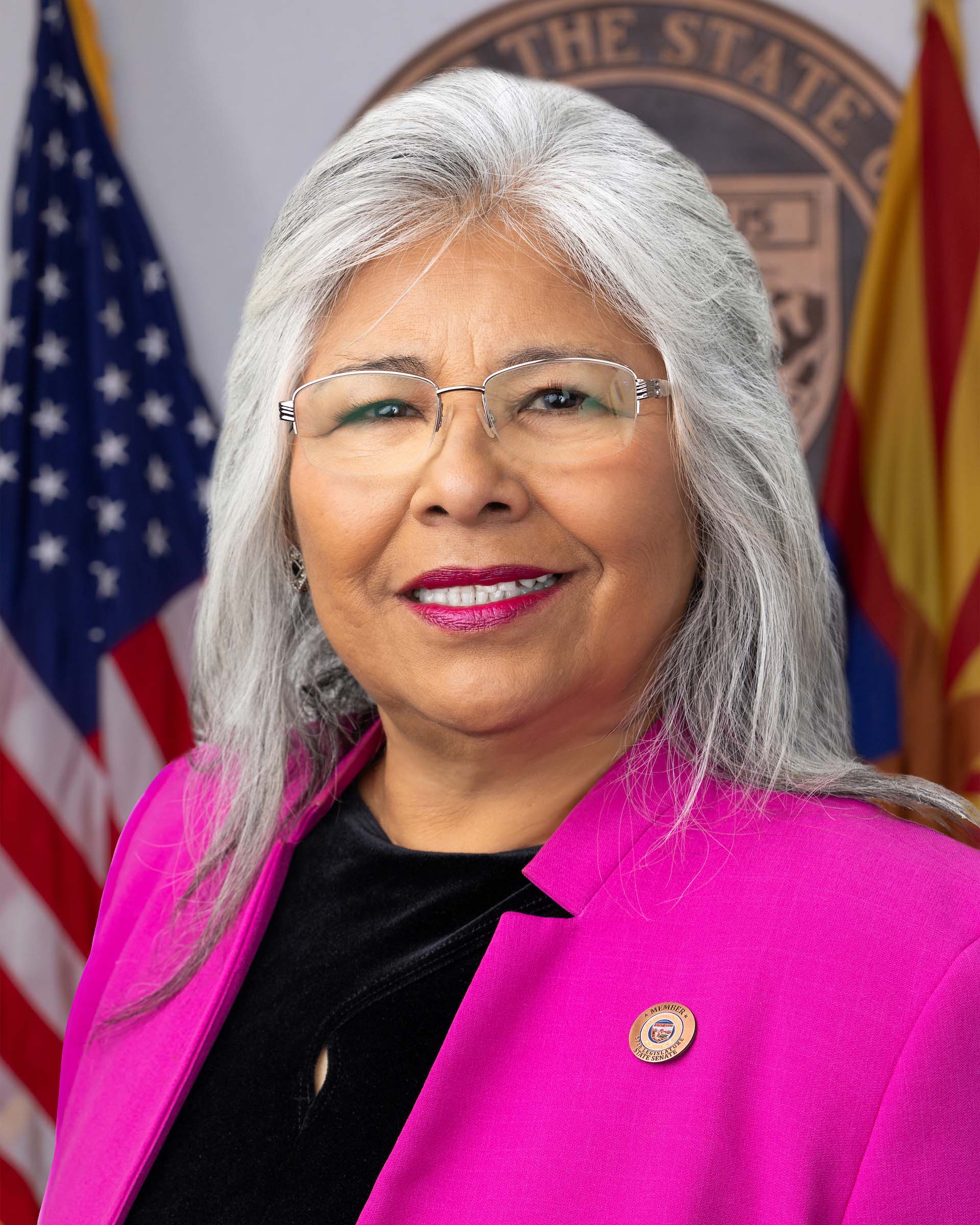
Wendy Rogers
78% support rate
Top opponent
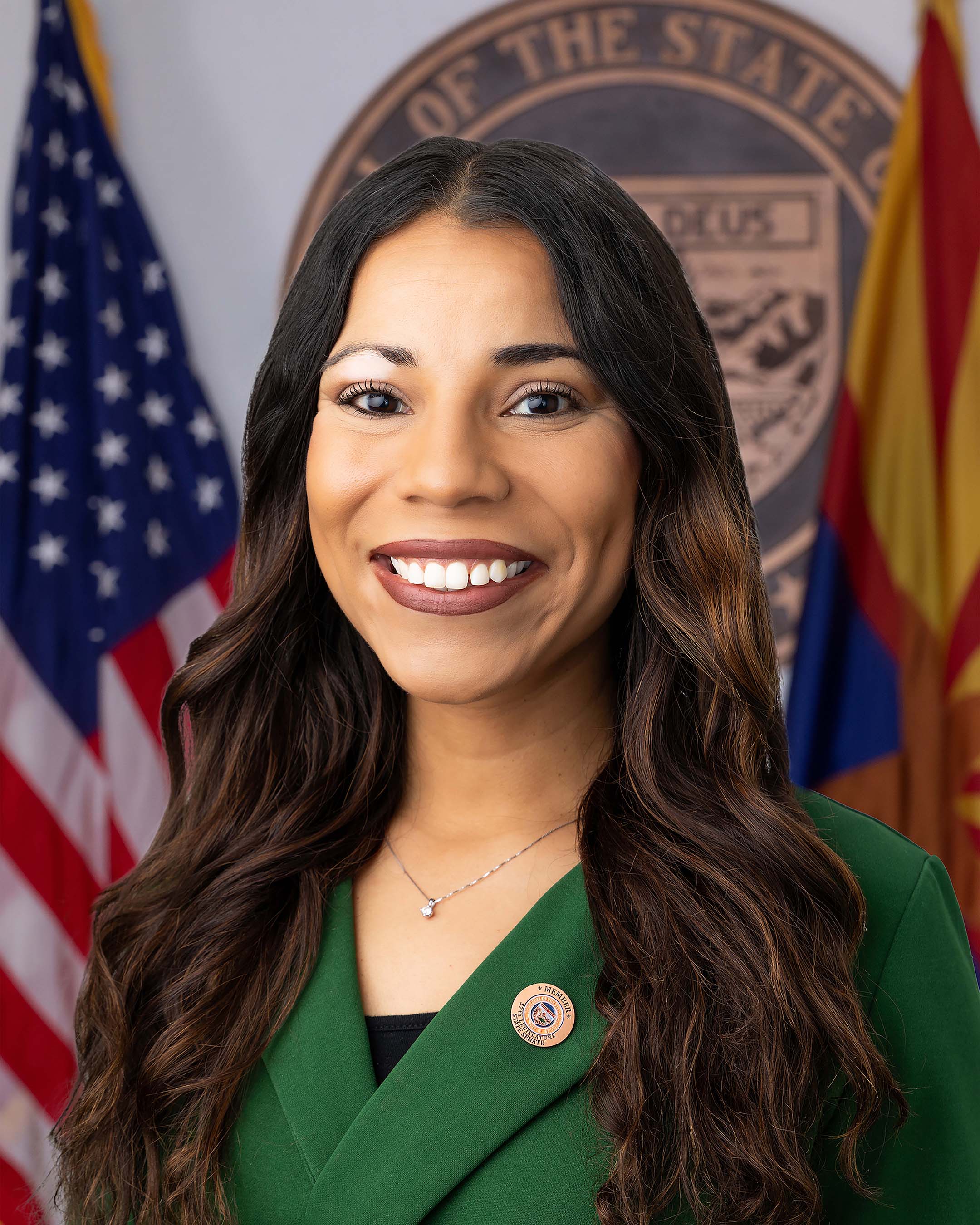
Analise Ortiz
30% support rate
Ranked legislators
10
5 support · 5 oppose
Key legislators

Who's moving law enforcement in Arizona

Legislators moving law enforcement in Arizona
Legislator Party Stance Support rate Votes
Wendy Rogers
Wendy Rogers Senate · District 7
R
Support
78% 9
Alex Kolodin
Alex Kolodin House · District 3
R
Support
75% 8
Justin Olson
Justin Olson House · District 10
R
Support
75% 8
Kevin Volk
Kevin Volk House · District 17
D
Support
75% 8
Lisa Fink
Lisa Fink House · District 27
R
Support
75% 8
Analise Ortiz
Analise Ortiz Senate · District 24
D
Oppose
30% 10
Catherine Miranda
Catherine Miranda Senate · District 11
D
Oppose
30% 10
Lauren Kuby
Lauren Kuby Senate · District 8
D
Oppose
30% 10
Priya Sundareshan
Priya Sundareshan Senate · District 18
D
Oppose
30% 10
Sally Gonzales
Sally Gonzales Senate · District 20
D
Oppose
33% 9
Showing 21–30 of 55 bills

All criminal justice bills

introduced · Arizona · House Jan 28, 2026

HB 2922: obstructing criminal investigations; homeowner exemption

HB 2922 amends Arizona law to exempt homeowners from obstruction charges when refusing police entry to their residential property. Specifically, it removes the criminal penalty for a residential property owner who declines to open a door to a peace officer seeking entry. The bill does not affect commercial properties or alter police authority to obtain warrants for searches. This change directly impacts homeowners who may refuse entry during routine police inquiries without facing felony charges under the obstruction statute.
passed · Arizona · House Mar 31, 2026

HB 2416: appropriation; DPS; local border support

HB 2416 appropriates $20 million from Arizona's state general fund for the Department of Public Safety (DPS) in fiscal year 2026-2027 to support local border operations. It directly funds local law enforcement officer positions focused on stopping drug trafficking, human smuggling, and illegal immigration, provides grants to cities/towns/counties for prosecuting and detaining individuals charged with these border crimes, and covers capital equipment costs like vehicles. The bill’s key mechanism is redirecting state funds to enhance local border enforcement capabilities and support prosecution efforts. This funding affects border communities, local law enforcement agencies, and individuals facing charges related to border crimes. The bill does not change existing laws but allocates specific state resources for these purposes.
introduced · Arizona · House Jun 13, 2026

HB 2808: attorney general; terrorist organization designation

HB 2808 authorizes Arizona's Attorney General to investigate and formally designate organizations as terrorist groups within the state, following a 30-day public notice period and opportunity for the group to respond. If designated, the organization cannot operate offices, solicit funds, or receive state contracts or public money in Arizona, and violators face civil penalties up to $50,000 or felony charges for aiding such groups. The bill defines "terrorist organization" broadly to include groups with ties to foreign terrorist entities, documented law enforcement links to extremism, or advocacy for parallel legal systems. It requires the Attorney General to submit annual reports on designations starting in 2027 and allows federal designations to be used as evidence. The law directly affects any Arizona-based organization meeting these criteria, imposing concrete operational and financial restrictions.
Sub-Topics Law Enforcement
signed · Arizona · House Jun 4, 2026

HB 2253: testimony; disciplinary action; prohibition

HB 2253 modifies Arizona's process for law enforcement officers appealing disciplinary actions. It requires employers to share investigation files and witness information within 14 days of an appeal request, prohibits retaliation against witnesses for cooperating, and places the burden of proof on employers to justify disciplinary actions. The bill also mandates public hearings (with limited exceptions), sets 10-day deadlines for transcript delivery, and allows limited changes to hearing officers under specific conditions. These provisions aim to standardize appeal procedures and ensure transparency for officers challenging disciplinary decisions.
Sub-Topics Law Enforcement
introduced · Arizona · Senate Feb 2, 2026

SB 1462: animal control officers; mandatory training

SB 1462 requires animal control officers in Arizona cities and towns who can take legal action for animal control violations (like rabies or dog regulation breaches) to complete specific training. New officers hired or appointed on or after January 1, 2027, must finish training within one year; existing officers have 18 months from the law's effective date. The training covers four key areas: basic criminal law, arrest procedures, search and seizure laws, and animal cruelty investigations. It must be delivered by certified peace officer trainers for the first three topics and by a statewide animal humane organization for the fourth topic, mirroring existing state-approved courses.
Sub-Topics Law Enforcement
signed · Arizona · Senate Jun 19, 2026

SB 1416: missing; kidnapped children; reporting requirements

SB 1416 requires Arizona law enforcement agencies to submit detailed information about missing or kidnapped children to state and national databases within two hours, including photos, physical descriptions, and last known locations. Agencies must also share this information with media and social media within 20-40 hours, update records within 30 days, and notify the National Center for Missing and Exploited Children (NCMEC) for children in foster care. The bill mandates comprehensive training for officers handling such cases at hire and biannually, covering reporting protocols and coordination with child welfare systems. This procedural legislation directly affects all Arizona law enforcement agencies and their response protocols for missing children cases.
Sub-Topics Law Enforcement
signed · Arizona · Senate Jun 19, 2026

SB 1631: DCS; sexual abuse allegations; interviews

SB 1631 requires Arizona's Department of Child Safety (DCS) and local law enforcement to implement standardized protocols for investigating sexual abuse allegations against children. It mandates that a trained forensic interviewer conduct a child's initial interview within 72 hours of a report alleging sexual abuse (defined as offenses under specific Arizona statutes like molestation, trafficking, or assault), with limited exceptions for medical care or child location. The bill also establishes requirements for county-level interdisciplinary investigations, information sharing, joint case coordination, and annual reporting to the governor and legislature. These protocols directly affect DCS workers, county attorneys, law enforcement, and medical experts involved in child abuse cases. The law does not change evidence admissibility but focuses on improving investigation speed and coordination.
failed · Arizona · Senate Mar 25, 2026

SB 1537: peace officer fund; commission; repeal

SB 1537 modifies Arizona law to redirect $4 from each traffic diversion program fee and $4 from each traffic penalty assessment to the Peace Officer Training Equipment Fund. This directly affects drivers who attend court-authorized traffic diversion programs (like defensive driving) or pay fines for traffic violations. The fund, established under Section 41-1731, is specifically designated for purchasing peace officer equipment and cannot be diverted to other state funds. The bill also repeals Section 41-1732, which was related to the fund's administration.
Sub-Topics Courts Law Enforcement
introduced · Arizona · House Jan 20, 2026

HB 2421: assault weapons; magazines; prohibition; registration

HB 2421 prohibits private possession of assault weapons (defined as firearms with features like detachable magazines or specific stocks) and large-capacity magazines in Arizona. It applies to most residents, with exceptions for law enforcement, military personnel, and licensed dealers selling to those agencies. The bill requires existing owners to either surrender, permanently disable, or register their weapons within 90 days, including annual background checks and strict storage rules. Violations carry fines starting at $750 for first-time possession offenses, escalating to $5,000 for felony violations. The law does not affect government or military use, and registration is mandatory for retained weapons.
introduced · Arizona · Senate Jan 27, 2026

SB 1321: misdemeanor expungement; requirements; procedure

SB 1321 allows Arizona residents convicted of qualifying misdemeanors (excluding certain offenses like violent crimes or drug offenses) to petition courts for expungement of their records starting January 1, 2027. To qualify, petitioners must wait at least three years after completing probation or sentence, have no pending cases or unpaid fines, and provide proof of sentence completion. If approved, courts will seal all conviction records, prohibit law enforcement from disclosing them without a court order, and allow petitioners to legally state the conviction never occurred. Victims of the offense receive notice and the right to be heard during the process. This bill directly affects individuals with eligible misdemeanor convictions seeking to move forward without criminal record barriers.
Showing 21 to 30 of 55 bills
Previous 1 2 3 4 6 Next