Issue · Criminal Justice

Criminal Justice

Every criminal justice bill, vote, and legislator stance in Arizona, automatically classified by Maddy, our AI policy reader.

Total bills
63
57th Legislature - Second Regular Session
Top supporter
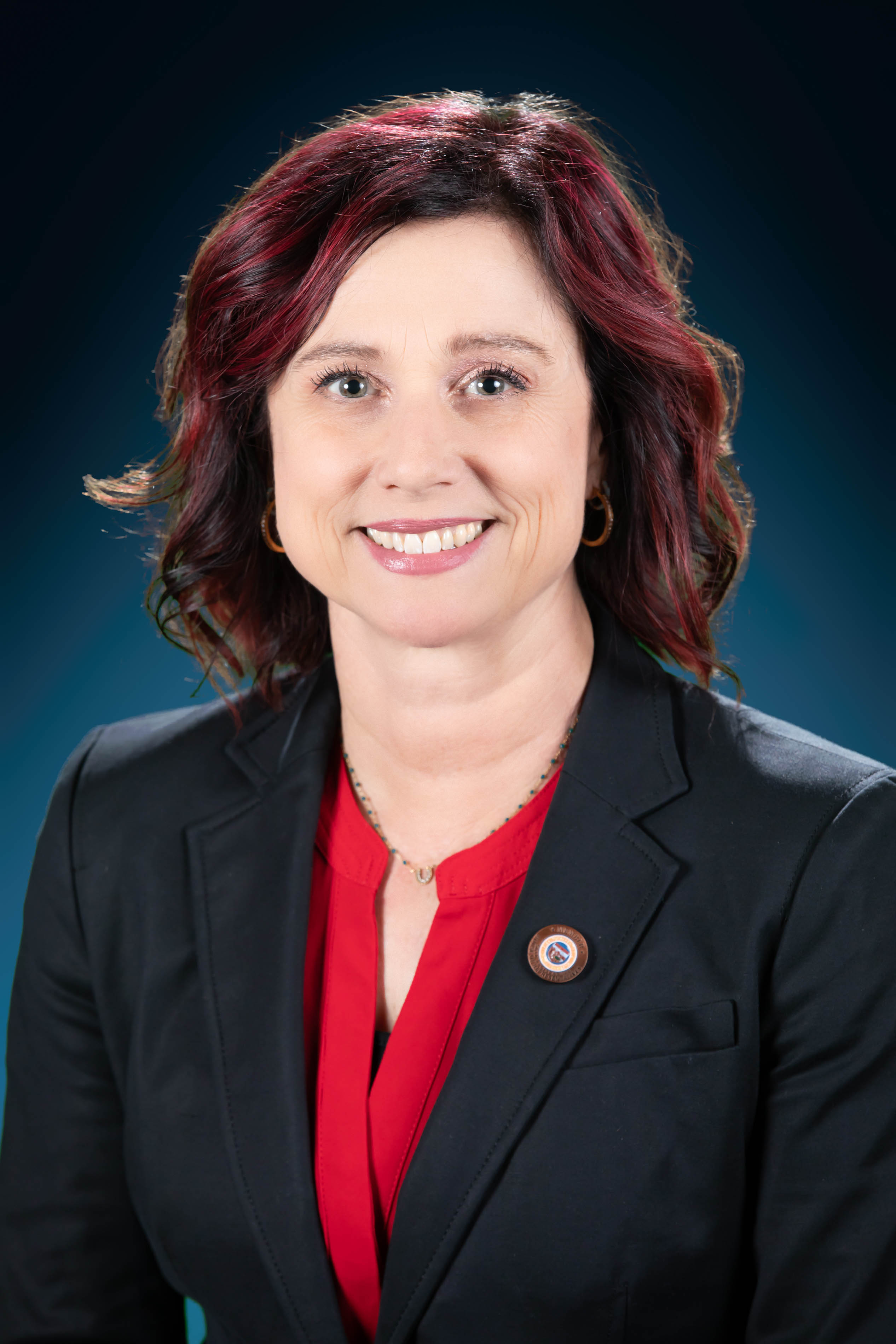
Stephanie Simacek
74% support rate
Top opponent
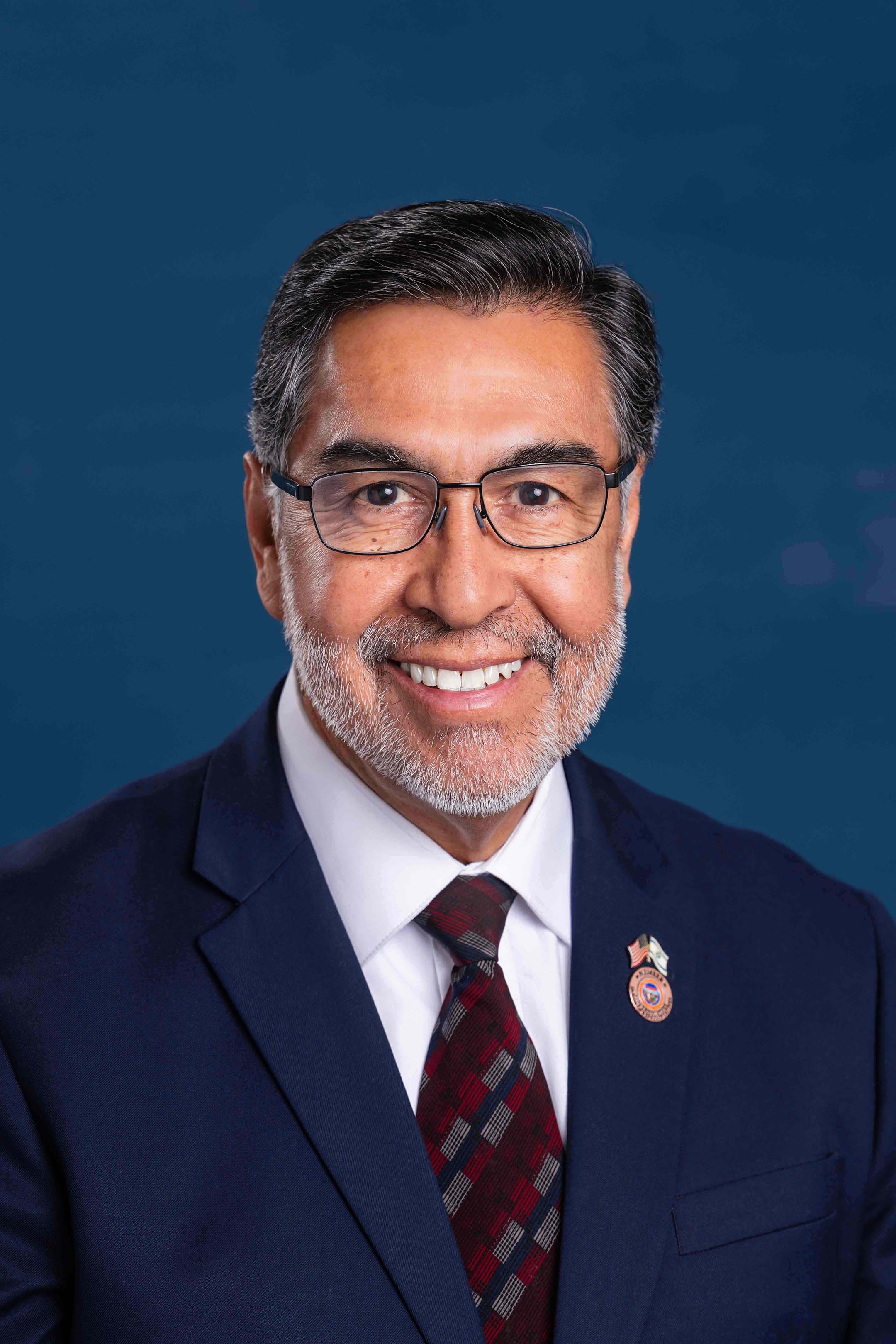
Lupe Diaz
40% support rate
Ranked legislators
10
5 support · 5 oppose
Key legislators

Who's moving criminal justice in Arizona

Legislators moving criminal justice in Arizona
Legislator Party Stance Support rate Votes
Stephanie Simacek
Stephanie Simacek House · District 2
D
Support
74% 166
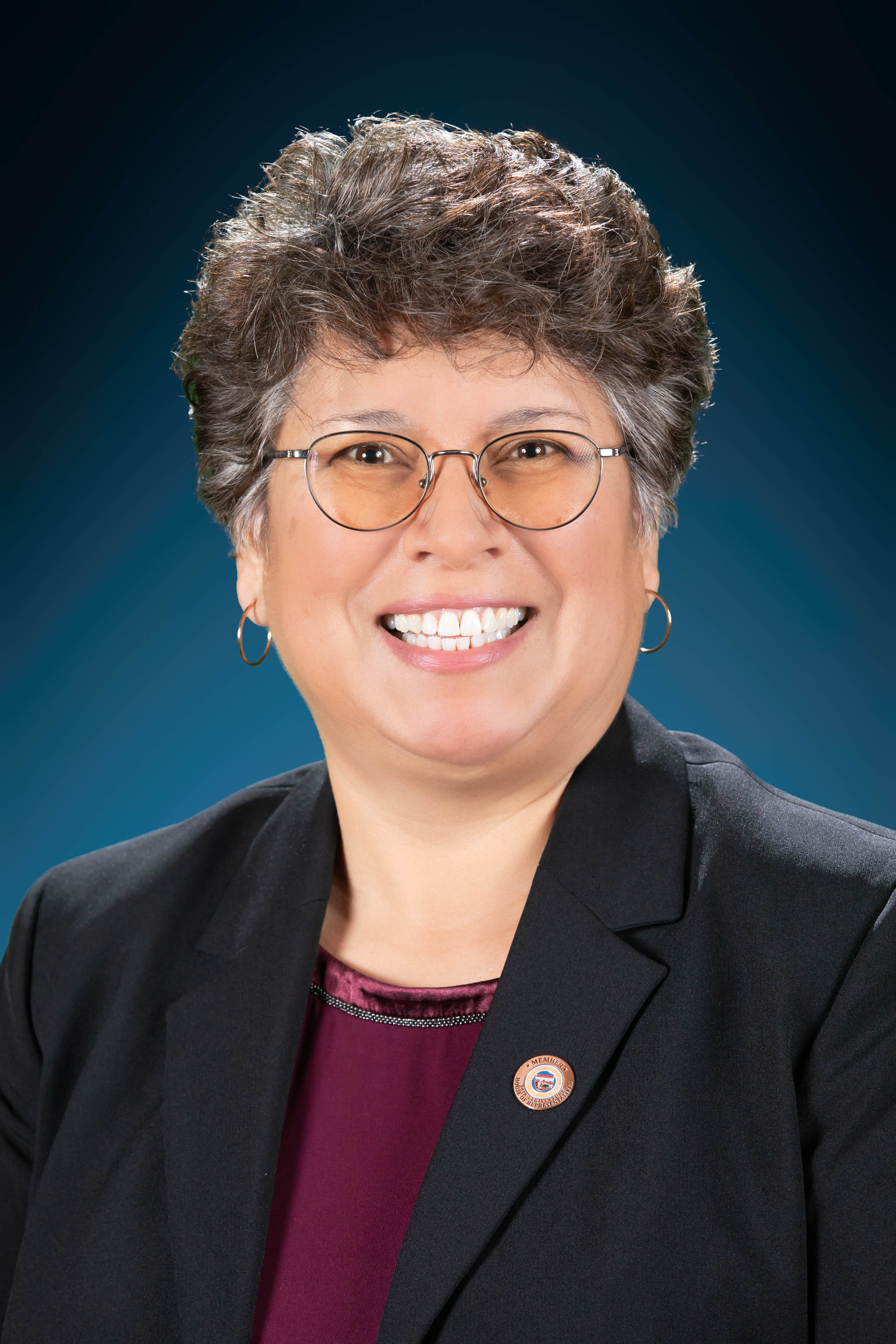
Lydia Hernandez
Lydia Hernandez House · District 24
D
Support
73% 178
Seth Blattman
Seth Blattman House · District 9
D
Support
71% 47
Nancy Gutierrez
Nancy Gutierrez House · District 18
D
Support
71% 126
Patty Contreras
Patty Contreras House · District 12
D
Support
71% 182
Lupe Diaz
Lupe Diaz House · District 19
R
Oppose
40% 191
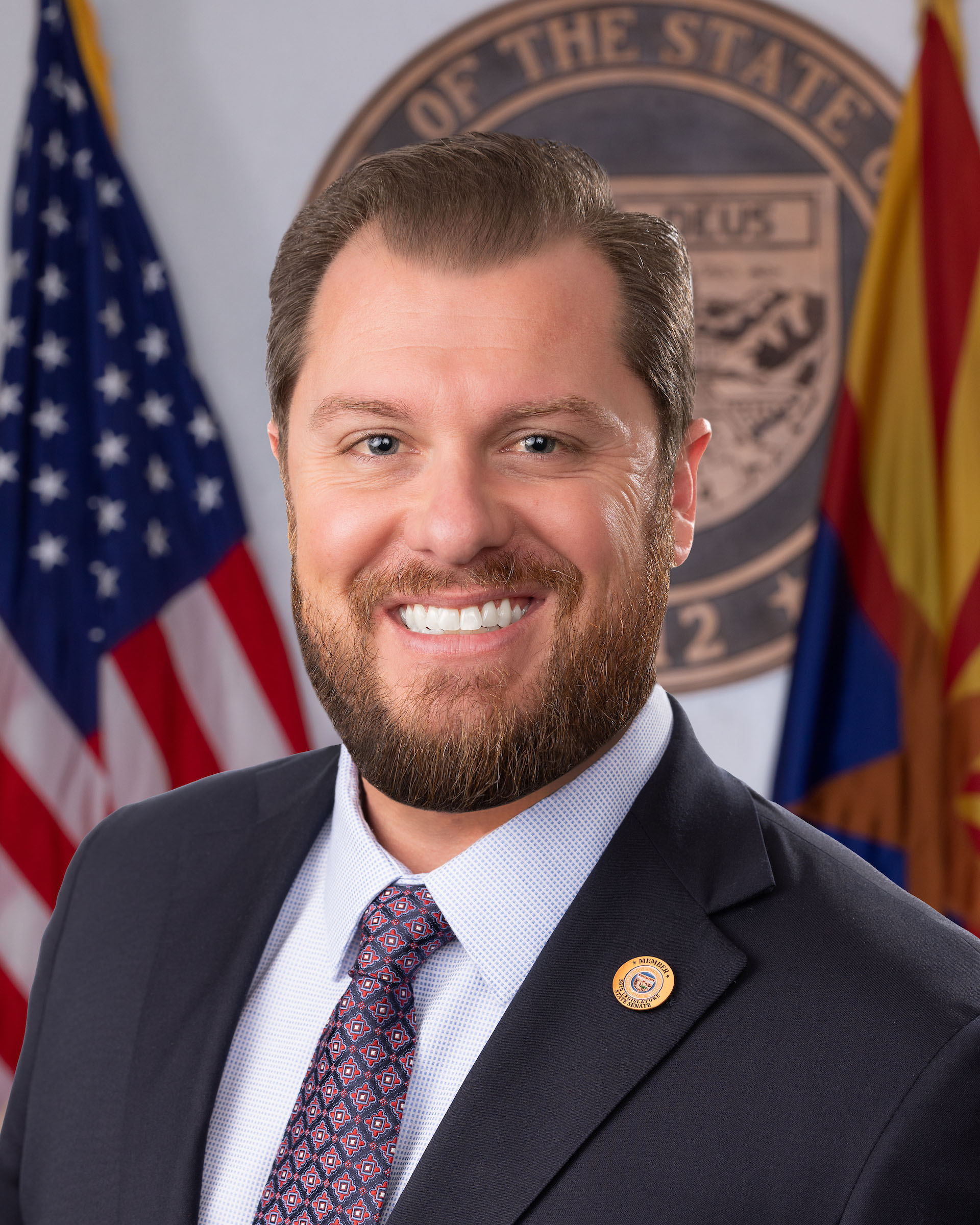
Jake Hoffman
Jake Hoffman Senate · District 15
R
Mixed −
41% 199
David Livingston
David Livingston House · District 28
R
Mixed −
42% 170
Sally Gonzales
Sally Gonzales Senate · District 20
D
Mixed −
43% 203
Eva Diaz
Eva Diaz Senate · District 22
D
Mixed −
43% 146
Showing 21–30 of 63 bills

All criminal justice bills

signed · Arizona · Senate Apr 9, 2026

SB 1092: dangerous crimes against children; probation

SB 1092 prevents judges from shortening probation terms early for individuals convicted of "dangerous crimes against children" (as defined in Arizona law). The bill amends probation statutes to explicitly prohibit courts from terminating probation earlier than originally imposed for these specific offenses. This change directly affects defendants convicted under §13-705, courts handling their cases, and probation officers overseeing supervision. The policy ensures minimum probation periods for serious child-related crimes, maintaining consistent supervision without judicial discretion to reduce terms. It does not alter other probation requirements or fees.
Sub-Topics Probation & Parole
introduced · Arizona · House Jan 28, 2026

HB 2345: unlawful presence; commercial vehicle; forfeiture

This Arizona bill makes it a class 5 felony to possess a fake commercial driver's license if your presence in the U.S. isn't authorized under federal law. If someone violates this while operating a commercial vehicle, police can seize and sell the vehicle. Employers who knowingly hire such individuals must pay a civil penalty equal to the vehicle's fair market value. All money from fines and vehicle sales goes to Arizona's highway user revenue fund.
signed · Arizona · Senate Mar 27, 2026

SB 1211: aggravated harassment; lifetime injunctions

SB 1211 requires Arizona courts to issue lifetime injunctions prohibiting contact between defendants convicted of specific serious felonies and their victims. It applies to offenses including violent felonies, certain domestic violence cases (per A.R.S. §13-2921.01), and other felony categories listed in the bill. The injunctions take effect immediately at sentencing, must be registered with crime databases, and remain valid for the defendant's lifetime unless the victim dies, the conviction is overturned, or the victim requests early termination. Victims can also petition for an injunction after sentencing without court fees. This law directly affects victims of qualifying violent or domestic violence felonies and their convicted offenders.
introduced · Arizona · House Jan 20, 2026

HB 2412: threatening; intimidating; harassment; public officials

This bill strengthens penalties for threatening or harassing public officials in Arizona. It classifies threatening or intimidating a public official (or their family) as a felony, increasing penalties from misdemeanors to Class 3 or Class 6 felonies depending on the circumstances, such as retaliation for reporting crime. It also specifies that harassment targeting public officials - like filing false liens or making repeated false reports - becomes a Class 5 felony, while standard harassment remains a misdemeanor. The law directly affects public officials, employees, and their families by imposing stricter consequences for targeted threats or harassment against them.
introduced · Arizona · House Jun 13, 2026

HB 2808: attorney general; terrorist organization designation

HB 2808 authorizes Arizona's Attorney General to investigate and formally designate organizations as terrorist groups within the state, following a 30-day public notice period and opportunity for the group to respond. If designated, the organization cannot operate offices, solicit funds, or receive state contracts or public money in Arizona, and violators face civil penalties up to $50,000 or felony charges for aiding such groups. The bill defines "terrorist organization" broadly to include groups with ties to foreign terrorist entities, documented law enforcement links to extremism, or advocacy for parallel legal systems. It requires the Attorney General to submit annual reports on designations starting in 2027 and allows federal designations to be used as evidence. The law directly affects any Arizona-based organization meeting these criteria, imposing concrete operational and financial restrictions.
Sub-Topics Law Enforcement
passed · Arizona · House Mar 18, 2026

HB 2966: dangerous crimes against children; probation.

HB 2966 amends Arizona's probation statute to require a minimum $65 monthly fee for most probationers, with exceptions for those unable to pay. The fee funds adult probation services, collected by courts and deposited into a county probation fund. Crucially, the bill prohibits courts from ending probation early for individuals convicted of "dangerous crimes against children" (as defined in AZ Rev. Stat. § 13-705). It applies broadly to all probationers but includes a specific restriction for those convicted of severe child-related offenses. The changes clarify fee collection procedures and reinforce that early probation termination is not permitted for these cases.
Sub-Topics Probation & Parole
introduced · Arizona · Senate Feb 4, 2026

SB 1600: unlawful securing of firearms; minors

SB 1600 makes it a crime for adults to negligently leave firearms accessible to minors under 17, specifically when the firearm is "readily dischargeable" (loaded or ready to fire). It requires reasonable storage measures like locked containers or trigger locks, and violations are classified as a class 6 felony (class 4 if injury or death occurs). The bill directly affects parents, guardians, or family members responsible for firearm storage, with specific exceptions for supervised use (e.g., hunting, self-defense). Key provisions include a 7-day arrest delay for family members if injury/death results and clear definitions of "minor" and "family member."
Sub-Topics Firearms
vetoed · Arizona · House Apr 13, 2026

HB 2811: obstructing governmental operations; lawful arrest

HB 2811 amends Arizona law to reclassify obstructing a lawful arrest as a class 5 felony (previously a class 1 misdemeanor), while keeping obstruction of other governmental functions as a misdemeanor. It directly affects individuals who physically block or interfere with police during a lawful arrest. The key provision specifies that using or threatening violence to hinder the "making of a lawful arrest" now carries felony penalties. This bill makes a concrete policy change by increasing criminal penalties for a specific type of obstruction during arrests.
Sub-Topics Policing
passed · Arizona · House Mar 25, 2026

HB 2671: chronic felony offenders; juveniles

HB 2671 changes Arizona's rules for prosecuting juveniles (ages 14-17) as adults, specifically targeting those with prior felony convictions. It requires prosecutors to file notice if a juvenile is a "chronic felony offender" (defined as having two prior felony convictions classified as serious offenses), triggering a court hearing to confirm this status. If confirmed, the juvenile faces adult criminal sentencing; if not, the case transfers to juvenile court. This directly affects juveniles with prior felony convictions who commit new serious offenses, shifting jurisdiction from juvenile to criminal court. The bill creates a clear process for determining chronic offender status before trial.
signed · Arizona · House Apr 13, 2026

HB 2132: fentanyl; possession; sale; amount; sentencing

Arizona's HB 2132 increases penalties for fentanyl offenses. It sets a minimum 5-year prison sentence for selling or possessing fentanyl in amounts of 200 grams or more (with repeat offenses requiring 10+ years), replaces probation eligibility for these cases, and mandates a $2,000+ fine. Convicted individuals must also complete 360 hours of community service with substance abuse programs and undergo mandatory drug testing if on probation. The bill directly affects people convicted of fentanyl-related sales or possession above the threshold, aiming to strengthen sentencing for serious drug offenses.
Showing 21 to 30 of 63 bills
Previous 1 2 3 4 7 Next