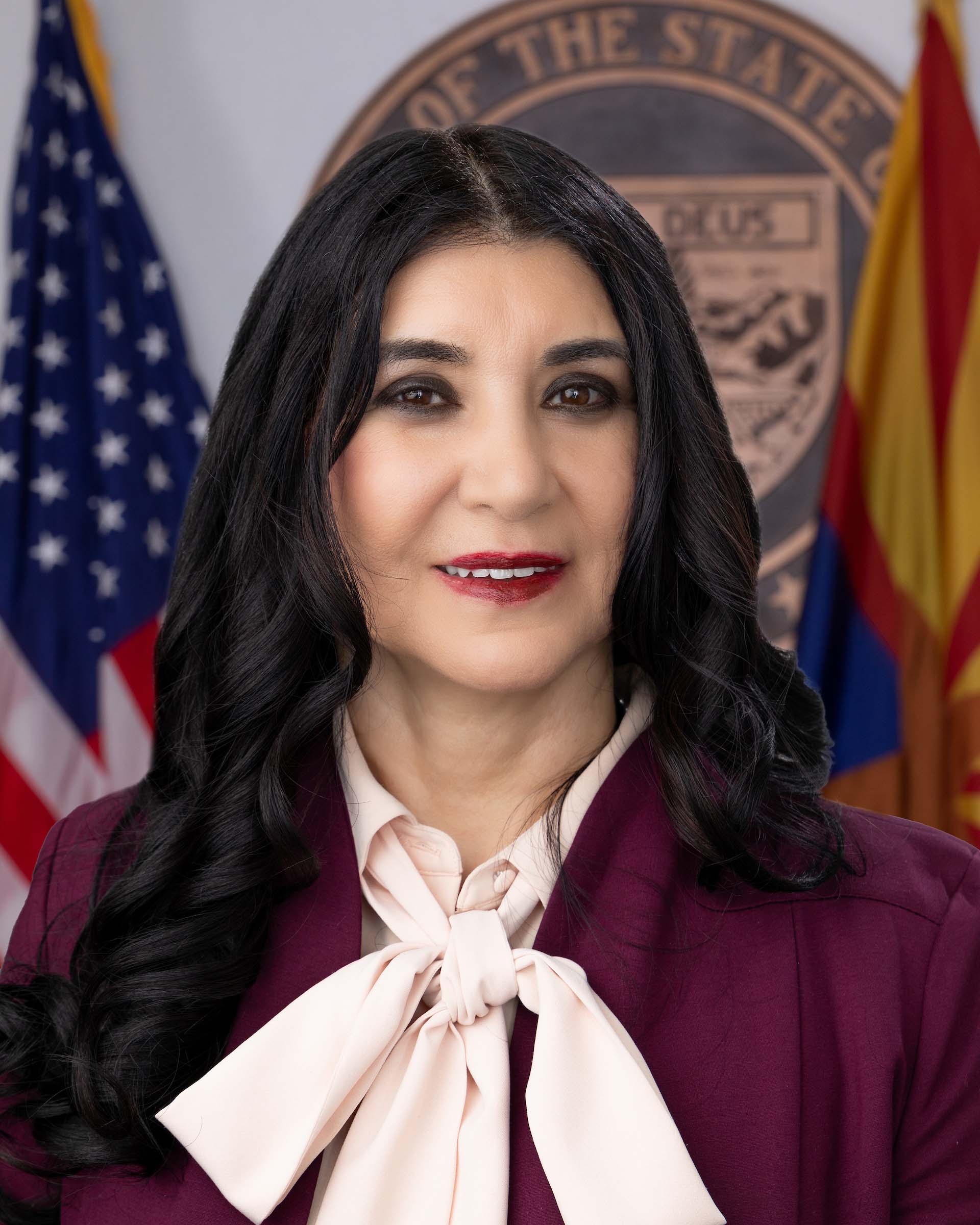
HB 2595 appropriates $45 million from Arizona's state general fund for fiscal year 2026-2027 to Coconino County through the Attorney General. The funds will directly support constructing a new juvenile court services facility and converting the county's existing juvenile detention center into a detox, sobriety, and crisis recovery center. This bill provides concrete financial resources for physical infrastructure changes within Coconino County's juvenile services system. It does not alter eligibility or service standards but focuses on facility development and repurposing. The bill is currently in early legislative stages, having passed its first two readings.
HB 2226 requires courts to ask arrestees at their first court hearing if they are U.S. military veterans. If confirmed (via documents like a DD-214), prosecutors must inform veterans about veterans' services and refer them to veterans' courts or treatment programs - unless the person faces serious charges like violent crimes or crimes against children. The bill directly affects veterans arrested for non-serious offenses, creating a pathway to specialized support instead of standard criminal proceedings. It does not change existing criminal penalties but adds a procedural step for veterans' case processing.
HB 2673 requires Arizona county sheriffs and state correctional facilities to address mental health needs of incarcerated individuals. It mandates that prisoners showing symptoms of mental illness receive a licensed physician examination within 24 hours, ensures continuity of prescribed medications and treatments upon jail entry, and requires screening for prior mental illness diagnoses. For state facilities, it creates a process where prisoners displaying severe mental health symptoms may be transferred to specialized treatment facilities after a court hearing with appointed legal representation. The bill also requires quarterly condition reports from treatment facilities to correctional authorities and courts. This applies directly to prisoners in county jails (for misdemeanor cases) and state correctional facilities.
SB 1480 prohibits landlords from including in lease agreements any clause that would evict a tenant based on the criminal conviction of the tenant or a guest, specifically targeting "crime-free" lease addendums. This law directly affects landlords who use such addendums and tenants who might have faced eviction under these terms. The key provision makes any eviction clause related to criminal convictions in a "crime-free" lease addendum unenforceable. The bill does not change other eviction reasons but removes this specific practice from lease agreements.
SB 1320 establishes a task force to address the needs of children with incarcerated parents in Arizona. The task force, made up of diverse stakeholders including former inmates, adult children of incarcerated parents, state agency directors, and legislators, must ensure these children have specific rights (like safety, being heard in decisions, and maintaining parent relationships) and identify gaps in mental health support. It will track metrics like children served and community partnerships, and partner with faith-based groups to provide support programs. The task force must submit a final report by June 30, 2028, after which the bill expires. This directly affects children in Arizona whose parents are incarcerated.
HB 2823 prohibits Arizona's Department of Corrections from renewing or creating new contracts with private prison operators that include a "minimum occupancy clause." This means the state cannot require private prisons to maintain a specific occupancy rate, and will only pay for the actual number of inmates physically housed at the facility. The bill directly affects the state department and private prison operators by changing how contracts are structured and paid. It applies to all new contracts or renewals after the bill's effective date.
Arizona's HB 2175 increases prison sentences for certain crimes committed "out of hostility toward a victim because of the victim's identity in a protected group" (as defined in state law). It applies to offenses like assault (Section 13-1203), criminal damage (Section 13-1602), and other felonies listed in the bill. If convicted under these circumstances, defendants face a 3- to 5-year sentence increase (depending on felony class) and cannot receive probation, suspended sentences, or early release until the full term is served. The law explicitly states it does not restrict constitutional free speech rights.
Arizona's SB 1543 allows courts to downgrade certain lower-level felony convictions to class 1 misdemeanors under strict conditions. It applies to individuals convicted of non-violent class 4, 5, or 6 felonies who have no prior felony convictions, no victim involved, completed all court terms (including payments), waited at least five years since conviction with no subsequent offenses, and where the court deems it in the interest of justice. The bill does not automatically change sentences but gives judges discretion to reclassify eligible cases. It directly affects offenders meeting all five specific criteria. The bill is currently in early legislative stages (Senate readings).
This bill allows judges to impose lighter prison sentences or probation instead of mandatory prison terms for certain defendants with mental health conditions linked to military service or first responder work. It requires judges to find that imposing the mandatory sentence would cause injustice, isn't needed for public safety, and the condition relates to the defendant's military or first responder role. The law excludes cases involving death, serious injury, domestic violence, or ongoing criminal activity. Judges must state their reasoning on the record when deviating from mandatory sentences.
HB 2880 creates protections for individuals attending court proceedings and sets requirements for hospitals regarding law enforcement interactions. Section 11-1052 grants a "privilege from civil arrest" to parties, witnesses, and court companions (including family members, advocates, or translators) while traveling to, at, or leaving court - covering courthouse premises and surrounding areas - but excludes criminal arrests. Section 11-1053 requires hospitals to adopt policies by January 1, 2027, including verifying law enforcement identity, designating waiting areas, and providing patients with privacy notices that allow redaction of immigration status, birthplace, or documents like passports. The bill directly affects court attendees, hospital staff, and law enforcement agencies interacting with patients. It does not address schools or daycares, despite the bill title.