Issue · Budget & Taxes

Budget & Taxes (Audits & Accountability)

Every budget & taxes bill, vote, and legislator stance in Arizona, automatically classified by Maddy, our AI policy reader.

Total bills
14
57th Legislature - Second Regular Session
Top supporter
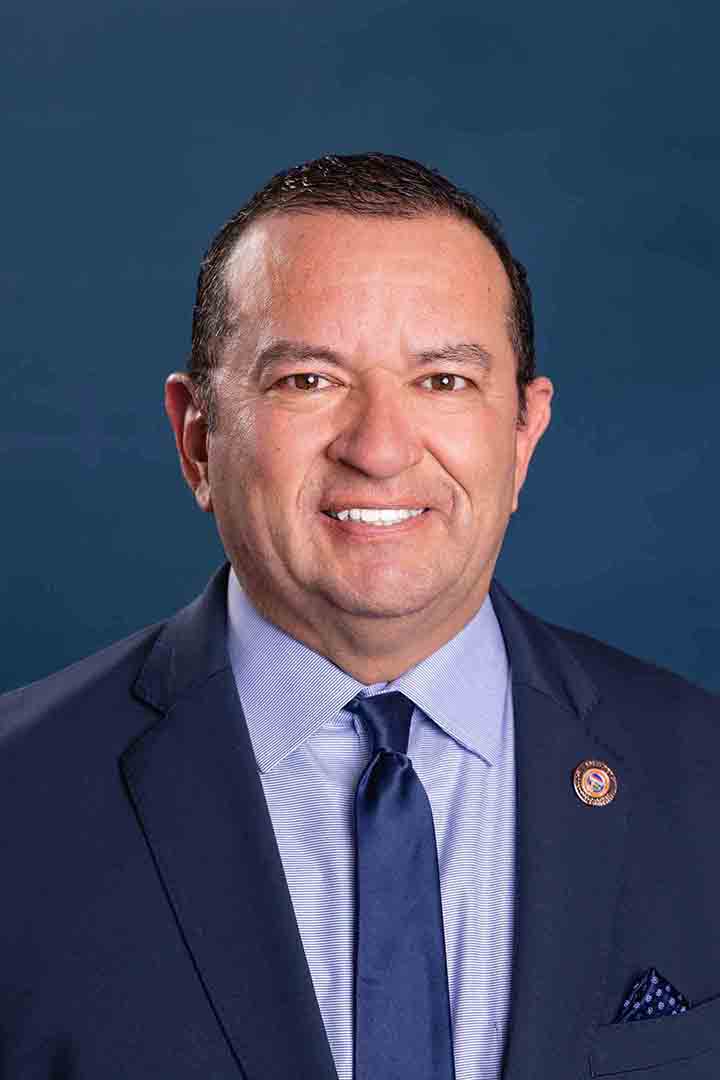
Janae Shamp
100% support rate
Top opponent
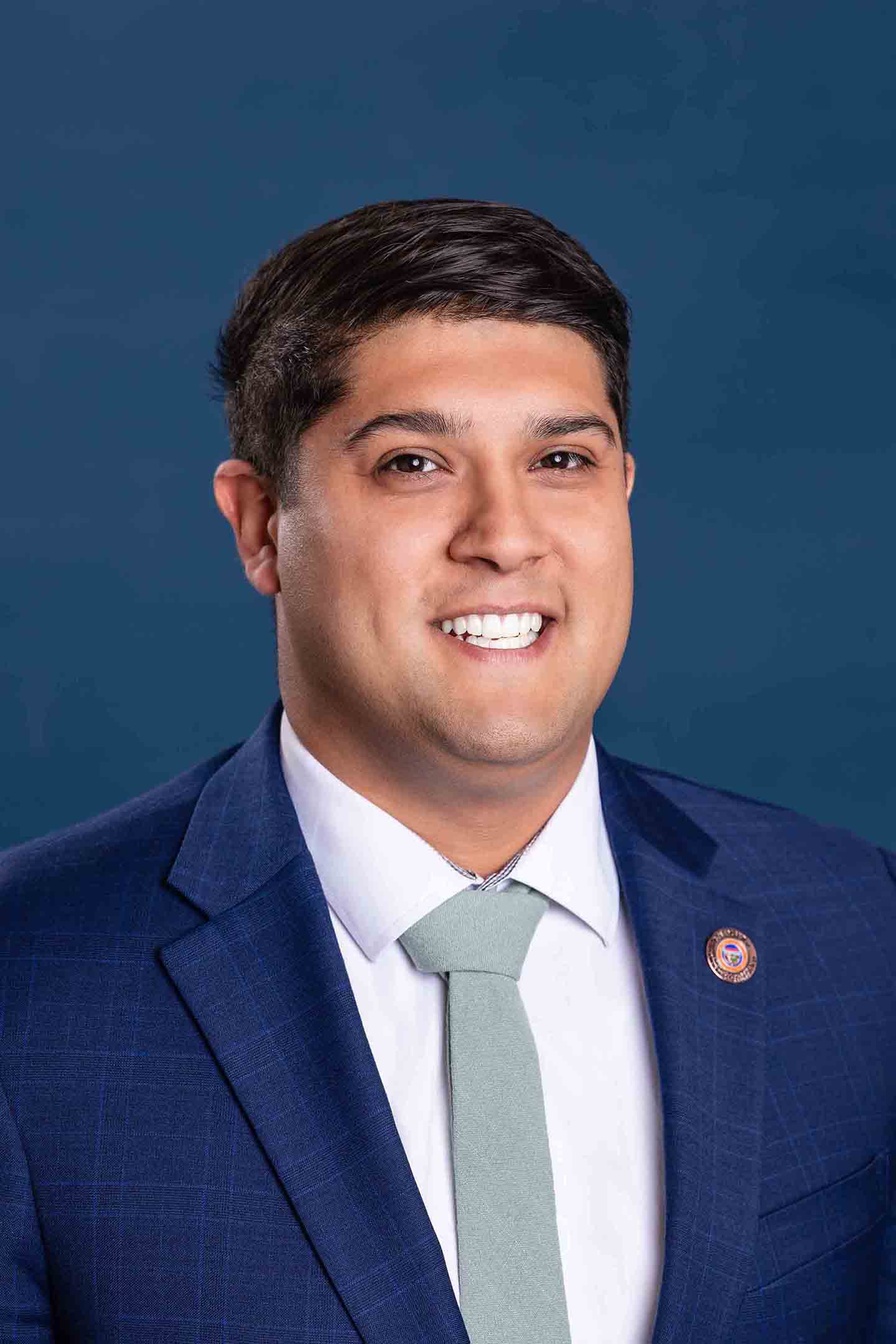
Cesar Aguilar
0% support rate
Ranked legislators
10
5 support · 5 oppose
Key legislators

Who's moving audits & accountability in Arizona

Legislators moving audits & accountability in Arizona
Legislator Party Stance Support rate Votes
Janae Shamp
Janae Shamp Senate · District 29
R
Strong +
100% 3
Alex Kolodin
Alex Kolodin House · District 3
R
Strong +
90% 10
Beverly Pingerelli
Beverly Pingerelli House · District 28
R
Strong +
90% 10
Chris Lopez
Chris Lopez House · District 16
R
Strong +
90% 10
Gail Griffin
Gail Griffin House · District 19
R
Strong +
90% 10
Cesar Aguilar
Cesar Aguilar House · District 26
D
Strong −
0% 9
Janeen Connolly
Janeen Connolly House · District 8
D
Strong −
0% 9
Anna Abeytia
Anna Abeytia House · District 24
D
Strong −
0% 8
Nancy Gutierrez
Nancy Gutierrez House · District 18
D
Strong −
0% 8
Mae Peshlakai
Mae Peshlakai House · District 6
D
Strong −
0% 4
Showing 1–10 of 14 bills

All budget & taxes bills

vetoed · Arizona · House May 5, 2026

HB 4147: 2026-2027; human services.

This bill establishes new rules for Arizona's Supplemental Nutrition Assistance Program (SNAP) to improve oversight and limit income thresholds for eligible recipients. It mandates that the state cap gross income limits for certain SNAP applicants at 185% of the federal poverty level and requires the Department of Economic Security to regularly cross-check applicant data with tax records, lottery winnings, and other government databases to verify eligibility. The legislation also sets a target to reduce payment error rates to 3% by 2030, requiring quarterly reports to the legislature and imposing financial penalties on the department if it fails to meet interim goals. Additionally, the bill mandates public reporting on fraud investigations and improper payments while authorizing an independent audit to identify factors contributing to payment errors.
passed · Arizona · Senate Mar 9, 2026

SB 1645: performance audits; auditor general

SB 1645 expands the Arizona Auditor General's authority to conduct audits of state and local government spending. It requires annual financial audits of state agencies, performance audits of county transportation excise tax spending every five years, and new school district audits to track the percentage of funds spent directly in classrooms. School districts must post this spending data online and report on implementing audit recommendations within two years. The bill also mandates audits for entities receiving taxpayer funds (like counties and cities) to verify compliance with spending rules. These provisions apply directly to state agencies, counties with transportation taxes, and school districts receiving highway user revenue.
introduced · Arizona · Senate Feb 9, 2026

SB 1719: nonprofit corporations; audits

SB 1719 requires nonprofits receiving over $250,000 annually in state funding to submit audited financial statements every five years (ending in 0 or 5), following either federal audit standards or generally accepted accounting principles. This directly affects larger nonprofits receiving significant state assistance, mandating independent audits at their own expense. Smaller nonprofits receiving $250,000 or less in annual state funds must follow audit terms specified in their individual contracts instead. The bill aims to ensure financial accountability for state funds distributed to nonprofit organizations.
passed · Arizona · House Mar 18, 2026

HCR 2058: AHCCCS; comprehensive claims audit

HCR 2058 requires a comprehensive audit of Arizona's Medicaid program (AHCCCS) to identify improper payments made over the past three years, such as duplicate claims, incorrect coding, or payments for ineligible services. The audit, to be conducted by qualified auditors and coordinated with federal Medicaid services, will categorize mispayments by provider type and managed care organization. Any recovered funds from mispayments will cover the audit costs, with remaining recoveries deposited into the state general fund. This voter-approved measure (requiring referendum) mandates a final report to state leaders within nine months of the audit and expires December 31, 2030.
vetoed · Arizona · House Feb 20, 2026

HB 2206: SNAP; error rate; forensic audit

HB 2206, titled the "Oh SNAP Act," requires Arizona's SNAP (food stamp) program to reduce its payment error rate to under 3% by December 2030. The bill mandates annual progress reports to the legislature starting in 2027, with penalties for missing targets including corrective action plans, partial payment of federal penalties, and potential funding cuts. It also requires a forensic audit by the auditor general by December 2031 to identify error causes and recommend fixes, which the department must implement within a year. The law expires on December 31, 2032. The bill directly affects Arizona's SNAP administration and federal program compliance.
introduced · Arizona · Senate Feb 4, 2026

SB 1615: state-owned properties; review board

SB 1615 establishes a state property review board to audit underused state-owned real estate starting in 2027. The board will identify properties using less than 60% of their intended capacity as "Surplus Property" and place them on a Mandatory Disposal List. These properties must be sold at public auction within 12 months, with proceeds deposited into the state general fund. The bill directly affects state agencies holding non-land-trust property, aiming to reduce taxpayer costs from vacant facilities by converting them into liquid capital.
passed · Arizona · House Mar 31, 2026

HB 2940: AHCCCS; eligibility; verification; SNAP; contractors

HB 2940 updates Arizona's healthcare and food assistance programs by requiring strict eligibility verification for AHCCCS (Medicaid) and SNAP (food stamps). It mandates that the state verify income, residency, immigration status, and other factors using multiple databases (like tax records and correctional systems) before approving benefits, replacing self-verified applications. The bill also creates a unified system to cross-check eligibility across programs in real time and requires detailed audit logs for transparency. These changes directly affect applicants seeking healthcare or food assistance, as well as state agencies managing these programs.
vetoed · Arizona · House Jun 19, 2026

HB 2481: school districts; records; noncompliance; penalties

HB 2481 requires Arizona school districts to maintain a uniform system of financial records. If a district fails to comply, the state board of education can withhold up to 10% of state funds for each violation until corrections are made, and must arrange for training for the district's financial staff within 30 days. After 18 months of noncompliance, the superintendent faces a $1,000 monthly civil penalty until the district achieves compliance. The bill also updates county school superintendents' reporting duties to include school district financial data.
passed · Arizona · House Mar 17, 2026

HB 2352: appropriation; auditor general; 2028-2029

HB 2352 appropriates $2,385,900 from Arizona's state general fund for fiscal year 2028-2029 to the state auditor general specifically for reviewing county treasurer financial procedures. This funding directly supports the auditor general's office in conducting required oversight of how county treasurers manage public funds. The bill establishes this as ongoing annual funding for future fiscal years beyond 2028-2029. It does not create new requirements but provides dedicated resources for existing procedural review responsibilities.
passed · Arizona · House Mar 17, 2026

HB 2532: homelessness; data; performance audit; appropriation

HB 2532 requires Arizona's auditor general to conduct a special audit of all state, local, and federal spending on homelessness programs - including contracts, service metrics, and per-person costs - by December 31, 2027. The audit will examine expenditures by state agencies, counties/municipalities with high homelessness rates, law enforcement, and federal funds allocated for homelessness services. The state appropriates $1.25 million from the housing trust fund for this audit, which must be completed by the end of 2027, after which the law expires. This bill directly affects all state and local governments that manage homelessness funding by mandating full financial transparency for the audit.
Showing 1 to 10 of 14 bills
1 2 Next