Issue · Budget & Taxes

Budget & Taxes

Every budget & taxes bill, vote, and legislator stance in Arizona, automatically classified by Maddy, our AI policy reader.

Total bills
372
119th Congress
Top supporter
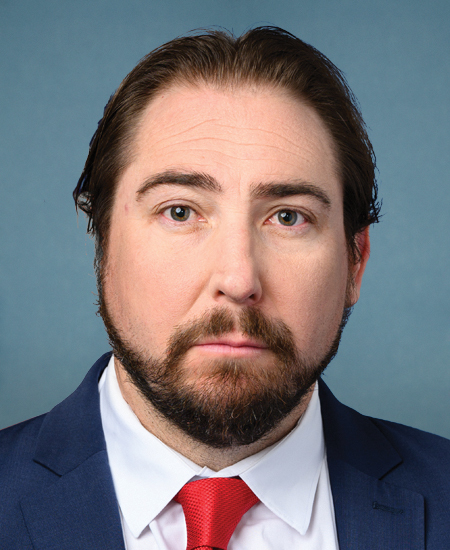
Elijah Crane
76% support rate
Top opponent
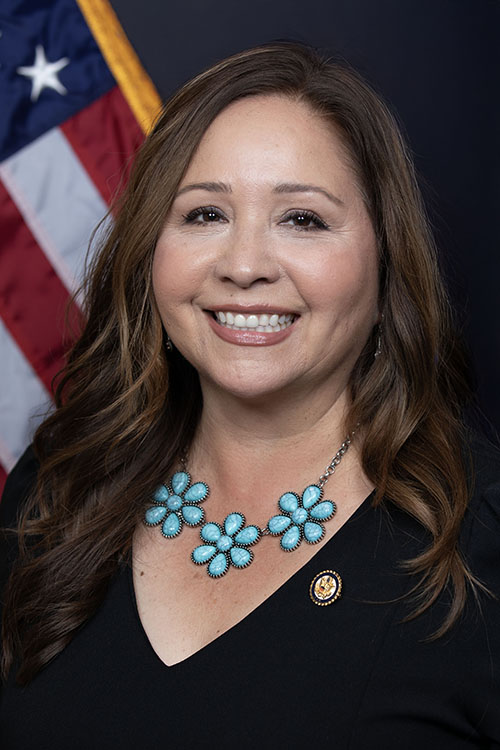
Adelita S. Grijalva
18% support rate
Ranked legislators
8
5 support · 3 oppose
Key legislators

Who's moving budget & taxes in Arizona

Legislators moving budget & taxes in Arizona
Legislator Party Stance Support rate Votes
Elijah Crane
Elijah Crane House · District 2
R
Support
76% 185
Paul A. Gosar
Paul A. Gosar House · District 9
R
Support
73% 167
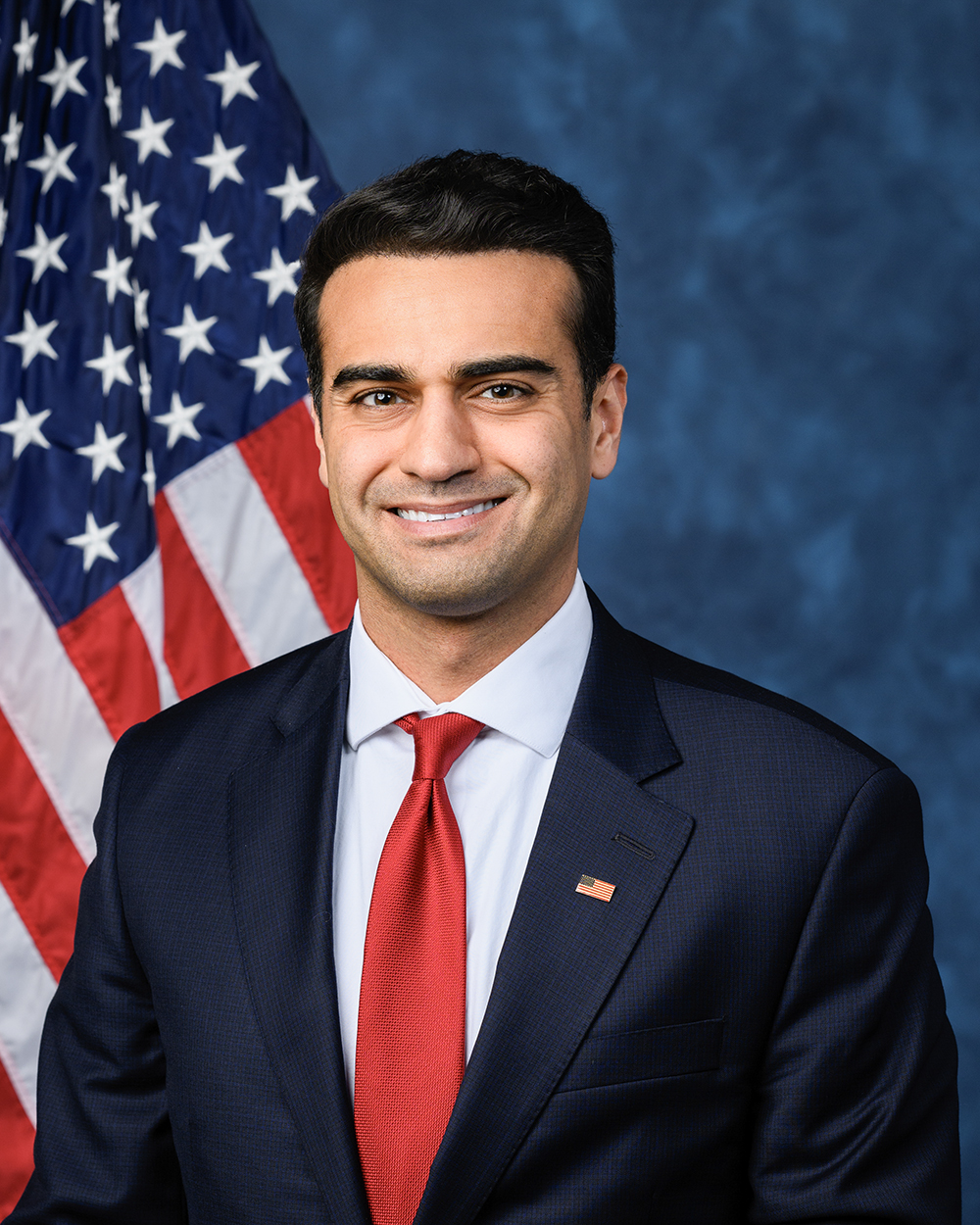
Abraham J. Hamadeh
Abraham J. Hamadeh House · District 8
R
Support
73% 185
Andy Biggs
Andy Biggs House · District 5
R
Support
72% 162
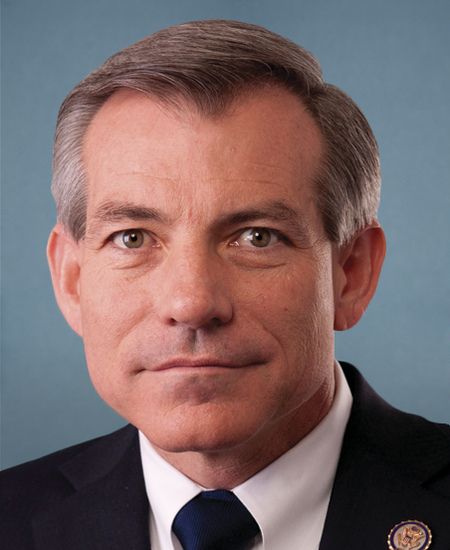
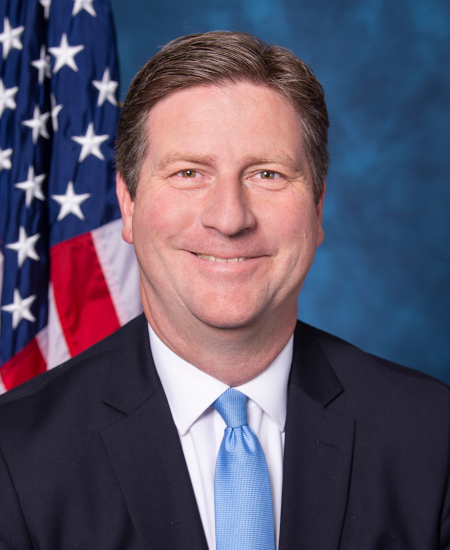
David Schweikert
David Schweikert House · District 1
R
Support
70% 180
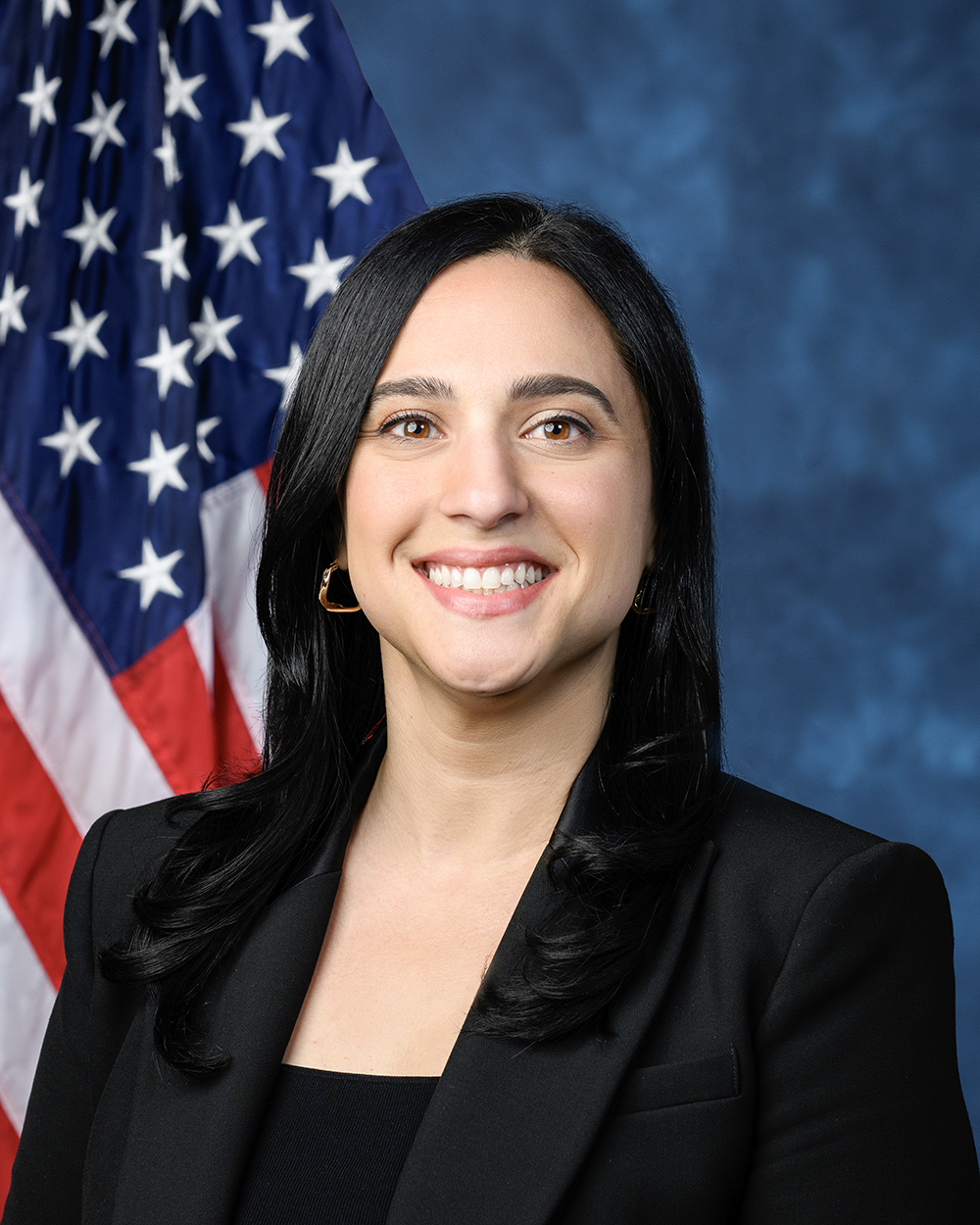
Adelita S. Grijalva
Adelita S. Grijalva House · District 7
D
Strong −
18% 108
Greg Stanton
Greg Stanton House · District 4
D
Strong −
18% 183
Yassamin Ansari
Yassamin Ansari House · District 3
D
Strong −
18% 186
Showing 1–10 of 372 bills

All budget & taxes bills

in committee · United States · House Sep 10, 2026

HR 10330: Higher Education Oversight for Nonprofits Ensuring Standards and Transparency Act

This bill establishes new procedural safeguards for the Internal Revenue Service when conducting tax inquiries or examinations of universities, requiring high-level Treasury approval based on reasonable belief that a university may not qualify for tax-exempt status. It mandates that the IRS provide written notice to the institution before beginning an inquiry and at least 15 days before starting a formal examination, offering the university the opportunity to hold a conference to discuss concerns. The legislation imposes strict time limits, requiring inquiries to be completed within 90 days and examinations within two years, while also restricting the ability to re-examine a university for five years if no significant tax issues are found. Additionally, it requires the Secretary of the Treasury to submit confidential reports to congressional committees detailing any new university tax investigations.
in committee · United States · House Sep 3, 2026

HR 10256: Taxpayer Relief from Big Oil Act

The Taxpayer Relief from Big Oil Act would eliminate existing royalty relief programs for oil and gas companies operating in the Gulf of Mexico and Alaska, requiring these firms to pay full royalties on their production. The bill also mandates that the Department of Interior establish standardized transportation cost deductions for calculating royalties on federal lands and offshore waters, capping these deductions at either 30 percent of the total value of production or actual reasonable costs, whichever is lower. Additionally, the legislation requires the Bureau of Land Management and the Bureau of Ocean Energy Management to submit annual reports to Congress detailing the number of royalty relief applications processed, approved wells, and estimated impacts on government revenue.
in committee · United States · House Jul 27, 2026

HR 9958: Head Start Expansion and Improvement Act of 2026

The Head Start Expansion and Improvement Act of 2026 broadens eligibility for early childhood education services by including recipients of various public assistance programs, such as food stamps and Medicaid, in the definition of qualifying families. The bill authorizes $36 billion annually from fiscal years 2027 through 2032 to support these expanded operations and creates a separate grant program providing $1 billion per year until 2030 for agencies to repair or upgrade aging facilities with safety hazards. Additionally, the legislation establishes a loan forgiveness program that cancels federal student loans for childcare workers who complete three years of full-time service in Head Start or Early Head Start programs. Finally, it authorizes $6.8 billion annually through 2032 to provide salary supplements to Head Start employees, with funding allocated based on local wage gaps and cost-of-living factors.
in committee · United States · Senate Aug 7, 2026

S 5366: Affordable Housing Credit Carryback Act

The Affordable Housing Credit Carryback Act amends the Internal Revenue Code to allow taxpayers to claim a five-year carryback for unused low-income housing tax credits. This provision enables developers and investors who have not fully utilized their allocated credits in the current year to apply them against taxes owed in previous years. By extending this refund mechanism, the bill provides financial flexibility to entities involved in affordable housing projects, potentially accelerating the development of such units.
in committee · United States · Senate Jul 23, 2026

S 5114: PATH Act

The PATH Act modifies federal funding rules for fixed guideway transit projects, such as light rail and subway lines, to better support high-growth communities. It allows agencies to use population density, population growth rates, and local development plans when forecasting how many people will use a new transit line. By updating these criteria, the bill aims to make it easier for cities with rapidly growing populations to qualify for capital investment grants. This change directly affects transit agencies and local governments seeking federal money to build or expand rail systems in expanding areas.
in committee · United States · Senate Jul 30, 2026

S 5185: Audit the Pentagon Act

The Audit the Pentagon Act requires the Department of Defense to reduce its funding by 2 percent if it fails to receive a clean financial audit for a given year. This penalty applies to all departments, agencies, and elements within the Pentagon starting after fiscal year 2024. The withheld money is distributed proportionally across various programs and projects, while the remaining funds are sent to the Treasury to help reduce the national deficit.
in committee · United States · House Jul 23, 2026

HR 9824: Daycare Not Detentions Act of 2026

The Daycare Not Detentions Act of 2026 provides additional funding to the Department of Health and Human Services to support child care programs, including the Child Care and Development Block Grant, Head Start, and preschool development grants. These funds are intended to help states and organizations cover necessary expenses for these programs through fiscal year 2029. The bill also rescinds $70 billion in previously allocated money for U.S. Customs and Border Protection and U.S. Immigration and Customs Enforcement that has not yet been spent. Overall, the legislation redirects federal resources toward early childhood education and care rather than immigration enforcement activities.
in committee · United States · House Jul 23, 2026

HR 9945: Lowering Energy Costs through Grid Modernization Act

The Lowering Energy Costs through Grid Modernization Act encourages utilities to upgrade power lines by replacing old conductors with more efficient ones that carry more electricity and generate less heat. To support these upgrades, the bill allows for faster federal environmental reviews and makes it easier to secure permits for projects that fit within existing land rights. Additionally, the legislation expands a federal tax credit to include these high-performance transmission upgrades, offering a higher credit rate for smaller projects or those meeting specific domestic content requirements.
in committee · United States · House Jul 16, 2026

HR 9731: No GRIFT Act of 2026

The No GRIFT Act of 2026 prohibits the Department of Justice from awarding grants to certain nonprofit organizations in a given fiscal year. To qualify for a grant, a nonprofit must certify that it is not a "covered nonprofit," which is defined as an organization where over 50% of its recent revenue came from DOJ grants and where it paid an officer or employee more than the Attorney General's annual salary. This provision directly affects 501(c)(3) organizations that have received significant federal funding and have high executive compensation, requiring them to disclose their financial history before applying for new grants.
in committee · United States · House Jul 16, 2026

HR 9736: Stop CHEATERS Act

The Stop CHEATERS Act directs the Internal Revenue Service to increase its enforcement efforts against high-income individuals and large corporations by allocating billions of dollars in additional funding for tax audits, criminal investigations, and taxpayer services through fiscal year 2031. A significant portion of this funding is designated for modernizing the IRS's technology and business systems to improve its ability to detect fraud and noncompliance. The legislation also requires the IRS Commissioner to submit regular reports to Congress detailing plans to shift auditing resources toward wealthy taxpayers and analyzing how much unpaid tax is owed by different income groups.
Showing 1 to 10 of 372 bills
1 2 3 38 Next