

Issue · Budget & Taxes
Budget & Taxes (State Budget)
Every budget & taxes bill, vote, and legislator stance in Arizona, automatically classified by Maddy, our AI policy reader.
Total bills
187
57th Legislature - Second Regular Session
Top supporter
David Gowan
100% support rate
Top opponent
Consuelo Hernandez
12% support rate
Ranked legislators
10
5 support · 5 oppose
Key legislators
Who's moving state budget in Arizona
| Legislator | Party | Stance | Support rate | Votes |
|---|---|---|---|---|
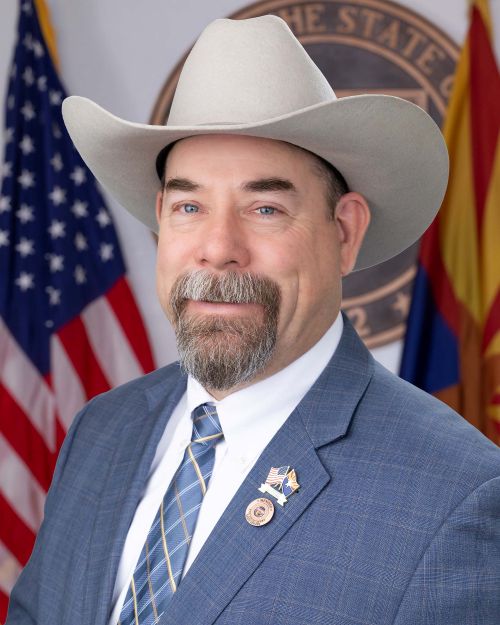
David Gowan
Senate · District 19
|
R |
Strong +
|
100% | 41 |
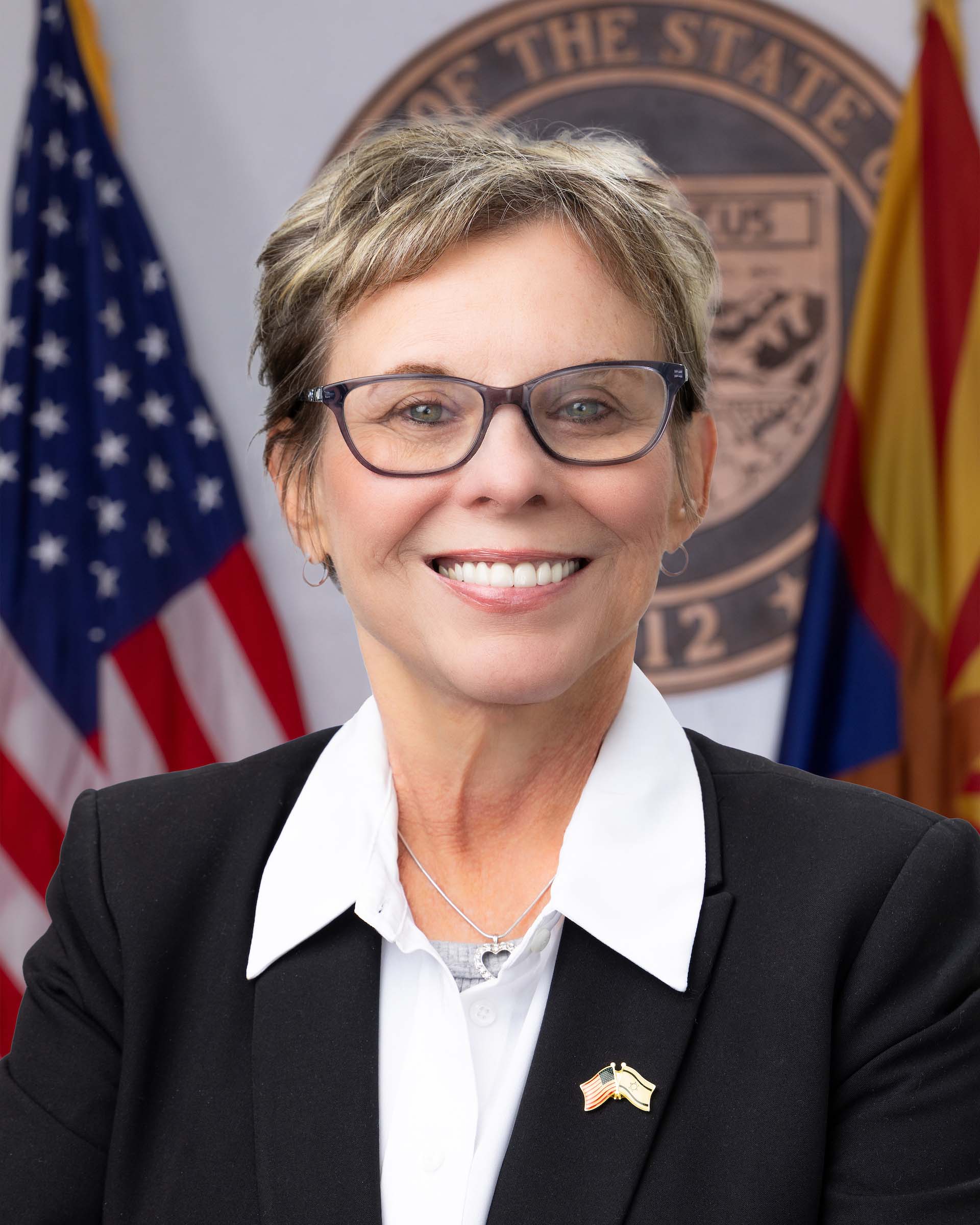
Hildy Angius
Senate · District 30
|
R |
Strong +
|
100% | 41 |
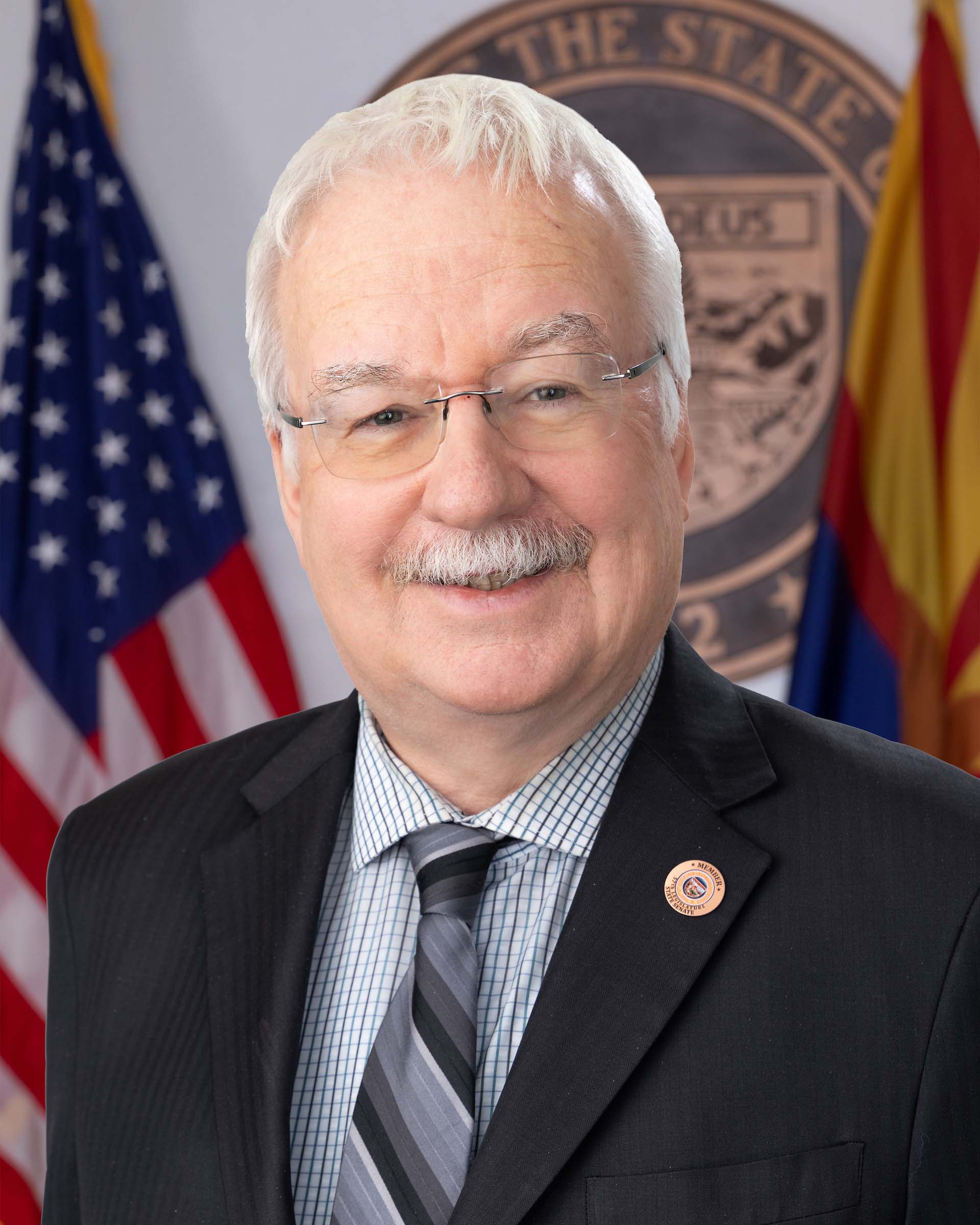
John Kavanagh
Senate · District 3
|
R |
Strong +
|
100% | 41 |
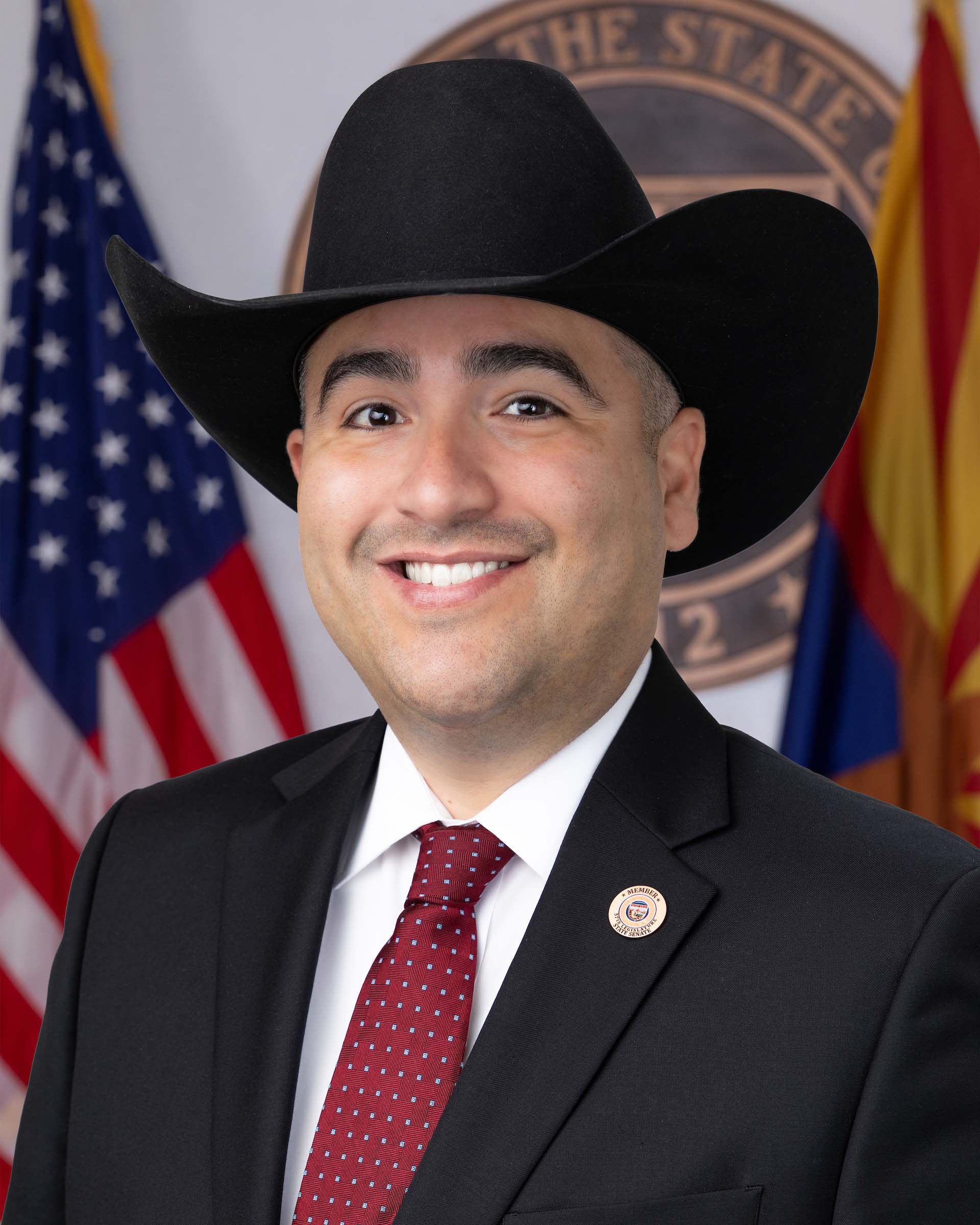
T.J. Shope
Senate · District 16
|
R |
Strong +
|
100% | 41 |
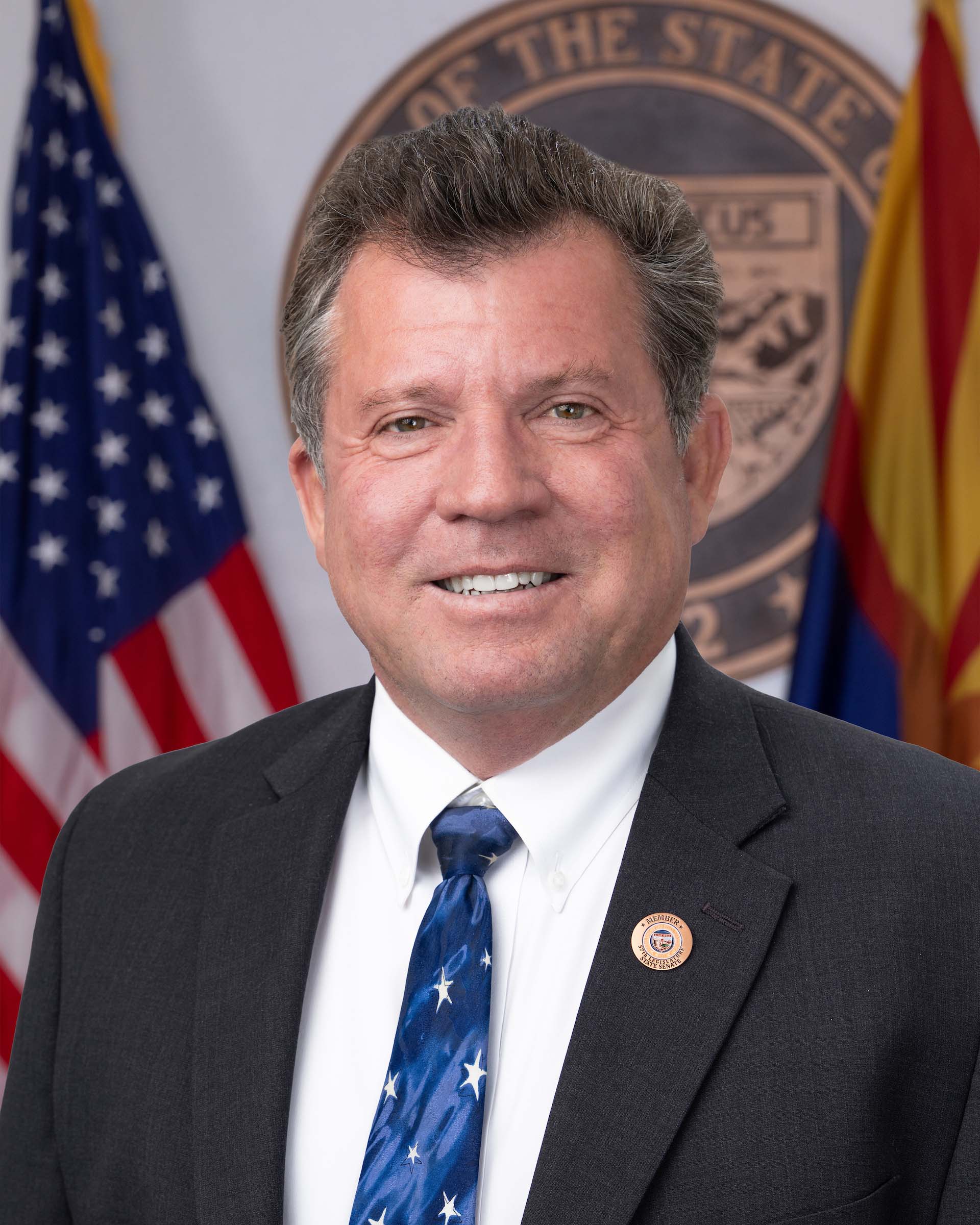
Tim Dunn
Senate · District 25
|
R |
Strong +
|
100% | 41 |
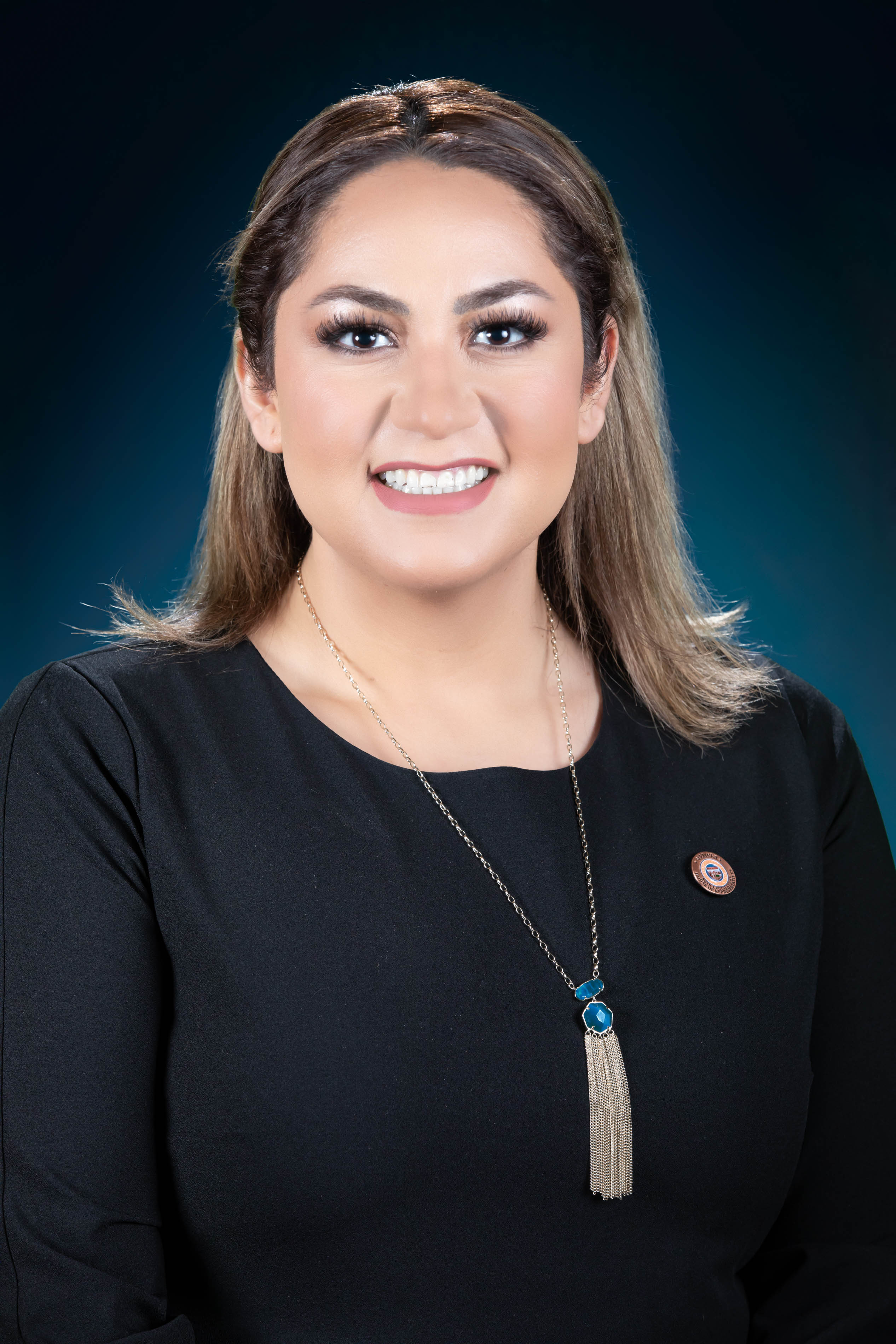
Consuelo Hernandez
House · District 21
|
D |
Strong −
|
12% | 26 |
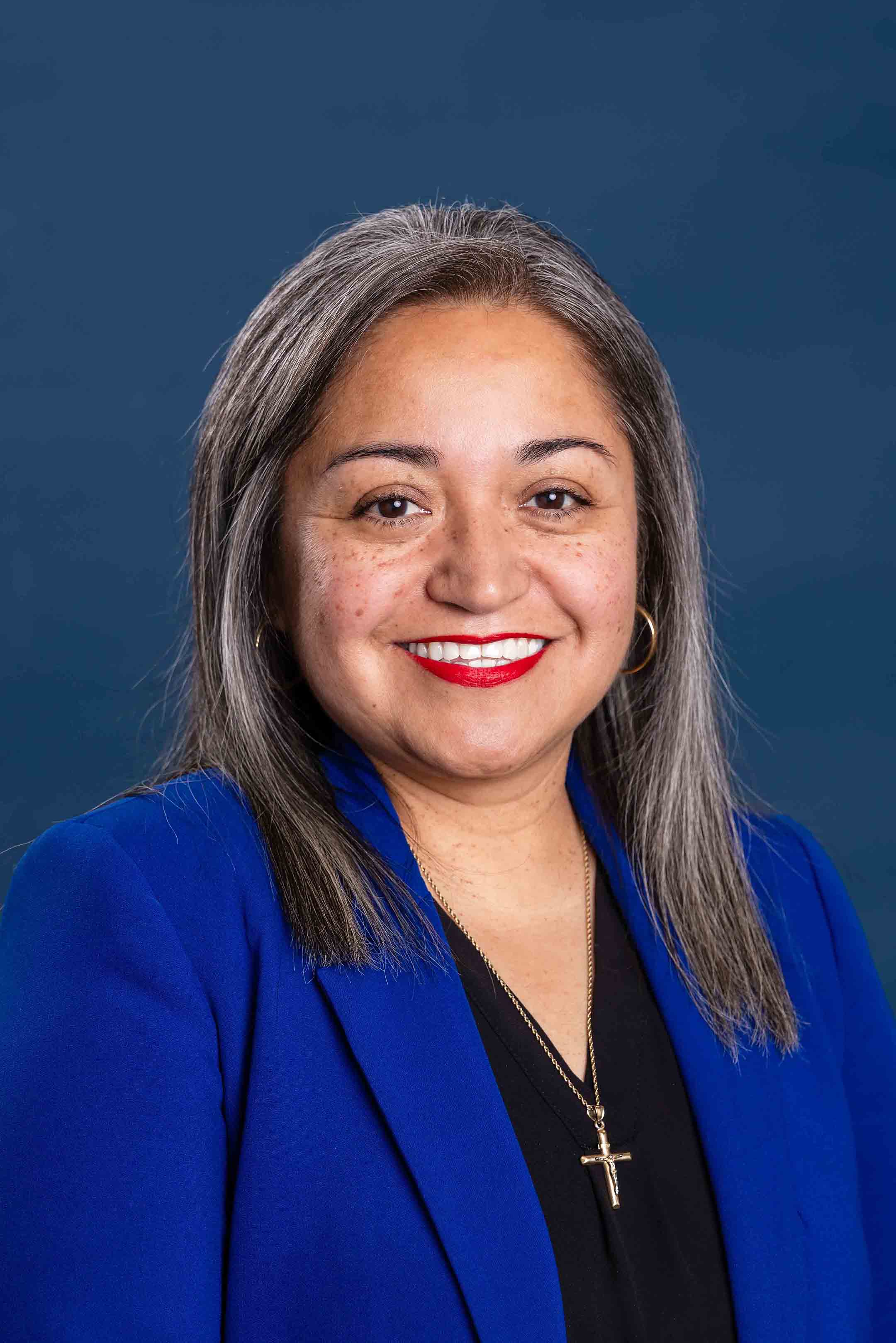
Mariana Sandoval
House · District 23
|
D |
Strong −
|
12% | 32 |
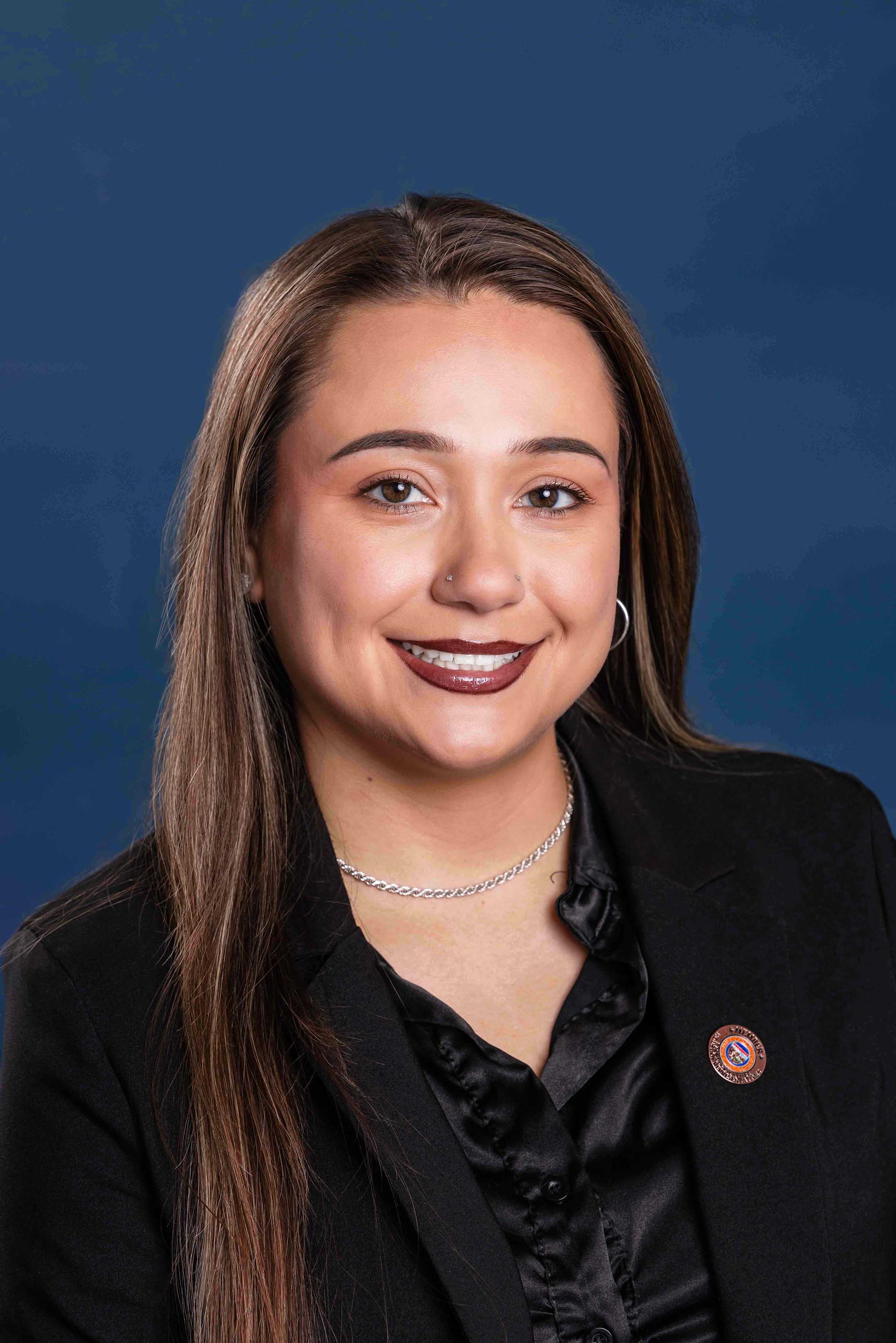
Anna Abeytia
House · District 24
|
D |
Strong −
|
13% | 23 |
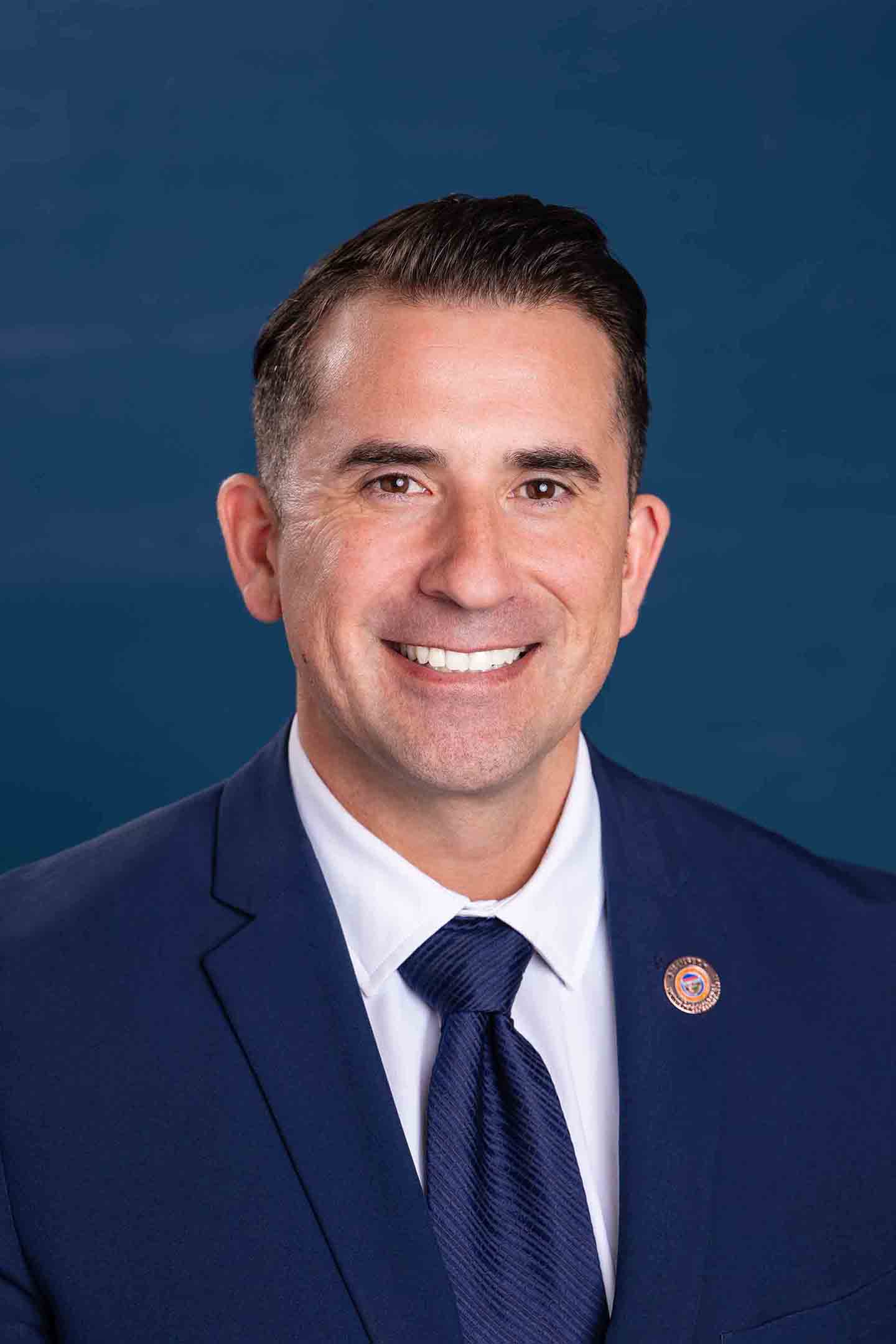
Aaron Marquez
House · District 5
|
D |
Strong −
|
14% | 28 |
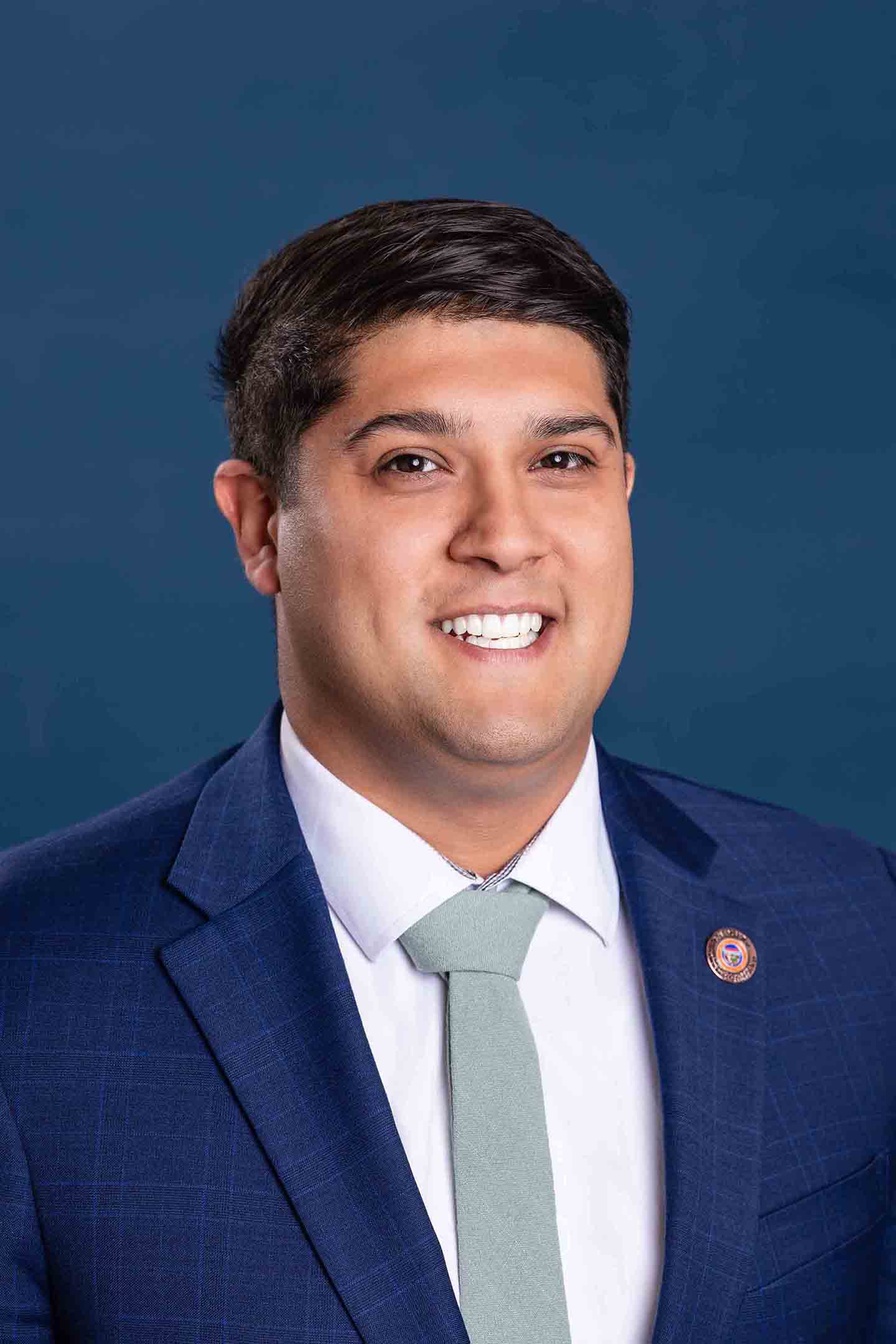
Cesar Aguilar
House · District 26
|
D |
Strong −
|
15% | 26 |
Showing 41–50 of 187
bills
All budget & taxes bills
HB 4054: veterans' reinvestment fund; appropriation
Topics
✓ Budget & TaxesSupports Budget & TaxesAppropriates $51.8M from state general fund for veteran services, increasing public spending on essential programs like education and health.
✓ HealthcareSupports HealthcareBill explicitly allocates 50% of $51.8M fund to veteran health programs, directly funding healthcare services for veterans as one of five key areas.
✓ VeteransSupports VeteransEstablishes $51.8M Veterans' Reinvestment Fund with dedicated funding for veteran programs including healthcare, education, and jobs per bill's explicit purpose.
Sub-Topics
Appropriations
State Budget
Mental Health
Substance Abuse
Memorials & Recognition
Veteran Education
Veteran Housing
HB 2983: appropriation; Houck Chapter; capital improvements
Topics
✓ Budget & TaxesSupports Budget & TaxesBill appropriates $5.15M from state general fund for capital improvements, directly increasing government spending on public infrastructure project.
✓ TransportationSupports TransportationFunds $5.15M for Navajo Nation infrastructure capital projects, directly advancing transportation infrastructure through state funding allocation.
SB 1731: office of Indian education; appropriation
Topics
✓ Budget & TaxesSupports Budget & TaxesAllocates $2M from state general fund for Office of Indian Education operations, directly funding a state program per A.R.S. §15-244.
✓ EducationSupports EducationAllocates $2M to Office of Indian Education for personnel/operations, directly funding a specific educational entity per Arizona law (A.R.S. §15-244).
HB 4134: fire service station fund; appropriation
SB 1677: appropriation; salt cedar mitigation
Topics
✓ Budget & TaxesSupports Budget & TaxesAllocates $3M from state general fund for environmental mitigation, directly funding a specific program under budget management.
✓ EnvironmentSupports EnvironmentAllocates $3M for salt cedar mitigation, an invasive species harming river ecosystems, directly protecting waterways and native habitats.
SB 1807: encumbered monies; unauthorized use; withholding
Sub-Topics
State Budget
SCR 1044: expenditure limitation; local revenues; exception
Topics
✗ Budget & TaxesOpposes Budget & TaxesImposes annual spending caps on school districts, restricting budget flexibility and limiting local revenue usage per constitutional amendment.
✗ EducationOpposes EducationBill imposes annual spending cap on school districts based on 1979-80 revenue, restricting funding increases and prohibiting exceeding calculated limits.
SB 1696: school districts; aggregate expenditure limitation
Topics
✗ Budget & TaxesOpposes Budget & TaxesBill imposes annual expenditure limits on school districts using a formula tied to historical spending and inflation, restricting government spending growth.
✗ EducationOpposes EducationUpdates Arizona's spending cap formula using 1979-80 levels, limiting annual funding increases through population/inflation adjustments rather than supporting education expansion.