

Maddy summaryThis bill requires most employers to provide workers with earned paid sick leave. Employees would earn 1 hour of paid sick time for every 30 hours worked, up to 56 hours per year, which can be used for their own illness, medical care, caring for family members (including children, parents, spouses, domestic partners, or other family-like relationships), or addressing domestic violence, sexual assault, or stalking situations. The bill prohibits employers from retaliating against workers who use this leave and requires employers to inform employees about their rights. It ensures that workers who leave and return to the same employer within a year can reinstate their unused sick leave. This law would not override more generous state or local paid leave policies.
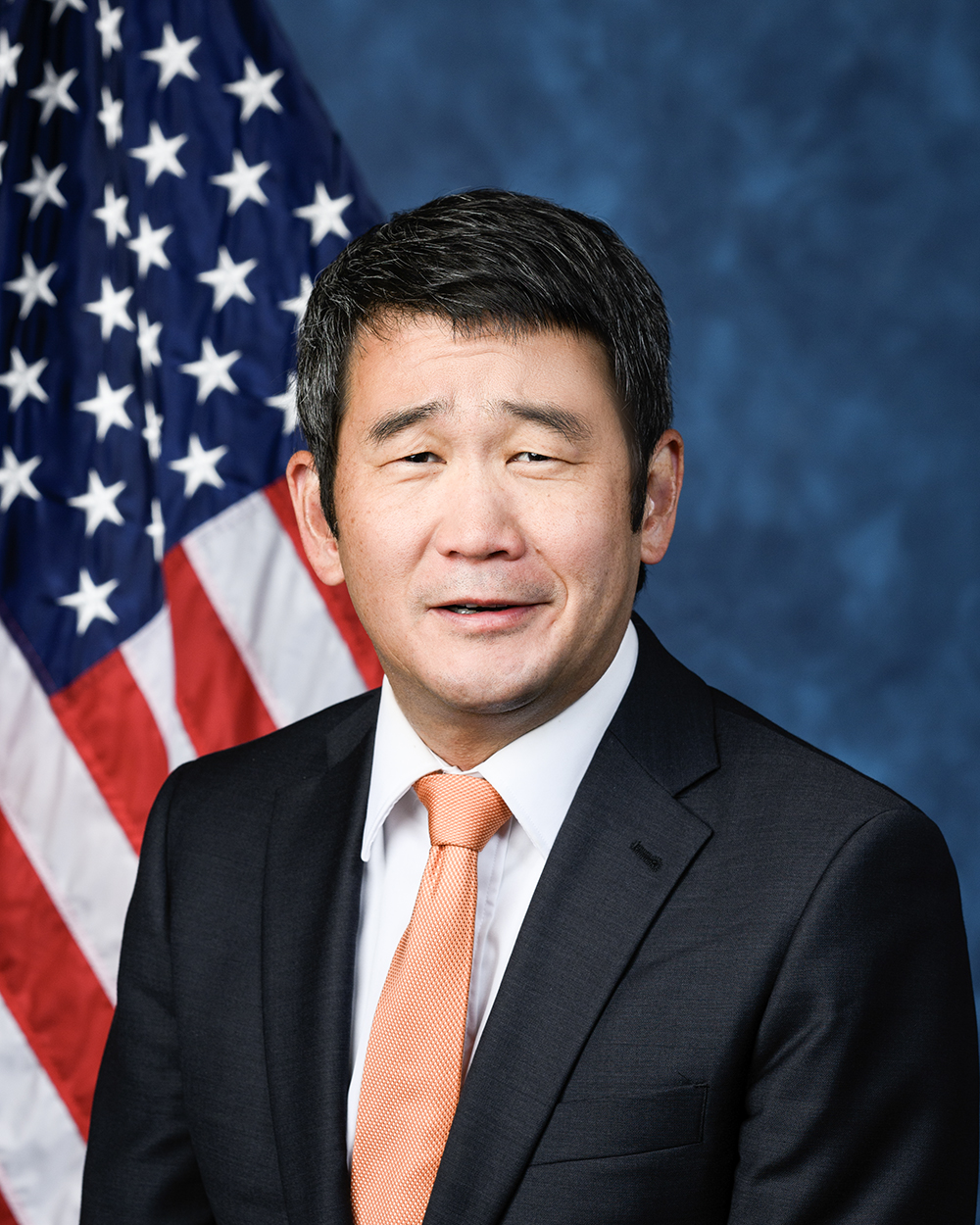
Rep. Dave Min
Sponsored bills
Maddy summaryThis bill updates the financial disclosure thresholds for federal employees under Title 5, United States Code. It adds new reporting tiers for certain income types (like dividends and capital gains) and asset categories, setting specific dollar ranges starting at $5 million for income and $50 million for assets. For example, income over $5 million but under $25 million now requires reporting, and assets over $50 million but under $100 million must be disclosed. These changes apply to financial disclosure reports filed on or after the bill's enactment date. The bill directly affects federal employees required to submit financial disclosures, particularly those with significant financial interests.
Maddy summaryThis bill establishes a national resource center to help states, local governments, and tribes adopt programs designed to prevent domestic violence homicides. It authorizes the Attorney General to award grants to nonprofit or tribal organizations that have proven experience in creating and evaluating these safety initiatives. The funded programs would train first responders to better identify high-risk situations and connect victims quickly with community support services using evidence-based tools. A total of $5,000,000 is authorized annually starting in fiscal year 2026 to support these efforts.
Maddy summaryThis bill amends disaster preparedness funding rules to better support companion animals during emergencies. It adds a new 90% federal funding option for specific pet-related preparedness activities, alongside the existing 50% option. States, localities, and tribes receiving disaster grants can now use funds for items like collapsible crates, mobile pet trailers, veterinary supplies, emergency generators, and animal response team training. The law directly affects government entities managing disaster response by expanding allowable uses of existing grant money for pet safety.
Safe Vehicle Access for Survivors Act This bill requires providers of connected vehicle services, upon the request of a domestic violence survivor, to terminate or disable an identified domestic abuser’s access to a vehicle’s connected capabilities and data. Specifically, within two business days of receiving a request from a survivor, a covered provider must, if technically feasible (1) terminate or disable the connected vehicle account associated with the identified abuser or the relevant vehicle, or the vehicle’s connected capabilities; or (2) instruct the survivor on how to terminate or disable connected services directly. Covered providers may not make the termination of connected vehicle services or accounts contingent on any requirement other than the provision of specified information by the survivor. For example, a provider may not require a survivor to pay a fee or extend their contract with the provider. Under the bill, an abuser is an individual identified by a survivor who committed or allegedly committed certain acts against the survivor, including domestic violence, sexual assault, stalking, and sex trafficking. A survivor is an adult against whom such an act was committed. Further, a covered provider is a vehicle manufacturer, affiliate, or entity acting on behalf of a manufacturer that provides a connected vehicle service. Connected vehicle service is any capability that enables a person to remotely access data from or send commands to a vehicle. Finally, the Federal Communications Commission must prescribe regulations governing how covered providers address survivors’ requests related to connected vehicles.
Maddy summaryHR 7335 establishes comprehensive humanitarian standards for individuals held in U.S. Immigration and Customs Enforcement (ICE) and U.S. Customs and Border Protection (CBP) custody. The bill requires facilities to provide immediate health screenings within 12 hours (6 hours for high-risk individuals like children, pregnant people, or those with medical conditions), ensure access to adequate water, sanitation, food (with 2,000+ calories daily for adults), and age-appropriate shelter. It mandates specific facility standards including separate housing for males and females, accessible accommodations for people with disabilities, daily outdoor access for those detained over 48 hours, and proper medical equipment and personnel on-site. The bill also requires regular inspections, staff training on humanitarian protocols, and public reporting of sexual abuse complaints. These standards directly affect all individuals detained by ICE or CBP, with special protections for vulnerable groups like children, pregnant people, and those with medical needs.
Maddy summaryHR 7265, the Vote by Mail Tracking Act, requires all government entities sending mail-in ballots for federal elections to use a standardized Postal Service barcode on ballot envelopes. This barcode enables tracking of each individual ballot, while also mandating specific envelope designs and machineability standards set by the Postal Service. The bill applies to all mail-in ballots for federal office elections starting in 2026, but excludes Federal write-in absentee ballots under the Uniformed and Overseas Citizens Absentee Voting Act. The Postmaster General must provide compliance guidance to government entities by June each year to implement the tracking system.
Maddy summaryThis bill creates a tax exclusion for certain disaster mitigation payments received by property owners. It allows individuals to exclude from gross income funds paid by state programs (or approved entities) to make improvements that reduce damage from windstorms, earthquakes, or wildfires. The exclusion applies to payments made for specific property upgrades like storm shutters or fire-resistant roofing. The change takes effect for 2021+ tax years and includes a retroactive option for taxpayers to amend prior returns. It directly affects homeowners participating in qualifying state disaster resilience programs.
Weatherization Enhancement and Readiness Act of 2025 This bill reauthorizes through FY2030 and modifies the Weatherization Assistance Program. Under the program, the Department of Energy (DOE) provides grants for low-income households to improve the energy efficiency of their homes. The bill increases the cap on the average assistance provided per home from $6,500 to $12,000. The bill also directs DOE to include in its annual report to Congress a description of the impacts of enhancement and innovation readiness efforts on eligibility for assistance under the program.
Maddy summaryHR 7297, the "ICE and CBP Constitutional Accountability Act," creates a direct legal path for individuals harmed by ICE or CBP officers to sue the U.S. government for constitutional violations. The bill amends the Federal Tort Claims Act to allow lawsuits when officers violate rights like due process, privacy, or free speech - without requiring proof that a government policy caused the harm. Monetary damages would come from specific federal appropriations, and the government waives its usual immunity from such lawsuits. This directly affects people subjected to unlawful immigration enforcement actions by these agencies. The bill does not change agency operations but provides a new civil remedy for victims.