Hot Foods Act of 2025 This bill expands the Supplemental Nutrition Assistance Program (SNAP) to permit the use of SNAP benefits to purchase hot foods or hot food products ready for immediate consumption.
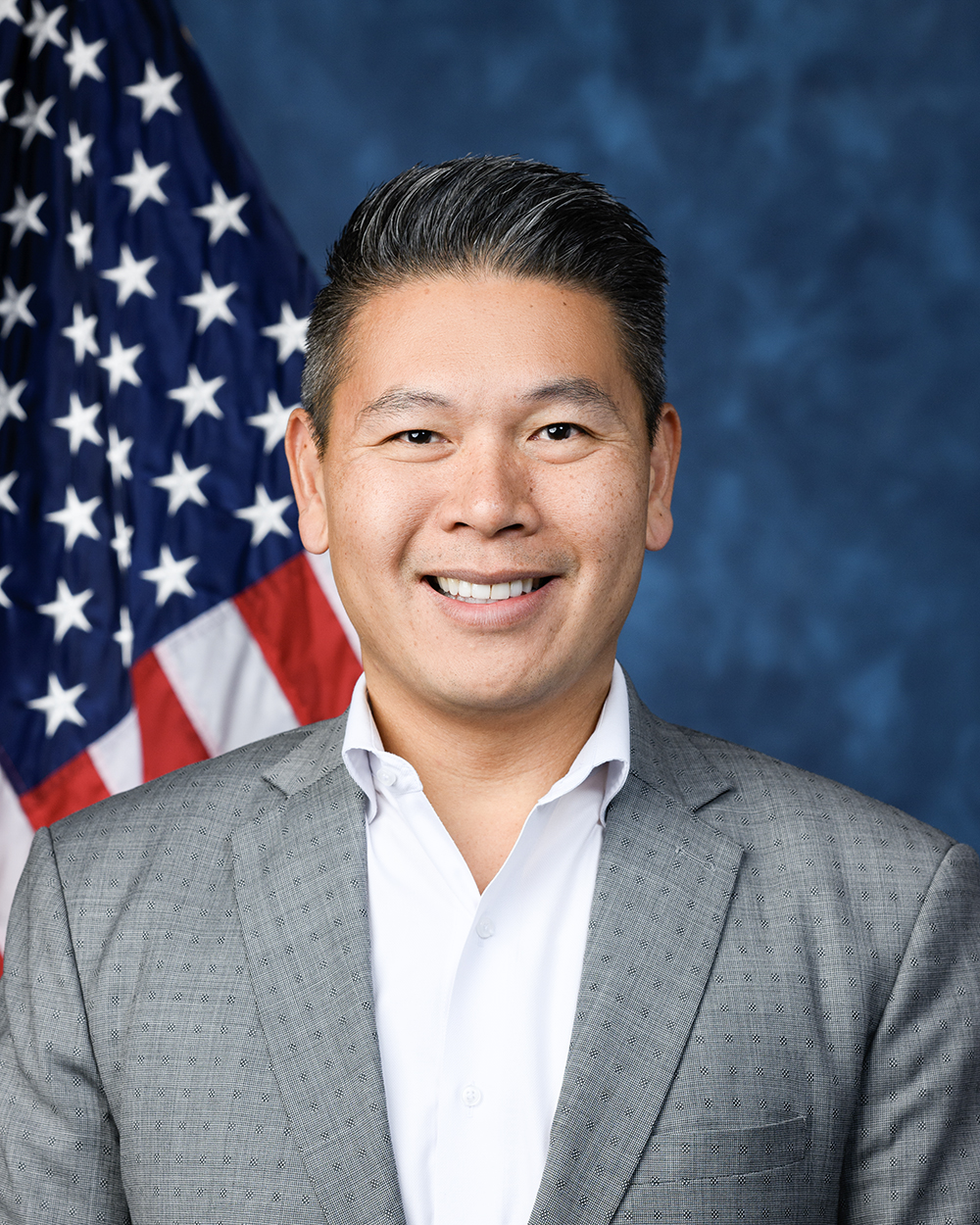
Rep. Derek Tran
Sponsored bills
Maddy summaryThe Fight Fentanyl Act increases annual funding for fentanyl-related law enforcement efforts to $333 million from 2025 through 2030. It requires the Office of National Drug Control Policy to report annually on how HIDTA (High Intensity Drug Trafficking Area) funds target fentanyl trafficking, including seizure data and threat assessments. The bill also mandates the Attorney General to prioritize fentanyl prosecutions by temporarily reassigning U.S. attorneys to these cases. These provisions directly affect federal, state, local, and tribal law enforcement agencies working on fentanyl interdiction and prosecution.
Maddy summaryThe Advancing Water Reuse Act creates a 30% tax credit for businesses investing in qualifying water recycling systems. It directly affects industrial, manufacturing, data center, and food processing facilities that replace freshwater use with recycled water from municipal sources, as well as projects building municipal water recycling infrastructure to serve these sectors. The credit covers 30% of the cost for eligible equipment, such as new onsite recycling systems or municipal infrastructure upgrades. This policy is available for projects completed by December 31, 2032, with specific rules allowing businesses to claim the credit even if equipment is later transferred to water utilities.
Maddy summaryHR 2921, the Federal Firefighter Cancer Detection and Prevention Act of 2025, requires the Department of Defense (DOD) to provide free, regular cancer screenings during annual health assessments for its firefighters. It mandates specific screenings: biannual mammograms for female firefighters aged 40-49, annual for those 50+, colon cancer screenings starting at age 45 with options like colonoscopy, and annual prostate-specific antigen tests for male firefighters aged 50+ or high-risk individuals (e.g., African American firefighters or those with family history). The bill also requires DOD to document screening rates, cancer trends, and share anonymized data with the CDC for research, while allowing firefighters to opt out of any screening. This applies exclusively to DOD firefighters, not all firefighters nationwide.

Maddy summaryHR 2880 provides due process protections for federal employees who are promoted to career positions (in the competitive service, excepted service, or Senior Executive Service) and serve under a probationary period. It requires these employees to be covered by existing federal employment laws, including special protections for Department of Veterans Affairs staff. The bill also allows employees removed from such positions between January 20, 2025, and the law's enactment to be reinstated to their former or equivalent role with backpay. Political appointees are excluded from these protections and reinstatement provisions.
Maddy summaryHR 2882 prohibits the U.S. Secretary of the Interior from issuing oil or gas leases for exploration, development, or production in the Central California Planning Area. This bill directly affects federal leasing decisions in that specific coastal region, preventing new fossil fuel extraction activities. The key provision amends the Outer Continental Shelf Lands Act to permanently ban such leasing in the defined area. The bill creates a clear policy change by eliminating future oil and gas development opportunities on federal waters along California's central coast.
Maddy summaryHR 2830, the Public Safety Officer Concussion and Traumatic Brain Injury Health Act of 2025, requires the CDC to collect and publicly share data on concussions and traumatic brain injuries (TBIs) affecting public safety officers (including firefighters, police, and emergency responders). The bill directs the CDC to update its website and develop outreach materials to share this information with medical professionals, public safety employers, mental health providers, patients/families, and researchers. Key provisions include compiling evidence-based practices for diagnosis, treatment, and prevention, and consulting with affected groups to ensure the information meets their needs. This bill creates a centralized information resource but does not mandate new treatments or funding for specific programs.
Maddy summaryHR 2862 prohibits the federal government from leasing offshore areas in Southern California for oil and gas exploration or production. It directly affects oil and gas companies seeking permits in the Southern California Planning Area, as defined in the federal 2024-2029 Outer Continental Shelf leasing program. The bill amends the Outer Continental Shelf Lands Act to block all future leases in this region, preventing new drilling projects in the specified offshore waters. This is a concrete policy change that halts federal leasing decisions in the area without altering existing leases or operations.
Maddy summaryThis bill amends the Wild Free-Roaming Horses and Burros Act to change how the Bureau of Land Management manages horse and burro populations. It requires using fertility control vaccines as the first priority method for population management, replacing previous steps. Crucially, it directs the Secretary to prioritize recruiting and training military veterans for these fertility control tasks, including through the PZP applicator certification program, with veterans receiving appropriate compensation. This directly affects wild horse and burro populations through new management methods and military veterans through new training and contracting opportunities under the program.
Maddy summaryHR 2820, the California Clean Coast Act of 2025, prohibits new oil and gas leasing and related activities in federal waters off California's coast starting from its enactment date. This directly affects oil and gas companies seeking to develop new offshore resources in California’s outer Continental Shelf areas. The bill preserves existing leases issued before the law’s effective date but bans all future preleasing, leasing, and related activities in those waters. It represents a permanent federal policy change for California’s coastal offshore regions, with no impact on current leaseholders.