

Maddy summaryHR 1466, the Cardiac Arrest Survival Act of 2025, creates uniform federal liability protection for individuals and entities involved with automated external defibrillators (AEDs) used in cardiac emergencies. It directly affects businesses, public venues, and organizations that own, manage, or use AEDs - especially those operating across multiple states where inconsistent state laws previously discouraged AED deployment. The bill shields users, property owners/managers, and AED owners from civil lawsuits for harm caused during emergency AED use, unless the harm resulted from gross negligence or willful misconduct. This preempts conflicting state laws, removing legal barriers to wider AED placement without requiring any new AED installations.
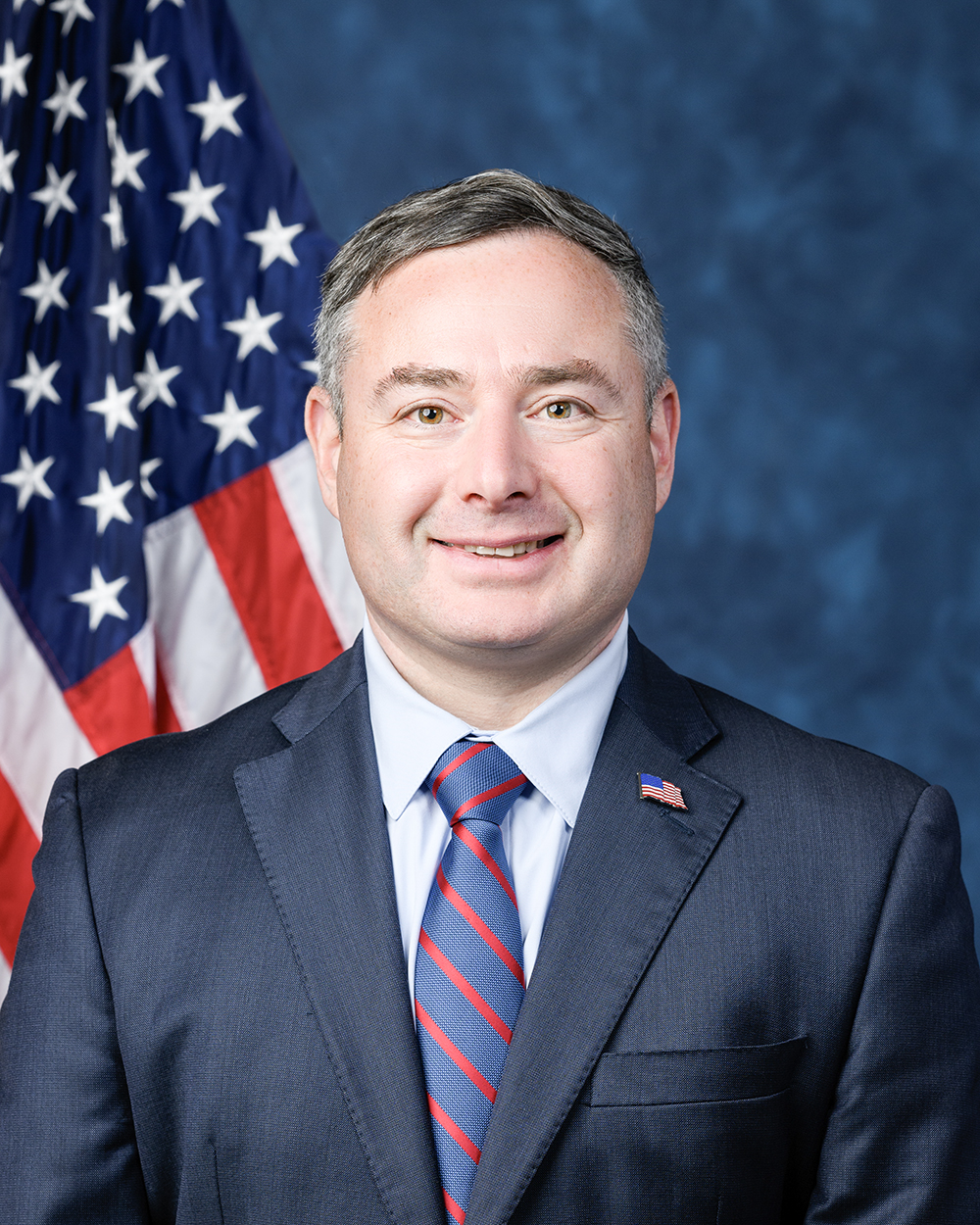
Rep. Eugene Simon Vindman
Sponsored bills
More Options to Develop and Enhance Remote Nutrition in WIC Act of 2025 or the MODERN WIC Act of 2025 This bill permanently allows individuals to remotely certify their eligibility for, and receive benefits through, the Special Supplemental Nutrition Program for Women, Infants, and Children (WIC). Specifically, the bill requires that a state agency allow an individual seeking a WIC certification, recertification, or a nutritional risk evaluation to do so by phone or through video teleconference, in addition to the in-person option. A state agency has 90 days to collect data for a nutritional risk evaluation for a remotely certified individual. Further, a state agency may consider an applicant who meets the income eligibility standards to be temporarily eligible on an interim basis to participate in the program and may certify the individual for immediate participation without waiting for a nutritional risk evaluation. The bill also allows states to provide benefits on WIC electronic benefit transfer cards through mail or remote issuance instead of requiring participants to pick up or reload benefits in person at a WIC office. Further, the Department of Agriculture must report to Congress about the use of remote technologies and other digital tools in the WIC program. Currently, individuals are generally required to be physically present to certify their WIC eligibility and receive benefits, with exceptions. The Food and Nutrition Service has temporarily waived these requirements and allowed remote certification and benefits using authorities that were provided by laws that were enacted to address COVID-19.
Maddy summaryHR 1505, the Public Safety Employer-Employee Cooperation Act, establishes federal standards for collective bargaining rights for public safety officers (including police, firefighters, and emergency medical personnel) in states that do not meet minimum requirements. The Federal Labor Relations Authority (FLRA) will determine after 180 days whether a state law "substantially provides" key rights, such as forming unions, negotiating wages/hours, and using binding arbitration to resolve disputes. If a state fails this assessment, federal bargaining rules apply within two years, but existing state laws with stronger protections remain valid. The bill explicitly respects state laws that exceed its standards and exempts small jurisdictions (under 5,000 population or 25 full-time employees).
Maddy summaryHR 1477 creates a new Animal Cruelty Crimes Section within the Justice Department's Environment and Natural Resources Division to enforce federal animal cruelty laws. This unit will coordinate with agencies like the FBI, USDA, and U.S. Marshals to investigate and prosecute cases, addressing current gaps in enforcement. The bill requires the unit to submit annual reports to Congress detailing prosecutions, convictions, and investigations where charges weren't filed. It does not change existing animal cruelty laws but establishes a dedicated federal unit to improve enforcement of current statutes.
Maddy summaryHR 1473, the Postal Processing Protection Act, amends a section of U.S. law to expand the definition of protected facilities under the Postal Service. It replaces "post office" with a broader description to include acceptance, processing, shipping, delivery, distribution, or other facilities owned or operated by the Postal Service that support one or more post offices. This change directly affects how the Postal Service defines and protects its operational facilities under existing law. The bill is procedural, focusing on clarifying facility scope rather than creating new policy.
Maddy summaryThis bill would require states to create a simplified process for out-of-state healthcare providers to join Medicaid and CHIP programs. Qualified providers (those already enrolled in Medicare or another state's program with low fraud risk) could enroll without excessive screening and would be approved for five years. It directly affects children under 21 enrolled in Medicaid or CHIP by expanding access to providers outside their state, particularly in underserved areas. The change applies to all states' Medicaid programs but takes effect three years after enactment.
Maddy summaryHR 553 (BRAVE Act) creates a new Department of Veterans Affairs (VA) system to proactively connect veterans with mental health resources. It directly affects veterans enrolled in the VA's annual patient enrollment system who have experienced traumatic or highly stressful events, allowing them to opt-in to receive information about available mental health care services. The bill requires the VA to establish this outreach system within two years of enactment and coordinate it with the Department of Defense's Transition Assistance Program. This is a concrete policy change focused on improving access to mental health support for veterans in need.
Maddy summaryThis bill establishes a Veterans Affairs grant program to fund peer-to-peer mental health support for veterans. It provides up to $250,000 per grant to eligible organizations (like veteran nonprofits, service groups, or state agencies) to hire veterans as peer specialists who host nonclinical support groups and offer 24/7 mental health assistance. The program prohibits grant recipients from collecting or reporting veterans' personal information. It directly affects veterans seeking accessible, nonclinical mental health support through peer-led services.
Maddy summaryThis bill expands Veterans Affairs (VA) coverage for veterans with permanent and total service-connected disabilities needing medical care outside the U.S. It allows the VA to pay for hospital care and medical services abroad if the care meets U.S. medical standards and uses FDA-approved medications. Key provisions include requiring direct deposit for faster reimbursements, enabling digital submission and tracking of forms via VA mobile apps, and mandating a VA report to Congress within two years on implementation. The policy directly affects veterans with qualifying disabilities seeking necessary medical treatment overseas, modernizing how the VA handles foreign medical coverage.
Maddy summaryHR 1412, the Know Your Rates Act, requires federal-funded electric and gas utilities to provide consumers with clearer billing information. It mandates that bills include the dollar difference from the previous period, average monthly usage in plain terms (kWh for electricity, therms for gas), and automatic notifications if daily usage exceeds the prior period’s average (on day 10 or 20 of the billing cycle). Consumers also gain the option to set custom spending alerts during their billing period. This bill directly affects residential and commercial customers of federally funded utilities, aiming to improve transparency about energy costs and consumption patterns. The changes apply only to utilities receiving federal funding, as defined by the Commission.