Issue · Education

Education

Every education bill, vote, and legislator stance in Alabama, automatically classified by Maddy, our AI policy reader.

Total bills
164
119th Congress
Top supporter
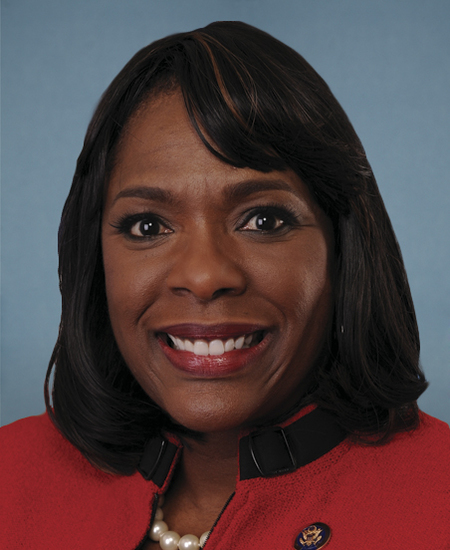
Terri A. Sewell
67% support rate
Top opponent
Barry Moore
22% support rate
Ranked legislators
9
4 support · 5 oppose
Key legislators

Who's moving education in Alabama

Legislators moving education in Alabama
Legislator Party Stance Support rate Votes
Terri A. Sewell
Terri A. Sewell House · District 7
D
Support
67% 130
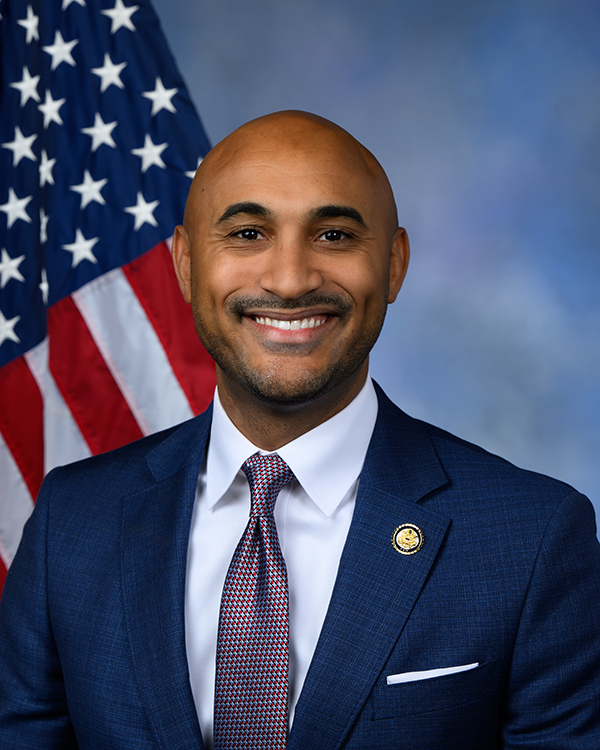
Shomari Figures
Shomari Figures House · District 2
D
Support
67% 130
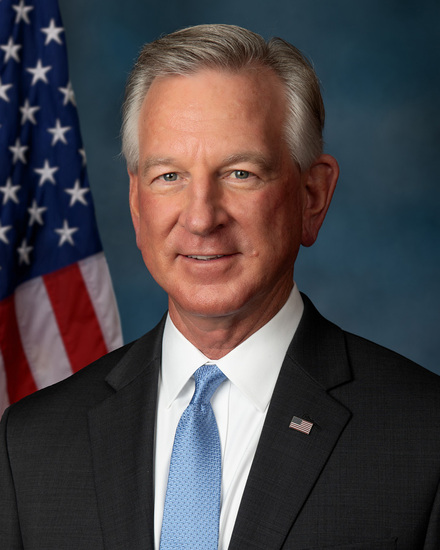
Tommy Tuberville
Tommy Tuberville Senate
R
Mixed
57% 162
Katie Boyd Britt
Katie Boyd Britt Senate
R
Mixed
57% 167
Barry Moore
Barry Moore House · District 1
R
Oppose
22% 128
Robert B. Aderholt
Robert B. Aderholt House · District 4
R
Oppose
33% 129
Gary J. Palmer
Gary J. Palmer House · District 6
R
Oppose
33% 130
Mike Rogers
Mike Rogers House · District 3
R
Oppose
33% 128
Dale W. Strong
Dale W. Strong House · District 5
R
Oppose
33% 129
Showing 1–10 of 164 bills

All education bills

in committee · United States · House Sep 4, 2026

HR 10298: Public Service Loan Forgiveness Inclusion Act of 2026

The Public Service Loan Forgiveness Inclusion Act of 2026 modifies federal student loan rules to make it easier for borrowers in public service jobs to qualify for debt cancellation. The bill changes how qualifying monthly payments are counted by allowing the first 60 payments to count regardless of their amount, while requiring subsequent payments to meet a specific minimum threshold based on a standard 10-year repayment schedule. It also expands eligibility to include payments made under the standard repayment plan and counts months where repayment was suspended due to administrative forbearance as qualifying payments if the borrower remained employed in public service. The Department of Education is required to notify affected borrowers about these changes within 180 days of enactment, with the new payment counting rules applying to those who have not yet made 120 monthly payments.
in committee · United States · House Sep 1, 2026

HR 10206: Restoring Opportunity for Advanced Education Act

The Restoring Opportunity for Advanced Education Act amends the Higher Education Act to permanently restore access to Federal Direct PLUS Loans for graduate and professional students. By removing specific time limits and expiration dates from the law, the bill ensures that these loans remain available without a set end date. This change directly affects graduate and professional students who rely on this funding source for their advanced education.
in committee · United States · House Aug 31, 2026

HR 10202: High School Voter Empowerment Act of 2026

The High School Voter Empowerment Act of 2026 requires all public high schools in the United States to be designated as voter registration agencies under federal law. Schools must conduct at least one voter registration drive each academic year, with a specific goal of registering eligible students who are at least 17 years old and enrolled in American Government or Economics classes. To support these efforts, the Department of Education would establish a grant program that reimburses schools for the reasonable costs associated with running these drives. Additionally, state election officials may provide voting machines to schools upon request for use in student council elections.
Sub-Topics K-12 Education Tags Elections
in committee · United States · House Sep 2, 2026

HR 10236: Protecting Student Athletes from Unexpected Tax Liability Act

The Protecting Student Athletes from Unexpected Tax Liability Act requires companies to withhold 30 percent of income tax from payments made for a student athlete's name, image, and likeness. This rule treats these specific commercial payments as if they were standard wages, even though the athletes are not classified as employees. The bill also waives penalties for underpaid taxes in the first year a student athlete is subject to this new withholding requirement. To ensure the policy works effectively, the Treasury Department must report to Congress by 2029 on whether the 30 percent rate is appropriate and how well companies are complying with the law.
Sub-Topics Income Tax
in committee · United States · Senate Aug 4, 2026

S 5225: K–12 AI Literacy and Readiness Act of 2026

The K-12 AI Literacy and Readiness Act of 2026 allows federal education funds to be used for teaching artificial intelligence to students and training educators on how to use it responsibly. By amending the Elementary and Secondary Education Act, the bill permits schools to spend money on AI curricula that focus on safe and effective usage, as well as professional development for teachers and staff. This change directly affects state and local school districts by expanding the list of allowable expenses to include specific instruction on AI tools and the skills needed to teach them. The legislation defines artificial intelligence using the same standard established in the National Artificial Intelligence Initiative Act of 2020 to ensure consistency across programs.
in committee · United States · Senate Jul 30, 2026

S 5179: Title IX Clarification Act of 2026

The Title IX Clarification Act of 2026 amends the federal law prohibiting sex discrimination in education to explicitly define "sex" based on biological characteristics. Specifically, it states that sex refers to an individual's biologically determined status as male or female. The bill further defines "female" as someone with a reproductive system that produces ova and "male" as someone with a reproductive system that produces sperm, regardless of congenital anomalies or accidents. These definitions apply to all education programs receiving federal financial assistance starting on the date the law is enacted.
in committee · United States · Senate Jul 30, 2026

S 5202: Protecting Our Kids from Harmful Research Act

The Protecting Our Kids from Harmful Research Act prohibits the use of federal funds to support research or publications regarding gender transition for individuals under the age of 18. This restriction specifically targets studies that aim to affirm a minor's perception or identity when it differs from their sex assigned at birth, as defined by their reproductive biology and genetics. The bill directly affects federal agencies and institutions that might otherwise receive funding to conduct such observational studies on hormonal treatments or surgical procedures for minors. By limiting financial support, the legislation seeks to prevent government resources from being used for research that challenges the biological definition of sex at birth.
in committee · United States · Senate Jul 23, 2026

S 5128: GRACE Act

The GRACE Act prohibits federal education funding for schools and agencies that mandate vaccinations unless they offer a specific exemption process. Under this bill, institutions must allow parents or guardians to request an exemption based on a sincerely held religious belief without requiring any supporting documentation. The law defines a child as anyone under 18 and applies these rules to elementary and secondary schools as well as local and state educational agencies. By removing the need for proof of religious belief, the measure aims to simplify the process for families seeking to opt out of vaccination requirements for religious reasons.
Sub-Topics Public Health
in committee · United States · House Jul 23, 2026

HR 9896: WINGS Act of 2026

The WINGS Act of 2026 expands federal financial aid eligibility to cover specific aviation training expenses for students enrolled in qualifying aviation programs at colleges and universities. Under this bill, students could use federal funds to pay for costs such as flight simulator hours, aircraft instruction, aviation training materials, and licensing exam fees. The legislation defines eligible programs as those offering associate's or bachelor's degrees in aviation-related fields and includes professional degree programs that meet specific regulatory training standards. These changes would take effect on July 1, 2027, allowing students to access financial support for practical aviation training components starting with the 2027-2028 award year.
in committee · United States · House Jul 16, 2026

HR 9742: English Language Proficiency Act

The English Language Proficiency Act removes specific exceptions that currently allow certain immigrants to bypass the naturalization requirement of understanding U.S. history, government, and English language skills. By amending the Immigration and Nationality Act, the bill eliminates these exemptions, meaning more applicants must now demonstrate proficiency in these areas to become citizens. This change directly impacts immigrants who previously qualified for waivers based on factors such as age, education, or length of residence in the United States. The legislation aims to standardize the naturalization process by ensuring a consistent set of requirements for all applicants seeking citizenship.
Showing 1 to 10 of 164 bills
1 2 3 17 Next