Issue · Criminal Justice

Criminal Justice

Every criminal justice bill, vote, and legislator stance in Alabama, automatically classified by Maddy, our AI policy reader.

Total bills
95
119th Congress
Top supporter
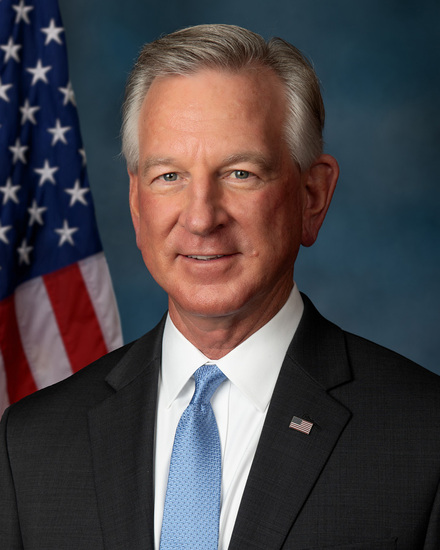
Tommy Tuberville
77% support rate
Top opponent
Robert B. Aderholt
37% support rate
Ranked legislators
8
3 support · 5 oppose
Key legislators

Who's moving criminal justice in Alabama

Legislators moving criminal justice in Alabama
Legislator Party Stance Support rate Votes
Tommy Tuberville
Tommy Tuberville Senate
R
Support
77% 163
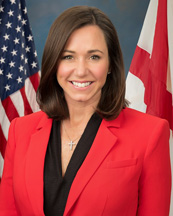
Katie Boyd Britt
Katie Boyd Britt Senate
R
Support
77% 169
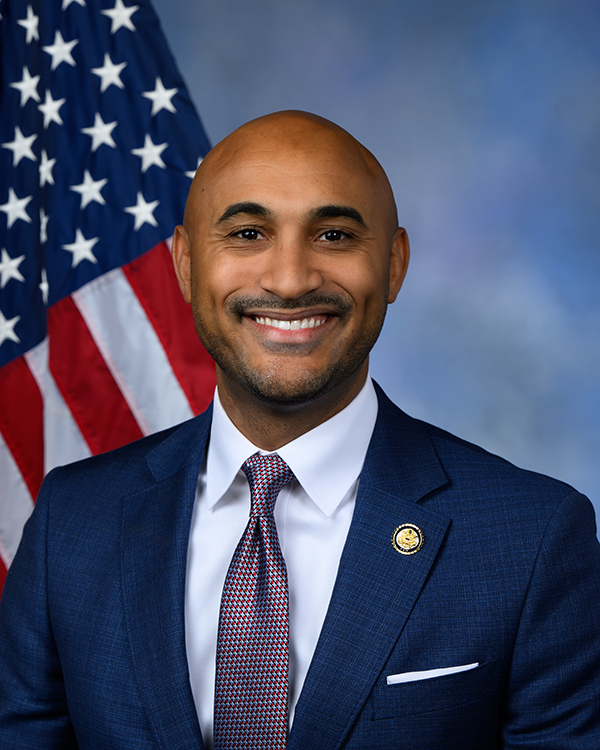
Shomari Figures
Shomari Figures House · District 2
D
Mixed
50% 153
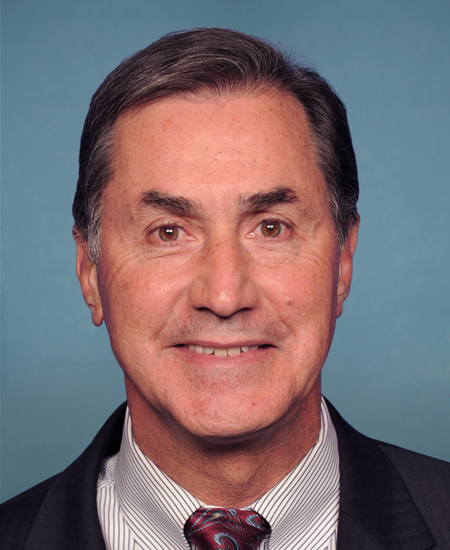
Robert B. Aderholt
Robert B. Aderholt House · District 4
R
Oppose
37% 152
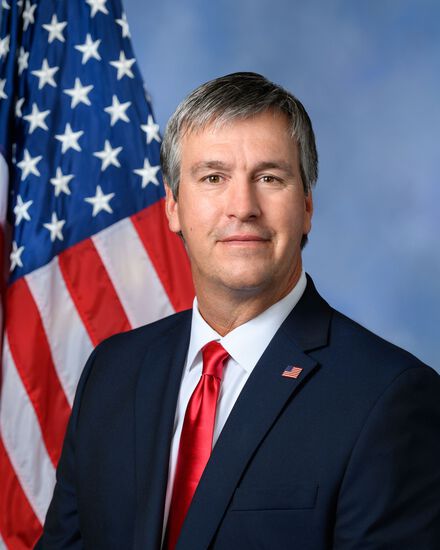
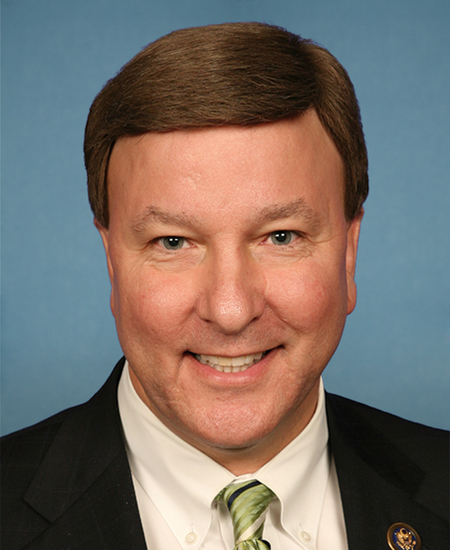
Barry Moore
Barry Moore House · District 1
R
Oppose
37% 148
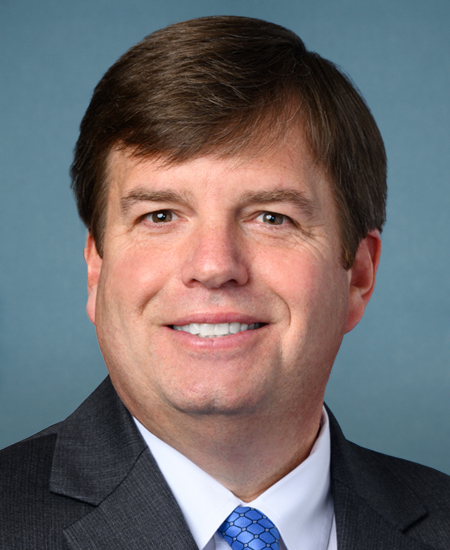
Gary J. Palmer
Gary J. Palmer House · District 6
R
Oppose
37% 153
Dale W. Strong
Dale W. Strong House · District 5
R
Oppose
37% 151
Mike Rogers
Mike Rogers House · District 3
R
Oppose
38% 151
Showing 1–10 of 95 bills

All criminal justice bills

in committee · United States · House Sep 3, 2026

HR 10272: End Gas Station Heroin Act

The End Gas Station Heroin Act amends the Controlled Substances Act to place 7-hydroxymitragynine and mitragynine pseudoindoxyl in Schedule I, while exempting naturally occurring kratom products that meet specific low-concentration limits. The bill also creates a new enforcement mechanism for emerging synthetic opioids by treating them as Schedule I controlled substances when they are manufactured or distributed commercially. This provision applies to synthetic opioids that are more potent than morphine and not approved for medical use, but it explicitly prohibits criminal or civil penalties for simple possession or personal use.
Sub-Topics Drug Policy
in committee · United States · House Jul 21, 2026

HR 9817: Justice for Incarcerated Moms Act

The Justice for Incarcerated Moms Act aims to improve maternal health outcomes for pregnant and postpartum individuals in the criminal justice system by restricting financial incentives for states that use restraints on pregnant inmates. Under the bill, states receiving federal justice grants would face a 25 percent funding penalty if they fail to implement laws limiting the use of shackles on pregnant individuals, with those withheld funds redirected to compliant states. The legislation also directs the Bureau of Prisons and the Department of Justice to create and fund programs in at least six federal facilities and across various state and local prisons that provide specialized prenatal care, mental health support, and reentry assistance. These programs are designed to address specific health disparities, particularly for racial and ethnic minority groups, by offering culturally competent care, nutrition counseling, and opportunities to maintain contact with newborn children. Additionally, the act requires an independent oversight organization to monitor program implementation and mandates a Government Accountability Office report to analyze maternal and infant health data within the correctional system.
in committee · United States · Senate Jul 15, 2026

S 4983: Harry Reid Immigration Stabilization Act

This bill, the Harry Reid Immigration Stabilization Act, establishes a comprehensive framework to reduce overall immigration numbers, reform asylum procedures, increase penalties for criminal behavior, and enhance border security measures. It directly affects immigrants, refugees, asylum seekers, employers, and law enforcement agencies by setting strict caps on family and employment-based visas, requiring a 30-day filing deadline for asylum applications, and expanding the definition of aggravated felonies to include a wider range of crimes. Key mechanisms include mandating that employers verify work eligibility through a telephone verification system, creating a new border crossing fee, and requiring states to verify immigration status to receive certain federal benefits. Additionally, the legislation introduces stricter rules for criminal aliens facing expedited deportation, increases penalties for alien smuggling, and clarifies citizenship requirements for children born to non-citizen parents.
in committee · United States · House Jun 30, 2026

HR 9567: Preserving Our Constitution Act of 2026

The Preserving Our Constitution Act of 2026 prohibits federal courts and government agencies from recognizing or enforcing foreign laws, religious codes, or customs that conflict with the U.S. Constitution. Specifically, it bars the application of rules that discriminate based on race, religion, or gender; restrict freedom of speech or religion; permit forced or underage marriages; or allow cruel punishments and human sacrifice. The bill also prevents U.S. courts from enforcing contracts that choose to apply such incompatible foreign laws or from honoring judgments made by foreign tribunals using those laws. While the legislation establishes these strict prohibitions, it does not create a new private right for individuals to sue for damages if the rules are violated.
in committee · United States · House Jul 22, 2026

HR 9873: Inclusive Democracy Act of 2026

The Inclusive Democracy Act of 2026 mandates that individuals with criminal convictions retain their right to vote in federal elections and requires prisons, jails, and probation offices to notify incarcerated or supervised individuals of this right. The bill establishes specific procedures for voter registration and absentee voting within carceral settings, including expedited transmission of forms and the ability to use either a prison address or a last known address for registration. It also prohibits states from rejecting ballots or registration applications based on late mailing dates or electronic submission methods and ensures that election materials and nonpartisan voter registration services can be distributed inside correctional facilities.
Sub-Topics Corrections Probation & Parole Tags Elections
in committee · United States · House Jul 3, 2026

HR 9579: Department of Homeland Security Office for Civil Rights and Civil Liberties Authorization Act

This bill establishes a new Office for Civil Rights and Civil Liberties within the Department of Homeland Security, led by an Officer who reports directly to the department head. The Office is tasked with overseeing compliance with civil rights laws, reviewing potential abuses or profiling by employees, and integrating these protections into all department policies and programs. It grants the Officer authority to investigate complaints, issue public reports on findings, and coordinate with other officials to ensure diverse communities are engaged effectively. Additionally, the legislation requires each major department unit to have its own civil rights officer and mandates annual reporting to Congress on the Office's activities and progress.
Sub-Topics Civil Rights Tags Civil Liberties
in committee · United States · House May 8, 2026

HR 8690: Pregnant Women in Custody Act

The Pregnant Women in Custody Act establishes new federal standards to protect the health and rights of pregnant women held in Bureau of Prisons facilities, immigration detention centers, and refugee shelters. It mandates comprehensive medical care, including mandatory pregnancy testing, access to contraception, and specialized dietary and housing accommodations tailored to pregnancy needs. A central provision prohibits the use of restrictive housing and physical restraints during pregnancy, labor, and the postpartum recovery period, with limited exceptions only for immediate safety threats. The legislation also requires facilities to provide nursery programs allowing mothers and infants to remain together, offers education on parental rights, and mandates regular reporting on health outcomes and the use of restrictive measures.
in committee · United States · House May 15, 2026

HR 8847: Deporting Illegal Poachers Act

This bill, titled the Deporting Illegal Poachers Act, would make non-citizens who break hunting or fishing laws subject to deportation. It directly affects foreign nationals who have been convicted of, admitted to, or whose actions constitute violations of state or federal rules regarding licenses, seasons, bag limits, or protected species. Under the new provisions, these individuals would be considered inadmissible to the United States and deportable if found guilty of such offenses, regardless of whether the crime is classified as a misdemeanor or felony. The law applies to violations occurring in any jurisdiction, including Tribal and local areas, without requiring the offense to be labeled as a serious crime under federal standards.
in committee · United States · House May 13, 2026

HR 8802: January 6th Law Enforcement Heroes Compensation Fund Act

This bill establishes a compensation fund to provide financial support to law enforcement officers who actively defended the U.S. Capitol on January 6, 2021, and suffered injuries, emotional distress, or death as a result. The program is administered by a Special Master appointed by the Attorney General, who will review individual claims for economic and non-economic losses while ignoring any questions of negligence. Eligible officers can receive specific payments for their injuries or the death of a colleague, with a guaranteed minimum of $4.975 million for death claims, plus an additional equal distribution to all qualifying officers regardless of injury status. The legislation also includes provisions to reduce payouts by any other compensation the claimant has already received and grants the federal government the right to recover funds if they are later paid out in related legal settlements.
Sub-Topics Law Enforcement
in committee · United States · House Apr 29, 2026

HR 8571: TREY'S Law

This bill, known as TREY's Law, aims to make nondisclosure clauses in contracts void and unenforceable if they prevent the reporting of sexual abuse involving minors. It directly affects victims of such abuse, their families, and anyone with knowledge of the abuse by allowing them to disclose these incidents without fear of civil liability. The law applies retroactively to agreements made before or after its passage and overrides any state laws that allow the enforcement of these specific clauses. While it invalidates clauses that silence abuse details, it permits parties to keep confidential other settlement terms like payment amounts, provided this does not stop the disclosure of the abuse itself.
Showing 1 to 10 of 95 bills
1 2 3 10 Next