Issue · Criminal Justice

Criminal Justice

Every criminal justice bill, vote, and legislator stance in Alabama, automatically classified by Maddy, our AI policy reader.

Total bills
176
119th Congress
Top supporter
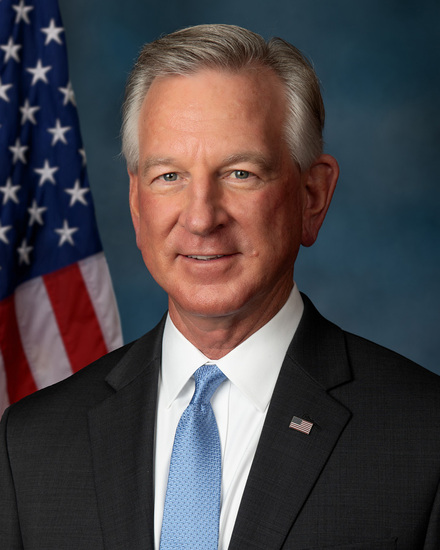
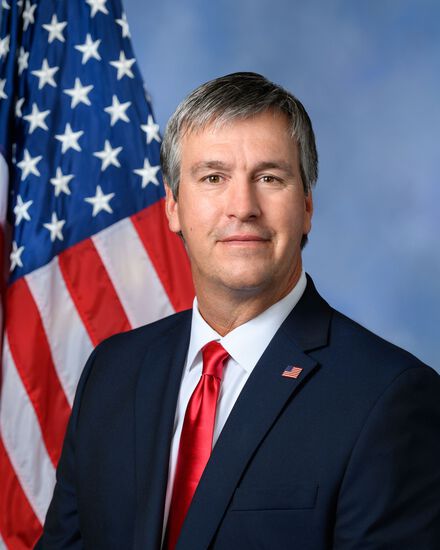
Tommy Tuberville
77% support rate
Top opponent
Robert B. Aderholt
37% support rate
Ranked legislators
8
3 support · 5 oppose
Key legislators

Who's moving criminal justice in Alabama

Legislators moving criminal justice in Alabama
Legislator Party Stance Support rate Votes
Tommy Tuberville
Tommy Tuberville Senate
R
Support
77% 163
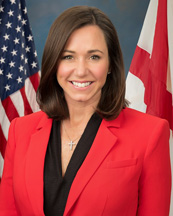
Katie Boyd Britt
Katie Boyd Britt Senate
R
Support
77% 169
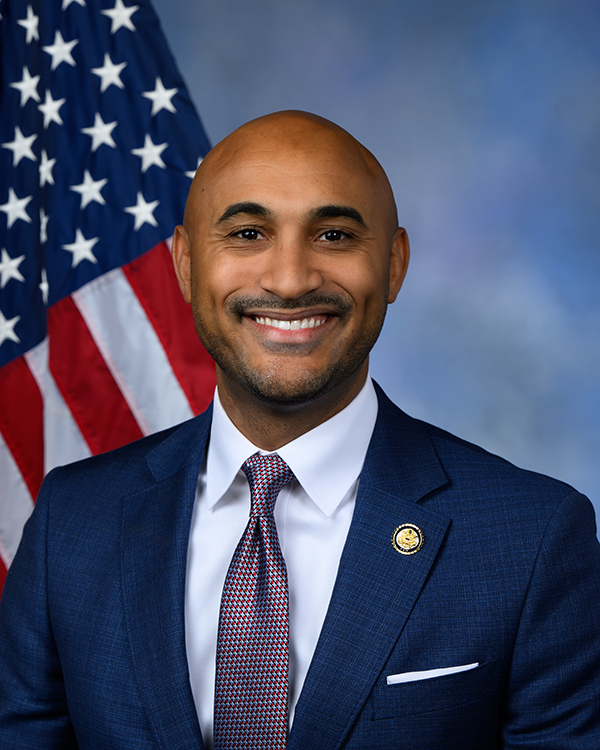
Shomari Figures
Shomari Figures House · District 2
D
Mixed
50% 153
Robert B. Aderholt
Robert B. Aderholt House · District 4
R
Oppose
37% 152
Barry Moore
Barry Moore House · District 1
R
Oppose
37% 148
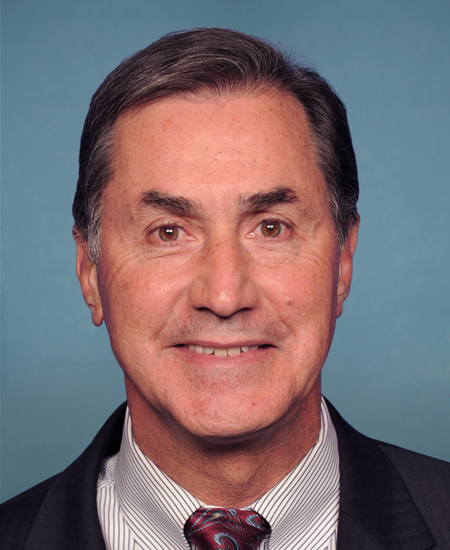
Gary J. Palmer
Gary J. Palmer House · District 6
R
Oppose
37% 153
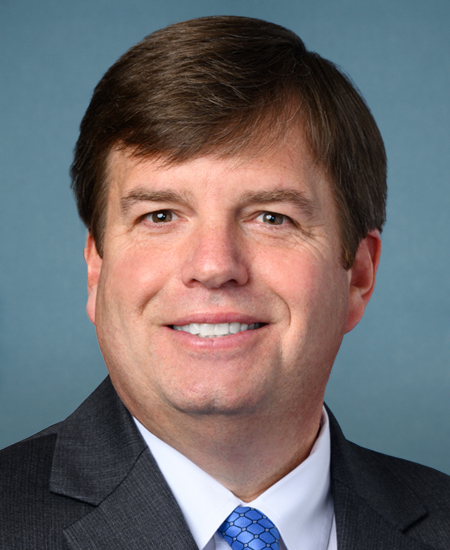
Dale W. Strong
Dale W. Strong House · District 5
R
Oppose
37% 151
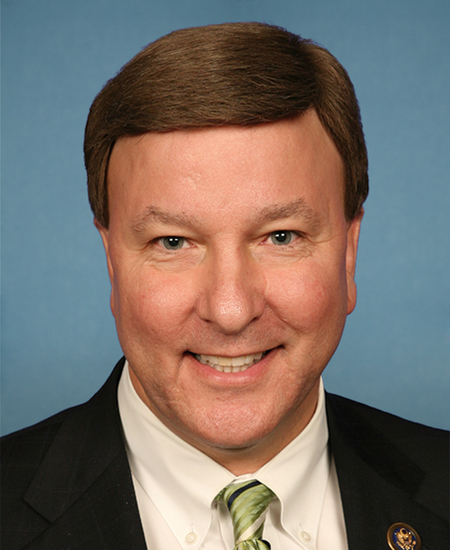
Mike Rogers
Mike Rogers House · District 3
R
Oppose
38% 151
Showing 1–10 of 176 bills

All criminal justice bills

in committee · United States · House Sep 3, 2026

HR 10272: End Gas Station Heroin Act

The End Gas Station Heroin Act amends the Controlled Substances Act to place 7-hydroxymitragynine and mitragynine pseudoindoxyl in Schedule I, while exempting naturally occurring kratom products that meet specific low-concentration limits. The bill also creates a new enforcement mechanism for emerging synthetic opioids by treating them as Schedule I controlled substances when they are manufactured or distributed commercially. This provision applies to synthetic opioids that are more potent than morphine and not approved for medical use, but it explicitly prohibits criminal or civil penalties for simple possession or personal use.
Sub-Topics Drug Policy
in committee · United States · Senate Aug 7, 2026

S 5371: Stopping Border Surges Act

The Stopping Border Surges Act proposes significant changes to U.S. immigration law regarding unaccompanied children and asylum seekers. It mandates that unaccompanied alien children be repatriated to their home countries if they do not meet specific criteria, while also allowing for the detention of families who entered the country together for misdemeanor border-crossing charges. For asylum applicants, the bill restricts eligibility to those arriving at designated ports of entry and shortens the deadline to file an application from one year to six months. It introduces a "safe third country" provision that can bar asylum claims if an individual transited through another nation without seeking protection there first. Additionally, the legislation requires audio or video recording of expedited removal interviews, imposes criminal penalties for asylum fraud, and terminates asylum status if an individual voluntarily returns to their home country.
in committee · United States · Senate Aug 6, 2026

S 5337: Keep Our Communities Safe Act of 2026

The Keep Our Communities Safe Act of 2026 significantly expands the authority of the Secretary of Homeland Security to detain non-citizens who are facing removal from the United States. The bill removes time limits on detention during removal proceedings and allows for indefinite detention after a final order is issued if specific conditions, such as national security threats or public safety risks, are certified by government officials. It restricts access to bond hearings for many detainees, requiring them instead to prove they are not flight risks or community threats through clear and convincing evidence. Additionally, the legislation establishes administrative review processes that permit detention beyond standard removal periods if an individual fails to cooperate with deportation efforts or poses a continuing danger.
in committee · United States · Senate Jul 30, 2026

S 5202: Protecting Our Kids from Harmful Research Act

The Protecting Our Kids from Harmful Research Act prohibits the use of federal funds to support research or publications regarding gender transition for individuals under the age of 18. This restriction specifically targets studies that aim to affirm a minor's perception or identity when it differs from their sex assigned at birth, as defined by their reproductive biology and genetics. The bill directly affects federal agencies and institutions that might otherwise receive funding to conduct such observational studies on hormonal treatments or surgical procedures for minors. By limiting financial support, the legislation seeks to prevent government resources from being used for research that challenges the biological definition of sex at birth.
in committee · United States · House Jul 21, 2026

HR 9817: Justice for Incarcerated Moms Act

The Justice for Incarcerated Moms Act aims to improve maternal health outcomes for pregnant and postpartum individuals in the criminal justice system by restricting financial incentives for states that use restraints on pregnant inmates. Under the bill, states receiving federal justice grants would face a 25 percent funding penalty if they fail to implement laws limiting the use of shackles on pregnant individuals, with those withheld funds redirected to compliant states. The legislation also directs the Bureau of Prisons and the Department of Justice to create and fund programs in at least six federal facilities and across various state and local prisons that provide specialized prenatal care, mental health support, and reentry assistance. These programs are designed to address specific health disparities, particularly for racial and ethnic minority groups, by offering culturally competent care, nutrition counseling, and opportunities to maintain contact with newborn children. Additionally, the act requires an independent oversight organization to monitor program implementation and mandates a Government Accountability Office report to analyze maternal and infant health data within the correctional system.
in committee · United States · Senate Jul 15, 2026

S 4983: Harry Reid Immigration Stabilization Act

This bill, the Harry Reid Immigration Stabilization Act, establishes a comprehensive framework to reduce overall immigration numbers, reform asylum procedures, increase penalties for criminal behavior, and enhance border security measures. It directly affects immigrants, refugees, asylum seekers, employers, and law enforcement agencies by setting strict caps on family and employment-based visas, requiring a 30-day filing deadline for asylum applications, and expanding the definition of aggravated felonies to include a wider range of crimes. Key mechanisms include mandating that employers verify work eligibility through a telephone verification system, creating a new border crossing fee, and requiring states to verify immigration status to receive certain federal benefits. Additionally, the legislation introduces stricter rules for criminal aliens facing expedited deportation, increases penalties for alien smuggling, and clarifies citizenship requirements for children born to non-citizen parents.
in committee · United States · House Jun 30, 2026

HR 9567: Preserving Our Constitution Act of 2026

The Preserving Our Constitution Act of 2026 prohibits federal courts and government agencies from recognizing or enforcing foreign laws, religious codes, or customs that conflict with the U.S. Constitution. Specifically, it bars the application of rules that discriminate based on race, religion, or gender; restrict freedom of speech or religion; permit forced or underage marriages; or allow cruel punishments and human sacrifice. The bill also prevents U.S. courts from enforcing contracts that choose to apply such incompatible foreign laws or from honoring judgments made by foreign tribunals using those laws. While the legislation establishes these strict prohibitions, it does not create a new private right for individuals to sue for damages if the rules are violated.
in committee · United States · House Jul 16, 2026

HR 9731: No GRIFT Act of 2026

The No GRIFT Act of 2026 prohibits the Department of Justice from awarding grants to certain nonprofit organizations in a given fiscal year. To qualify for a grant, a nonprofit must certify that it is not a "covered nonprofit," which is defined as an organization where over 50% of its recent revenue came from DOJ grants and where it paid an officer or employee more than the Attorney General's annual salary. This provision directly affects 501(c)(3) organizations that have received significant federal funding and have high executive compensation, requiring them to disclose their financial history before applying for new grants.
in committee · United States · House Jul 22, 2026

HR 9873: Inclusive Democracy Act of 2026

The Inclusive Democracy Act of 2026 mandates that individuals with criminal convictions retain their right to vote in federal elections and requires prisons, jails, and probation offices to notify incarcerated or supervised individuals of this right. The bill establishes specific procedures for voter registration and absentee voting within carceral settings, including expedited transmission of forms and the ability to use either a prison address or a last known address for registration. It also prohibits states from rejecting ballots or registration applications based on late mailing dates or electronic submission methods and ensures that election materials and nonpartisan voter registration services can be distributed inside correctional facilities.
Sub-Topics Corrections Probation & Parole Tags Elections
in committee · United States · House Jul 3, 2026

HR 9579: Department of Homeland Security Office for Civil Rights and Civil Liberties Authorization Act

This bill establishes a new Office for Civil Rights and Civil Liberties within the Department of Homeland Security, led by an Officer who reports directly to the department head. The Office is tasked with overseeing compliance with civil rights laws, reviewing potential abuses or profiling by employees, and integrating these protections into all department policies and programs. It grants the Officer authority to investigate complaints, issue public reports on findings, and coordinate with other officials to ensure diverse communities are engaged effectively. Additionally, the legislation requires each major department unit to have its own civil rights officer and mandates annual reporting to Congress on the Office's activities and progress.
Sub-Topics Civil Rights Tags Civil Liberties
Showing 1 to 10 of 176 bills
1 2 3 18 Next