

Maddy summaryHB 167 reauthorizes Wyoming's teacher shortage loan repayment program, targeting educators in high-demand subjects like special education, math, science, world languages, reading, and English as a second language. The bill allows teachers to repay student loans without cash payments by teaching at least 50% of their time in these specific areas within Wyoming public schools, with repayment required within the loan amount's repayment period plus two years after graduation. It appropriates $500,000 from the legislative stabilization reserve for the program during fiscal 2023-2024, with up to 5% allocated for administrative costs. The program requires annual reporting to the legislature on its impact in addressing teacher shortages and funding needs.
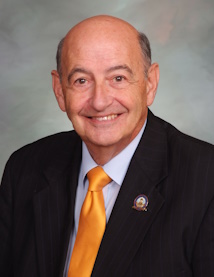
Sponsored bills
Maddy summaryWyoming's HB 133 requires that all electrical generation equipment - including solar panels, wind turbines, hydroelectric generators, power inverters, and power optimizers - must be installed by licensed electricians. This applies directly to electricians, contractors, and installers working with these systems. The bill clarifies existing law to explicitly include renewable energy equipment under the requirement for licensed installation, waiving the requirement only for specific exemptions listed in the law. The law takes effect July 1, 2023.
Maddy summaryHB 125 authorizes Wyoming to plan for a second veterans' skilled nursing facility, located at least 75 miles from the existing Buffalo facility, following the "green house" care model. The bill appropriates $300,000 for initial planning and feasibility studies and $50,000 for a separate study on staffing, bed availability, and veteran needs across the state. It requires state agencies (construction department, veterans' commission, and health department) to complete these studies and submit reports to legislative committees by October 15, 2023. This bill directly affects veterans who may use the facility and the state agencies responsible for planning and health services.
Maddy summaryHB 287 creates designated "gaming districts" in Wyoming where casino-style gambling may occur, directly affecting gaming operators and counties meeting population requirements. The bill requires operators to have operated two or more gaming facilities in Wyoming for at least 10 years, limits districts to counties with a metropolitan area of 250,000+ people within 100 miles, and caps total districts at two statewide (one per county). It mandates that gaming revenue be remitted to the state, with specific rules for how funds are distributed, while prohibiting online wagering except for regulated sports betting. The law also defines key terms like "gaming activities" (excluding skill-based games and pari-mutuel events) and establishes licensing requirements for operators.
Maddy summaryHB 221 requires prosecutors to either pursue domestic violence cases or provide written justification for dismissal, including supporting facts. It mandates law enforcement officers to submit detailed incident reports to prosecutors within 10 days and requires prosecutors to notify victims within 5 days about case status. The bill applies directly to domestic violence victims, law enforcement, and district attorneys in Wyoming. Key provisions ensure transparency in case decisions and streamline communication between agencies. The law took effect July 1, 2023.
Maddy summaryHB 114 amends Wyoming's state land leasing rules to make them more flexible and clear. It increases the amount lessees can spend on improvements without permission from $2,000 to $4,000 per land section, extends maximum lease terms from 75 to 99 years, and explicitly allows residential leases for the first time. The bill also requires all leases to follow minimum state standards for safety and land use, and clarifies that lessees must get approval for improvements exceeding $4,000. This directly affects individuals and businesses leasing Wyoming state lands for farming, ranching, or residential development.
Maddy summaryHB 110 designates June 19 as Juneteenth, a state holiday in Wyoming, to be observed annually on that date. It requires all state agencies, including the University of Wyoming, to update their holiday policies and personnel rules to recognize Juneteenth as a paid day off for employees. The bill repeals prior Juneteenth holiday provisions and takes effect immediately upon enactment.
Maddy summaryHB 117 creates Wyoming's participation in an occupational therapy licensure compact, allowing licensed occupational therapists and assistants from participating states to practice in Wyoming without obtaining a separate Wyoming license. This directly affects licensed therapists seeking to work across state lines, military spouses relocating with service members, and patients needing therapy in different states. The bill establishes mutual recognition of licenses between member states, requires practice to follow the regulations of the state where the patient is located, and includes provisions for sharing disciplinary information and handling adverse actions. It preserves each state's authority to license practitioners while aiming to improve access to occupational therapy services.
Maddy summaryHB 82 redefines "honorable discharge" in Wyoming law to include veterans discharged "general or other than honorable solely for refusing a COVID-19 vaccine." This directly affects Wyoming veterans who were discharged for vaccine refusal during the pandemic, allowing them to qualify for state benefits and exemptions they previously lost. The bill amends Wyoming Statute 8-1-102 by adding a specific definition to include these veterans under "honorable discharge" for benefit eligibility. It takes effect immediately upon becoming law, ensuring affected veterans can access state support without requiring additional legislative action.
Maddy summaryWyoming's SF 54 establishes the "Interstate Compact for Licensed Professional Counselors," allowing counselors licensed in Wyoming to practice across other participating states without obtaining separate licenses. The bill directly affects licensed professional counselors and their clients, enabling multistate practice where the client is located at the time of service. Key provisions include preserving each state's authority to license counselors, supporting military spouses through streamlined licensure, and creating a data system for sharing disciplinary information. The compact aims to improve public access to counseling services while maintaining state regulatory oversight.