

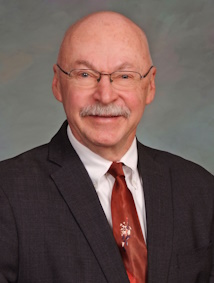
Photo of Cale Case
R Wyoming Senate · District 25 On the 2026 ballot

Sen. Cale Case

Compare
Total votes
3,477
all sessions
Attendance
99%
32 missed
Near the chamber average
With party
70%
of cast votes
Lower than 97% of chamber peers
Bipartisan score
16%
some cross-party votes
Higher than 93% of chamber peers
Sponsored
225
bills & resolutions
Lower than 96% of chamber peers
Committees
5
assignments
225 bills and resolutions

Sponsored bills

Total
225
Primary
89
Co-sponsor
136
This page
225
matching current filters
Co-sponsor HB 180
Introduced · Wyoming House · Co-sponsor
Freedom from government seizure act.

Maddy summaryHB 180 amends Wyoming's Controlled Substances Act to clarify and streamline property forfeiture procedures related to drug violations. It specifies that property subject to forfeiture includes controlled substances, equipment used in drug manufacturing, vehicles transporting drugs, buildings used for drug activity, and money traceable to drug offenses. The bill requires courts to issue notices to potential owners or lienholders before final forfeiture, giving them 30-60 days to contest the seizure, and mandates that property used without the owner's knowledge cannot be forfeited. This directly affects property owners involved in drug-related cases by altering the legal process for government seizure of assets.

Introduced Feb 17, 2024 1 co-sponsor
Co-sponsor HB 204
Introduced · Wyoming House · Co-sponsor
Decriminalization of cannabis.

Maddy summaryHB 204 would decriminalize small amounts of cannabis in Wyoming by replacing criminal penalties with civil fines. It eliminates criminal charges for possessing up to 3 ounces of marijuana in plant form or 16 ounces of edibles, while creating specific civil penalties for exceeding these limits. The bill also removes marijuana possession and paraphernalia from criminal law and allows medical practitioners to prescribe cannabis (after FDA approval), aligning with medical use standards. This primarily affects adults in Wyoming who possess small amounts for personal use or seek medical cannabis treatment.

Introduced Feb 17, 2024 1 co-sponsor
Co-sponsor HJ 7
Introduced · Wyoming House · Co-sponsor
Individual right to privacy-constitutional amendment.

Maddy summaryThis bill proposes a constitutional amendment to add a right to privacy in Wyoming's state constitution. It would insert Article 1, Section 40 stating: "The right of individual privacy is essential to the well-being of a free society and shall not be infringed." If approved by voters, this would enshrine a privacy right directly affecting all Wyoming residents by limiting government actions that infringe on personal privacy. The proposal is currently in the introduction stage and requires voter approval at the next general election to become part of the state constitution.

Introduced Feb 17, 2024 1 co-sponsor
Co-sponsor HB 147
Introduced · Wyoming House · Co-sponsor
Electrical generation tax.

Maddy summaryHB 147 would impose a 3.5% tax on the annual revenue from electricity produced in Wyoming, paid directly by power generators (not consumers). It exempts electricity from federal/state government facilities and personal use under 500 kilowatt-hours daily. Generators must report annual revenue by February 1st and pay the tax by the same deadline. The tax would take effect January 1, 2025, with penalties for late reporting or payment.

Introduced Feb 17, 2024 1 co-sponsor
Co-sponsor HJ 6
Introduced · Wyoming House · Co-sponsor
Convention of states.

Maddy summaryWyoming's HJ 6 is a joint resolution requesting Congress to call a convention under Article V of the U.S. Constitution to propose constitutional amendments. The convention would be limited to addressing federal fiscal issues (like debt and spending), restricting federal power over states, and setting term limits for federal officials and Congress. The resolution includes specific safeguards, such as requiring two-thirds of states to agree on the same purpose before Congress acts, ensuring states vote one state, one vote, and explicitly excluding any changes to the Bill of Rights. This resolution serves as Wyoming's continuing application until two-thirds of states support identical proposals.

Introduced Feb 17, 2024 1 co-sponsor
Co-sponsor SJ 4
Failed · Wyoming House · Co-sponsor
Convention of states-2.

Maddy summaryWyoming's SJ 4 is a joint resolution requesting Congress to call a constitutional convention under Article V of the U.S. Constitution to propose amendments focused on fiscal restraint, limiting federal power, and setting term limits for federal officials. The resolution specifies that the convention must not consider changes to the Bill of Rights and must operate with each state having one vote. The bill failed to pass during introduction in the Wyoming Senate on February 15, 2024, with 17 votes in favor and 14 against. This procedural resolution does not directly change laws but seeks to initiate a state-driven process for potential constitutional amendments.

Failed Feb 15, 2024 1 co-sponsor
Primary SF 29
Failed · Wyoming Senate · Lead sponsor
Major political parties-state central party voting members.

Maddy summaryThis bill amends Wyoming law to change how major political parties determine voting power on their state central committees. It requires that each committee member's vote be weighted based on the number of the party's registered voters in their county relative to the party's total statewide registered voters from the last congressional election. This means members from counties with larger shares of the party's registered voters have more influence in committee decisions than members from counties with fewer party registrants. The change applies to all major political parties and takes effect on July 1, 2024.

Failed Feb 13, 2024 0 co-sponsors
Co-sponsor SF 120
Signed into law · Wyoming Senate · Co-sponsor
Restoration of civil rights.

Maddy summaryWyoming's SF 120 restores civil rights for certain individuals convicted of nonviolent offenses. It automatically restores voting rights for nonviolent felony offenders after they complete their sentence or serve five years (whichever is shorter), and requires a written application to the Department of Corrections for domestic violence misdemeanor offenders to regain firearm rights. The bill also specifies that other rights (like firearm possession) are restored only after voting rights are reinstated. This applies to people convicted of nonviolent felonies or domestic violence misdemeanors under Wyoming law, following specific procedural steps outlined in the bill.

Signed into law Mar 17, 2023 1 co-sponsor
Co-sponsor SF 94
Signed into law · Wyoming Senate · Co-sponsor
Federal Indian Child Welfare Act codification.

Maddy summaryWyoming's SF 94 codifies the federal Indian Child Welfare Act (ICWA) into state law, directly affecting Indian children and their tribes in custody cases. The bill establishes that tribes have primary authority over child custody proceedings for Indian children living on reservations or with significant tribal ties, requiring state courts to transfer cases to tribal courts when appropriate. It mandates that state courts notify tribes, parents, and Indian custodians at least 10 days before decisions on shelter care or parental rights termination, and requires Wyoming to honor tribal court decisions in these matters. The law defines key terms like "Indian child" (under 18 and a tribal member or eligible for membership) and "tribal court" to ensure consistent application.

Signed into law Mar 9, 2023 1 co-sponsor
Co-sponsor SF 112
Signed into law · Wyoming Senate · Co-sponsor
Peer support counseling-confidentiality.

Maddy summaryWyoming's SF 112 creates confidentiality protections for peer support counseling sessions involving law enforcement officers and emergency services personnel (including volunteers). The bill prohibits disclosure of all communications, notes, or records from these sessions - such as those addressing trauma from critical incidents - and explicitly excludes them from public records under Wyoming's disclosure laws. Exceptions include threats of suicide or criminal acts, required abuse reports, admissions of criminal conduct, or consented disclosures by participants or survivors. This policy directly affects peer support specialists, their teams, and the personnel they assist, ensuring sensitive discussions remain private unless specific safety exceptions apply.

Signed into law Mar 2, 2023 1 co-sponsor
Showing 31 to 40 of 225 bills
Previous 1 3 4 5 23 Next