

Maddy summaryWyoming's SF 81 clarifies that the state owns all underground water within its boundaries, as established by the state constitution. The bill preserves existing water use rights for well owners (for irrigation, municipal, or industrial purposes) but requires registration of wells with the state engineer by specific deadlines. It mandates permits for new well construction after July 1, 2022, while allowing existing "exempt" wells to register before December 31, 1972. The bill is declaratory - clarifying current law without altering existing water rights or creating new restrictions.
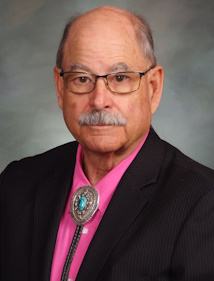
Sen. Ogden Driskill
Sponsored bills
Maddy summaryWyoming's SF 62, the Civics Transparency Act, requires all public K-12 school districts to publish an annual online list of instructional materials (including textbooks, videos, websites, and activities) on their district websites by July 1 each year. The bill also mandates specific civics instruction in fourth grade and beyond, covering Wyoming's suffrage history, constitutional principles, and anti-discrimination education. This affects every Wyoming public school district and impacts students, teachers, and parents by increasing visibility into classroom materials and curriculum content. The law took effect July 1, 2022, with lists required to remain online for at least one year.
Maddy summaryHB 85 creates a new felony offense for pregnant individuals who knowingly use methamphetamine or certain narcotics (like heroin or fentanyl) without a prescription from a healthcare provider. It directly affects pregnant people using these substances without medical authorization, imposing penalties of up to five years in prison or a $5,000 fine. The law specifically targets non-prescribed use of Schedule I/II controlled substances during pregnancy, framing it as endangering the unborn child, and takes effect July 1, 2022. The bill does not address medical treatment or addiction support, focusing solely on criminal penalties for non-prescribed substance use.
Maddy summaryWyoming's SF 109 prohibits members and staff of the state gaming commission from engaging in, investing in, or pursuing any business regulated by the commission, including horse racing betting or other gaming activities. It requires immediate disclosure and divestment of any such interests if they exist, and mandates that affected individuals recuse themselves from related commission decisions. This applies directly to commission members and staff who own or have family interests in regulated businesses, such as racetracks or casinos. The law, effective July 1, 2022, strengthens ethics safeguards by preventing conflicts of interest in gaming regulation. It amends existing rules to clarify prohibitions and repeals a duplicate provision.
Maddy summaryThis bill prohibits Wyoming state and local governments from using private donations to fund voter registration, election preparation, or election administration. It specifically bans accepting or spending private funds for these election activities, with exceptions for the Secretary of State using private funds for election training/education and providing food to poll workers on election day. Federal funds for elections remain unaffected by this prohibition. The law takes effect July 1, 2022.
Maddy summaryHB 141 appropriates $1.2 million from Wyoming's general fund to the Governor's office for lawsuits challenging state or federal laws that block Wyoming coal exports or cause early closures of coal-fired power plants using Wyoming coal. The funds are specifically for litigation to defend Wyoming's coal industry against legal actions that impede coal exports or force plant shutdowns. The appropriation expires on June 30, 2030, with unspent funds reverting to the state treasury. The Governor and Attorney General must submit annual reports to legislative committees detailing how the funds were used in these lawsuits.
Maddy summaryHB 135 creates Wyoming's "General Regulatory Sandbox Program," allowing businesses to temporarily test new products or services without full compliance with certain state regulations. It directly affects businesses seeking to innovate in Wyoming by requiring them to apply to the state council for limited, time-bound waivers of licensing or regulatory requirements. Key provisions include mandatory consumer safety assessments, requirements for businesses to maintain operations and records within Wyoming, and council oversight to ensure waivers don't violate federal law or endanger public health. The program aims to support business development while protecting consumers through structured testing protocols.
Maddy summaryHB 151 clarifies that Wyoming's state government, not local authorities, is responsible for annually valuing and assessing the property of independent power producers (companies generating or transmitting electricity for wholesale sale) at fair market value for tax purposes. This bill directly affects electricity generation and transmission facilities operated by these independent producers. The key provision amends state tax law to explicitly include such property under the state's assessment authority, removing ambiguity about who handles these valuations. The bill was set to take effect July 1, 2022, but did not pass the legislature.
Maddy summaryHB 139 prohibits Wyoming state agencies and local governments from using public funds or staff resources for projects involving permanent conservation easements or federal conservation efforts. It specifically restricts compliance with the Biden administration's goal to conserve 30% of U.S. land and water by 2030, requiring state agencies to host workshops on tax impacts of conservation easements and track local resolutions opposing the federal mandate. The bill directs the Department of Agriculture to maintain online lists of jurisdictions supporting or opposing the 30x30 goal and designates a state coordinator for federal climate programs. It directly affects state agencies, local governments, landowners, and agricultural/mining industries by limiting state cooperation with federal conservation programs. The bill failed to pass in 2022 (30-30 vote).
Maddy summaryHB 142 updates Wyoming's rules for filling vacancies in elected offices. It requires special elections to fill vacancies for governor, state legislators, and congressional representatives within specific timeframes before general elections (60 days for governor, 3 months for state offices, 6 months for Congress). For district attorney vacancies, county commissioners must appoint replacements following the same process used for legislative vacancies. The bill also clarifies that special elections for congressional seats must occur on the first Tuesday after the 89th day before the general election, and ensures employees get time off to vote in these elections. These changes apply to federal and state offices covered under Wyoming Statutes §22-18-103 through §22-18-109.