

Maddy summaryHB 288 proposes a 2.3% tax on electricity production in Wyoming starting January 1, 2024, paid by electricity producers (like power plants and utilities). It exempts electricity from federal/state government facilities and small personal use under 500 kWh daily. The bill creates a rebate program where producers can receive credits against other Wyoming taxes (like sales or severance taxes) for the electricity tax paid. The Department of Revenue would administer the tax, requiring annual reports by February 1 and imposing penalties for late payments (up to 25% of tax owed). Note: This bill died in committee in 2023 and is not law.
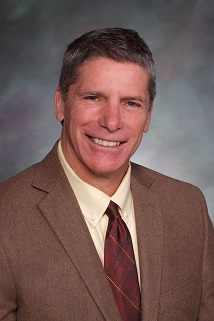
Rep. Bob Nicholas
Sponsored bills
Maddy summaryHB 63 updates salary structures for Wyoming's district attorneys and county/prosecuting attorneys. Starting in 2023, district attorneys will earn the same as district court judges, while county attorneys must receive at least $35,000 annually but no more than the district court judge's salary. The bill also increases state funding for county attorneys, covering up to $50,000 per year (or 50% of salary, whichever is less) for the main attorney and $30,000 for each assistant. These changes take effect July 1, 2022, with the new salary levels applying from January 2, 2023.
Maddy summaryHB 96 increases the annual salaries for five Wyoming state elected officials following the 2022 general election. The governor's salary rises from $105,000 to $140,000, while the secretary of state, state auditor, state treasurer, and superintendent of public instruction each see their salaries increase from $92,000 to $125,000. The bill also establishes a process for future cost-of-living adjustments to these salaries, tied to budget appropriations and requiring specific footnote disclosures in budget bills. These changes took effect July 1, 2022, with funding allocated for the 2023-2024 fiscal period.
Maddy summaryThis bill establishes Wyoming's "seal of biliteracy" and "advanced distinction seal of biliteracy" for high school graduates. It allows school districts to award these seals to students who demonstrate proficiency in English plus one or more world languages (including American Sign Language, classical languages, and indigenous languages). The state superintendent designs the program, sets assessment standards, and requires districts to report annually on the number of seals issued, languages used, and seal types. The program applies to all Wyoming high school students meeting the proficiency criteria, with implementation beginning July 1, 2022.
Maddy summaryThis procedural bill (SF 90) increases the size of Wyoming's Capital Financing Select Committee from six to seven members appointed by each chamber (Senate and House). It adjusts the party distribution rules, requiring that at least one member appointed by each presiding officer must be from the minority party (previously limited to five minority members total). The bill directly affects how the Senate President and House Speaker appoint committee members, with changes taking effect immediately upon enactment.
Maddy summaryThis joint resolution proposes a constitutional amendment to allow Wyoming's legislature to reimburse students for non-public school education costs, but only for students aged 6-21 who are otherwise eligible for public school. The amendment would permit reimbursement up to the cost of public education in Wyoming, excluding expenses for out-of-state education, non-K-12 schooling, or education for students ineligible for public school. It does not require the legislature to fund such reimbursements, nor does it authorize payments exceeding public school costs. The proposal must be approved by Wyoming voters to become part of the state constitution.
Maddy summaryHB 134 clarifies who can file a petition to adopt a minor in Wyoming. It allows any single adult, a married couple living together, or one spouse (if the other is the child's parent) to file an adoption petition. The bill amends Wyoming statute W.S. 1-22-104(b) to remove ambiguity about eligible petitioners. It became effective July 1, 2022.
Maddy summaryHB 1016 would amend Wyoming's firemen's pension law to stop automatic annual 3% benefit increases after January 1, 2022, requiring future legislative approval for any raises. It also mandates the retirement board to adjust pension fund investments to align with other state retirement programs, moving away from fixed-income portfolios. The bill directly affects firefighters receiving pensions under Wyoming's Fire A retirement program. If enacted, it would change how pension increases are authorized and how funds are invested, with no automatic raises after 2022 without new legislation.
Maddy summarySF 1016 amends Wyoming's firemen's pension law to halt automatic annual pension increases after January 1, 2022, requiring future legislative approval for any raises. It also mandates that the pension fund shift investments away from fixed-income portfolios to align with other retirement systems, following the "prudent investor" standard. The bill affects current and future firemen retirees receiving pensions under Wyoming's Fire A program. It takes effect immediately upon becoming law, with no automatic increases permitted without new legislative action.
2021/Summaries/HJ0013.pdf