

Maddy summaryHB 142 requires Wyoming public schools to implement literacy screening assessments for students in kindergarten through grade 5, administered three times yearly for K-3 and targeted for grades 4-5. Schools must provide evidence-based interventions for students identified as high-risk for reading difficulties (including dyslexia), with individualized plans requiring parental consent, while also mandating research-backed core literacy instruction in areas like phonemic awareness, decoding, and reading comprehension. The bill repeals Wyoming's previous reading assessment program and requires annual reporting to the state education department on student progress toward an 80% target for low-risk reading scores in K-3, with schools failing to meet goals submitting improvement plans. It directly affects K-5 students, school districts, and parents through new screening, intervention, and reporting requirements.
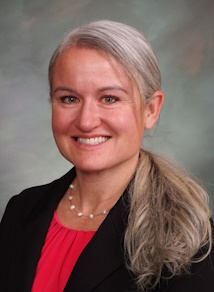
Rep. Julie Jarvis
Sponsored bills
Maddy summarySF 132 prohibits operating drones over critical infrastructure (including power plants, water facilities, hospitals, prisons, and military sites) for intentional photography, loitering, or criminal activity. Exceptions allow federal-authorized drone use, government operations, infrastructure owners, model aircraft in parks, and emergency services like police or disaster response teams. Violations face misdemeanor penalties ($2,500 fine or 6 months jail) for first offenses, escalating to felony charges ($5,000 fine or 2 years jail) for repeat violations. Law enforcement may disable violating drones, and the Wyoming National Guard can assist with enforcement, effective July 1, 2025.
Maddy summaryHB 300 imposes a 3.5% tax on electricity producers in Wyoming, effective January 1, 2026, based on their annual gross energy earnings from electricity generated within the state. It directly affects utility companies and power generators, while exempting electricity produced by the federal or state government and small personal use (under 500 kWh daily). Producers must report annual revenue by February 1 and pay the tax by the same deadline, with penalties of 5% per 30 days for late filing. The tax revenue will be collected by the Wyoming Department of Revenue and distributed per the bill’s provisions.
Maddy summaryThis Wyoming joint resolution (SJ 8) requests Congress to propose a constitutional amendment allowing states and Congress to establish reasonable limits on money spent to influence elections. It specifically seeks authority to distinguish between natural persons (individuals) and artificial entities like corporations, unions, or AI when setting these limits. The resolution argues that current Supreme Court interpretations equating unlimited spending with free speech undermine political equality, election integrity, and local representation. It does not create new laws but formally asks Congress to initiate a constitutional amendment process to address these concerns.
Maddy summaryHB 326 appropriates $79 million from Wyoming's general fund to remodel the state veterans' home in Buffalo, Wyoming. The bill specifies that federal funds received for veterans' home facilities must first replace general fund spending and then reduce the state appropriation dollar-for-dollar. It sets a total project cost cap of $103.85 million, covering the $79 million state appropriation plus other authorized funds (including federal funds and prior appropriations). The remodeling project must be completed within the allocated budget, with unspent funds reverting to the general fund upon completion.
Maddy summaryHB 58 requires the Wyoming Board of Land Commissioners to provide written notice to county commissioners at least 60 days before approving new mineral leases or lease extensions on state lands or state school lands. County commissioners must then be given an opportunity to submit public comments on the proposed lease in writing or at a meeting. The bill applies only to new leases and extensions starting on its effective date, leaving existing leases unaffected. This change aims to increase local government involvement in mineral leasing decisions.