

Maddy summaryThis bill modifies Wyoming's enforcement procedures for antifreeze and petroleum products. It requires the state director to periodically collect samples from storage tanks and dispensing devices at retail facilities, mandating at least one annual sample per tank. The director must also ensure samples are taken after allowing at least one gallon to flow from dispensers. These changes apply to facilities handling these products and take effect July 1, 2019. The bill updates sampling protocols without altering product standards or creating new regulations.
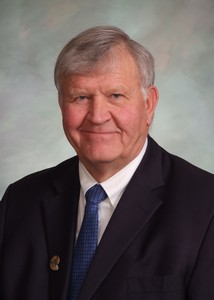
Rep. Lloyd Larsen
Sponsored bills
Maddy summaryHB 52 requires state agencies and political subdivisions in Wyoming to procure furniture and movable equipment for capital construction projects through competitive bidding. It prioritizes products available from Wyoming resident suppliers when possible, or uses performance-based specifications if local products aren't available. Agencies may seek waivers for highly specialized items, but these require written justification and approval by designated officials. The law applies to all such procurements starting July 1, 2019.
Maddy summaryWyoming's SF 85, the Medicaid Fraud Control Act, creates a dedicated fraud unit within the Attorney General's office to investigate and prosecute Medicaid fraud, waste, and abuse. The unit gains full access to all Medicaid records held by providers (such as hospitals and clinics) and can prosecute individuals who submit false claims or conceal material facts. It establishes criminal penalties: misdemeanor fines up to $750 or 6 months in jail for claims under $1,000, and felony penalties up to 10 years in prison or $10,000 fines for claims $1,000 or more. Providers must certify the accuracy of all Medicaid applications, reports, and invoices under penalty of perjury. This directly affects Medicaid providers, the Attorney General's office, and anyone submitting Medicaid claims.
Maddy summaryThis bill proposes a constitutional amendment to remove the current 4% debt limit on municipal sewer projects in Wyoming. It would allow the legislature to establish new debt limits for sewer systems through regular law instead of the fixed constitutional cap. The amendment directly affects cities and towns seeking to fund sewer infrastructure, as it would provide greater flexibility in financing these projects. If approved by voters, it would change how municipalities can borrow for sewage systems under state law.
Maddy summaryHB 216 creates the Wyoming Children's Income Account, which uses investment earnings from the existing Wyoming Children's Trust Fund to fund specific programs. The income account finances grants to nonprofits and public organizations for prevention programs, educational seminars, and program evaluations. It also mandates a one-time transfer of unspent trust fund income and federal contributions to the income account by June 30, 2020, and appropriates $270,000 (from 2016-2018 investment earnings) for grants through June 2020. Funds must be used strictly for authorized purposes, with unspent amounts reverting to the account by July 1, 2020.
Maddy summaryHB 108 modifies payment procedures for contractors working on public construction projects in Wyoming. It requires contractors to submit a sworn statement confirming all subcontractor and material supplier payments before final payment can be made, and mandates a 40-day public notice period (via newspaper and website) before final settlement. Disputed claims must be directed to the prime contractor's surety bond, with disputed amounts withheld from final payment until resolved. This affects contractors, subcontractors, material suppliers, and state/local governments awarding public works contracts over $7,500. The bill updates existing bond and payment rules to clarify dispute resolution and payment timelines.
2019/Summaries/SF0050.pdf
2019/Summaries/SF0078.pdf