

Maddy summaryHB 158 requires Wyoming's governor to rescind all existing refugee resettlement plans by July 1, 2024, and submit new plans to the legislature for approval before they take effect. The bill mandates that proposed plans include specific details on promoting refugee economic self-sufficiency, language training, employment services, coordination of resources, care for unaccompanied minors, medical needs, and detailed funding projections. A legislative committee must review these plans, hold public hearings, and report recommendations to the legislature. This bill directly affects state agencies and the governor's office by shifting authority for refugee resettlement oversight from executive action to legislative approval and public input.
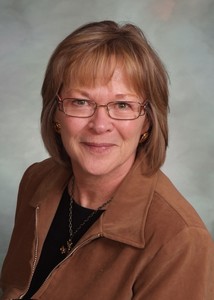
Rep. Pepper Ottman
Sponsored bills
Maddy summaryHB 216 would have removed a requirement for advanced practice registered nurses (APRNs) in Wyoming to obtain additional "advanced certification" to provide hospital care. Instead, it would have allowed hospitals to set their own physician oversight rules through their medical staff bylaws, rather than mandating certification through the Board of Nursing. The bill proposed this change take effect on July 1, 2024. However, the bill was withdrawn by its sponsor on February 16, 2024, and did not become law.
Maddy summaryThis bill would repeal Wyoming's existing low-carbon energy standards for public utilities. It requires utilities to refund customers for rates collected under those repealed standards (with an exception for costs already spent on carbon capture technology before the bill's effective date). The Public Service Commission would establish rules to implement these changes. The bill directly affects all public utilities operating in Wyoming and their customers who paid the now-repealed rates.
Maddy summaryWyoming's SF 108 would regulate chemical abortions by requiring healthcare providers to physically examine patients, be present during the first drug dose, and provide biohazard-labeled waste bags for disposal. It mandates that providers schedule follow-up visits within seven days and instruct patients on proper disposal of medical waste. The bill also holds manufacturers responsible for the environmental remediation of abortion drugs and their byproducts entering water systems. This law directly affects healthcare providers prescribing abortion drugs and drug manufacturers, with penalties including up to three years in prison or $10,000 fines for violations.
Maddy summaryHB 50, titled "What is a Woman Act," defines "sex" for legal purposes as a person's biological sex at birth, requiring all state laws, rules, and regulations to use this definition. It mandates that "woman" and "female" refer exclusively to individuals born with female biology (XX chromosomes, reproductive system for ova), and "man" and "male" refer to individuals born with male biology (XY chromosomes, reproductive system for fertilization). The bill requires state agencies, schools, and public facilities to collect vital statistics identifying people as male or female based on birth sex and to maintain separate accommodations (e.g., restrooms, shelters, prisons) based on biological sex. It applies directly to Wyoming state agencies, schools, and public entities collecting data or managing facilities. The bill failed its introduction in the Wyoming House on February 15, 2024.
Maddy summaryHB 47 creates a state grant program to help government entities clean up illegal trash dumps. It allows cities, counties, tribes (like the Eastern Shoshone and Northern Arapaho), or other local governments to apply for grants up to $125,000 to fund cleanup efforts at sites where waste was dumped illegally. Applicants must provide a 10% local match, describe the dumpsite and cleanup plan, and agree to use funds only for remediation. The program is funded through a dedicated account, with annual reports required on grant usage. This bill directly affects communities dealing with illegal dumping by providing financial support for cleanup.
Maddy summaryHB 53 amends Wyoming law to clarify the process for declaring and managing public health emergencies. It requires the governor to immediately call the legislature into session within two days of declaring an emergency, allowing lawmakers to vote remotely via video/audio conference to either confirm the emergency or end it. The bill updates the definition of "public health emergency" to include epidemics, pandemics, or biological threats posing significant health risks, and specifies that healthcare provider exemptions (like out-of-state physical therapists or acupuncturists) during emergencies apply only to declarations after July 1, 2024. These changes directly affect the governor, legislature, and healthcare providers seeking temporary practice authorization during declared emergencies.
Maddy summaryHB 152 prohibits registered sex offenders (18+ years) from being on child care facility premises when children under 18 are present, loitering within 1,000 feet of such facilities, or residing within 1,000 feet of them. It directly affects adult sex offenders required to register under Wyoming law. Key exceptions include parents dropping off/picking up children, attending facility events with permission, making deliveries, working in multipurpose buildings, voting, and residing in approved shelters or licensed facilities within the 1,000-foot zone. The bill defines "child care facility" to cover licensed centers, group homes, and government-run programs providing child care or residential care, and was scheduled to take effect July 1, 2024.
Maddy summaryHB 102 would allow school employees with valid concealed carry permits to carry firearms on school property if their district board adopts specific rules. School boards that choose not to adopt such rules must submit a written explanation to the state education department. The bill appropriates $100,000 for a statewide marketing campaign to promote this authority, with funds restricted to use from July 2024 through June 2026. The bill failed its introduction in the Wyoming House on February 14, 2024, with a vote of 35-26.
Maddy summaryWyoming's HB 152, the "Life is a Human Right Act," prohibits most abortions by defining "abortion" as the intentional termination of an unborn baby's life from conception. It directly affects pregnant individuals and medical providers in Wyoming by banning abortion except when a physician uses reasonable medical judgment to prevent the death of the pregnant woman, address a serious risk to her life or a life-sustaining organ, or treat an ectopic pregnancy. The bill explicitly excludes contraception from the prohibition and defines "unborn baby" as a living human from fertilization through birth. This law creates criminal penalties for violations and amends existing abortion-related statutes.